
Shopping Cart
Health benefits of cbd: what cannabidiol can do for your body


Cannabis oil provides well-established therapeutic benefits increasingly supported by medical research, particularly in effective seizure management, chronic pain relief, and anxiety reduction. This guide explores how cannabidiol (CBD) and other cannabinoids interact with your body to deliver significant health benefits without producing strong psychoactive effects. Understanding the specific health advantages of cannabis oil enables you to make informed decisions about incorporating these products into your wellness regimen.
We examine clinical evidence, recommended dosing protocols, and safety considerations, all supported by findings from a systematic review. Modern medical studies demonstrate that cannabidiol benefits extend to numerous conditions, from rare epilepsy syndromes to general stress and anxiety management. BodyNutrition provides evidence-based insights into how cannabinoids influence your system and produce genuine, measurable health effects, especially for those seeking natural chronic pain relief and seizure control.
CBD Treatment for Epilepsy and Seizure Syndrome Control
Epilepsy impacts millions of people worldwide, and countless patients face the daily challenge of drug-resistant seizures that don't respond to standard treatments. Within this landscape, CBD has emerged as a groundbreaking medical option, offering a new sense of hope where conventional therapies have failed. This plant-derived compound has become a vital alternative for improved seizure management.
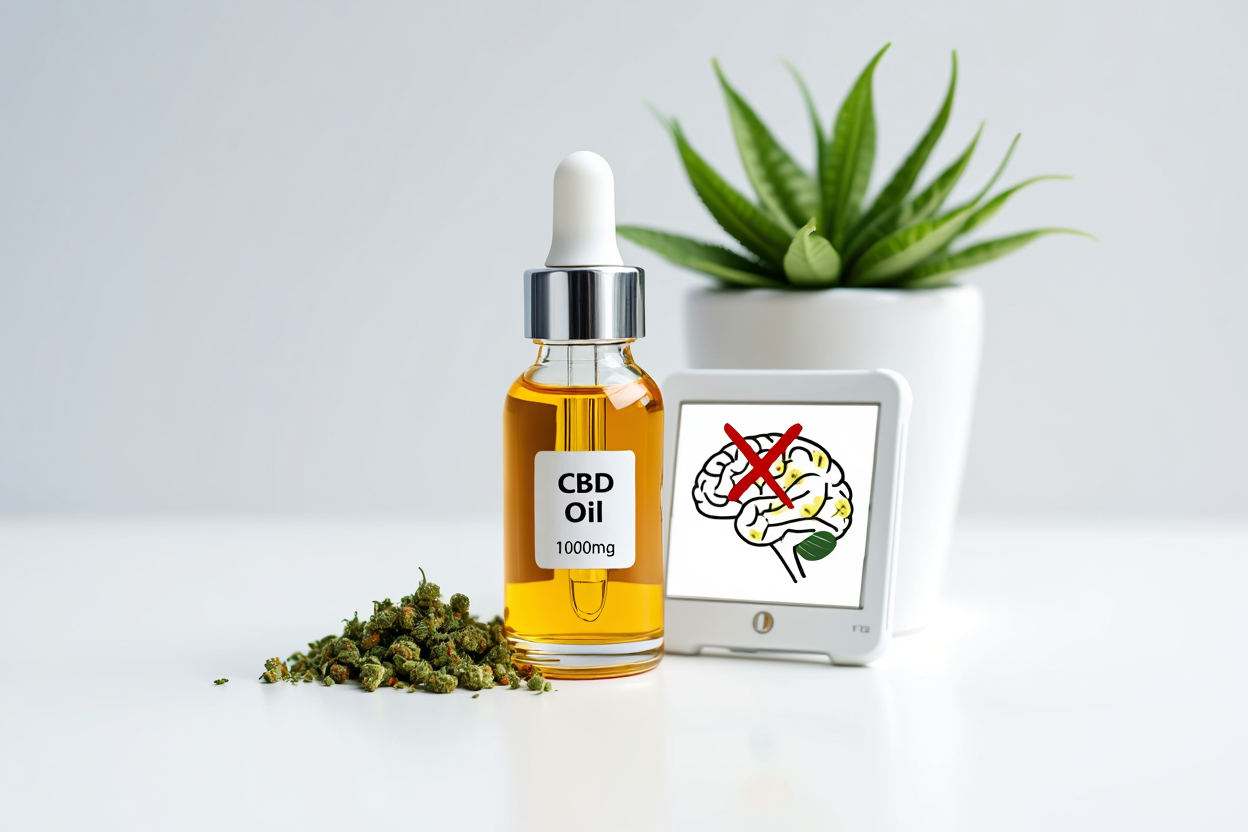
How Epidiolex Targets Drug-Resistant Epilepsy Syndromes
Epidiolex, a highly purified cannabidiol formulation, received FDA approval in 2018 specifically for severe conditions such as Dravet syndrome and Lennox-Gastaut syndrome. Clinical trials demonstrated that this effective anti-seizure medication significantly reduces seizure frequency in patients who haven't responded to other treatment options. Crucially, because it lacks psychoactive properties, CBD offers a safe profile compared to options containing THC.
Research into CBD epilepsy treatments confirms its ability to stabilize neuronal activity through unique neurological pathways. The approval of Epidiolex validates a growing body of evidence supporting cannabinoids for rare forms of epilepsy. Both adults and children can now access this prescription-grade therapy, which avoids many of the severe side effects associated with older antiepileptic drugs.
For patients who once faced the prospect of invasive surgery, Epidiolex provides a regulated and well-tolerated medical cannabis alternative. Data from randomized controlled trials show statistically significant reductions in seizure counts without triggering major adverse reactions. This progress means specialists can now offer a verified solution backed by regulatory agencies across the globe.
Dosing Protocols and Specialist Prescription Requirements
Effective seizure control with CBD requires careful medical supervision, typically starting with a very low dose that is gradually increased over time. Physicians usually initiate treatment at 2.5 mg/kg per day, divided into two doses, with adjustments made every few days based on the patient's response. This careful titration process helps strike the right balance between achieving therapeutic benefits and minimizing potential risks.
Specialist physicians must evaluate a patient’s baseline liver enzymes before starting therapy and continue this monitoring throughout the entire treatment duration. Regular check-ups are essential to ensure the regimen remains safe for the patient's liver function while maximizing the benefits of CBD. This meticulous oversight is critical for achieving the best possible outcomes for those relying on CBD for epilepsy.
Neuroprotective Mechanisms Behind Seizure Reduction
Cannabidiol works by modulating specific pathways in the brain and boosting anandamide signaling, providing neuroprotective properties that help calm neuronal hyperexcitability. The compound interacts with multiple biological systems, including CB1 and CB2 receptors as well as voltage-gated ion channels. This multi-targeted approach differentiates CBD from conventional anticonvulsants, which typically focus on a single mechanism.
Increasing anandamide levels represents a key mechanism driving CBD's anticonvulsant effects. By inhibiting the breakdown of this naturally occurring cannabinoid, CBD amplifies the brain's intrinsic seizure-suppressing signals. This method offers sustained relief without the tolerance build-up often seen with traditional medications.
Evidence gathered from a comprehensive systematic review confirms that CBD also reduces the release of inflammatory cytokines and decreases microglial activation. When combined, these neuroprotective actions result in powerful seizure suppression, making it particularly valuable for drug-resistant cases. The wide-ranging therapeutic benefits of CBD stem from this holistic protective effect, which explains its effectiveness across various seizure types.
Chronic Pain Relief Through Cannabinoid System Modulation
Chronic pain affects over 50 million Americans annually, leaving many searching for solutions that avoid opioid dependence and harsh side effects. CBD offers a non-addictive alternative that works by modulating the endocannabinoid system, providing meaningful relief for various pain conditions. To set the stage: Cannabidiol (CBD) oil is a non-psychoactive product extracted from cannabis flowers. It's rich in cannabinoids, terpenes, and flavonoids, and is celebrated for its range of health benefits. Scientific research underscores its relaxing and pain-relieving effects, making it valuable for managing chronic pain, cancer-related symptoms, anxiety, epilepsy, Parkinson’s disease, and addiction. Typically, the oil is blended with a carrier like MCT, hemp seed, olive, or coconut oil to enhance absorption. Although sometimes mistaken for hemp seed oil—which lacks cannabinoids but is prized for its omega-3 and omega-6 fatty acids—CBD oil’s therapeutic potential also reaches into cosmetics, anti-aging skincare, and hair health, further highlighting the wide scope of cannabis oil benefits.
CBD Efficacy for Arthritis and Fibromyalgia Pain
Clinical evidence strongly supports the use of CBD for chronic pain relief. Multiple systematic reviews demonstrate significant improvements for patients suffering from arthritis and fibromyalgia. One notable trial found that applying 250 mg of topical CBD oil over a four-week period reduced joint inflammation and swelling by approximately 30%. This level of pain relief often matches or even surpasses what conventional anti-inflammatory treatments can achieve.
Many individuals report better mobility, less morning stiffness, and an overall enhanced quality of life after incorporating CBD into their daily pain management plan.
- Endocannabinoid activation: CBD interacts with CB1 and CB2 receptors, which helps reduce pain perception and calm inflammatory signals in affected tissues.
- Inflammatory marker reduction: Clinical studies confirm decreases in TNF-alpha and IL-6 cytokine levels, offering measurable proof of reduced inflammation.
- Non-opioid alternative: CBD delivers effective chronic pain relief without the risks of respiratory depression, potential addiction, or stomach problems commonly associated with opioid-based treatments.
Long-term use of CBD appears to be safe and is generally associated with minimal side effects, making it a reliable option for ongoing management without concerns about developing tolerance. Individuals with fibromyalgia find particular benefit, as CBD addresses both the pain and anxiety that often accompany the condition.
Topical Versus Oral CBD for Inflammatory Conditions
Different methods of CBD delivery—topical and oral—vary widely in how quickly they work and the results they produce. Topical application provides targeted relief for joint pain and skin issues. Creams infused with CBD penetrate the skin to combat inflammation in underlying tissues without entering the bloodstream, making them ideal for arthritis patients seeking localized relief. In contrast, oral CBD produces broader systemic effects, which are beneficial for conditions like fibromyalgia and multiple sclerosis-related spasticity that involve widespread inflammation.
Topical CBD products deliver cannabinoids directly to affected areas, typically beginning to work within 15 to 30 minutes and offering relief that lasts 4 to 6 hours. This targeted method minimizes exposure to the rest of the body while maximizing the therapeutic concentration at the pain site. Research suggests that combining topical CBD with other anti-inflammatory ingredients, such as hemp seed oil, yields better outcomes than single-ingredient products.
Oral cannabidiol enters the bloodstream, influencing pain perception throughout the central nervous system and addressing inflammatory conditions across the body. The typical dose for oral CBD ranges from 15 to 300 mg, depending on the condition's severity and individual response. Both delivery methods are effective; the best choice depends on the pain's location, the desired speed of relief, and whether a systemic or localized treatment is preferred.
Combining CBD with THC for Enhanced Pain Management
The entourage effect describes the synergistic relationship between different cannabinoids. Combining THC and CBD results in greater analgesia than either compound can provide alone. Specific medical cannabis formulations, such as nabiximols, use precise THC-to-CBD ratios to maximize chronic pain relief while minimizing psychoactive effects and cognitive impairment. Evidence from clinical trials confirms that this cannabinoid combination reduces pain more effectively than single-cannabinoid preparations.
Nabiximols is specifically designed to address spasticity linked to multiple sclerosis and chronic cancer pain—conditions that often resist standard treatments. The THC component offers analgesic properties and muscle relaxation, while CBD contributes anti-inflammatory benefits and helps counter any anxiety induced by THC. However, because THC is a controlled substance, most regions limit medical cannabis products to specialist prescriptions, restricting access despite strong clinical support for their efficacy.
Anxiety and Stress Reduction with CBD Cannabinoids
Anxiety disorders impact an estimated 20% of adults worldwide. Conventional medications are often linked to dependency and cognitive side effects. Cannabidiol (CBD) presents a promising alternative, as it activates serotonin receptors to help regulate mood and provide relief. It offers measurable results for anxiety and stress reduction without the debilitating side effects associated with traditional pharmaceutical treatment.
Serotonin Receptor Modulation for Mood Stabilization
CBD works by activating the brain's 5-HT1A serotonin receptors, a mechanism of action similar to many prescription antidepressants. Clinical evidence indicates that these cannabinoids produce mood-stabilizing effects comparable to pharmaceuticals, yet they are generally considered safe and better tolerated. This approach enhances neurotransmission without blocking reuptake, offering a unique pharmacological advantage.
A comprehensive systematic review of randomized trials confirms that supplementation provides consistent relief, with results depending on the dose administered. A daily dose of 300 mg, for example, was shown to significantly improve anxiety questionnaire scores within just two weeks of starting treatment. Importantly, unlike benzodiazepines, these therapeutic doses did not cause cognitive impairment, thereby avoiding issues like drowsiness or memory loss.
Systematic Review Evidence for Generalized Anxiety Disorder
Recent publications (2020-2023) consistently demonstrate stress reduction across diverse patient groups and types of anxiety. These systematic review studies, which analyzed trials involving hundreds of participants, noted clear decreases in physiological stress markers such as cortisol. Research shows that even a single, low dose can mitigate the body's acute stress response during challenging situations like public speaking.
- Acute stress blunting: A single 300-600 mg dose of CBD can lower cortisol spikes and reduce anxiety symptoms within an hour.
- Generalized anxiety improvement: Daily supplementation lowers baseline anxiety levels over several weeks, leading to improved scores on standardized tests and reduced hypervigilance.
- Sleep-anxiety connection: CBD aids in treating stress-related insomnia, creating a positive feedback loop where better sleep subsequently reduces daytime anxiety.
- Social anxiety reduction: Substantial evidence supports the efficacy of CBD for social anxiety disorder, helping to improve performance in public and lessen anticipatory worry.
Sublingual (under the tongue) administration allows for rapid absorption, providing situational relief. Start with a dose of 5-10 mg and gradually increase (titrate) to find the optimal level that maximizes benefits while minimizing potential side effects, such as fatigue. The body of clinical evidence, including systematic reviews, supports CBD as a viable treatment option, particularly for individuals who cannot tolerate conventional medications.
Sleep Improvement and PTSD Symptom Treatment Benefits
Around 35% of adults experience insomnia, which often contributes to heightened anxiety, depression, and other chronic health issues. People with PTSD face especially difficult sleep challenges, including disruptive nightmares and persistent hyperarousal that interfere with restorative rest. CBD presents a promising option for addressing these problems, as it may help regulate the brain's response to stress and enhance the overall quality of sleep architecture.
CBD Dosing Protocols for Insomnia and Sleep Onset
Research shows that a dose of CBD between 15 mg and 50 mg, taken 30 to 60 minutes before bedtime, can lead to measurable improvements in sleep quality. This timing helps ensure the body absorbs the CBD as you begin winding down. A 2024 clinical trial found that 15 mg of CBD was as effective as 5 mg of melatonin, pointing to similar benefits between the two treatments.
Lower doses can help promote sleep onset and reduce nighttime awakenings without causing next-day drowsiness. Here's what the evidence says about how CBD influences specific aspects of sleep:
- Sleep onset latency: Clinical studies indicate that taking 15-25 mg of CBD can shorten the time it takes to fall asleep by about 10-15 minutes compared to a placebo.
- Sleep duration extension: A nightly dose has been shown to extend total sleep time by 25-30%, as confirmed by polysomnography testing.
- Nighttime awakening reduction: CBD helps decrease the number of awakenings during the night, leading to more restful and restorative sleep.
- REM sleep preservation: Unlike many prescription sleep aids, CBD supports healthy amounts of REM sleep, which is essential for mood regulation and memory.
This table compares the effects of CBD with other common sleep treatments based on available clinical evidence:
| Sleep Parameter | CBD (15-25 mg) | Melatonin (5 mg) | Benzodiazepines |
| Sleep onset time | 12-15 minutes reduction | 10-12 minutes reduction | 5-10 minutes reduction |
| Total sleep duration | +25-30% | +20-25% | +40-50% |
| Next-day impairment | Minimal | Minimal | Significant |
| Dependency potential | None | None | High |
| REM sleep maintenance | Preserved | Preserved | Suppressed |
REM Sleep Enhancement in PTSD Patients
Individuals with PTSD frequently endure disrupted sleep marked by nightmares and fragmented REM cycles, resulting in fatigue even after a full night in bed. CBD-based insomnia treatment can help reduce these distressing symptoms—many patients report fewer nightmares and a decrease in intrusive thoughts. After several weeks of a combined morning and evening dosing regimen, CBD can help ease hyperarousal and support a calmer state of mind at night.
A dose of 25-50 mg of CBD at bedtime has been shown to improve sleep quality in people with PTSD, without causing next-day grogginess. Clinical data reflect more stable REM sleep and fewer interruptions during the night, and polysomnography results indicate a return to healthier sleep patterns. Many individuals also notice reduced anxiety and better daytime function as a result of more restful nights.
CBD appears to help regulate the hypothalamic-pituitary-adrenal (HPA) axis, the body's central stress response system, which is often overactive in people with PTSD. By moderating this system, CBD supports conditions that favor deeper sleep and improved emotional processing. This helps explain why users often experience not only better sleep but also lasting relief from daytime PTSD symptoms.
Comparing CBD to Melatonin for Sleep Quality
CBD and melatonin support sleep in different ways: melatonin helps regulate the body's internal clock, while CBD focuses on calming anxiety. Evidence indicates that 15 mg of CBD can be as effective as melatonin for improving general sleep quality. That said, CBD may be more helpful for those whose insomnia is linked to anxiety or repetitive worrying.
While melatonin is often useful for jet lag or shift work sleep disorder, CBD stands out for its ability to reduce hyperarousal and quiet a racing mind at night. Individual responses vary—some people do well with melatonin alone, while others benefit more from the anxiety-reducing properties of CBD. In some cases, a combination of low-dose melatonin and moderate-dose CBD may offer a safe and effective approach for stubborn sleep issues.
Safety Profile and Cannabinoid Interaction Considerations
While a high-quality CBD product frequently demonstrates a more favorable profile than many pharmaceutical alternatives, using it safely is paramount. Being aware of potential side effects and drug interactions is essential for maintaining a safe supplement routine. Medical supervision becomes particularly critical when introducing CBD alongside existing prescriptions or for specific health concerns.
Common Side Effects and Cytochrome P450 Interactions
Overall, the CBD safety profile remains largely positive, as confirmed by nearly every systematic review of pertinent clinical trials. The majority of users report only mild effects, such as tiredness or appetite fluctuations, which impact fewer than 10% of individuals. More serious adverse reactions are uncommon, although higher doses might occasionally lead to dizziness or a dry mouth.
Since individual tolerance can differ greatly, it is wise to start with a very low dose and gradually adjust upward. This methodical approach helps pinpoint the smallest effective amount while reducing any undesirable clinical outcomes. Achieving this balance allows you to enjoy the benefits comfortably.
- Fatigue and drowsiness: Approximately 5% of users experience this, but it can often be managed by reducing the dose or taking CBD in the evening.
- Gastrointestinal effects: Mild diarrhea is occasionally reported; having your CBD product with a meal can enhance tolerability and ease discomfort.
- Appetite changes: Some notice an increase or decrease in appetite, though these shifts are typically minor and not of clinical concern.
- Cytochrome P450 inhibition: CBD can inhibit enzymes such as CYP3A4, which may elevate the concentration of other drugs metabolized by this system.
Because CBD engages with liver enzymes, you must be careful if you are on blood thinners or specific antidepressants. The cannabinoid could heighten medication levels in your bloodstream, potentially raising the risk of toxicity or amplified side effects. If you take these medications, always inform your doctor before beginning treatment to explore possible dosage modifications.
Regulatory Oversight and Third-Party Testing Importance
At present, only FDA-approved medications like Epidiolex are subject to stringent regulatory review and extensive clinical evaluation. Regrettably, numerous over-the-counter oils do not have uniform quality standards, so the listed ingredients might not match what is inside. This regulatory shortfall means that the stated concentrations of CBD and THC are frequently inaccurate.
The risk of drug interactions is especially concerning when products advertised as THC-free are contaminated with unlabeled THC. Some oils harbor substantially more of this compound than stated, which can lead to unexpected psychoactive experiences. Independent, third-party lab verification is crucial to ensure that a product's cannabinoid content matches its label claims.
Cardiovascular Effects and Blood Pressure Management
In clinical trials, an acute dose of 600 mg of CBD taken daily was shown to reduce blood pressure under stressful conditions. However, these reductions were generally modest and temporary, often fading after just one week of consistent use. This indicates that its long-term value for managing chronic high blood pressure is limited without additional research.
CBD encourages vasodilation by affecting calcium channels, which decreases vascular resistance and assists in lowering blood pressure. This action differs from that of standard pharmaceuticals, potentially providing an alternative strategy for some patients. Still, medical guidance is vital when combining CBD with blood pressure drugs to avoid possible compounded effects.
Anyone taking antihypertensive medication should have a thorough discussion with their doctor about CBD supplementation before initiating a new treatment. Be particularly cautious with drugs such as lisinopril or metoprolol, since interactions might cause an excessive drop in blood pressure. Keeping an eye on your levels during the initial phase helps guarantee a safe addition to your current health plan.
Frequently Asked Questions
Based on current clinical evidence, daily use of a CBD product appears to be safe. A comprehensive systematic review found no serious side effects in long-term studies. Most individuals tolerate regular consumption well, though reactions to treatment can vary from person to person. It's advisable to begin with a low dose, typically around 5-10 mg, and gradually increase it while monitoring your body's response.
Always consult your doctor before starting a daily regimen, particularly if you are on other medications or have pre-existing liver conditions. Ongoing health effects monitoring through regular check-ups may be recommended, especially if your daily intake exceeds 50 mg.
Unlike THC, CBD provides therapeutic benefits without inducing a psychoactive "high," making it a safer option for daytime or functional use. While THC directly binds to brain receptors to create euphoria, CBD works indirectly by influencing serotonin and other systems to deliver relief. Substantial evidence supports its use for managing anxiety, providing pain relief, improving sleep, and reducing seizures.
Many medical cannabis formulations combine both compounds to maximize the overall effect. However, THC carries a greater risk of dependence and cognitive side effects, while CBD maintains an excellent safety profile. Discussing your specific needs with a specialist is the best way to determine whether pure CBD, THC, or a combination is the right treatment for you.
Currently, the NHS only prescribes Epidiolex, a purified CBD product, as an effective anti-seizure medication for rare forms of epilepsy such as Dravet syndrome. For most other conditions, including anxiety or general pain relief, the available clinical evidence has not yet met the strict standards required for widespread NHS approval. As a result, patients seeking these CBD benefits often need to access private medical cannabis clinics.
As new systematic reviews continue to highlight the potential therapeutic benefits, broader NHS endorsement may follow in the future. It's important to talk to your doctor to see if a specialist-prescribed treatment could help address your specific health needs.
Share this article: