Protein Blends: What Are Multi-Source Protein Powders?
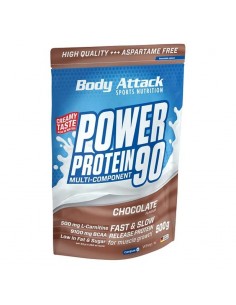
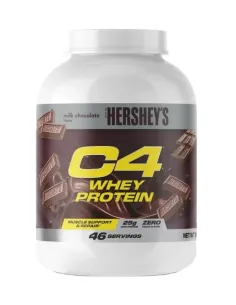
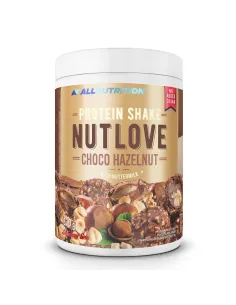
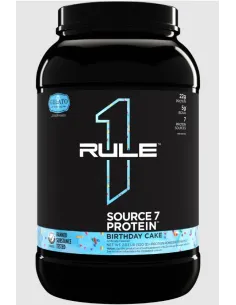
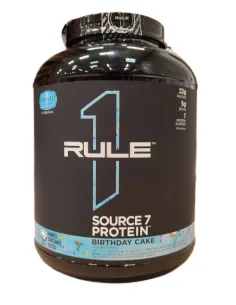
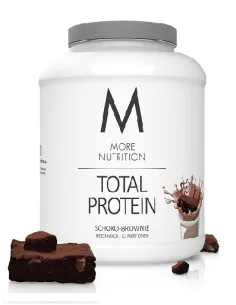
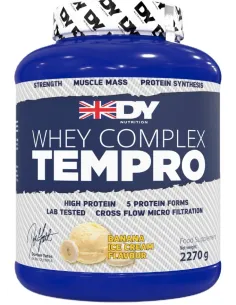
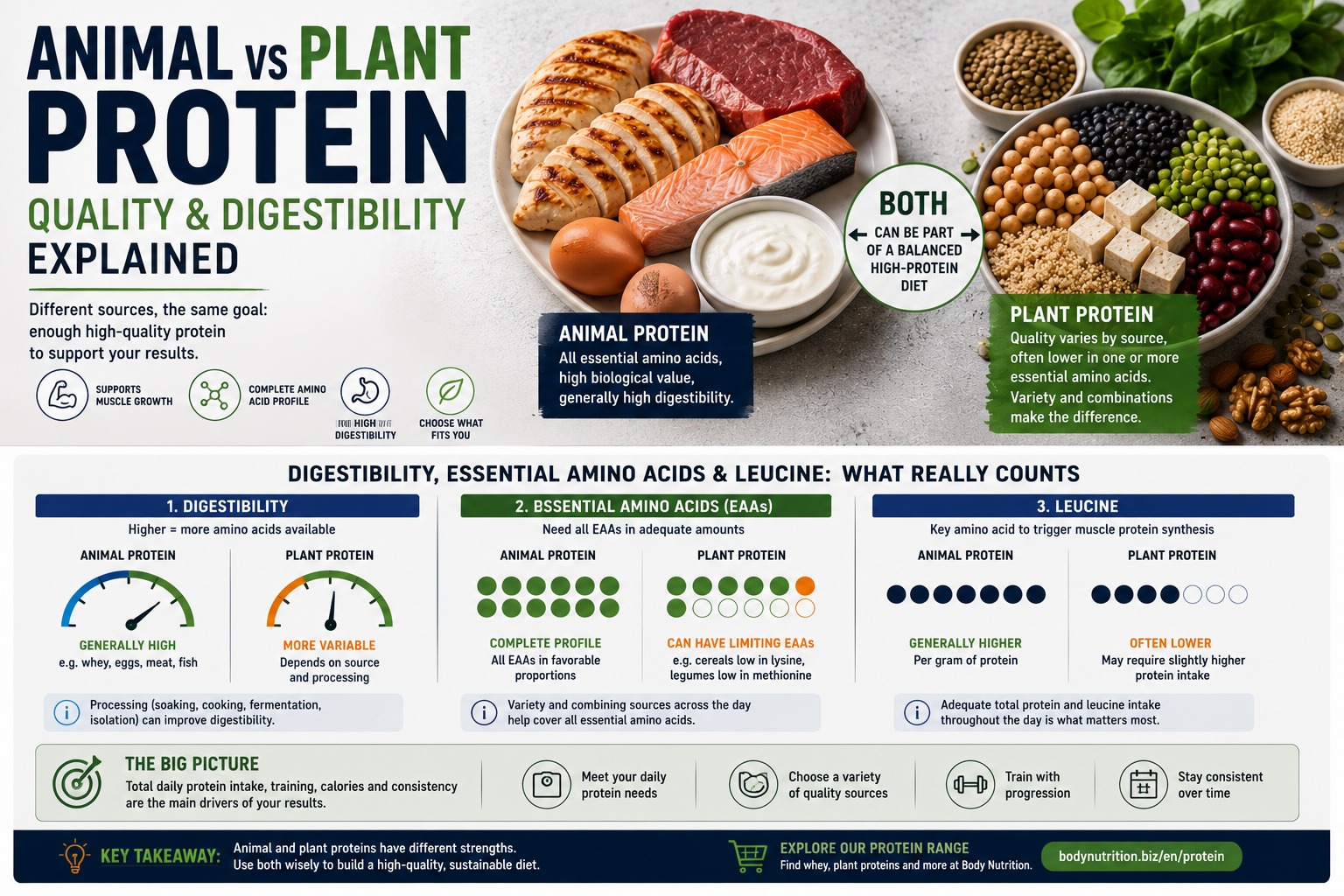
Protein blends are supplements that combine two or more protein sources in a single formula. Depending on the product, a blend may contain whey protein concentrate, isolate or hydrolysate, casein and other protein sources.
Unlike a powder based on a single protein source, a multi-source protein combines proteins with different nutritional characteristics in one product. However, the ingredients, protein percentage and proportions of the individual protein sources can vary considerably between formulations.
Whey and Casein in Protein Blends
One of the most common combinations found in blended protein powders is whey protein together with casein protein. Other products may combine different forms of whey or use several protein sources within the same formula.
The term “protein blend” therefore does not describe one standard composition. Before choosing a product, check which protein sources are actually included and the order in which they appear in the ingredient list.
Blends with Whey Concentrate, Isolate and Hydrolysate
Some protein blends combine different forms of whey. These may include whey protein concentrate (WPC), whey protein isolate (WPI) and hydrolyzed whey protein (WPH).
The presence of several forms of whey does not automatically make one product better than another. It is more useful to compare the complete formulation, actual protein content, other nutrients and price per serving.
How to Choose a Protein Blend
When comparing different protein blends, start with the nutrition information and ingredient list. Two products marketed as blended protein can have very different formulations and nutritional profiles.
Useful factors to compare include:
- protein sources used and their order in the ingredient list;
- protein content per 100 g and per serving;
- overall protein percentage;
- carbohydrate, sugar and fat content;
- lactose content, when declared;
- ingredients, flavourings and sweeteners;
- pack size and number of servings;
- price per serving and overall value.
Protein Blends and Muscle Mass
Like other foods and supplements that provide protein, blended protein powders supply protein that contributes to the growth and maintenance of muscle mass.
Choosing between a multi-source blend and a single-source protein depends on individual nutritional requirements, the composition of the product, personal preferences and total dietary protein intake.
Protein Blends at Body Nutrition
Body Nutrition has been specialising in the online sale of supplements since 2001. In this category you can compare protein blends, blended protein powders and multi-source proteins from different brands according to protein sources, nutritional composition, ingredients, flavours, pack sizes and price.
To compare single-source formulations, browse our Whey Protein, Whey Protein Isolate, Hydrolyzed Whey Protein and Casein Protein categories.
You can also explore our complete range of protein powders at Body Nutrition.