How to Navigate Sports Nutrition and Gym Supplements
Sports nutrition supplements include products with different ingredients, formulations and directions for use. At Body Nutrition, you can explore these product groups according to their composition and how they may fit into your diet and training routine.
A useful starting point is to identify what you are looking for: a particular ingredient, a formulation associated with a stage of training, or a product that provides specific nutrients. Gym supplements span several distinct groups, from creatine and amino acids to pre-workouts, carbohydrates and mass gainers. Understanding these differences makes it easier to compare products without treating unrelated formulations as interchangeable.
Main Categories of Sports Nutrition Products
The sports nutrition range covers products that differ in composition, format and intended use. Body Nutrition organises its selection into dedicated categories so that you can examine relevant formulations and compare their labels more easily.
Creatine
Creatine is available in several forms and formats. Creatine monohydrate is among the best-known forms, alongside other formulations. When comparing products, check which form of creatine is used, the amount stated per serving, any additional ingredients and the manufacturer's directions.
It is important to distinguish products based primarily on creatine from multi-ingredient formulas that contain creatine alongside other substances. Reading the full ingredient list helps clarify which type of product you are considering.
Amino Acids and BCAAs
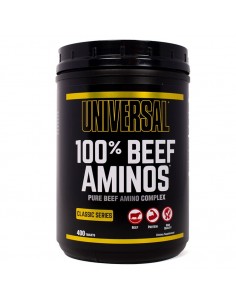
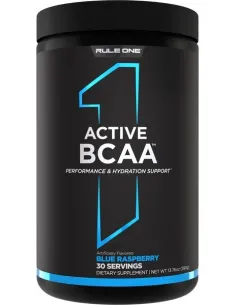
The amino acids category includes individual amino acids and blends containing several amino acids. BCAAs are a specific group of three branched-chain amino acids—leucine, isoleucine and valine—and should not be confused with the entire amino acid family.
When comparing amino acid supplements, examine the amino acid profile, declared amounts per serving, ratios between ingredients where provided, and product format. Two products in the same broad category can have substantially different compositions.
Pre-Workout Supplements
Pre-workout supplements are commonly multi-ingredient products marketed for use before exercise. Their compositions can vary considerably: some contain caffeine, while others are formulated without stimulants.
The term “pre-workout” alone therefore tells you little about a product's precise ingredients. Check the amounts listed, the presence of caffeine and the manufacturer's instructions and warnings. This is especially relevant if you already consume caffeine from coffee, energy drinks or other sources.
Carbohydrates
Carbohydrate supplements are another part of sports nutrition. Products can differ in their carbohydrate sources, overall composition, quantity per serving and preparation instructions.
To compare them, start with the nutrition declaration and ingredient list. Consider the carbohydrate content in the context of your overall diet rather than assuming that every carbohydrate powder has the same formulation.
Mass Gainers
Mass gainers generally combine carbohydrates and proteins. Their energy content per serving can differ significantly from that of products formulated primarily around protein.
Compare more than the total pack weight: look at the suggested serving size, energy per serving, quantities of carbohydrates and protein, and any additional ingredients. These details help distinguish products that may appear similar at first glance.
Intra-Workout and Post-Workout Products
Some sports nutrition products are grouped according to when they are intended to be used, such as intra-workout or post-workout. Unlike ingredient-based categories, these labels can cover products with very different compositions.
Do not choose a formula solely because its name includes “intra” or “post”. Check what it actually contains, the quantities declared on the label and the manufacturer's directions for use.
Gym Supplements for Different Sports and Training Routines
People searching for gym supplements may have very different requirements. Weight training, endurance exercise and high-intensity activities are not identical. Even within one sport, training frequency, session duration, dietary habits and personal preferences can vary widely.
There is no single supplement combination that suits every athlete or gym-goer. A more useful approach is to consider your existing diet and the characteristics of your activity, then identify the relevant product categories. This keeps the focus on the actual formulation rather than on a generic association between a supplement and a sport.
For example, creatine, amino acids, pre-workouts, carbohydrate products and mass gainers are different categories—not interchangeable versions of the same supplement. Understanding the ingredients in each formula helps narrow down the selection.
How to Read and Compare Sports Supplements
Two products in the same category can differ substantially. Before choosing, use practical criteria that can be checked on the product page and label:
- Ingredients: review the complete formulation, not only the ingredient highlighted on the front of the pack.
- Amount per serving: compare declared ingredient quantities across products with different pack sizes and serving recommendations.
- Serving size: check the quantity used to calculate nutritional values and ingredient amounts.
- Format: powders, capsules, tablets, bars and other formats may suit different preferences.
- Directions for use: follow the instructions provided by the manufacturer.
- Warnings: pay particular attention to products containing caffeine or ingredients with specific label precautions.
This approach allows you to compare sports supplements on the basis of their actual composition rather than relying only on a marketing name or category label.
The Role of Supplements in Sports Nutrition
Supplementation should be considered within the wider context of diet, exercise and individual circumstances. A supplement does not replace a varied, balanced diet, and it cannot compensate on its own for an unsuitable training programme.
Begin by considering your nutritional needs and what your diet already provides. Once you have identified a relevant product type, compare ingredients, amounts per serving and directions for use to understand the available options.
Always follow the instructions and warnings on the label. If you have a medical condition, take medication, have specific health circumstances or are unsure whether a product is suitable for you, consult a doctor or another qualified healthcare professional.
Frequently Asked Questions About Sports Nutrition Supplements
What are the main types of sports supplements?
Common categories include creatine, amino acids and BCAAs, pre-workouts, carbohydrates and mass gainers. Other products are grouped by intended timing, such as intra-workout and post-workout. Their actual differences depend on the ingredients and quantities stated on each product's label.
How do I choose gym supplements?
Start with your diet and the type and frequency of exercise you do. Then compare products within a relevant category by checking their ingredients, serving quantities, formats and directions for use. The phrase “gym supplement” does not describe a single standard formulation.
Are creatine and pre-workout the same thing?
No. Creatine products may be based primarily on one ingredient, while pre-workouts are commonly multi-ingredient formulations. Some pre-workouts also contain creatine. Check the full ingredient list and declared amounts to see what a particular product contains.
Are amino acids and BCAAs the same thing?
Not exactly. BCAAs are three specific amino acids—leucine, isoleucine and valine. The wider amino acid category includes many other amino acids and products containing individual ingredients or blends.
What is the difference between a mass gainer and a protein powder?
The difference depends on the individual formula. Mass gainers generally combine carbohydrates and protein and often provide more energy per serving, whereas protein-focused powders place greater emphasis on protein content. Compare the nutrition label, serving size and macronutrient proportions for a meaningful comparison.