Casein Protein: What Is It and What Are Its Characteristics?
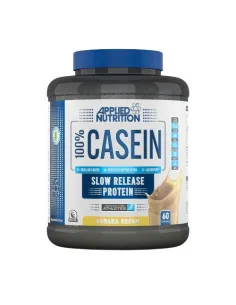
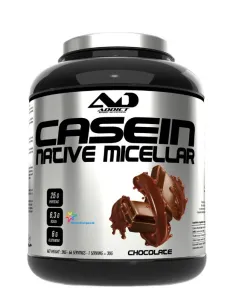
Casein protein is a milk-derived protein and one of the main alternatives to whey protein in sports nutrition. Casein supplements are commonly available as powders and can provide a convenient way to increase total dietary protein intake.
One of the most common forms is micellar casein, which is produced while preserving the micellar structure naturally found in milk. Protein percentage, carbohydrate and fat content, lactose levels and other nutritional characteristics can nevertheless vary between individual products.
Micellar Casein: Characteristics and Composition
Micellar casein is often chosen because of the characteristics that distinguish it from whey protein. In the gastric environment, casein tends to form a denser structure than whey, resulting in different digestion characteristics.
For this reason, casein is commonly used when a protein source different from whey is preferred, including in the evening or between meals. However, casein does not have to be consumed exclusively before bedtime: total daily protein intake and the overall diet remain important considerations.
Casein vs Whey Protein: What's the Difference?
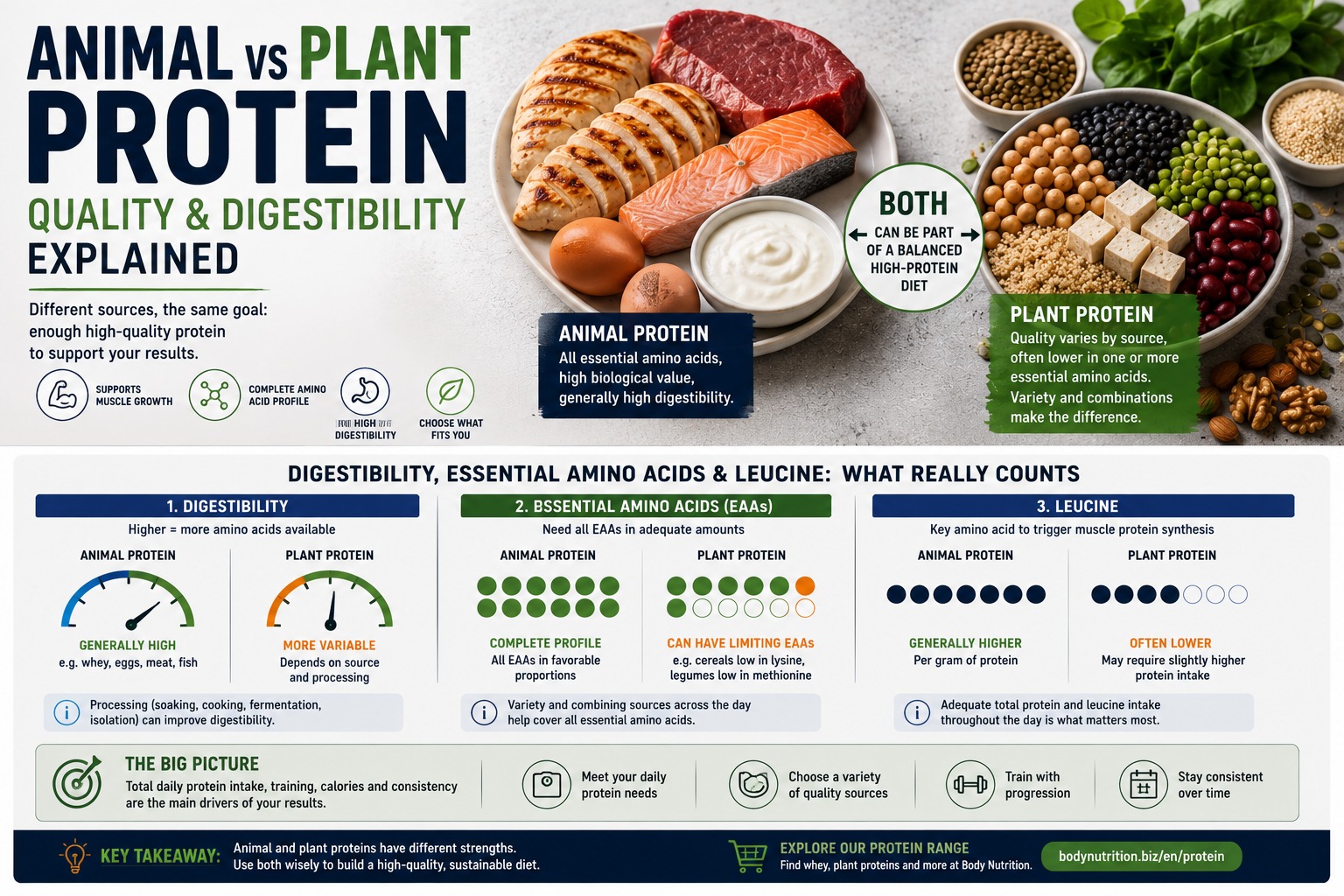
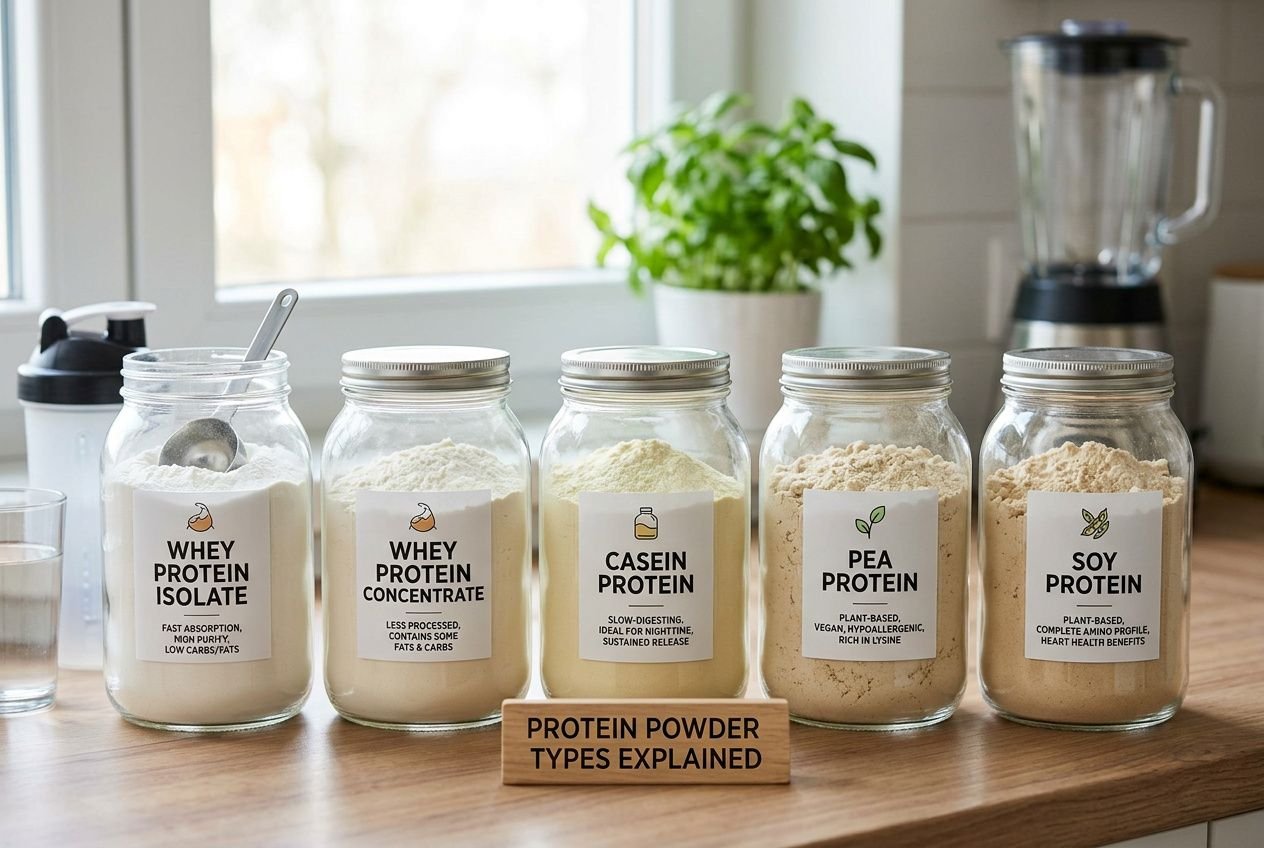
Casein and whey are both derived from milk, but they have different characteristics. They can therefore be considered different protein options rather than one necessarily being better than the other.
- Casein Protein: a milk protein available in different formulations, including micellar casein.
- Whey Protein: proteins derived from whey and available as concentrate, isolate and hydrolysate.
- Protein Blends: some protein blends combine whey and casein within the same formulation.
The most suitable choice depends on overall dietary protein intake, individual preferences, nutritional requirements and the composition of the individual product.
Casein Protein and Muscle Mass
Like other dietary protein sources, casein provides protein that contributes to the growth and maintenance of muscle mass.
For physically active people, total protein intake throughout the day remains an important consideration. Casein powder can provide a practical additional source of dietary protein when required.
How to Choose Casein Protein
Not all casein protein powders have the same formulation. When comparing products, check both the nutrition information and ingredient list rather than choosing solely on the basis of flavour or pack size.
Useful factors to compare include:
- type of casein used;
- protein content per 100 g and per serving;
- overall protein percentage;
- carbohydrate, sugar and fat content;
- lactose content, when declared;
- ingredients, flavourings and sweeteners;
- flavour and pack size;
- number of servings and price per serving.
Casein Protein and Lactose
Casein is derived from milk and should not automatically be considered lactose-free. The actual lactose content depends on the raw material, manufacturing process and formulation of the individual product.
Anyone who needs to limit or avoid lactose should therefore check the product label and manufacturer's information before purchasing.
Casein Protein at Body Nutrition
Body Nutrition has specialised in the online sale of supplements since 2001. In this category you can compare casein protein, micellar casein and casein powders from different brands according to protein content, nutritional composition, ingredients, flavours, pack sizes and price.
To compare other protein options, browse our Whey Protein or Protein Blends. You can also explore our complete selection of protein powders at Body Nutrition.