Egg Protein: What Is Egg White Protein?
Egg protein is an animal-derived protein source used in both everyday nutrition and sports supplements. Powdered products commonly use egg white protein, also known as egg albumen protein, providing a convenient way to add protein to the diet without relying on milk-derived protein sources.
Egg protein provides all essential amino acids and can be a useful alternative for people who want to vary their dietary protein sources. Protein percentage, ingredients and overall nutritional composition can nevertheless differ between individual products.
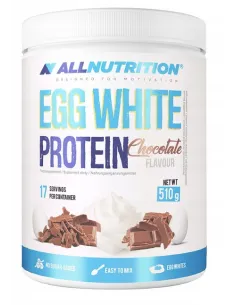
Egg White Protein Powder
Egg white protein powder is produced from egg whites through processing that creates a dry, convenient protein ingredient. Depending on the formulation, products may be unflavoured or flavoured and can contain additional ingredients.
Egg protein powder can be mixed into shakes and, where suitable according to the manufacturer's instructions, used in recipes and other food preparations. Always check the individual product directions before use.
Egg Protein vs Whey Protein: What's the Difference?
Egg protein and whey protein both provide complete protein, but they come from different raw materials.
- Egg Protein: derived from eggs and commonly produced using egg whites in powdered sports nutrition products.
- Whey Protein: derived from milk whey and available in concentrate, isolate and hydrolysate forms.
- Casein Protein: casein is also derived from milk but has different characteristics from whey.
The most suitable option depends on dietary preferences, individual tolerance, the nutritional composition of the product and total dietary protein intake.
Egg White Protein and Lactose
Eggs are not dairy products, so a formulation made exclusively from egg white protein does not naturally contain lactose from its protein source. However, the complete ingredient list and allergen information should always be checked, particularly for flavoured products or formulas containing additional ingredients.
Egg itself is a food allergen. Anyone with an egg allergy should avoid products containing egg or egg white protein.
Egg Protein and Muscle Mass
Egg protein provides protein that contributes to the growth and maintenance of muscle mass.
For physically active people, egg white protein powder can provide a practical way to supplement daily protein intake. The amount and timing should be considered in the context of the overall diet and individual nutritional requirements.
How to Choose Egg Protein Powder
When comparing egg protein and egg white protein powders, check both the nutrition information and ingredient list, as formulations can differ between products.
Useful factors to compare include:
- protein source used;
- protein content per 100 g and per serving;
- overall protein percentage;
- carbohydrate, sugar and fat content;
- additional ingredients, flavourings and sweeteners;
- allergen information;
- flavour and pack size;
- number of servings and price per serving.
Egg Protein at Body Nutrition
Body Nutrition has specialised in the online sale of supplements since 2001. In this category you can compare egg protein, egg white protein and egg albumen protein powders from different brands according to protein content, nutritional composition, ingredients, flavours, pack sizes and price.
To compare other protein sources, browse our Whey Protein, Casein Protein or our complete range of Protein Powders.