
Shopping Cart

Hydrolysed whey protein comes from whey and undergoes hydrolysis, which partially breaks protein into smaller peptides. Compare protein percentage, degree of hydrolysis when stated, ingredients, nutrition values, flavours and price to choose the formula that best suits your needs.

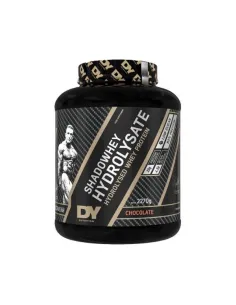
Hydrolyzed whey protein, also known as whey protein hydrolysate or WPH, is a form of whey that undergoes hydrolysis, a process that breaks down part of the protein into smaller peptides.
It belongs to the wider family of whey protein products and can be produced using different raw materials and manufacturing processes. As a result, protein content, lactose levels, nutritional composition and degree of hydrolysis can vary between products.
Whey concentrate, isolate and hydrolysate all originate from whey, but differ mainly in how they are processed.
Hydrolyzed whey is therefore not automatically a better choice than whey concentrate or isolate. The most suitable option depends on the nutritional composition of the individual product, dietary requirements, personal tolerance and budget.
For a broader comparison of the different types of whey, read our Magazine guide on how to choose the right whey protein powder, including whey concentrate, isolate and hydrolyzed whey.
When comparing different hydrolyzed whey protein products, check the nutrition information and manufacturer's specifications rather than relying only on terms such as “hydrolyzed” or “WPH”.
Useful factors to compare include:
Like other dietary protein sources, hydrolyzed whey provides protein that contributes to the growth and maintenance of muscle mass.
For physically active people, total daily protein intake remains an important consideration. Hydrolyzed whey protein can be consumed after training or at other times of the day when adding a convenient source of dietary protein is useful.
The term “hydrolyzed” describes the process applied to the protein and does not automatically mean that a product is lactose-free. The actual amount of lactose depends on the protein source and the formulation of the individual product.
Anyone who needs to limit or avoid lactose should check the product label and manufacturer's information. If lower lactose content is a priority, it can also be useful to compare whey protein isolate products.
Body Nutrition has been selling supplements online since 2001. In this category you can compare hydrolyzed whey protein products from different brands according to protein content, nutritional composition, ingredients, flavours, pack sizes and price.
To compare the main types of whey, browse our Whey Protein category or explore our complete selection of protein powders.
Selected guides to help you make the right choice.
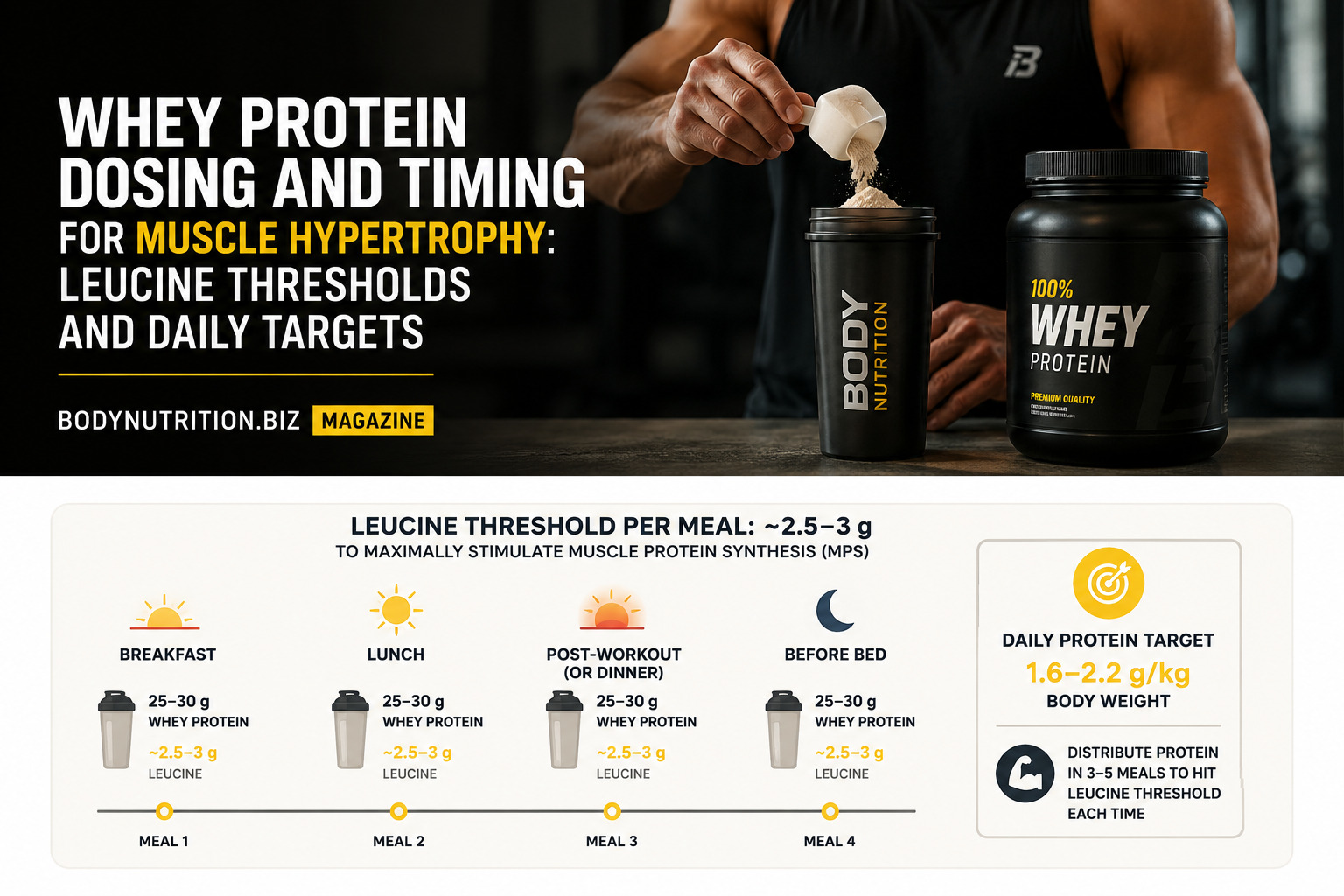 Whey protein dosing and timing for muscle hypertrophy: leucine thresholds and daily targets
Build more muscle by pairing the right whey protein dose with smart timing. Learn the leucine threshold (2–3 g/meal), daily protein…
Read the guide
Whey protein dosing and timing for muscle hypertrophy: leucine thresholds and daily targets
Build more muscle by pairing the right whey protein dose with smart timing. Learn the leucine threshold (2–3 g/meal), daily protein…
Read the guide
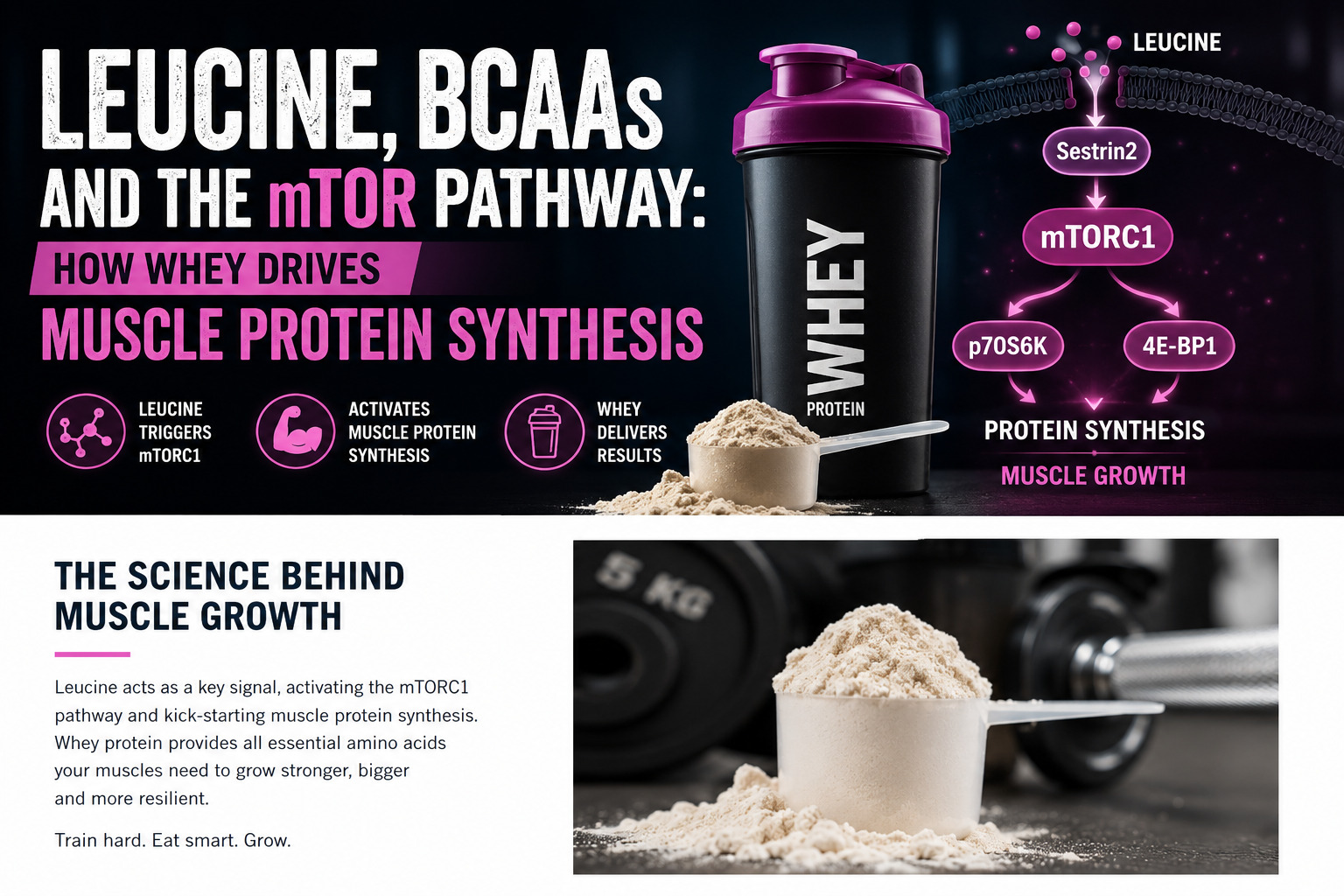 Leucine, BCAAs and the mTOR pathway: how whey drives muscle protein synthesis
Whey’s leucine-rich amino acid profile rapidly activates mTORC1 to trigger muscle protein synthesis. Learn the science, optimal…
Read the guide
Leucine, BCAAs and the mTOR pathway: how whey drives muscle protein synthesis
Whey’s leucine-rich amino acid profile rapidly activates mTORC1 to trigger muscle protein synthesis. Learn the science, optimal…
Read the guide
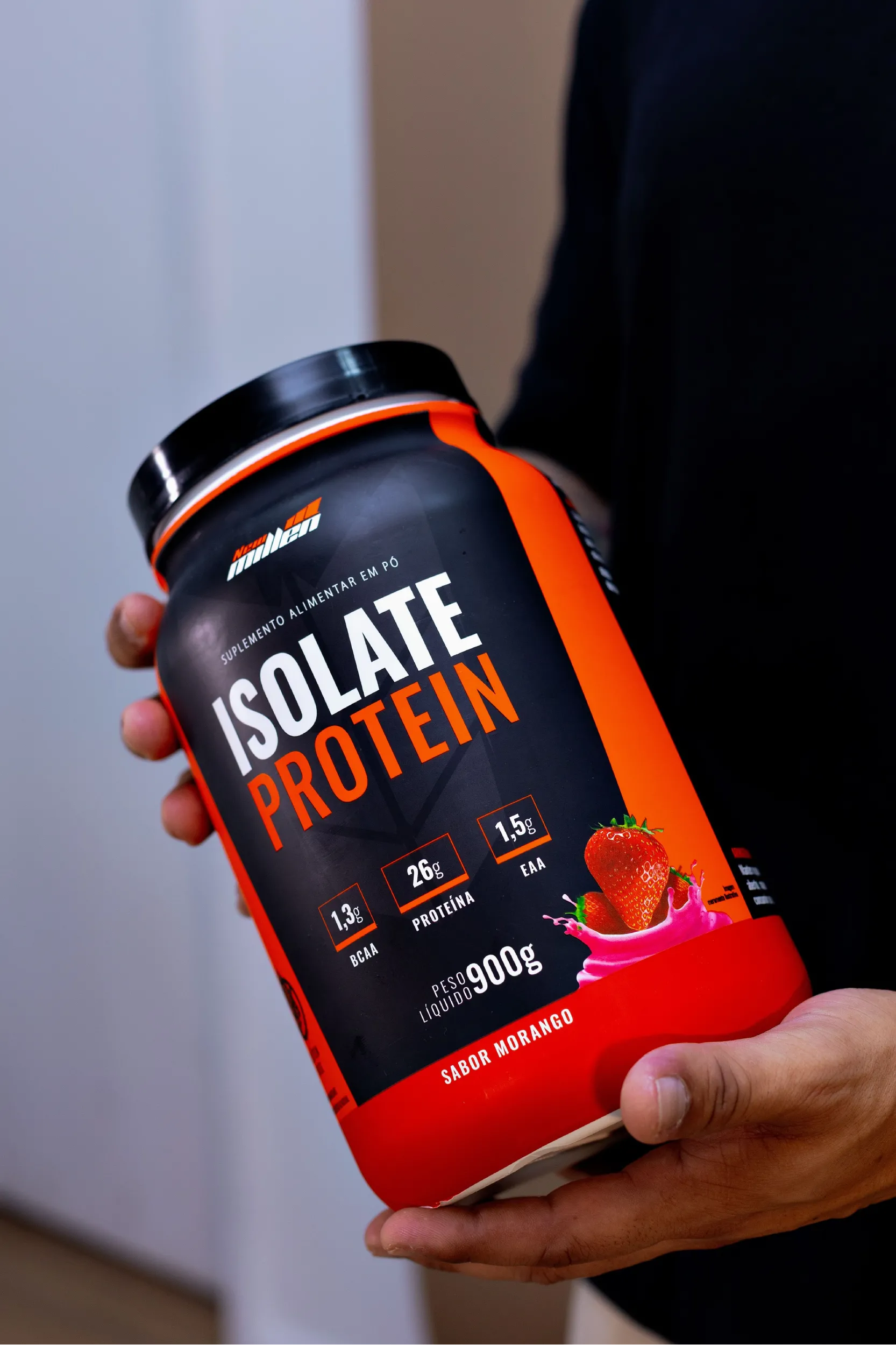 How to use protein powder and creatine for muscle gain
Learn how to use protein powder and creatine together for best results. Discover creatine and whey protein dosages, when to take…
Read the guide
How to use protein powder and creatine for muscle gain
Learn how to use protein powder and creatine together for best results. Discover creatine and whey protein dosages, when to take…
Read the guide