Shopping Cart
A beginner's guide to choosing the right whey protein powder


This guide to whey protein powder delves into the key benefits, different forms, and practical applications of this popular supplement to help you select the best option for your fitness journey. Whether you're focused on building muscle, losing weight, or enhancing recovery, understanding the various whey protein types and proper dosing is essential for maximizing your results. Choosing the right supplement is a crucial part of a successful diet and training program.
Our detailed resource covers everything from distinguishing between concentrate and isolate to identifying the optimal timing for consumption. We also emphasize the critical quality indicators to look for, ensuring you pick a reliable product that genuinely supports your health, recovery, and overall nutrition goals.
Understanding whey protein powder types and differences
Whey protein comes in three main forms, each with unique benefits determined by its level of processing, protein purity, and digestion speed. Learning about these different whey protein types empowers you to perfectly match your protein powder choice to your specific training phases and nutritional needs. Selecting the right type can transform your outcomes from mediocre to outstanding.
What makes whey concentrate different from isolate
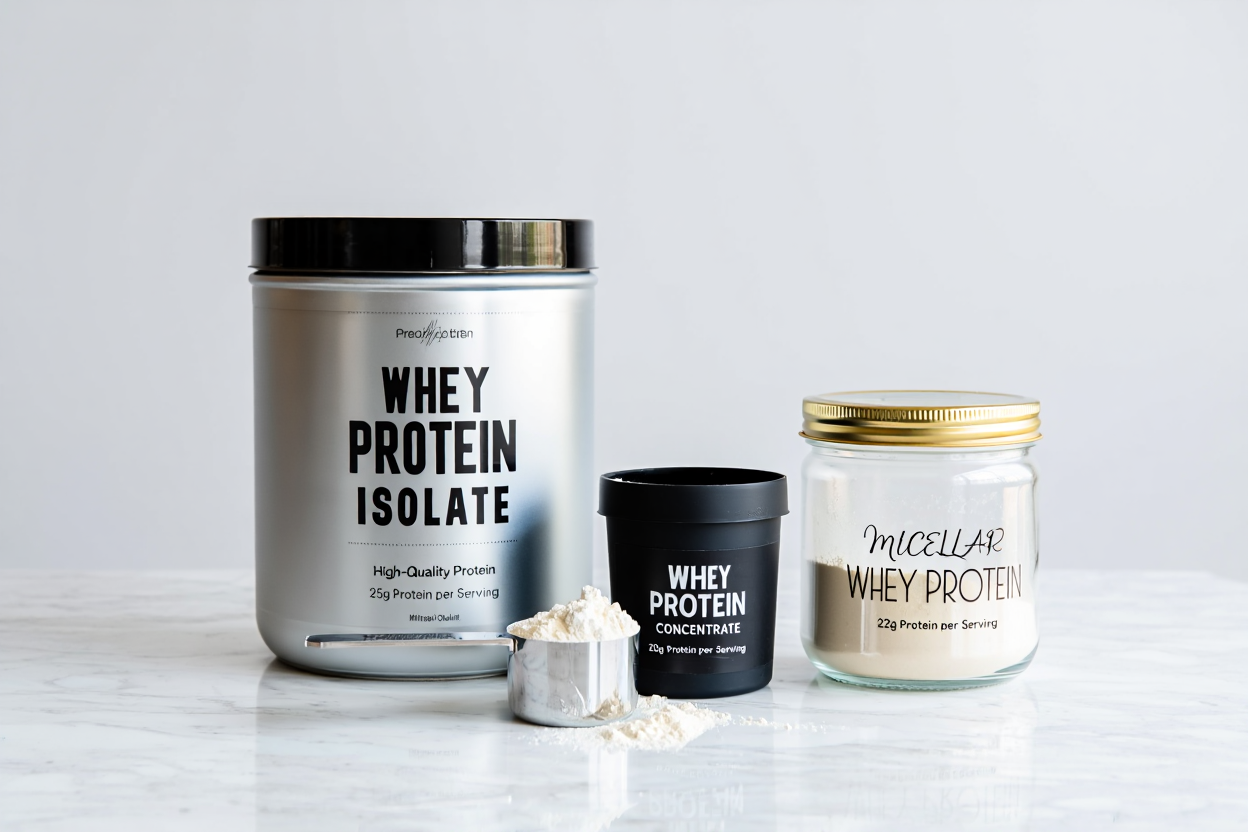
Whey protein concentrate typically contains 70-80% protein and retains more of the natural milk components like lactose, fat, and minerals compared to an isolate. This composition makes it a more budget-friendly option while delivering a richer, more enjoyable flavor that helps users stick to their supplement routine. The protein concentrate isolate comparison is vital; concentrates are an excellent, cost-effective choice for daily nutrition, especially for those without lactose sensitivity.
- Protein percentage: Concentrate offers 70-80% pure protein per serving, providing great value for regular use in your diet.
- Flavor and mixability: Its superior taste and creamy texture promote consistent daily intake and better adherence to your nutrition plan.
- Lactose content: The higher lactose levels are well-tolerated by most and contribute to a more whole-food based powder.
- Mineral retention: It preserves beneficial natural minerals like calcium and magnesium from milk, supporting bone health alongside your muscle-building efforts.
In contrast, whey isolate undergoes extra processing to strip away nearly all the lactose and fat, resulting in a product that is over 90% protein. Isolates allow for faster amino acid absorption, making them the ideal choice for those on a low-carb diet or with lactose intolerance. Athletes focused on rapid post-workout recovery will appreciate the isolate's ability to quickly deliver nutrients to hungry muscles.
When to choose hydrolyzed whey for faster recovery
Hydrolyzed whey protein, or whey protein hydrolysate, consists of over 90% protein that has been pre-broken down into smaller peptides for maximum absorption speed. This advanced form stimulates muscle protein synthesis faster than any other, making it the top choice for demanding workouts that require immediate nutrient delivery. For serious athletes, it is often the preferred supplement for post-workout nutrition, despite its higher cost.
When evaluating the different types of whey protein, it's clear that hydrolyzed options prioritize speed and efficiency over taste. While it can have a slightly bitter flavor, dedicated trainees who value rapid recovery above all else find it perfectly acceptable. A single serving delivers about 25-30 grams of fast-acting protein within minutes, helping you capitalize on the critical post-exercise window for optimal recovery and muscle growth.
Key benefits of whey protein for muscle and weight goals
Whey protein powder provides a powerful advantage for anyone looking to build lean muscle and improve their overall body composition. By understanding the specific benefits of whey protein, you can use this effective supplement to strategically enhance your fitness results. For a more detailed look at the basics, this comprehensive whey protein guide covers different forms like concentrate and isolate, proper dosage, and practical tips for use. Its proven track record is precisely why it remains the most popular choice among strength athletes and fitness enthusiasts.

How whey protein supports muscle growth and recovery
Whey delivers essential amino acids, particularly the branched-chain type like leucine, which is the primary trigger for muscle protein synthesis. Having about 20-30 grams of whey protein powder within 30 to 60 minutes post-workout fast-tracks these amino acids to your muscles. This timing capitalizes on the body’s heightened state of absorption, making sure protein is efficiently used for repair and growth.
A high- quality whey protein powder offers a complete set of all nine essential amino acids that your body can’t produce on its own. The amount of leucine, ideally over 2 grams per serving, is crucial as it acts as the key signal to kickstart muscle growth. Selecting products from reputable brands guarantees you’re getting a potent dose of these nutrients to support consistent progress with each serving.
Regularly including a protein powder in your diet alongside training can significantly reduce post-exercise soreness. Less muscle discomfort means you can train more consistently, leading to higher-quality workouts throughout the week. This quicker recovery is especially valuable for beginners, enabling them to handle three or four weekly sessions without being held back by pain.
Using whey protein powder for weight management success
The powerful satiating effect of whey protein helps reduce overall calorie consumption while protecting hard-earned lean muscle during a cut. By promoting muscle protein synthesis through sufficient protein intake, your body is less likely to break down muscle tissue when in a calorie deficit. Adding whey to your regimen ensures that this protective synthesis continues, safeguarding the muscle mass you’ve worked to develop.
Incorporating a supplement into your diet helps you feel fuller for longer between meals, which minimizes cravings and impulsive snacking. A single protein shake provides 20-30 grams of protein for only 100-150 calories, making it a highly satisfying and efficient option for its caloric value. This makes whey protein powder an excellent tool for weight management when used as part of a balanced diet and active lifestyle.
Why whey protein enhances workout performance consistently
Using a supplement consistently helps maintain stable levels of amino acids, which supports your training intensity day after day. Athletes who prioritize proper protein intake frequently experience greater strength improvements and recover their power more swiftly between workouts. The benefits of whey extend far beyond a single session, accumulating over time to significantly boost your overall capacity for recovery and performance.
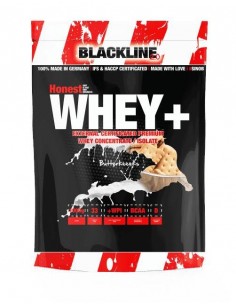
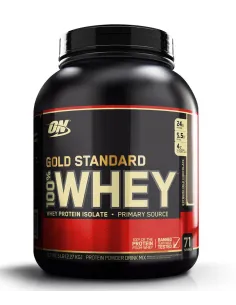
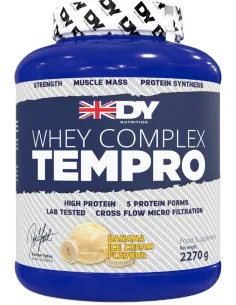
Recommended products
Optimal dosage and timing for whey protein supplement use
Using the correct whey protein dosage at strategic times can maximize muscle-building results while preventing unnecessary waste. Understanding exactly how much powder to consume daily—and when to take it—ensures your supplement investment provides the best possible returns. This section offers science-backed recommendations that apply to various fitness levels and training intensities.
How much whey protein powder per day builds muscle
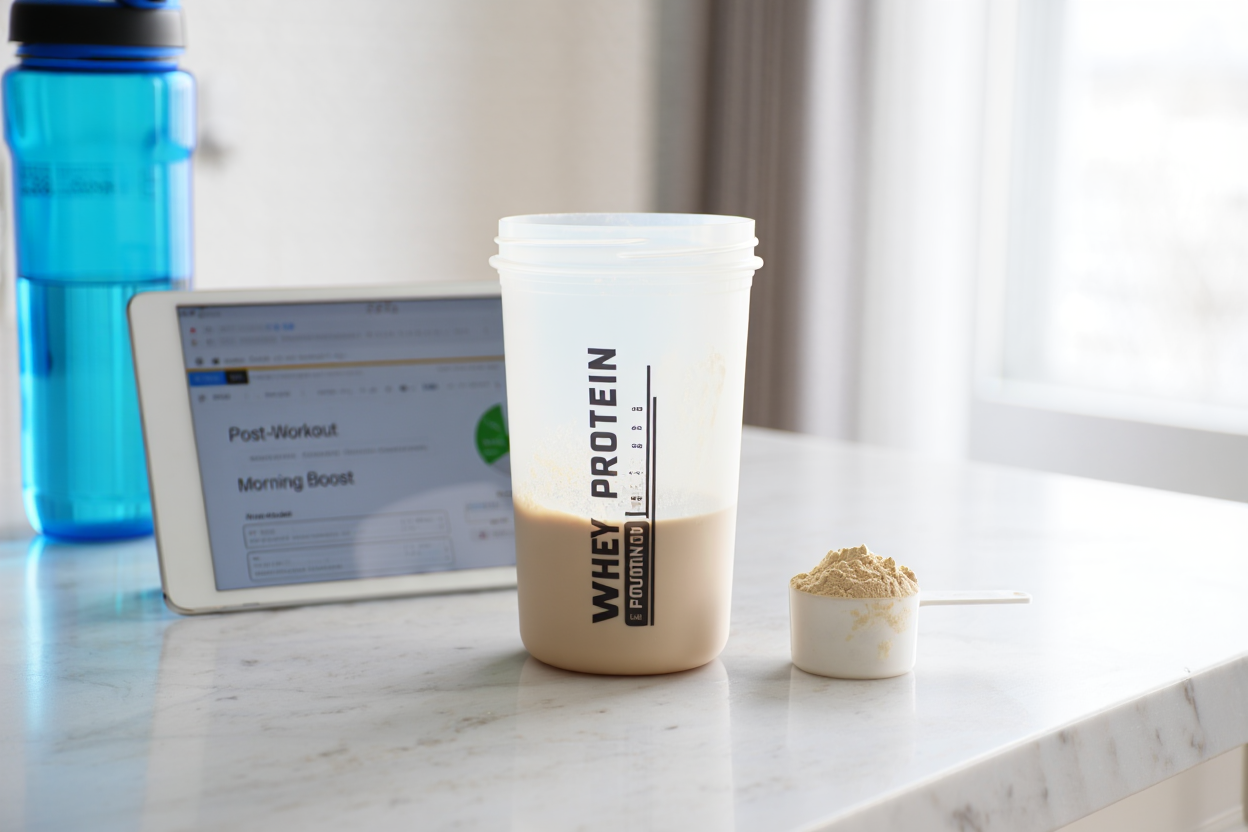
A standard whey protein dosage typically provides 20–30g of protein per serving, which equates to roughly 0.3g per kilogram of body weight. This specific amount helps maximize muscle protein synthesis without overloading your body with excess nutrients it cannot efficiently utilize. Staying within this 20–30g range ensures the optimal concentration of amino acids needed to trigger a sustained anabolic response.
To support effective muscle growth and retention, your total daily protein intake should generally reach between 1.6 and 2.2g per kilogram of body weight. For active adults, requirements often range from 1.6 to 2.5g per kilogram daily, depending largely on their specific goals and training intensity. For a comprehensive look at maximizing these benefits, you can consult a detailed whey protein guide to understand how simple ingredient lists and proper timing enhance performance. Typically, one or two whey protein shakes per day are sufficient for most people, provided that whole foods supply adequate baseline nutrition.
| Body weight | Daily protein target (g) | Whey shakes daily |
| 60kg (132 lbs) | 96-132g | 1-2 shakes |
| 75kg (165 lbs) | 120-165g | 1-2 shakes |
| 90kg (198 lbs) | 144-198g | 2-3 shakes |
| 100kg (220 lbs) | 160-220g | 2-3 shakes |
Consider Maria, who weighs 68 kilograms and takes one scoop of whey concentrate (roughly 22g of protein) post-workout to supplement her daily routine. This single shake accounts for about 20% of her daily target of 109–150g, while her regular meals provide the rest. Her strategy perfectly illustrates efficient supplementation, focusing on filling nutritional gaps rather than replacing essential whole foods.
Best timing strategies for taking whey protein effectively
The post-workout window, spanning 30 to 120 minutes after training, is widely considered the best time to consume whey powder for maximum recovery benefits. Proper protein timing during this period delivers essential amino acids right when muscle tissue is most sensitive to anabolic stimuli. This critical timeframe remains one of the few principles of nutrition timing consistently supported by scientific evidence.
- Post-workout consumption: Drink whey within 30–60 minutes of training to ensure the fastest delivery of amino acids and stimulate muscle protein synthesis.
- Pre-workout option: Taking whey 60–90 minutes before exercise can elevate amino acid availability during long sessions that last over 90 minutes.
- Between-meal gaps: Use protein shakes to bridge protein gaps between meals whenever whole foods are inconvenient or unavailable.
- Evening consumption: Some athletes mix whey with slower-digesting casein before bed to support sustained overnight delivery of amino acids and muscle maintenance.
Combining whey protein powder with 30–50g of carbohydrates helps replenish glycogen and encourages insulin-mediated protein uptake into your muscle cells. This blend of carbohydrates and protein optimizes the post-workout recovery window far more effectively than consuming protein alone. Adding simple carbs like dextrose, white rice, or fruit can significantly amplify the anabolic response to your whey protein dosage.
How to Choose the Right Whey Protein Powder Supplement
Choosing the ideal whey protein supplement involves checking label transparency, your personal tolerance, and several key quality indicators. This decision impacts your immediate results and helps you stick to your long-term nutrition plan. The guide below provides a systematic approach to selecting the right whey protein for your specific needs.
Essential Quality Markers When Selecting Whey Protein Products
High-quality protein is marked by at least 20g of protein and minimal added sugars per serving. When choosing whey protein, ensure the protein percentage aligns with the type: approximately 80% for concentrates and 90% for whey isolate. Reliable third-party certifications like NSF or Informed-Sport verify that the powder is pure and the label information is accurate.
To effectively trigger muscle protein synthesis, the leucine content should be at least 2g per serving. Scanning the ingredients list will reveal whether the product uses a quality source or hides behind proprietary blends. Trustworthy brands will clearly list whey isolate or concentrate first, followed by minimal additives and natural flavors.
- Protein Content Verification: Divide the protein grams by the serving size to ensure you're getting 70-90% actual protein powder.
- Sweetener Evaluation: Select products that use natural options like stevia and avoid any supplement with more than 4g of added sugar.
- Ingredient Transparency: Avoid "proprietary blends" and choose brands that clearly identify every ingredient and additive.
- Third-Party Certification: Look for an independent seal of approval to guarantee that the product meets its label claims.
Test sample packs before purchasing large tubs to determine if you prefer Chocolate, Vanilla, or unflavored options. Although single-serve packets cost more per serving, they're an excellent way to safely test your taste preferences and tolerance. This small initial step prevents you from wasting money on a large container you might not enjoy.
Practical Tips for Using Whey Protein Powder Daily
You can easily mix whey protein powder with water or milk, or blend it into smoothies for convenience. Try adding the powder to oatmeal, yogurt, or pancake batter to keep your diet interesting and varied. The protein quality remains consistent regardless of preparation method, so choose whatever fits your lifestyle best.
Store your containers in a cool, dry place to prevent moisture from causing clumps that degrade the powder. Shake the tub occasionally to break up settled particles and ensure consistent scoop quality. If you experience minor stomach discomfort, start with a smaller serving to help your system adapt to this concentrated nutrition source.
Alternative Protein Options Beyond Standard Whey Powder
Egg protein offers a complete profile of amino acids without dairy, making it ideal for those avoiding lactose. Beef protein powder is naturally rich in minerals and often contains higher creatine levels than standard whey sources. Plant-based options like pea or rice protein suit vegan athletes, though they may require blending to create a complete amino acid profile.
While whey isolate contains significantly less lactose than concentrate, those with severe dairy allergies should still avoid it. However, mildly sensitive individuals might tolerate it well enough to support their muscle recovery goals. For overnight support, micellar casein releases slowly, providing a steady stream of amino acids during sleep.
Frequently Asked Questions
Whey concentrate is a widely used option, typically providing about 70-80% protein along with slightly higher amounts of fat and lactose. It offers solid nutrition and is an affordable, dependable protein source for everyday use.
On the other hand, whey isolate undergoes additional processing to reach a protein content of 90-95%, with very few carbohydrates. This method removes most of the lactose, making it an excellent choice for faster absorption and for those with sensitive stomachs. Whey hydrolysate, meanwhile, is pre-digested into smaller peptides to encourage the fastest possible recovery—though it tends to be more expensive. Your choice will depend on your budget and how your body reacts.
A good target for total daily protein intake is between 1.6 and 2.2 grams per kilogram of your body weight. For instance, someone weighing 75kg would aim for roughly 120–165 grams of protein from all food and supplements combined.
For most people, one shake providing 20–30g of protein is sufficient if they're already eating balanced meals. Consider a second serving only if you're not reaching your daily protein target through whole foods, especially if you're focusing on muscle growth. Calculate your personal goal by multiplying your body weight, then use a supplement like whey to help you meet it.
To get the most out of your supplement, it’s ideal to consume whey within 30 to 120 minutes after your workout. This timing maximizes benefits by kickstarting muscle protein synthesis and supplying your muscle tissue with the nutrients it needs to recover.
You might also benefit from taking it 60–90 minutes before longer or more intense sessions to help sustain energy. A protein shake between meals can also be a handy option when you're short on time. Pairing it with carbs can further improve your body’s recovery response and support better results.
Share this article: