Shopping Cart
Protein powder for beginners: a complete beginner guide to whey protein and nutrition


This guide is for beginners who want to learn how to choose the right protein powder and get the best results. We'll explain exactly what this supplement is, why it's useful, and which options are most suitable for those just starting out.
Is Protein Powder Good for Beginners?
Protein powder is an excellent and convenient method to help you meet your daily protein intake, especially on days when eating enough whole foods is a challenge. When you're new to a training routine, it's important to understand which supplements can genuinely support your progress.
What Protein Powder Actually Is and How It Works
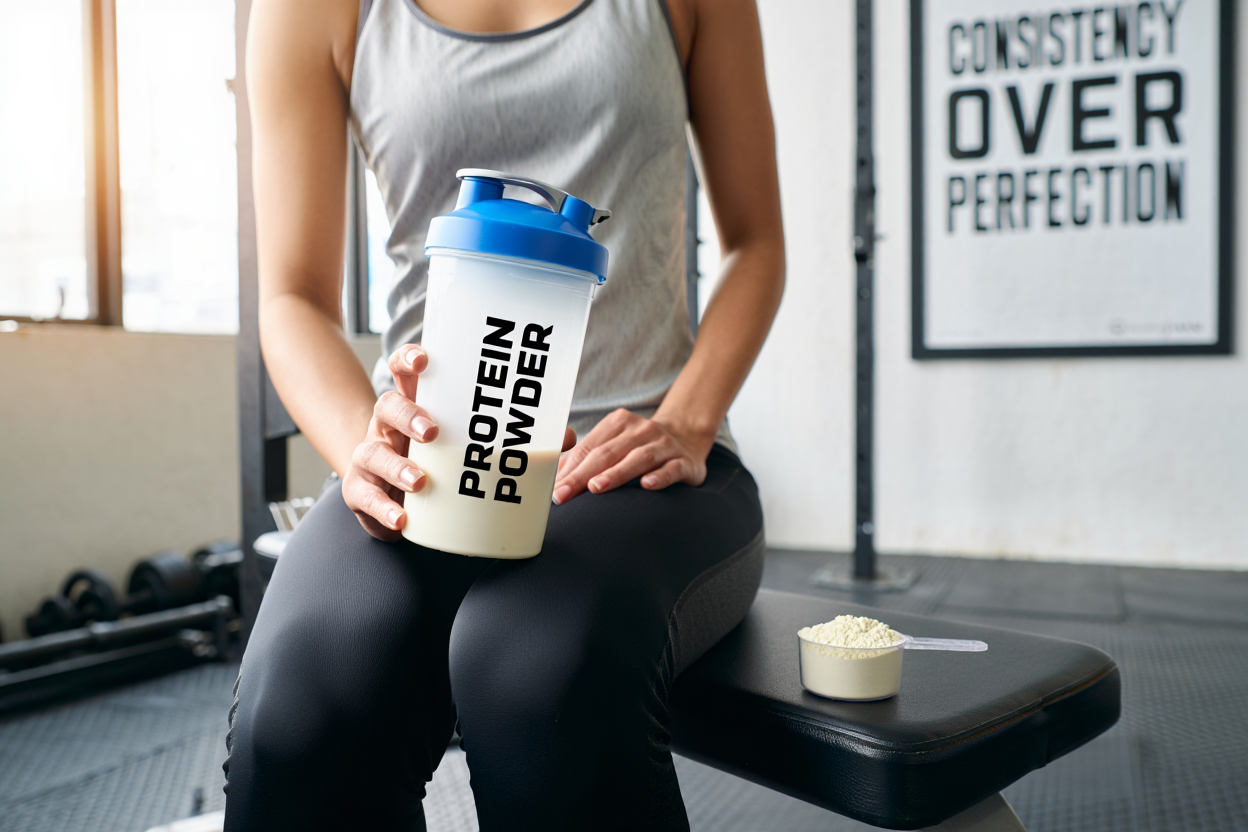
In simple terms, protein powder is a dietary concentrate derived from various sources like dairy (which gives us whey protein), eggs, soy, peas, or rice. The manufacturing process strips away most of the carbs and fats, leaving a purified source of nutrition.
High-quality options provide all nine essential amino acids that your body cannot produce on its own, which are crucial for muscle repair and overall wellness. A single scoop typically offers 20-30 grams of protein, a sufficient amount to effectively kickstart recovery after your training.
This nutrient is delivered to your muscles rapidly through fast-absorbing formulas or more gradually with slow-release blends. This versatility allows you to strategically time your protein intake around your workout or before bed for the best possible support.
Key Protein Powder Benefits for New Exercisers
The protein powder benefits go well beyond just building muscle; they also include helping manage hunger and providing a quick nutritional solution. Studies specifically highlight whey protein as being highly effective for boosting both muscle mass and strength in those new to exercise.
- Convenient daily intake: You can quickly mix the powder with water or milk in seconds, making it an ideal fit for a hectic lifestyle.
- Muscle repair and growth: It aids muscle protein synthesis after strength training, dramatically speeding up the physical adaptation process for newcomers.
- Reduced soreness: Using a supplement can lessen muscle soreness, enabling beginners to bounce back more quickly from their training sessions.
- Appetite control: Protein is very satisfying, which helps curb cravings and can effectively support any weight management goals as part of a balanced diet.
A widespread myth is that this concentrate is only for serious bodybuilders, but the reality is that it can benefit anyone who exercises consistently. It's vital to remember that protein powders are meant to supplement a healthy diet, not replace whole foods, which are always necessary for complete nutrition.
Choosing the right protein powder for your goals
Finding the best protein powder for beginners is all about understanding the different forms and matching them to your specific needs. Before purchasing any protein supplement, take a moment to assess your current diet, fitness objectives, and how much you're willing to spend.
Understanding whey protein types and plant alternatives
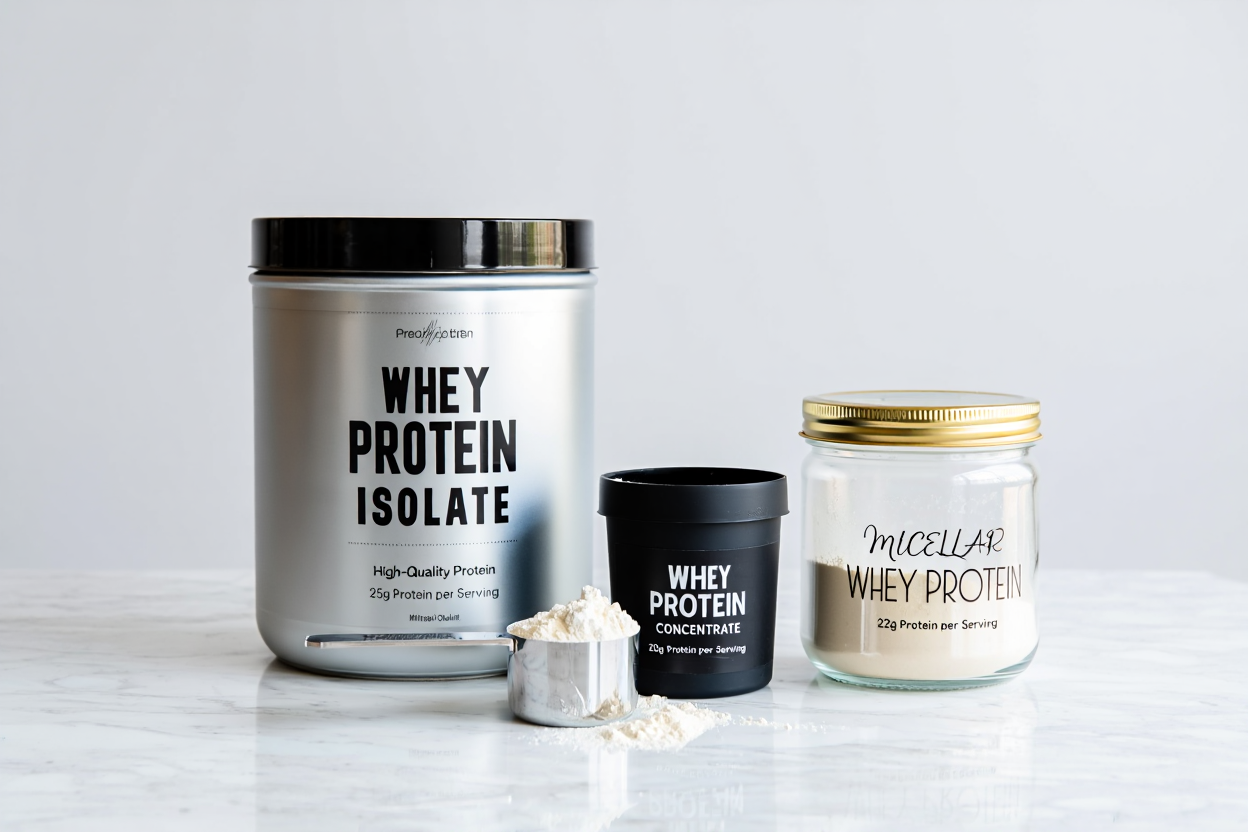
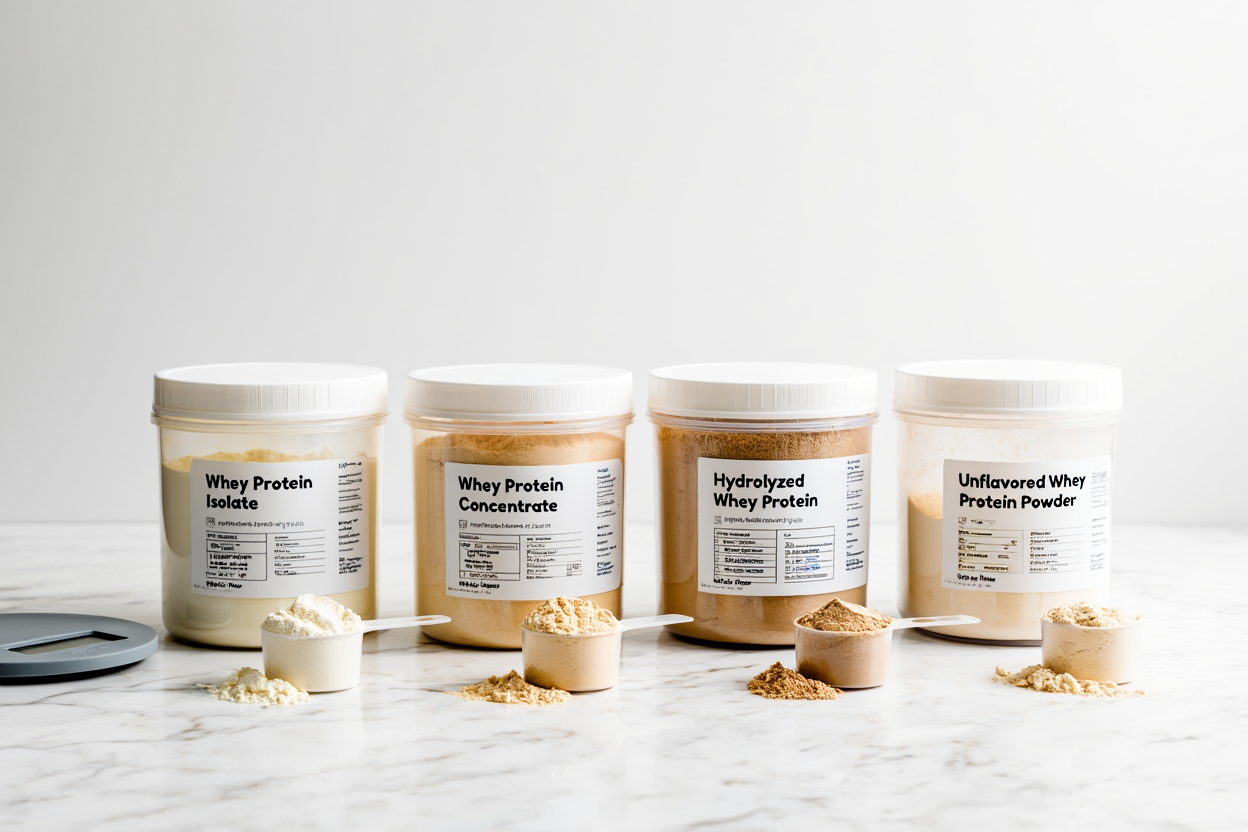
Whey protein comes in three main forms, each offering distinct advantages for anyone starting out. According to a Protein supplements overview, whey remains the preferred choice for its rapid digestion and complete amino acid profile, which is vital for muscle building.
Whey concentrate usually contains 70-80% protein per serving and is often more budget-friendly, making it an excellent protein powder for beginners. On the other hand, whey isolate is processed to remove most fat and lactose, reaching over 90% purity—ideal for those watching their carb intake or with sensitive digestion.
| Type of protein | Protein content | Best for | Key feature |
| Whey concentrate | 70-80% | Budget beginners | Affordable, flavorful option |
| Whey isolate | ≥90% | Lactose-sensitive users | Purer, lower carbs and fats |
| Whey hydrolysate | 90%+ | Maximum absorption | Pre-digested, fastest action |
| Plant blends | 70-85% | Vegan users | Complete amino acid profiles |
Top beginner-friendly protein powder products
Many high-quality products blend whey concentrate and isolate to support balanced recovery after training. As highlighted in this Whey protein guide, these expertly crafted formulas are designed to help newcomers build muscle and strength effectively.
- Weider Whey Protein: A mix of isolate and concentrate, this powder offers dependable recovery, smooth mixing, and trusted results for those just starting out.
- Scitec 100% Whey Protein Professional: This product combines multiple types of protein powder in a single scoop, making it highly effective for muscle growth or maintenance.
- BioTechUSA 100% Pure Whey: Enriched with BCAAs, glutamine, and arginine, this formula goes beyond standard whey to deliver superior recovery benefits.
Generally, these supplements provide 20–25 grams of protein per serving with minimal added sugars or artificial additives. Independent testing verifies their purity, giving you peace of mind when planning your nutrition, including plant-based options.
Recommended products

How much protein powder should beginners take daily
Getting the dosage right is crucial for seeing great results without wasting money or consuming excessive amounts. Most beginners just need a little assistance in matching their protein powder intake with the whole foods they eat throughout the day.
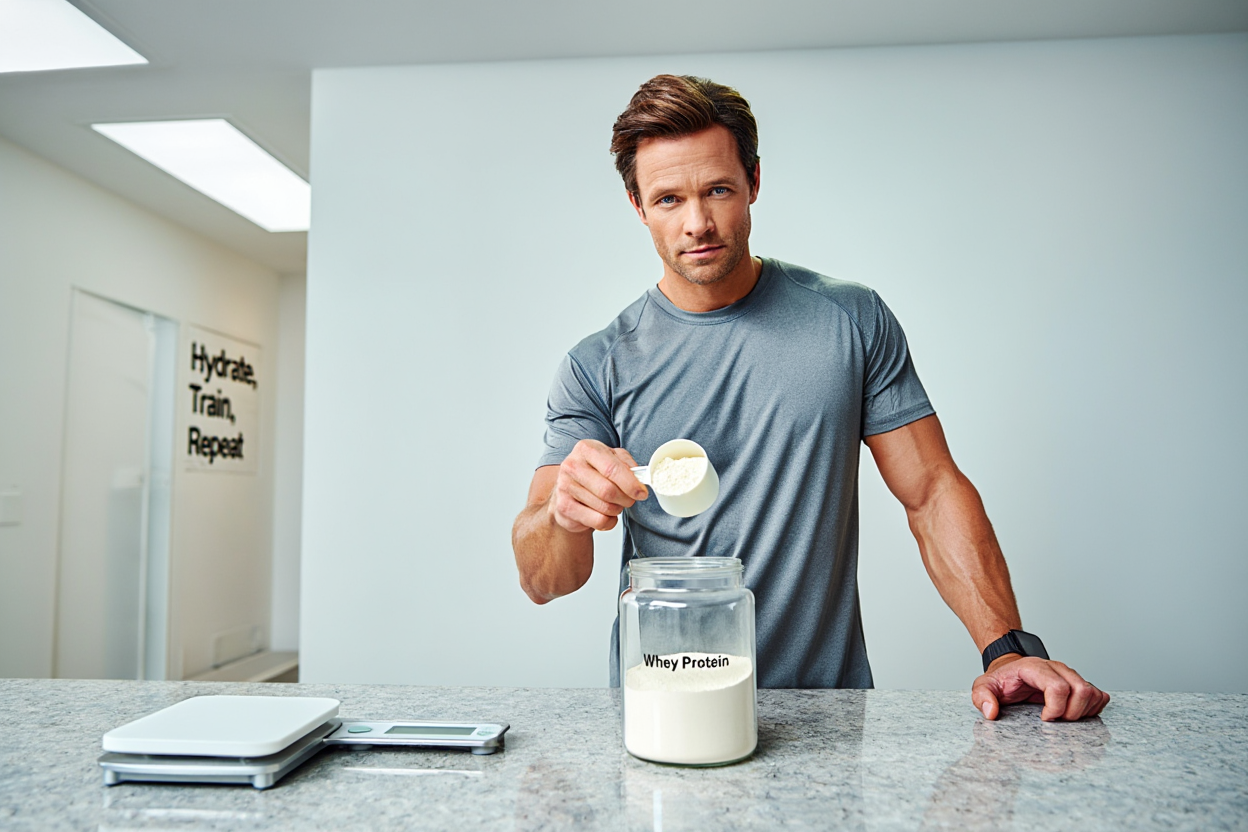
Daily protein intake targets for new exercisers
As you begin endurance or resistance training, a good goal is to consume between 1.2 and 1.6 grams of protein per kilogram of your body weight. Understanding precisely how much protein powder per day aids muscle growth can prevent you from over-relying on supplements.
- Calculate your baseline: Multiply your weight in kilograms by 1.2 to 1.6 to find your total daily protein target in grams.
- One scoop provides about 0.3 g/kg: A typical serving offers 20-30 grams of protein, aligning well with general guidelines.
- Increase for muscle gain: If your focus is on building muscle or you're engaged in very intense training, you can safely increase your intake to around 2 grams per kilogram.
- Track with apps: Using apps like MyFitnessPal or Cronometer is an excellent way to monitor your total protein intake from both food and supplements, helping you avoid going overboard.
If your diet already includes sufficient nutrition from whole food sources like meat, dairy, and eggs, you might only require a single shake per day. Always remember to balance your protein with healthy fats and carbohydrates to maintain energy levels and support your overall training and recovery.
Serving size and frequency recommendations
Figuring out how much protein powder daily is ideal for you involves tailoring serving sizes to your specific fitness objectives. A high-quality Protein blend for beginners that mixes whey and casein can provide both quick energy and sustained recovery support.
- Post-workout timing: Consume 20-30 grams within an hour after your workout to effectively stimulate muscle protein synthesis.
- Multiple servings: Begin with just one scoop daily and introduce a second only if your regular meals don't meet your total protein target.
- Bedtime support: A casein-based powder consumed about 30 minutes before sleep delivers a slow release of amino acids throughout the night.
If you experience any stomach discomfort, consider starting with half a scoop and gradually increasing the amount as your body adjusts. Pairing your shake with carbohydrates like oats or fruit can enhance absorption and help replenish your energy stores more effectively.
Practical Protein Powder Usage Tips for Beginners
Understanding how to properly mix, time, and store your supplements helps you get the most out of your investment. These straightforward, practical tips make it easy for anyone new to nutrition to smoothly incorporate protein powder into their daily habits.
Timing and Dosage Guidelines for Best Results
Consuming protein at strategic times can enhance muscle recovery and growth, especially for beginners. Using protein powder for beginners is also highly effective for weight loss when combined with mindful calorie tracking and regular training.
- Post-Workout Priority: Aim to drink your shake within 30–60 minutes after your training session, when muscle synthesis is at its peak.
- Extended Window: Don’t stress if you’re a bit late—your protein intake remains beneficial for up to 2–3 hours after exercise.
- Carbohydrate Pairing: Mix your powder with oats, fruit, or a sports drink to improve absorption and help restore glycogen levels.
For beginners, consistency is more important than perfect timing. Choose a schedule that fits your lifestyle—even if you miss the post-workout window, having protein later still supports recovery.
Pay attention to your energy and muscle soreness to gauge whether your current dosage is effective. Adjust as needed—increase if recovery feels slow, or reduce if you experience digestive discomfort.
How to Mix and Integrate Protein into Meals
Mixing your supplement properly prevents clumps and improves taste, while opening up options beyond basic shakes. A high-quality protein isolate is an excellent choice for those seeking minimal fats and carbs.
- Basic Shake: Mix 30g of powder with 200–250ml of water or milk in a shaker bottle for a smooth, lump-free drink.
- Smoothie Enhancement: Blend powder with yogurt, spinach, and frozen fruit for a nutrient-packed meal that supports your fitness goals.
- Oatmeal Addition: Stir powder into warm oatmeal to boost protein content and create a creamier breakfast.
- Baking Ingredient: Add powder to muffins, pancakes, or brownies for delicious, high-protein snacks.
Experiment with different methods to keep your nutrition enjoyable and sustainable. Flavored powders add variety, while unflavored protein isolate offers maximum versatility in recipes.
Storage and Hydration for Optimal Use
Proper storage preserves nutritional quality and prevents spoilage. Keep your container in a cool, dry place (15–25°C), away from moisture and direct sunlight.
Always seal the lid tightly after use to avoid clumping or bacterial growth. As you increase your protein intake, hydration becomes even more important—aim for 2–3 liters of water daily, especially if your powder contains creatine.
Frequently asked questions
What protein powder should beginners use?
If you're just starting out, a high-quality whey concentrate or whey isolate from a well-known, reputable brand is an excellent choice. Aim for a protein powder that offers about 20-25 grams of protein per serving and doesn't contain a lot of unnecessary fillers. Brands like Weider or BioTechUSA provide a solid mix of quality and affordability for those new to diet supplements.
It's crucial to pick a product that includes all nine essential amino acids and has a clear, straightforward ingredient list. While there are many whey protein powder options available, it's best to stick with companies that are known for their purity and transparent labeling.
Is protein powder good for beginners?
Yes, protein powder is definitely good for beginners! It's a convenient and effective way to boost your overall protein intake, which helps with muscle repair after a challenging training session and can ease soreness during recovery. This kind of supplement is much easier to fit into a hectic schedule than cooking several whole-food meals throughout the day.
Studies show that whey protein is particularly effective for gaining strength when combined with regular exercise. Keep in mind, though, that it should complement—not replace—a balanced diet full of whole foods like meat and eggs. For optimal results, use your protein powder alongside consistent workouts and sound nutrition practices.
How do I choose my first protein powder?
Start by defining your primary objective—like building muscle—and then select a type of protein that aligns with that goal. Look for a product that provides approximately 20-30 grams of protein per serving, with low amounts of carbohydrates and fats. Scrutinize the ingredient list to ensure it's simple and free from excessive additives or artificial sweeteners.
If you have specific dietary needs, such as avoiding lactose, you might prefer a whey isolate or a plant-based alternative. Don't forget to check user reviews for feedback on flavor and how well it mixes. It's also a good idea to purchase a small size first to see how your body reacts and to confirm you enjoy it.
Share this article: