Shopping Cart
How much protein do i need to build muscle: optimal daily intake guide


Building muscle requires understanding exactly how much protein your body needs each day. This comprehensive guide reveals your optimal daily protein intake to maximize muscle growth through strength training and resistance exercise. We'll show you how to calculate your personal protein requirements and implement practical strategies for consistent results.
How Much Protein Do You Need to Build Muscle?
The amount of protein you need for muscle building depends mainly on your body weight, how intense your training is, and your overall fitness goals. Research consistently shows that people who do strength training need significantly more protein than those who are sedentary to support muscle protein synthesis and recovery.

Recommended Daily Protein Intake Range for Muscle Growth
Most scientific studies recommend consuming between 1.6 and 2.2 grams of protein per kilogram of body weight per day for adults who strength train and want optimal muscle growth. This range maximizes muscle protein synthesis while avoiding excessive intake that offers little extra benefit. A practical and effective target for many is around 1.8 grams per kilogram, which balances muscle development with ease of digestion.
The lower end of this range, 1.6 grams per kilogram, is where significant muscle gains begin. Dropping below 1.2 grams per kilogram is consistently linked to slower muscle growth and reduced progress toward your fitness goals.
Studies show that while intakes above 1.3 grams per kilogram help maintain muscle mass, going below 1.0 gram increases the risk of muscle loss. This highlights the importance of sticking to protein intake guidelines for muscle retention. Although higher amounts don't dramatically improve strength, consuming at least 1.3 grams per kilogram is essential for protecting muscle tissue.
- Beginner lifters: Start with around 1.6 grams of protein per kilogram of body weight to build a solid foundation for muscle development.
- Advanced athletes: Aim for up to 2.2 grams per kilogram when aiming for maximum muscle growth or training during a calorie deficit.
- Elite competitors: Might benefit from intakes as high as 2.4 grams per kilogram during intense training cycles, though gains tend to plateau beyond 2.2 grams.
For someone weighing 70 kilograms, this means about 112 to 154 grams of protein per day. A 60-kilogram person would need roughly 96 to 132 grams, while an 80-kilogram athlete should target 128 to 176 grams daily.
Calculating Your Personal Protein Requirements by Body Weight
There are several ways to figure out how much protein you need to build muscle based on your individual stats. The most straightforward method is to multiply your body weight in kilograms by a number between 1.6 and 2.2. This gives you a quick baseline for your daily protein target. Using a protein to build muscle calculator can simplify this process, especially if you're tailoring your intake to specific goals.
For those with higher body fat percentages, basing your calculation on lean body mass instead of total weight helps avoid overconsumption. Another approach is to allocate 20–22% of your total daily calories to protein, which works well if you're already tracking all your macronutrients.
| Body Weight (kg) | Daily Protein (1.6 g/kg) | Daily Protein (1.8 g/kg) | Daily Protein (2.2 g/kg) |
| 60 kg | 96 g | 108 g | 132 g |
| 70 kg | 112 g | 126 g | 154 g |
| 80 kg | 128 g | 144 g | 176 g |
| 90 kg | 144 g | 162 g | 198 g |
Is 100g of Protein Enough to Keep Muscle?
One hundred grams of protein per day might be enough to maintain muscle for a sedentary person weighing between 60 and 65 kilograms. However, it’s generally not sufficient for active individuals who are focused on muscle growth. If you regularly do resistance exercise, you need significantly more protein to support muscle protein synthesis and adapt to your training.
For most adults who strength train, 100 grams of protein falls short relative to their body weight and training intensity. Meeting your individually calculated protein requirements is key to ensuring optimal recovery and making the best possible progress in building muscle through consistent exercise and proper nutrition.
Optimal protein distribution throughout your day
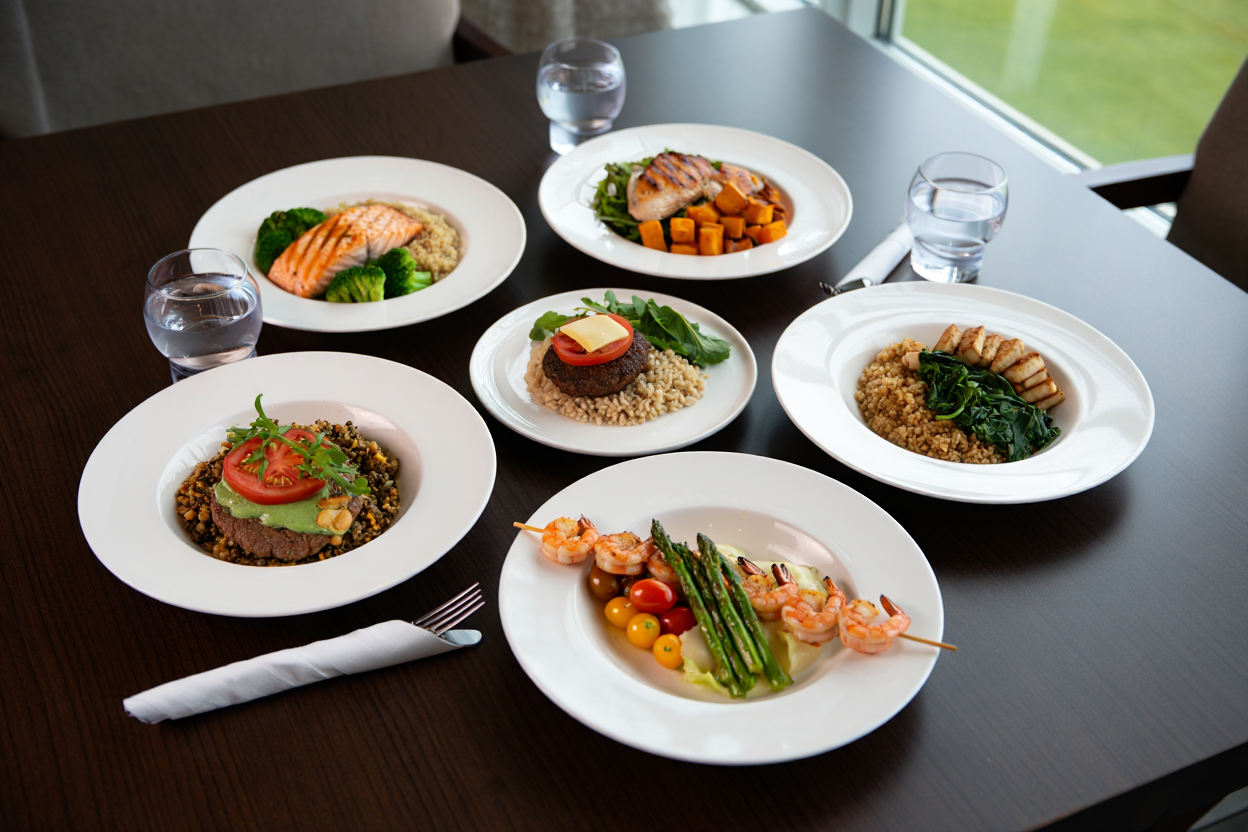
The frequency and timing of your protein consumption significantly impact how effectively your body builds and maintains muscle mass. By distributing your protein intake evenly across multiple meals, you maintain elevated amino acid levels throughout the day. This approach supports continuous muscle protein synthesis and enhances your body's overall recovery processes.
Timing your protein intake for maximum muscle growth
While your total daily protein intake remains the most important factor, strategic timing can further enhance muscle development. Understanding how much protein you need for muscle growth helps you design meal plans that keep your body in an anabolic state. This careful planning ensures you fully capitalize on the adaptations triggered by your training.
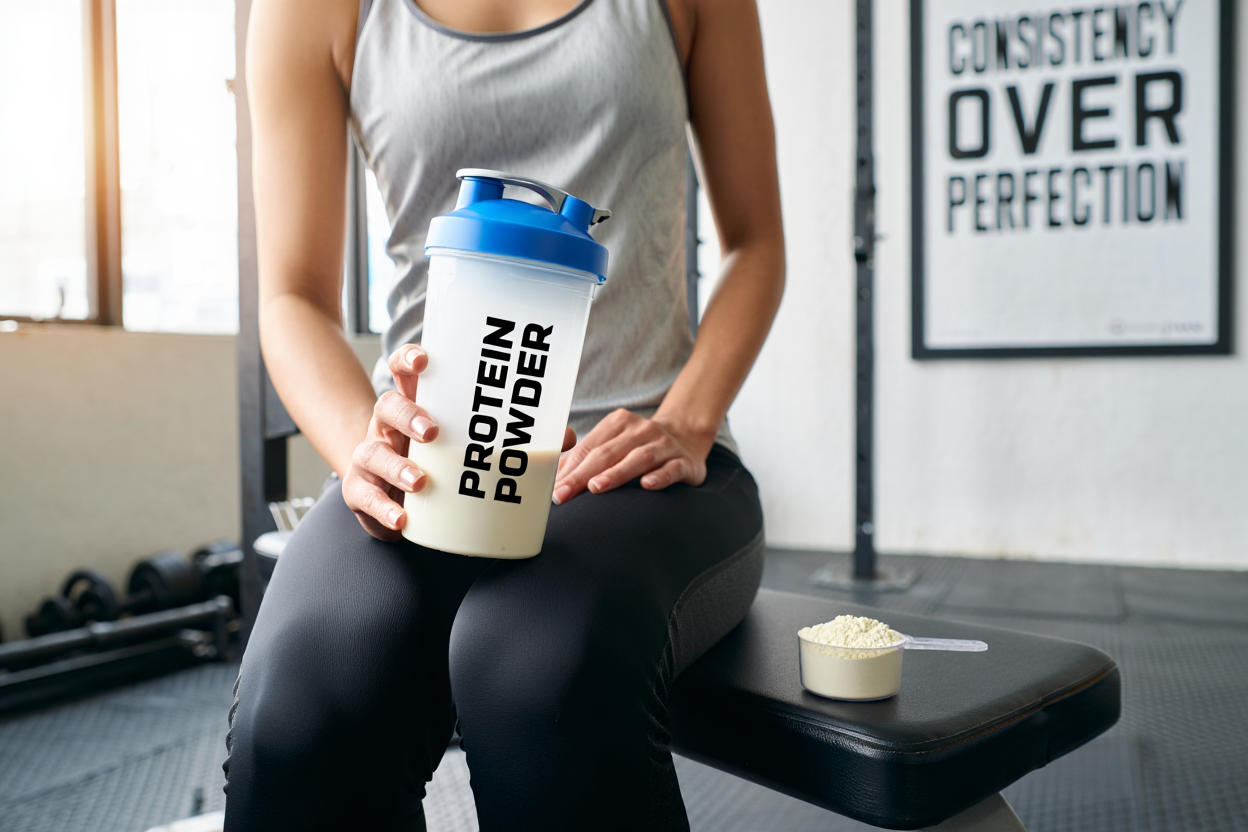
Protein powders are valuable supplements that deliver high-quality protein to support muscle growth, and consulting a protein powder guide can assist in selecting the right product. Consuming between 15 to 25 grams of protein within two hours after your workout generally promotes optimal recovery. For most individuals, approximately 20 grams of high-quality protein is sufficient to take advantage of the increased synthesis rates following exercise.
- Post-workout window: Consume 20 to 40 grams of high-quality protein within 30 to 60 minutes after training to maximize growth.
- Leucine threshold: Ensure each protein serving contains 2 to 3 grams of leucine to effectively trigger muscle protein synthesis.
- Overnight recovery: A small protein-rich snack before bed, such as Greek yogurt, supports muscle repair during sleep and helps prevent breakdown.
Eating protein-rich meals every 3 to 4 hours ensures a consistent supply of amino acids remains available to your muscles. This regular spacing helps you meet your total daily protein intake goals throughout your waking hours.
How many meals and how much protein per serving you need
Ideally, you should distribute your intake across 3 to 5 meals, with each containing 20 to 40 grams of protein. This strategy maintains elevated amino acid levels and maximizes muscle protein synthesis all day long. It also promotes stable energy levels and enhances recovery between your training sessions.
Based on sports nutrition research and NHS protein intake guidelines, consuming approximately 0.4 to 0.55 grams per kilogram of body weight per meal is optimal. For a person weighing 70 kilograms, this means targeting 28 to 39 grams per meal. A practical target for most people is simply aiming for 30 to 35 grams of protein during each main meal.
Amino acids are the fundamental building blocks of protein, with eight essential amino acids (plus histidine during growth) that must come from your diet, as your body cannot produce them in sufficient amounts. For athletes focused on building muscle, branched-chain amino acids (BCAAs) and complete essential amino acid (EAA) blends are particularly valuable for supporting protein synthesis, enhancing recovery, and boosting performance. Using high-quality supplements like powders or liquids can help you consistently meet the elevated requirements necessary to effectively build and maintain lean muscle mass.
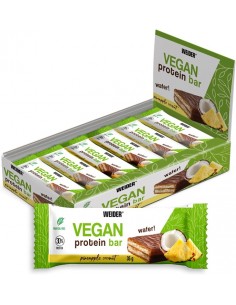
Recommended products

Adjusting Protein Needs for Your Specific Goals
Your daily protein requirements are not fixed; they change depending on your training phase, body composition goals, age, and overall workout intensity. By customizing your intake to match these specific factors, you ensure your body gets the right amount of essential amino acids to support your unique fitness journey.
Protein Requirements During Cutting and Calorie Restriction
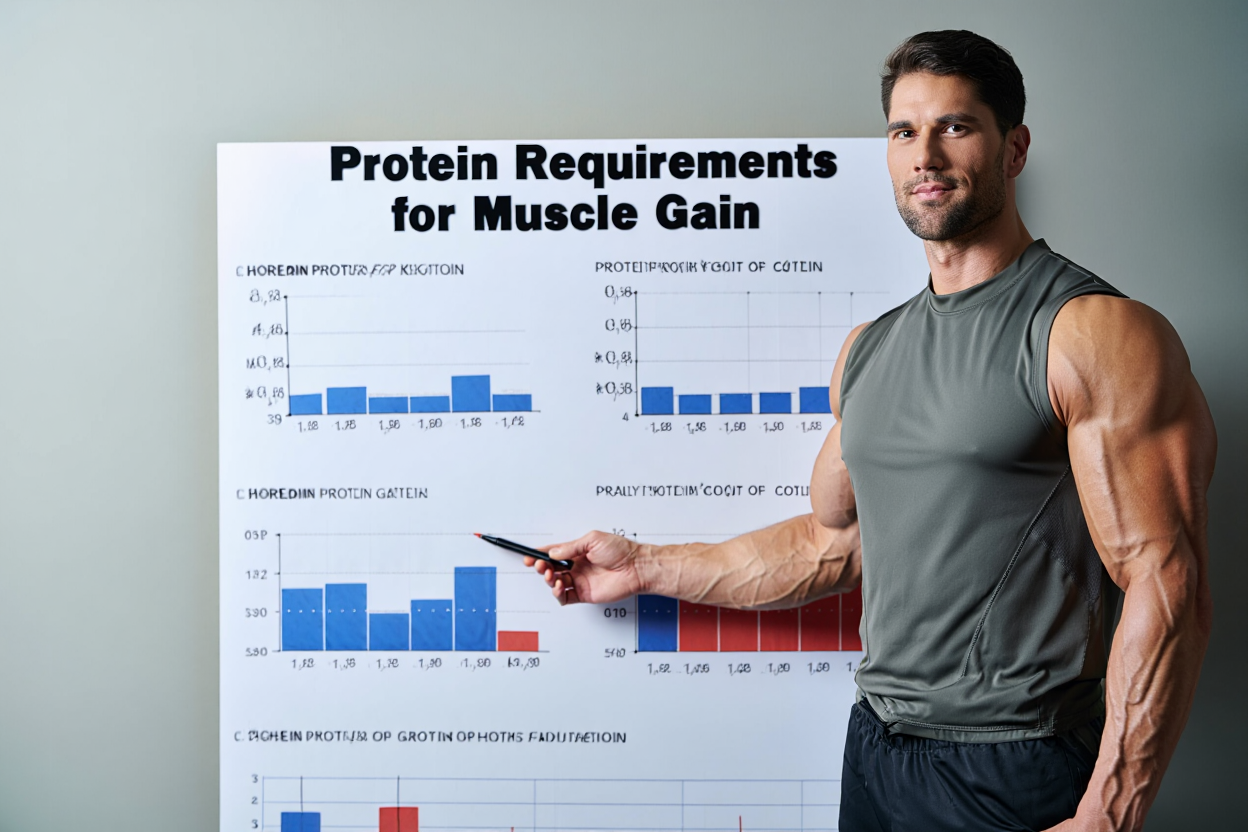
When you are in a fat-loss phase, it is wise to increase your protein intake toward the higher end of recommended ranges. This helps protect your hard-earned lean muscle tissue while you are in a calorie deficit. A how much protein to build muscle calculator tailored for cutting phases will typically recommend consuming between 1.6 and 2.4 grams per kilogram of body weight each day.
- Preservation priority: To reduce body fat while minimizing muscle loss, aim for a higher protein amount—typically between 2.0 and 2.4 g/kg of body weight.
- Metabolic support: Increasing your dietary protein intake boosts the thermic effect of food, meaning your body burns more calories just to digest and process the nutrients.
- Satiety benefits: Eating enough protein helps you feel fuller longer, which can make it easier to manage hunger during calorie-restricted periods.
- Recovery maintenance: A higher intake supports recovery, especially when your body is under stress from training and lacking an energy surplus.
Research examining 47 clinical trials found that consuming more than 1.3 grams of protein per kilogram of body weight daily significantly helps preserve—and sometimes even increase—muscle mass during weight loss. This effect was especially strong in adults with higher body fat percentages who followed a calorie-restricted diet.
Age, Training Volume, and Individual Factors Affecting Protein Needs
Adults over 50 often benefit from aiming for the upper end of protein recommendations—around 1.7 grams per kilogram daily—to combat age-related muscle loss (sarcopenia) and maintain functional muscle mass. This elevated intake is important for preserving strength and mobility since the aging body becomes less efficient at using dietary protein to build new muscle.
- Endurance athletes: Those focused on aerobic training generally need between 1.2 and 1.5 grams per kilogram for recovery and overall health.
- High-volume trainers: Individuals engaging in frequent, intense sessions or trying to build muscle in a calorie surplus may need up to 2.2 grams per kilogram for optimal results.
- Beginners: It is best to start around 1.6 grams per kilogram and adjust based on your training intensity and recovery response.
- Advanced lifters: Experienced athletes in a calorie deficit might benefit from intakes as high as 2.4 grams per kilogram, though gains taper off beyond 2.2 grams.
A 2018 meta-analysis on resistance training confirmed that 1.6 grams per kilogram of body weight per day is sufficient to maximize lean mass gains, with an upper threshold around 2.2 grams per kilogram. Using a protein to build muscle calculator often reveals that intakes beyond this range produce only modest additional gains—typically around 0.3 to 0.5 kilograms over several months compared to more moderate amounts.
Best Protein Sources and Practical Implementation Strategies
Hitting your daily protein target isn't just about eating more; it's about choosing high-quality sources and creating effective meal habits. By balancing nutritious whole foods with strategic supplementation, you can build a sustainable eating routine that reliably supports your muscle-building goals.
High-Quality Protein Sources for Muscle Building Success
Animal-based proteins are particularly effective because they deliver complete amino acid profiles, which are crucial for muscle development and recovery. Following proper protein intake guidelines means prioritizing foods like chicken breast (offering 33 grams per 100 grams), lean beef (36 grams), and eggs, which contain all nine essential amino acids.
- Whey Protein: Delivers 80-90 grams per 100 grams with a complete BCAA profile and rapid absorption, making it ideal for post-workout recovery.
- Plant-Based Protein: Soy isolate stands out as a strong option with 88 grams per 100 grams, though combining various plant sources can help optimize your amino acid intake.
- Whole Food Sources: Options like Greek yogurt, cottage cheese, fish, and legumes provide valuable grams of protein alongside essential micronutrients that support overall health and training performance.
- Protein Powder Convenience: Supplements simplify meeting daily targets, especially around workouts when preparing a full meal isn't practical.
Combining different protein sources throughout your day ensures you receive a diverse range of amino acids and nutrients. This variety not only supports better health but also makes reaching your nutrition goals more enjoyable and sustainable.
Using Protein Supplements to Meet Your Daily Targets
Protein supplements offer a convenient and cost-effective way to meet your intake requirements when whole foods alone fall short. When considering how much protein a 70 kg person needs to build muscle—typically 112 to 154 grams daily—it's easy to see how supplements help fill nutritional gaps in a busy schedule.
For example, OstroVit 100% Whey Protein provides 21 grams of high-quality protein per 30-gram serving, packed with the BCAAs and EAAs necessary for muscle protein synthesis. Two servings deliver 42 grams, covering approximately 30% of a 140-gram daily goal, while three servings provide 63 grams, or about 42% of a 150-gram target. A whey protein supplement mixed with 200ml of fat-free milk creates a quick, low-fat nutritional boost that's particularly valuable after training.
Is 200g of Protein Too Much for Muscle Growth?
Consuming 200 grams of protein daily exceeds the requirements for most individuals under 90kg and may cause digestive discomfort. While generally not harmful for healthy adults, exceeding 2.2 grams per kilogram of body weight provides no additional benefits for muscle building and essentially wastes resources.
Rather than building more muscle tissue, the body typically oxidizes excess dietary protein for energy or stores it as fat. Research shows that while intakes above 2.8 grams per kilogram appear safe short-term, they offer no clear muscle growth advantages for well-nourished adults following normal training routines.
Most guidelines recommend staying within 2.2 grams per kilogram for optimal results, with many experts suggesting a limit on supplemental intake. The key is consistently meeting your calculated daily protein target rather than pursuing an unnecessarily high amount.
Frequently Asked Questions
Most fitness experts and studies suggest that adults engaging in regular strength training need between 1.6 and 2.2 grams of protein per kilogram of body weight. This daily protein intake is vital for maximizing muscle protein synthesis and effectively supporting your efforts to build muscle. Targeting around 1.8 grams per kilogram offers a practical and effective middle ground for promoting muscle growth without overcomplicating your diet.
For a person weighing 70 kg, this means consuming roughly 112 to 154 grams of protein each day. To best support recovery, it's ideal to spread this total amount across multiple meals, with each containing 20 to 40 grams of protein. Consistently meeting this daily requirement through whole foods and supplements like whey protein is key to getting the most out of your training.
For a 70 kg individual looking to gain muscle, the general recommendation is a daily intake of 112 to 154 grams of protein. This range aligns with the evidence-based guideline of 1.6 to 2.2 grams per kilogram of body weight, which is optimal for muscle growth. A great starting target is about 126 grams per day, equivalent to 1.8 grams per kilogram, as it suits most people engaged in resistance exercise.
You can achieve this amount by including high-protein foods like chicken breast, Greek yogurt, eggs, and a daily scoop of whey protein. When combined with consistent strength training, this level of protein intake supports efficient recovery and leads to noticeable muscle gain. With the right approach, many people begin to see measurable progress within a few weeks.
While 100 grams of protein might be sufficient for a sedentary person to maintain muscle mass, it is typically not enough for someone who is active and training. If you regularly perform strength exercises, your body requires a higher protein intake relative to your weight to properly support repair and growth. The recommended range for muscle building is specifically 1.6 to 2.2 grams per kilogram.
For a 70 kg athlete, 100 grams of protein falls about 13% below the minimum recommended intake. Not meeting your specific protein requirements can slow down recovery after workouts and limit your potential for muscle growth. To ensure long-term success and continuous progress, it's important to tailor your intake to your individual needs and training demands.
Share this article: