
Shopping Cart
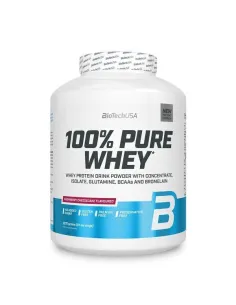
- -€11.10
Whey protein comes from milk whey and is one of the most widely used protein sources in sports nutrition. Explore whey concentrate, isolate, hydrolysed whey and blends, comparing protein percentage, carbohydrates, fats, ingredients, flavours and formats according to your needs.
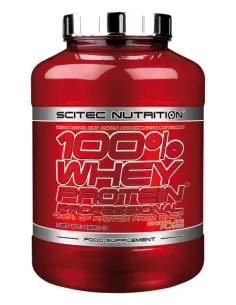
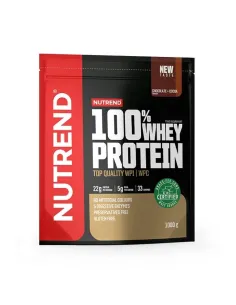
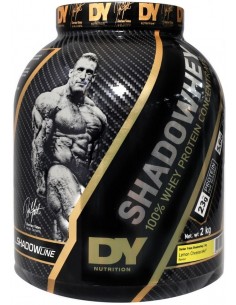
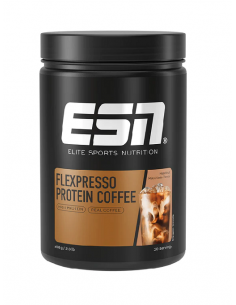

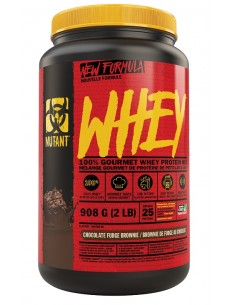

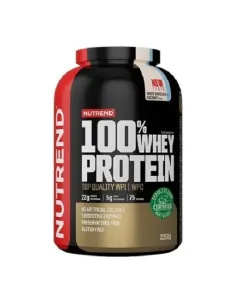
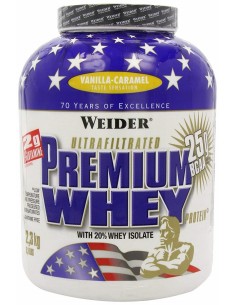
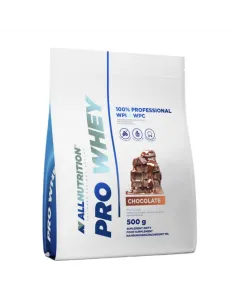

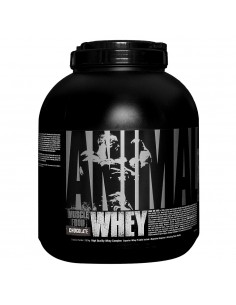
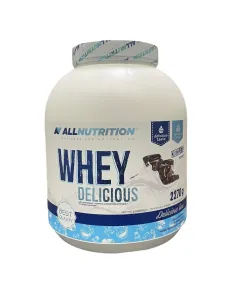
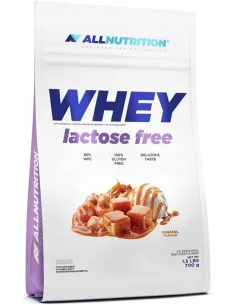
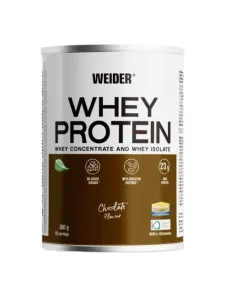
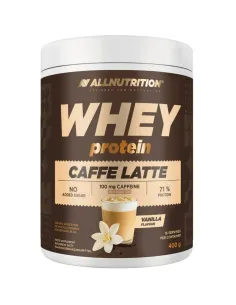
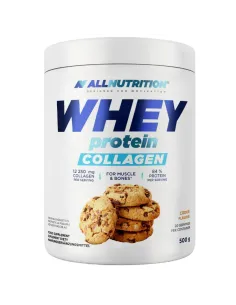
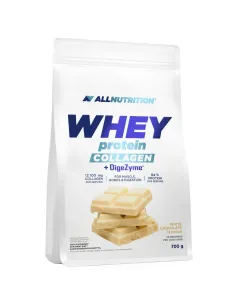
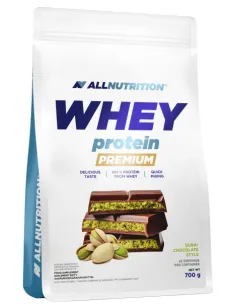
Whey protein is one of the most widely used sources of protein powder in sports nutrition. It is derived from milk whey and processed using different filtration methods to produce formulas with varying concentrations of protein, carbohydrates, fat and lactose.
Whey protein powder provides a convenient way to supplement daily protein intake. Protein contributes to the growth and maintenance of muscle mass and can be included in the diet according to individual nutritional requirements and physical activity.
Not all whey protein powders have the same nutritional characteristics. The main types include:
The choice between whey concentrate, isolate and hydrolyzed whey should take into account the nutritional composition of the individual product, dietary preferences, individual tolerance and budget.
When comparing whey protein powders, check the amount of protein per serving, protein percentage, ingredients, carbohydrate, sugar and fat content and, where relevant, the amount of lactose.
Pack size, number of servings, flavour and cost per serving are also useful factors to consider. Whey concentrate can be a versatile option for everyday protein supplementation, while whey protein isolate may be preferred by people looking for a higher protein concentration and generally lower amounts of fat and lactose.
If you want a more detailed comparison before choosing a product, read our beginner's guide to choosing whey protein powder.
Protein contributes to the growth and maintenance of muscle mass. For physically active people, total daily protein intake remains an important consideration alongside the particular type of protein supplement chosen.
Whey protein powder can be consumed after training or at other times of the day when a convenient additional source of dietary protein is useful.
Body Nutrition has been selling supplements online since 2001. In this category you can compare whey protein powders from international brands, available in different formulations, flavours, pack sizes and price ranges, including whey concentrates, isolates and hydrolyzed formulas.
For more practical information about protein types, timing and everyday use, explore the Protein Powders guides in the Body Nutrition Magazine.
Selected guides to help you make the right choice.
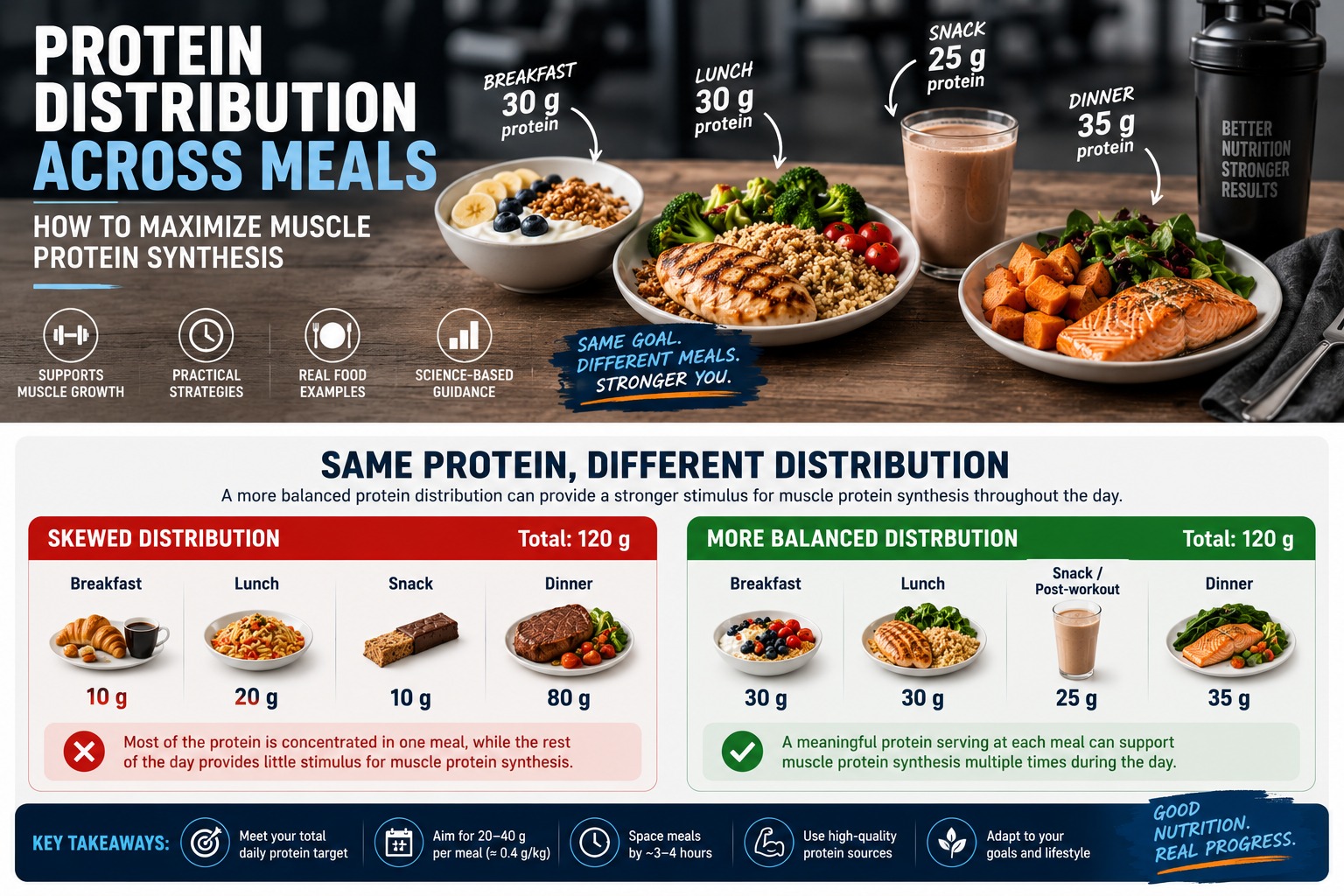 Protein distribution across meals: how to maximize muscle protein synthesis
Learn how to distribute protein across meals to support muscle protein synthesis, including protein per meal, timing and practical…
Read the guide
Protein distribution across meals: how to maximize muscle protein synthesis
Learn how to distribute protein across meals to support muscle protein synthesis, including protein per meal, timing and practical…
Read the guide
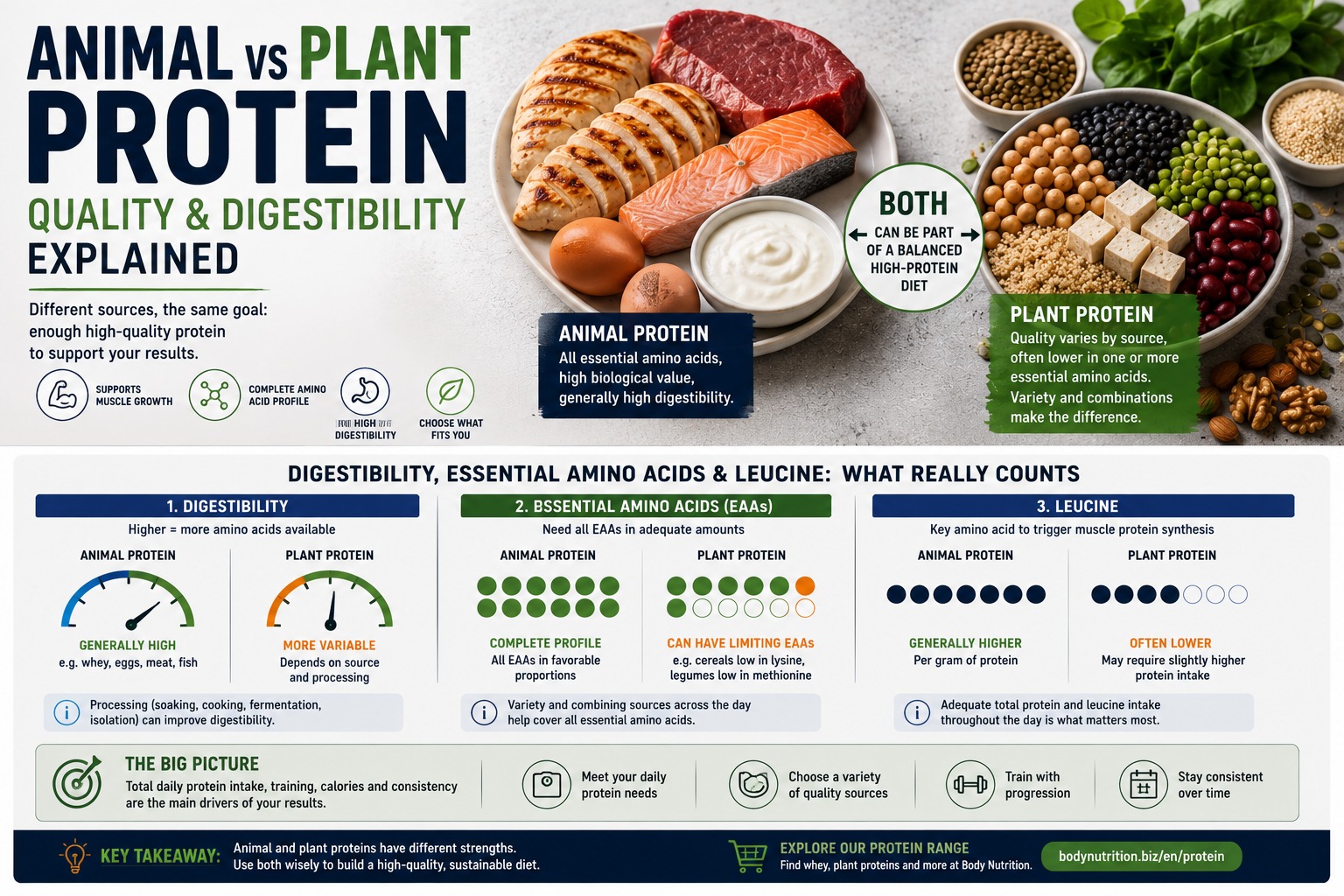 Protein quality and digestibility: animal vs plant sources explained
Animal or plant protein? Learn how digestibility, essential amino acids and leucine affect protein quality and muscle growth.
Read the guide
Protein quality and digestibility: animal vs plant sources explained
Animal or plant protein? Learn how digestibility, essential amino acids and leucine affect protein quality and muscle growth.
Read the guide
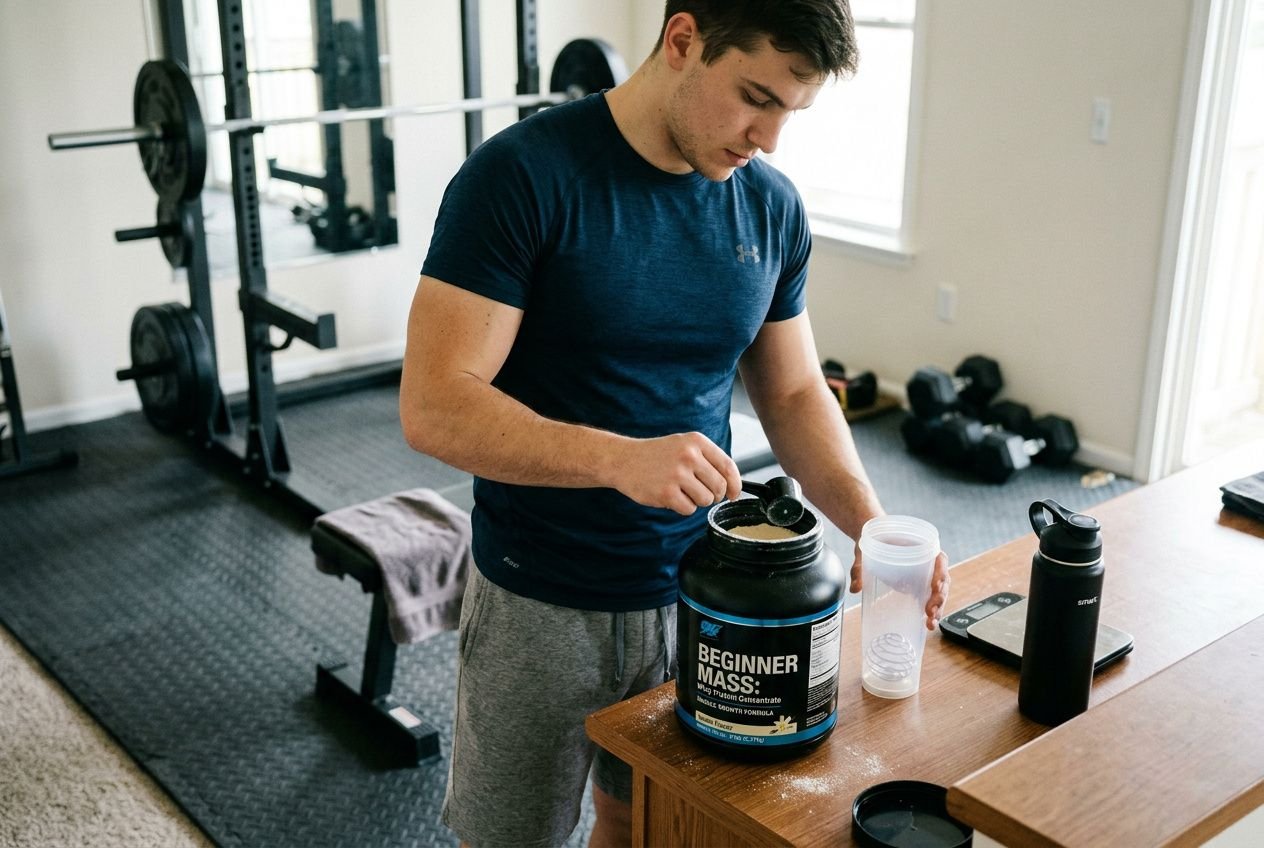 Protein powder for muscle gain: beginner's guide uk
New to protein powder? Discover how whey protein, vegan powder & mass gainers support muscle growth. Compare the best whey protein…
Read the guide
Protein powder for muscle gain: beginner's guide uk
New to protein powder? Discover how whey protein, vegan powder & mass gainers support muscle growth. Compare the best whey protein…
Read the guide