Shopping Cart
Does whey protein help build muscle mass with training?


This guide explores whether whey protein genuinely helps build muscle by explaining the science behind muscle protein synthesis. You'll learn how strategic whey protein powder intake, especially when paired with resistance exercise, can boost muscle mass and strength gains. We also break down the different types of whey protein available and share effective supplementation tips that integrate smoothly into a balanced diet.
Does protein powder work to build muscle mass?
Whey protein supplementation enhances muscle growth—but only when it supports consistent resistance training and sufficient daily protein intake. Does protein powder work to build muscle without exercise? Definitely not; mechanical stimulation from training remains the essential catalyst. However, when combined with a progressive training regimen, whey serves as an efficient supplement that speeds up increases in muscle mass and strength beyond what exercise alone can deliver.
How whey protein triggers muscle growth after training
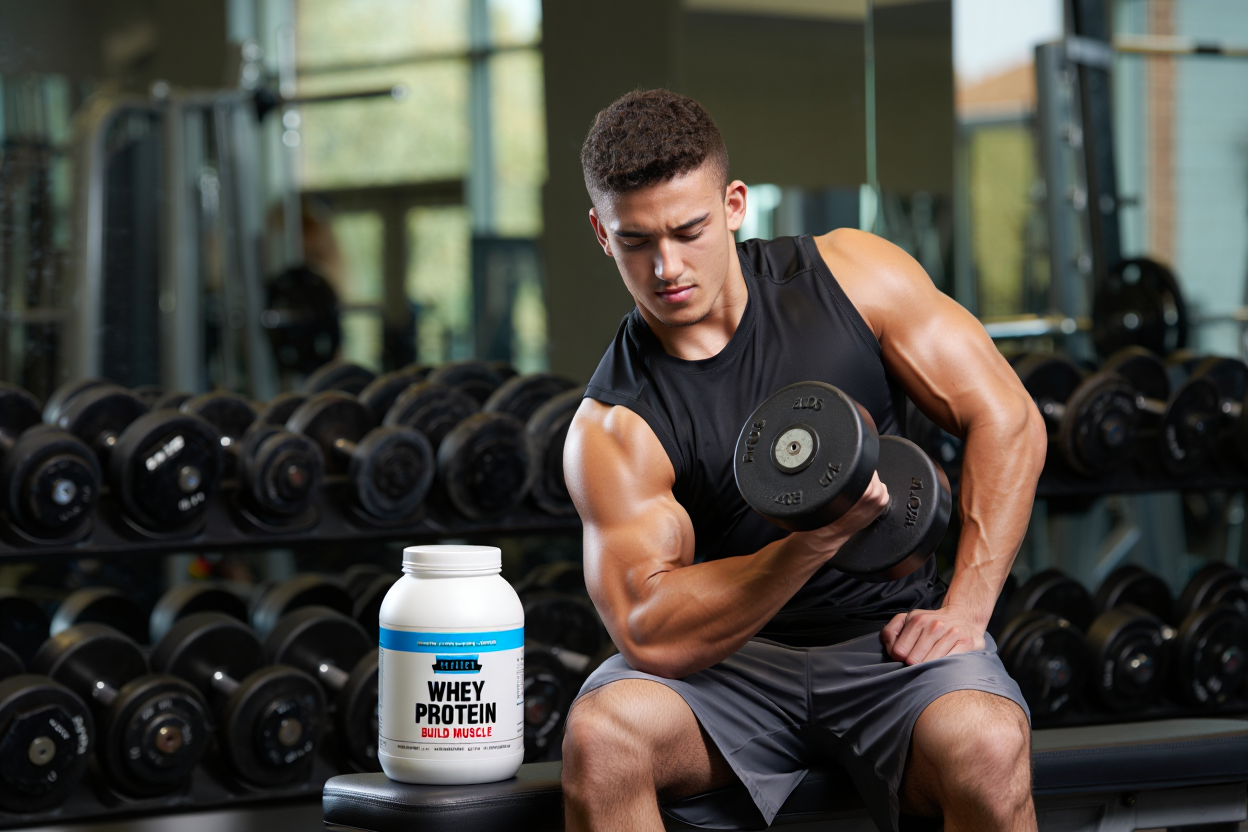
Whey protein provides all nine essential amino acids, quickly stimulating new muscle protein synthesis after intense exercise. A 20–30 g serving delivers around 2–3 g of leucine, which directly activates the mTOR pathway and initiates muscle repair and growth. Drinking whey protein powder within 30–60 minutes post-workout floods your muscles with amino acids right when they're most ready to recover and grow.
- Rapid amino-acid delivery: Whey reaches peak bloodstream levels in under an hour, aligning perfectly with the body’s post-workout nutrient absorption window.
- Complete BCAA profile: It supplies all the branched-chain amino acids needed for effective muscle protein synthesis.
- Insulin response: Whey stimulates insulin release, creating an anabolic environment that further improves amino-acid uptake by muscle cells.
Research consistently demonstrates that taking 20–30 g of whey protein right after training leads to measurable gains in muscle mass and strength within 8–12 weeks. Without the exercise stimulus, however, the same amount simply adds calories and general amino acids without specifically promoting muscle building.
Why leucine content makes whey superior for synthesis
Whey protein has the highest leucine concentration of any common dietary protein, making it especially effective at triggering muscle growth. A typical 25 g scoop provides about 2.5 g of leucine—ideal for maximizing mTOR activation and subsequent muscle protein synthesis. This high leucine content allows athletes to build muscle efficiently while keeping overall calorie intake in check.
A 20 g serving of whey reliably delivers the 2–3 g leucine threshold needed for optimal signaling, while larger servings mostly contribute extra calories without added benefits. As a result, whey is a cost-effective supplement for anyone aiming to increase lean muscle mass and strength without unnecessary calorie surplus.
- mTOR pathway activation: Leucine boosts muscle synthesis rates by about 50% above baseline after resistance training.
- Outperforms other proteins: Short-term studies show 49–56% higher myofibrillar synthesis compared to equal amounts of casein or soy protein.
- Efficient dosing: Twenty grams provides near-maximal anabolic signaling; doubling the dose rarely improves the response.
Whey also contains cysteine, which increases glutathione levels and helps reduce oxidative stress from intense training. Less muscle soreness means you can train more frequently, increasing total exercise volume and accelerating long-term muscle building.
Research evidence: whey's impact on lean mass gains
A 2014 meta-analysis of 14 randomized controlled trials confirmed that whey protein supplementation significantly increases lean muscle mass and strength when combined with regular resistance exercise. Participants who consumed 20–30 g of whey post-workout gained 1–3 kg more muscle over 8–12 weeks compared to those who only trained, offering strong evidence of its effectiveness.
Some protocols that provided whey both before and after workouts—totaling around 40 g—reported even larger improvements in arm size and overall muscle mass and strength. Repeated findings across various studies emphasize that consistent whey protein intake, adequate total daily protein consumption, and disciplined training together produce reliable, evidence-based results.
For context: Whey protein is a fast-digesting, complete source of all nine essential amino acids, notable for its high leucine content (2–3 g per serving) that activates the mTOR pathway to stimulate muscle protein synthesis. When taken in the optimal dose of 20–30 g within 30–60 minutes after resistance training, it quickly elevates plasma amino acid levels, speeds up recovery, reduces soreness, and supports more frequent and intense workouts. This guide also outlines the differences between concentrate, isolate, and hydrolyzed whey, noting that isolate offers higher purity and less lactose for sensitive users, while hydrolysate allows for ultra-fast absorption. Research confirms that whey supplementation significantly improves strength and lean-mass gains—but only when used alongside a consistent resistance-training routine and a total daily protein intake of 1.6–2.2 g per kilogram of body weight. whey protein muscle
Is protein powder necessary for muscle growth?
While not strictly essential for building muscle, whey protein can be an incredibly useful tool. You can absolutely meet your total daily protein requirements through whole-food sources like chicken, fish, eggs, and dairy, all of which effectively stimulate muscle protein synthesis. However, the convenience, fast absorption, and precise portion control of protein powder make it a reliable solution for maintaining a consistent intake, especially for those with hectic schedules or high protein targets. Ultimately, whether a supplement is necessary depends on how well your current diet supports your strength training goals.
The following guide outlines evidence-based recommendations for your total daily protein requirements and highlights where supplements can be beneficial. For a more detailed breakdown, check out this concise protein intake guide.
Daily protein requirements for building muscle mass
For adults engaged in resistance training, the ideal daily intake to maximize muscle protein synthesis and promote muscle growth falls between 1.6 and 2.2 grams of protein per kilogram of body weight. The question of " is protein powder necessary for muscle growth" at this level only applies if you struggle to get enough from food. For example, a 70 kg (154 lb) athlete needs 112–154 grams daily—an amount achievable through whole foods—though many still opt for one or two whey protein shakes (20–50 g total) for sheer convenience and to ensure they hit their goal.
- Baseline requirement: 1.6 g/kg is a great starting point for beginners entering a muscle building phase.
- Optimal target: 1.8–2.0 g/kg is the sweet spot for most strength athletes aiming for steady gains in muscle mass.
- Advanced athletes: Up to 2.2 g/kg can benefit competitive bodybuilders, whether they are in a calorie surplus or deficit.
- Upper ceiling: Consuming more than 2.2 g/kg does not lead to additional muscle growth; the excess is simply used for energy or stored as fat.
To keep amino acid levels elevated and optimize muscle protein synthesis, spread your daily protein across three to five meals, aiming for 0.3–0.4 g/kg per meal. This even distribution prevents your body from being overwhelmed by a large single dose, which can lead to wasted amino acids.
| Body weight (kg) | Daily protein target (g) | Meals per day | Protein per meal (g) |
| 60 | 96–132 | 4 | 24–33 |
| 70 | 112–154 | 4 | 28–39 |
| 80 | 128–176 | 4 | 32–44 |
| 90 | 144–198 | 5 | 29–40 |
Whey versus whole-food protein sources for gains
When cutting calories, aiming for the higher end of the protein range (around 2.0–2.4 g/kg) is crucial to protect your hard-earned lean muscle mass while losing fat. Hitting these higher totals can be challenging with solid food alone due to the sheer volume of eating required. This is where whey protein shines—its fast digestion and low calorie density make it easier to meet your total daily protein requirements comfortably.
Whole-food proteins offer a broad spectrum of nutrients—like B vitamins from chicken, omega-3s from fish, and choline from eggs—that support overall health. Whey protein, on the other hand, offers speed and an ideal post-workout amino acid profile. The best strategy is to combine a variety of whole foods with a measured protein powder shake. This hybrid approach ensures a nutrient-rich diet that consistently fuels muscle building, recovery, and long-term strength progress.
How much protein powder per day to gain muscle?
For those who engage in resistance training, incorporating one to two servings of whey protein powder daily is typically beneficial. This adds up to approximately 20–50 grams, which can supply 40–50% of your total daily protein needs for effective muscle growth. A single 25-gram shake after your exercise provides about 2–3 grams of leucine—enough to trigger the maximum rate of muscle protein synthesis. So, the ideal daily amount of protein powder really depends on your total protein requirements, how often you train, and whether you're in a bulking, cutting, or maintenance phase.
Optimal whey protein serving size for synthesis
A serving of 20–30 grams of whey protein—roughly 0.25–0.3 grams per kilogram of body weight—is highly effective at stimulating muscle protein synthesis after a strength workout. This amount delivers the necessary 2–3 grams of leucine to activate the mTOR pathway, a key driver for muscle building. Studies indicate that 20 grams provokes a full response, while 40 grams mainly provides extra amino acids without boosting the muscle-building signal further, highlighting the most efficient optimal whey dosage.
- Minimal effective dose: Twenty grams of whey protein provides enough leucine to maximize muscle protein synthesis post- exercise.
- Efficiency threshold: Aim for at least 2–3 grams of leucine per serving—a level most whey protein products meet.
- Daily contribution: Two 25-gram servings (50 grams total) supply about 40% of the daily protein target (1.8 g/kg) for a 70 kg athlete.
While having more than one serving in a single session won't boost immediate muscle gain, spreading your intake across the day helps you hit your overall protein goals. For example, a 70 kg athlete aiming for 126 grams of protein daily might have one shake after working out and another with breakfast, ensuring a steady supply of amino acids to support ongoing recovery and growth.
Daily whey intake recommendations for different goals
Your ideal whey protein intake depends heavily on your training phase and objectives. When bulking, a single 20–30 gram serving after your workout offers convenient nutrition without worrying about extra calories. During a cut, when muscle preservation is key, 1.5–2 servings daily (30–50 grams) can help you reach higher protein targets (2.0–2.4 g/kg) while keeping meal sizes manageable within your diet.
Recreational lifters who work out three times a week often find one 25-gram post- exercise shake sufficient for muscle building. Meanwhile, competitive athletes training five or six days a week may prefer two servings—one after strength training and another after conditioning—to maintain a consistent flow of amino acids, improve recovery, and support continuous muscle growth. Remember: Use protein powder to supplement your whole-food diet, not replace it.
Split dosing strategies for maximum muscle response
Split dosing—taking two smaller servings of about 15 grams each before and after your workout—helps keep blood amino acid levels high throughout your session and into the early recovery phase. This approach is especially useful for athletes who train twice daily or have sessions lasting longer than 90 minutes, as it promotes muscle protein synthesis for four to five hours post- exercise.
Research comparing dosing methods shows that splitting 40 grams total into pre- and post-workout servings leads to better strength gains and larger increases in arm circumference compared to a single large dose afterward. Having 15–20 grams 30 minutes before training primes your muscles with amino acids, and a 20–30 gram shake right after finishing maximizes the synthesis response.
While one serving per day is enough for many recreational lifters, advanced athletes might distribute their whey protein across several meals to hit daily targets up to 2.2 g/kg. Spreading out 0.3–0.4 grams of protein per kilogram per meal helps avoid wasting amino acids and keeps muscle protein synthesis active throughout the day, enhancing muscle building, recovery, and long-term muscle gain.
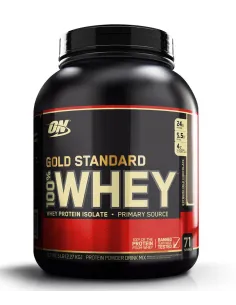
Recommended products
When to drink protein shake for muscle gain?
To maximize muscle gain, consume 20–30 grams of whey protein within 30–60 minutes after completing resistance exercise. This timeframe—often referred to as the post-exercise anabolic window—is when muscles absorb amino acids most efficiently and maintain elevated muscle protein synthesis for up to 48 hours. While timing is important, research consistently shows that distributing your total daily protein intake evenly across meals has a greater long-term impact on muscle gain than timing alone.
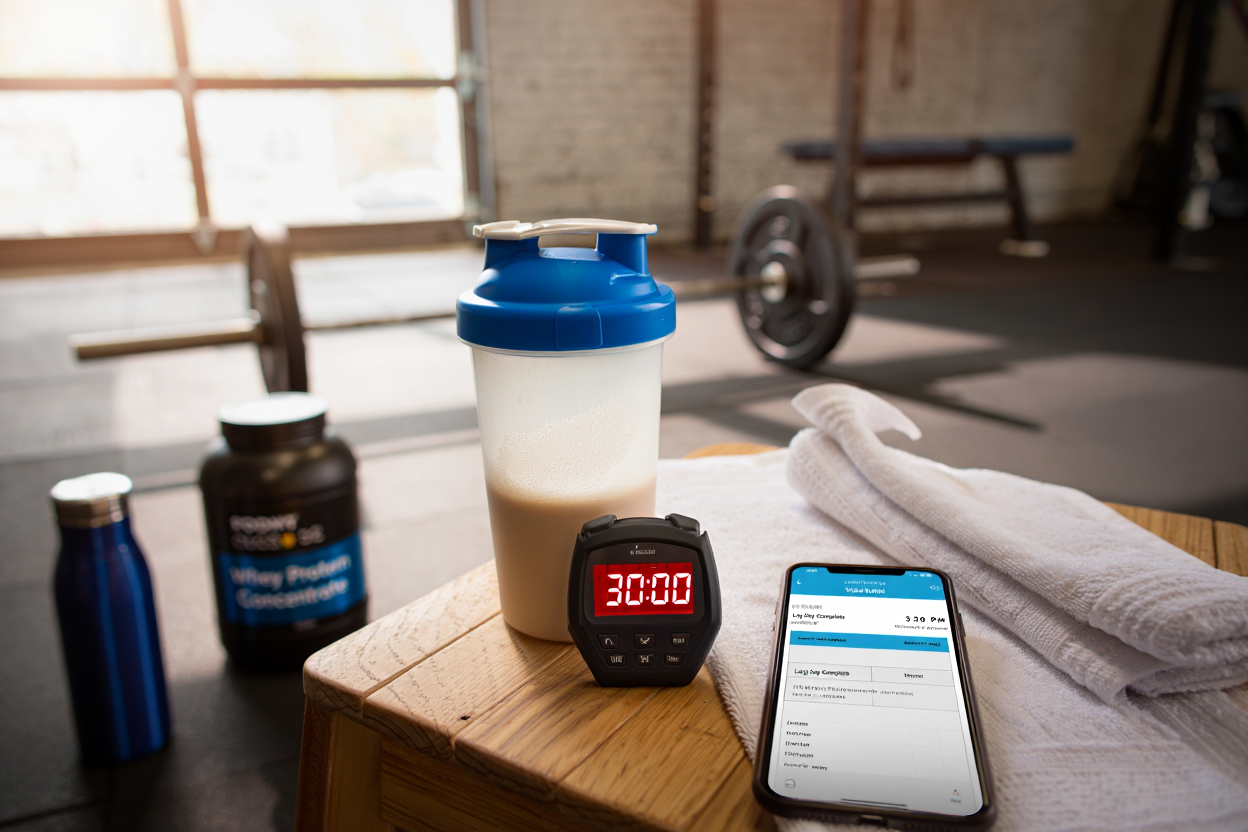
Post-workout timing: the anabolic window explained
Studies indicate that there is a one-to-two-hour period surrounding your training session when protein intake helps maintain a positive net protein balance and minimize muscle breakdown. Drinking a protein shake 30–60 minutes post-workout aligns with peak muscle sensitivity to amino acids. Fast-digesting whey protein enters the bloodstream quickly during this window, whereas whole-food protein may take two to three hours to digest. This gives consuming whey protein a clear speed advantage when timing matters most.
Even a slight delay beyond 60 minutes can reduce the benefit of precise timing, though total daily protein intake remains the main factor influencing strength and muscle growth. For athletes who train early in the morning after an overnight fast, drinking whey protein immediately after exercise is particularly beneficial. It quickly halts muscle breakdown and initiates repair. In these cases, a serving taken 15–20 minutes post-exercise can still produce a strong increase in muscle protein synthesis.
Pre-workout versus post-workout whey protein benefits
Taking 20–30 grams of whey protein 30–60 minutes before your workout provides muscles with circulating amino acids that may improve strength performance and reduce muscle damage. The post-workout dose, however, remains crucial because it leverages the anabolic window to maximize muscle protein synthesis. Some research suggests that combining both servings—totaling around 40 grams—leads to greater hypertrophy than a single dose.
Pre-workout whey protein ensures amino acid availability during exercise, while the post-workout serving takes advantage of increased blood flow and nutrient uptake during recovery. Splitting your protein intake in this manner sustains amino acid levels from warm-up through the early recovery phase, improving training adaptations. A practical strategy is to have 15–20 grams of whey protein with fast-digesting carbohydrates before your workout, followed by 25–30 grams of whey protein immediately afterward.
Combining whey with carbs for enhanced recovery
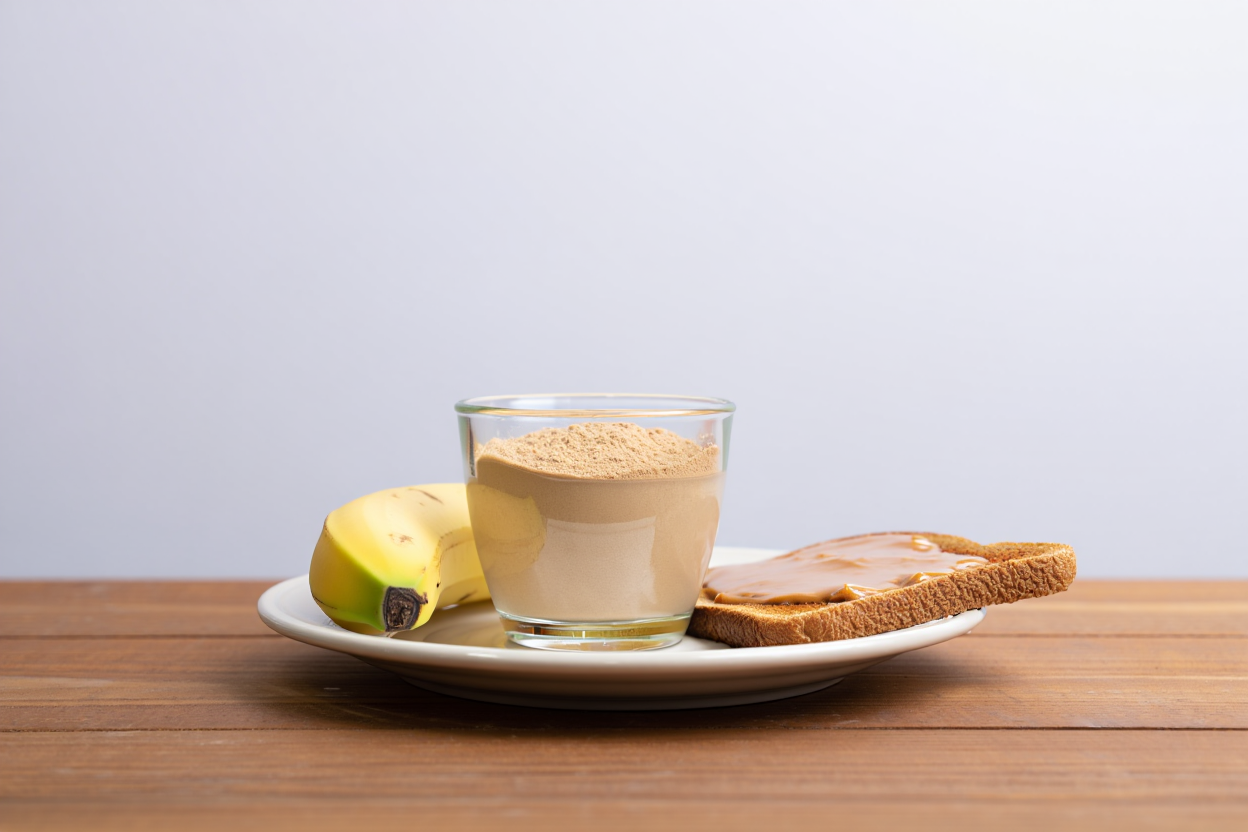
Pairing whey protein with fast-digesting carbohydrates—like fruit, white rice, dextrose, or honey—boosts insulin levels and accelerates the transport of amino acids into muscle cells. Higher insulin also speeds up glycogen replenishment, which helps you perform better in your next workout. A shake containing 25 grams of whey protein and 40–60 grams of fast-acting carbs makes for an efficient recovery meal that maximizes the benefits of your protein powder.
- Insulin boost: Carbohydrates increase insulin, which helps shuttle amino acids into muscle and enhances the anabolic effect.
- Rapid glycogen refill: Fast carbs quickly restore muscle glycogen lost during intense training.
- Synergistic timing: Combining protein and carbs after exercise creates a stronger muscle growth signal than protein alone.
Great combinations include a whey protein shake blended with banana and oats, or whey protein mixed with berries and white rice. During cutting phases, lower-carb options can still be effective, but including some simple carbs helps maintain a strong anabolic signal. Importantly, whey protein muscle synthesis data confirm that a 20-gram serving of whey protein after training can increase muscle protein synthesis by approximately 50% compared to a protein-free control.
Choosing the Right Whey Protein for Muscle Building
Whey protein powder is available in three primary forms: concentrate, isolate, and hydrolysate. Each type offers distinct advantages for muscle building and effective training. Understanding these key whey protein types allows you to select a product that aligns with your budget, digestive tolerance, and recovery needs, thereby supporting continuous muscle growth and performance. For more in-depth information on rapid absorption and lean-muscle development, make sure to visit our dedicated page on whey protein muscle.
Whey Concentrate Versus Isolate Versus Hydrolysate
Whey concentrate typically contains 70–80% protein and retains beneficial bioactive peptides, along with some lactose and fat. This makes it a cost-effective choice, particularly during bulking phases where extra calories are welcomed for muscle gain. Whey protein isolate is a purer form, averaging 90% protein with minimal lactose and fat. It is ideal for cutting periods, low-calorie diets, and lactose-intolerant athletes who require high-quality protein intake. Hydrolyzed whey is pre-digested into short peptides, which promotes faster absorption—often within 30–45 minutes—and can ease digestion after intense training sessions.
Which Whey Type Suits Your Training Goals?
To get the most out of your whey protein supplementation, it is crucial to match your whey protein powder to your current training phase and nutritional priorities. This thoughtful approach ensures you're choosing the right supplement for efficient recovery and sustained muscle gain. Some blends combine concentrate, isolate, and hydrolysate, creating an immediate amino acid spike followed by a slower release. This can help keep muscle protein synthesis elevated for up to five hours.
- Bulking phase: Whey concentrate or mass-gainer blends provide extra calories and economical protein to support aggressive muscle gain during a calorie surplus.
- Cutting phase: Whey isolate or hydrolysate helps maximize protein intake while minimizing carbohydrates and fats, which is essential for preserving lean tissue during a calorie deficit.
- Sensitive stomach: Hydrolyzed whey is often the best choice as it minimizes digestive distress and bloating, thanks to its pre-digested peptide structure.
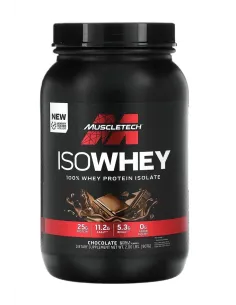
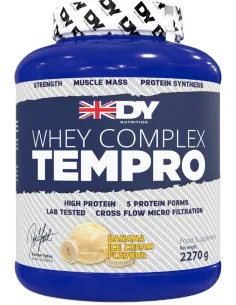
BodyNutrition offers access to over 7,000 whey protein supplements from trusted brands like Optimum Nutrition, MuscleTech, Dymatize, and Universal Nutrition. When you compare each protein powder, consider its purity, lactose content, amino acid profile, third-party certification, and price to find the supplement that best fits your training goals, budget, and digestive comfort.
Safety and Tolerability Considerations for Whey
For healthy adults, a daily protein intake of up to roughly 1.6 grams per kilogram of body weight is considered safe and shows no negative impact on kidney or heart function. Those who are lactose intolerant should favor whey protein isolate or hydrolysate. However, individuals with a confirmed milk allergy must avoid all whey protein supplements entirely.
It is always advisable to consult a healthcare professional before beginning any new supplementation, especially if you have kidney disease, are pregnant, or have specific food allergies. Remember that whey protein powder is a tool to enhance muscle building, but it is only effective when combined with a structured training program, an adequate diet, and consistent recovery. If you experience any digestive discomfort or allergic symptoms during the initial weeks of supplementation, discontinue use and seek medical advice.
Frequently Asked Questions
Yes, whey protein can definitely help you build muscle and improve your strength, provided it is combined with a proper resistance training program, a well-structured exercise routine, and an adequate total daily protein intake. Research indicates that consuming whey protein—typically 20–30 grams after workouts—over a period of 8–12 weeks can result in an additional 1–3 kg of muscle mass compared to training without any supplementation. This is because whey delivers rapidly absorbed amino acids that help speed up recovery and maximize your body’s adaptation to training.
Consuming whey protein daily is safe for most healthy adults and can support muscle building, improvements in strength, and enhanced recovery—as long as your total daily protein intake is around 1.6–2.2 grams per kilogram of body weight. Exceeding this amount does not lead to further muscle gain, as excess amino acids are either oxidized or stored as fat. It’s important to tailor your supplement dosage to your individual diet, exercise level, and training progress rather than assuming that more is always better.
Whey protein is a versatile supplement suitable for both bulking and cutting phases. It provides fast-digesting amino acids that help maintain strength and muscle mass while promoting muscle building under various calorie conditions. During a bulking phase, whey protein concentrate can support muscle gain with the benefit of additional calories. When cutting, switching to whey isolate or hydrolysate allows you to meet high protein targets, support recovery after exercise, and minimize extra fat or carbohydrate intake.
Share this article: