Shopping Cart
Beginners guide to protein powder for bulking and muscle gain


This guide explains why protein powder is so helpful for beginners looking to build muscle. It shows how whey and plant-based powders supply all the essential amino acids your body needs for growth and repair. If you're starting your fitness journey or refining your nutrition, figuring out what protein powder you should get can really speed up your progress. To learn more, this protein powder guide details different types of whey protein, practical dosing, and timing strategies to get the most out of your training.
Choosing the right protein powder for muscle gain
Selecting the best protein powder for beginners to build muscle starts with finding a type of protein powder that suits your digestion, goals, and workout intensity. Since beginners usually need 1.6–2.2 grams of protein per kilogram of body weight daily, protein powder is an efficient and cost-effective supplement when whole foods alone aren't enough to meet your muscle growth targets.
Understanding whey protein types and their differences
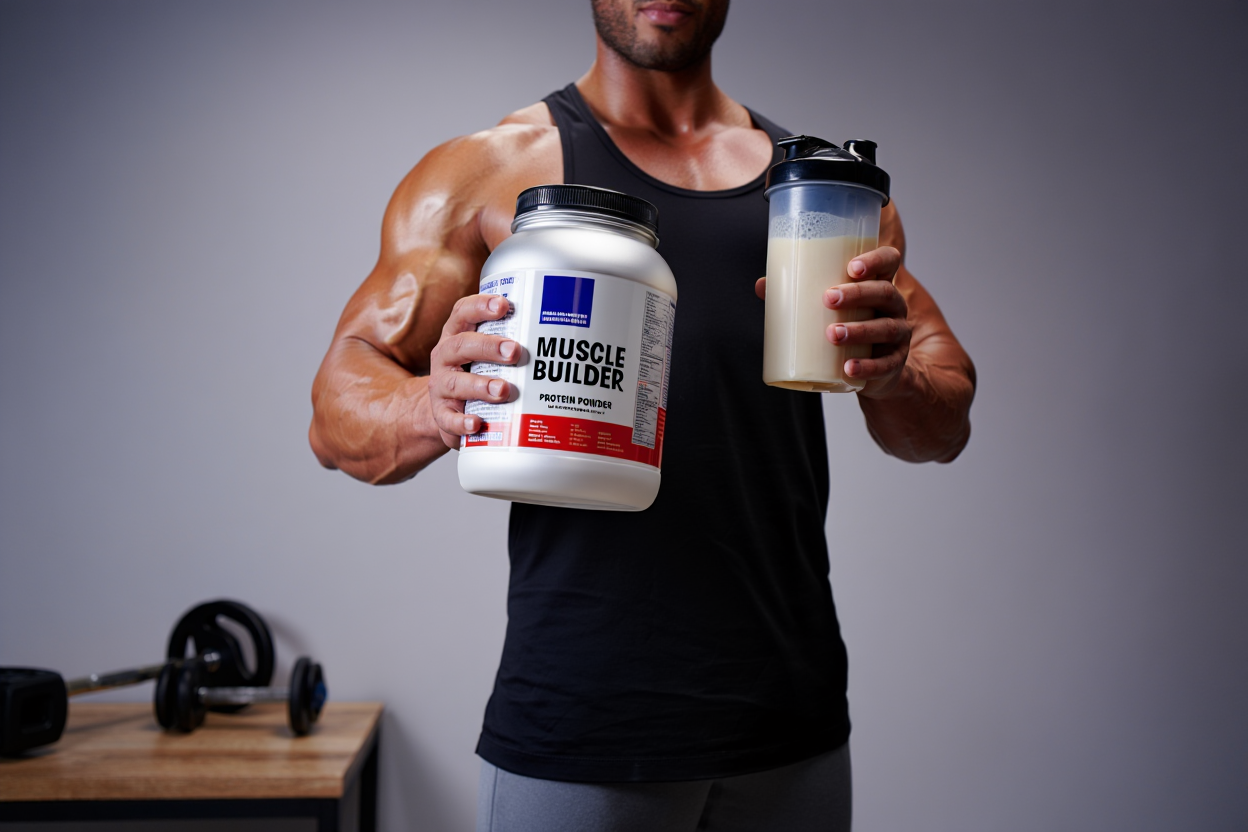
Whey protein concentrate typically contains 70–80% protein per serving, offering around 24 grams of protein in a 30-gram scoop. It also includes immune-supporting peptides, a small amount of lactose, and some fat. This form of whey protein is the most budget-friendly option for beginners focused on building muscle, thanks to its excellent amino acid profile that promotes steady muscle gain.
- Whey protein concentrate: Affordable, contains 70–80% protein and beneficial peptides—ideal for newcomers wanting lean muscle.
- Whey protein isolate: Ultra-filtered to over 90% purity, almost lactose-free, great for low-carb diets or sensitive stomachs.
- Hydrolyzed whey: Pre-digested for fast absorption—best right after a workout, though it's more expensive.
- Blended formulas: Mix concentrate and isolate for a quick amino acid surge followed by a gradual release, supporting longer recovery.
Hydrolyzed whey delivers amino acids fastest post-workout, while blended formulas provide nutrients over several hours, helping beginners customize recovery nutrition around their training schedule.
Plant-based and blended protein options for beginners
Plant-based blends using pea, rice, or soy provide all nine essential amino acids, making them a great choice for vegan beginners or those avoiding dairy who still want muscle gain. Many brands add extra BCAAs to boost leucine levels, so a serving with about 20 grams of protein can be just as effective as whey for building muscle.
Mass-gainer supplements combine whey protein with more carbs and fats, supporting bulking by providing the extra calories needed for steady weight and lean muscle increases during strength training.
Quality indicators and ingredient transparency
Look for products with short, clear ingredient lists—like “ whey protein isolate, cocoa, natural flavor, stevia”—and avoid those with lots of sweeteners, fillers, or vague “proprietary blends.” Certifications such as NSF Certified for Sport or Informed-Sport ensure purity, which is especially important for beginners with sensitive digestion using whey protein isolate or hydrolyzed options.
Make sure your powder has at least 70% protein by weight, providing 20–25 grams per serving for reliable muscle-building support. Natural sweeteners like stevia are better than artificial ones, and grass-fed or organic whey protein is a good choice if you care about sourcing and overall nutrition quality.
Keep containers in a cool, dry place away from sunlight, and seal them tightly after each use to protect against moisture or amino acid breakdown. Remember, supplements work best alongside a balanced whole-food diet full of micronutrients, fiber, and healthy fats—this combination supports lasting muscle growth, steady recovery after workouts, and long-term success in your training.
How to Use Protein Powder Effectively for Bulking
Effective muscle building with protein powder relies on three key factors: getting the timing right, using the correct dosage, and integrating it smartly into your meals. For optimal muscle protein synthesis, consume a serving of 20–30 grams of whey protein within 30 to 60 minutes after your training. This window is when your muscles are most receptive to amino acids, helping to speed up recovery, support muscle growth, and improve your body's adaptation to the stress of exercise.

Optimal Timing and Dosage After Workouts
For beginners, the best approach for muscle gain is to take 20–30 grams of whey protein powder within the first hour after exercising. To enhance the effect, combine your shake with 20–30 grams of fast-digesting carbohydrates—like a banana, white rice, or dextrose. This helps increase insulin levels, improves nutrient delivery to your muscles, and replenishes glycogen stores, creating an ideal environment for muscle protein synthesis.
- Immediate post-workout timing: Drink your shake within 30 minutes after exercising to maximize amino acid absorption and get the most out of your serving.
- Carbohydrate pairing: Include 20–30 grams of quick-digesting carbs to spike insulin and speed up recovery.
- Hydration support: Mix your powder with 200–250 ml of liquid and aim to drink 2–3 liters of water throughout the day to support nutrient transport and kidney health.
- Consistent timing: Try not to wait more than two hours after your workout to consume protein, as delaying nutrition can reduce the muscle-building response.
If you train late in the day, consider having 20–25 grams of casein or a protein blend before bed. This provides a slow release of amino acids overnight, helping to prevent muscle breakdown. If you’re already getting around 70 grams of protein from whole foods, a single post-workout scoop may be enough. If you’re falling short of your daily protein intake, add a second serving at breakfast or before sleep to help you reach your goals.
| Training Scenario | Recommended Serving | Timing | Additional Notes |
| Standard Single Workout | 20–30 g Whey Protein | 0–60 min post-workout | Pair with 20–30 g fast carbs |
| Twice-Daily Training | 20–30 g before second session | Before second workout | Maintains amino acid availability |
| Evening Training | 20–25 g Casein Blend | Before bed | Sustained release prevents breakdown |
| Insufficient Food Protein | Add extra 20–30 g serving | Breakfast or mid-day | Supports daily target achievement |
Practical Ways to Incorporate Supplements into Meals
Here’s protein powder explained: it’s a concentrated source of amino acids that can be easily added to drinks and meals when whole foods aren’t enough. For a quick, low-calorie option, mix one scoop with 200–250 ml of water. If you’re bulking, blend it with milk and fruit to increase calories and improve the taste. You can also stir powder into oatmeal, Greek yogurt, or cottage cheese at breakfast to boost your morning protein intake without relying only on shakes.
- Shaker bottle method: Start by adding liquid to your bottle, then the powder. Shake for 15–20 seconds with a whisk ball to avoid lumps.
- Smoothie blending: Blend your powder with frozen berries, spinach, yogurt, and nut butter for a nutrient-rich drink that supports your training.
- Oatmeal mixing: Stir one scoop into warm oats along with a banana for a high-protein breakfast that promotes muscle growth.
Get creative by making banana protein pancakes, homemade energy bars, or cottage cheese parfaits to turn plain whey protein powder into enjoyable meals. If shakes made with water upset your stomach, try using milk for easier digestion. On rest days, a half scoop can help maintain amino acids in your system without exceeding your protein intake.
Daily Protein Targets and Meal Distribution Strategies
Target a daily protein intake of 1.6–2.2 grams per kilogram of body weight—which is roughly 120–165 grams for a 75 kg person starting out. Spread this over three to five meals, each providing about 25–30 grams of protein. Even distribution helps keep amino acids available throughout the day, supports ongoing muscle protein synthesis, and is more effective than consuming large amounts in one sitting.
For example, a 75 kg person focused on muscle gain might follow this plan: 25–30 grams at breakfast, a 20 gram protein supplement mid-morning, 30–35 grams at lunch, 10–15 grams pre-workout, 20–30 grams of whey protein post-workout, and 30–35 grams at dinner. This spacing ensures a steady supply of nutrients, aids recovery from training, and prevents excess protein from going to waste.
Remember to drink 2–3 liters of water daily when using supplements to support kidney function and nutrient delivery. A protein supplement should complement—not replace—a balanced diet that includes lean meats, fish, eggs, legumes, whole grains, and healthy fats. This foundation is essential for sustainable muscle growth, recovery, and overall nutrition.
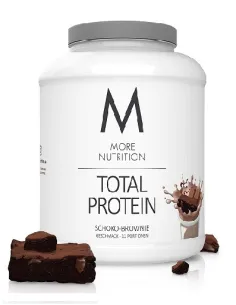
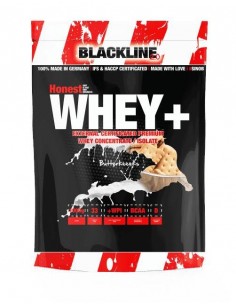
Recommended products
Science-backed benefits and amino acid profiles
A meta-analysis covering 22 randomized trials with 680 participants found that using a protein supplement as part of your post-workout nutrition significantly boosts results from resistance training. On average, participants gained 0.69 kg of fat-free mass and increased their one-rep-max leg press by 13.5 kg. This highlights clear benefits for both beginners and seasoned athletes. Consistent use for at least six weeks, alongside progressive exercise routines, reliably enhances muscle growth and strength.
Key amino acids that drive muscle protein synthesis
A standard serving of whey protein powder provides about 2–3 grams of leucine, which is the essential trigger for the mTOR pathway that jumpstarts muscle protein synthesis and aids in developing muscle mass. It also delivers all nine essential amino acids, including approximately 5–6 grams of BCAAs per serving, helping to reduce soreness and enabling more frequent training sessions. When searching for the best protein powder for beginners to build muscle, look for formulas with higher leucine levels to optimize anabolic signaling and speed up muscle gain.
- Leucine activation: A 20–30 g serving typically includes 2–3 g of leucine, quickly activating muscle growth pathways.
- BCAA support: Around 5–6 g of branched-chain amino acids per serving helps decrease delayed-onset soreness and improves recovery between workout sessions.
- L-glutamine fortification: Additional glutamine can support immune health and reduce perceived soreness by up to 20% after intense exercise.
High-quality whey protein powders often come enriched with L-glutamine and a full spectrum of essential amino acids, supplying every component your body needs for effective tissue repair. This complete profile, together with consistent training and a sufficient daily protein intake, speeds up recovery and encourages steady muscle growth.
Research evidence for protein supplementation effectiveness
Across diverse groups and study designs, protein powder for muscle growth consistently shows better results than placebo in increasing both muscle mass and strength. Research confirms improvements of 13.5 kg in leg press strength after six or more weeks when proper protein intake is paired with structured resistance training, proving that supplements and exercise work together effectively. A practical whey protein guide turns this evidence into clear nutrition strategies for those just starting out.
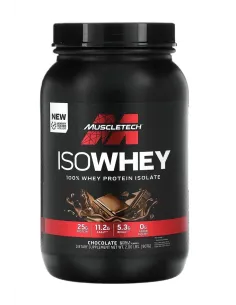
Weider Super Nitro Whey Protein combines concentrate and isolate processed through advanced micro- and ultrafiltration to create a fast-absorbing whey protein powder that's rich in amino acids and enhanced with glutamine. This fast whey protein technology offers a clean protein source with low fat and lactose, improving post-workout recovery and supporting muscle protein synthesis. Pair such supplements with balanced nutrition, adequate protein intake, and regular workouts to achieve dependable, science-backed muscle gain.
Frequently Asked Questions
Absolutely. Protein powder offers a convenient and cost-effective way for beginners to meet the daily target of 1.6–2.2 grams of protein per kilogram of body weight, especially when whole food sources aren't enough. A single 20–30 gram serving of whey protein post- workout is excellent for stimulating muscle protein synthesis. It fits easily into a busy schedule and is designed to work alongside a balanced diet—not replace it—to consistently support muscle growth and recovery.
For most people starting out, whey protein concentrate is the top choice. It provides a great balance of 70–80% protein, a full amino acid profile, and proven effectiveness, all at an affordable price. If you're sensitive to lactose, opt for a whey protein isolate, or choose a plant-based blend for vegan nutrition. No matter which protein supplement you pick, always check for transparent labeling, third-party testing, and a protein content of at least 70% to ensure it effectively supports your training and muscle gain goals.
Beginners looking to build muscle should aim for a daily intake of 1.6–2.2 grams of protein per kilogram of body weight. It's best to spread this amount across 3–5 meals, with each serving containing roughly 25–30 grams of protein. For instance, a 75 kg individual would need between 120–165 grams per day. Including a post- workout shake with 20–30 grams of whey protein (either isolate or concentrate) and some fast-digesting carbs can significantly boost muscle protein synthesis, enhance recovery, and improve your overall workout nutrition for better muscle growth.
Share this article: