
Shopping Cart
How to use protein powder and creatine for muscle gain


Use whey protein to hit your daily protein target, take creatine every day without exception, and combine both in one shake whenever that makes adherence easier. That covers the core of when to drink protein powder and creatine.
When to drink protein powder and creatine for best results
With protein and creatine, the aim is simple: support recovery after training and keep daily intake steady enough to compound over time.
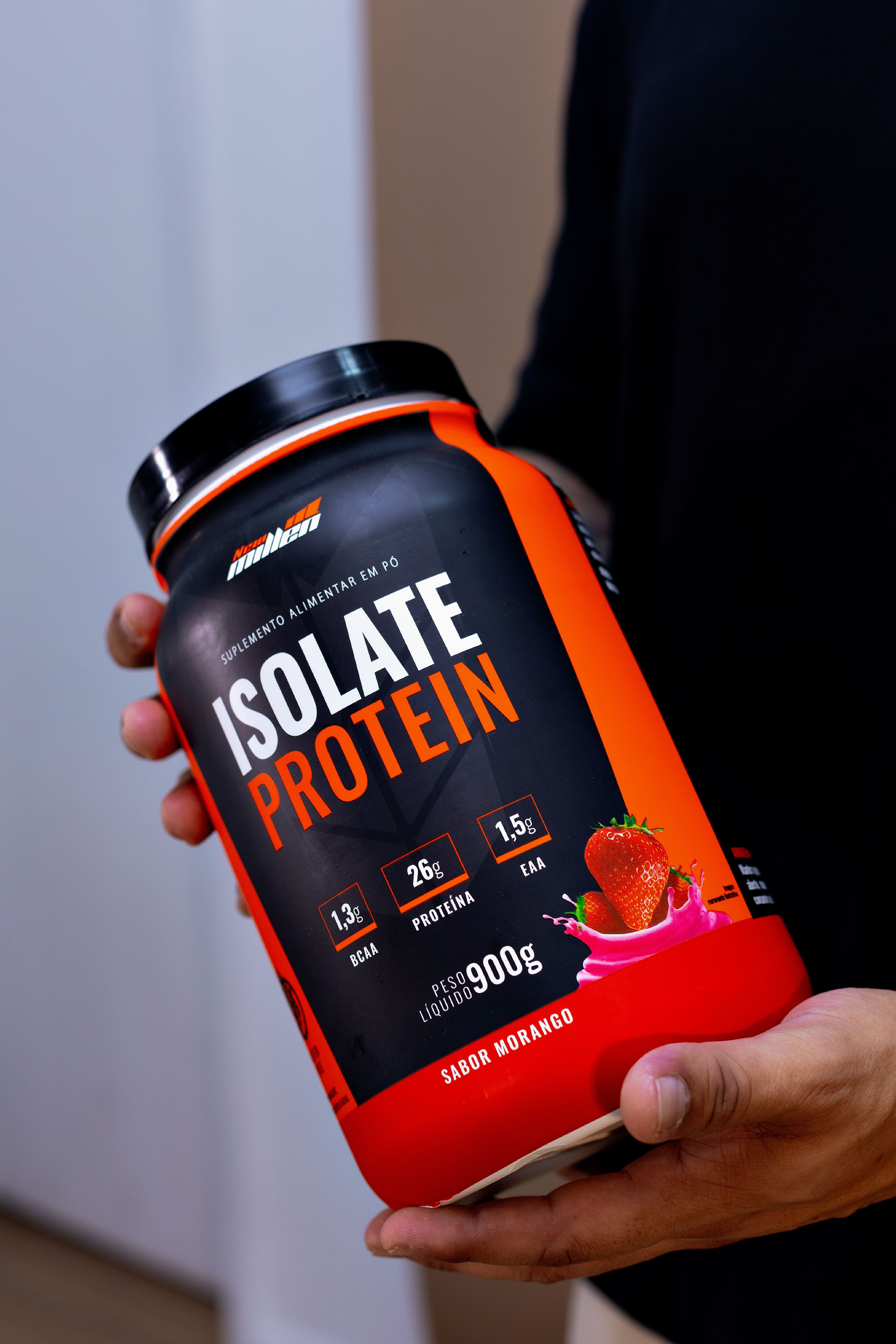
Why post-workout timing works for both supplements
After training, your muscles are primed to use nutrients well. That is why a post-workout serving of whey protein powder with creatine is such a practical pairing: you support muscle protein synthesis while also starting to replenish phosphocreatine stores.
The difference comes down to role. Whey protein acts as a fast, convenient source of amino acids, while creatine supports repeated high-intensity performance and recovery across sessions.
Does creatine timing matter as much as consistency?
From there, when to drink protein powder and creatine becomes easier to judge. For whey protein, the window after training is especially useful because it helps you meet protein intake at the point your muscles are already recovering.
Creatine is less demanding on timing. Daily use matters more than the exact hour you take it, although taking creatine and whey protein close to training often fits better into a routine than leaving it for much later.
In practice, a regular creatine shake after training, or at the same time each day on rest days, is often the easiest way to stay on track with protein powder and creatine.
When to use protein powder for muscle gain each day
Whey protein isolate digests quickly, which makes it a strong option post-workout, while concentrate digests a little more slowly and can support the wider recovery period.
On rest days, spread protein intake across meals so your body receives amino acids regularly, and use a shake in the morning or alongside lunch if whole-food intake falls short.
It is available as isolate, concentrate, and hydrolysate, and that is where the whey protein guide earns its place if you want a clearer view of the options.
Creatine and protein dosage for muscle gain
How much creatine should you take each day?
For most people, 3–5 g of creatine per day is enough. Going beyond that does not produce extra benefit, which makes creatine monohydrate the right choice when you want something proven, simple, and easy to keep consistent.
If you prefer faster saturation, a loading phase works like this: 20 g per day split into four 5 g servings for 5–7 days. After that, move to 5 g daily. By contrast, taking 3–5 g daily from the start reaches the same point in around 28–30 days; the difference comes down to speed, not results.
| Protocol | Daily dose | Duration | Outcome |
| Loading phase | 20 g (4 × 5 g) | 5–7 days | Rapid muscle saturation |
| Maintenance phase | 5 g | 28–30 days ongoing | Sustained creatine stores |
| Standard (no load) | 3–5 g | 28–30 days to saturate | Same end result, slower |
Creapure monohydrate is the pharmaceutical-grade form most commonly used in research; one 5 g serving daily covers maintenance for most people. Timing around training is convenient but not mandatory.
How to use protein powder for weight gain and muscle
Alongside this, your protein intake needs to match your body weight. A useful benchmark here is 1.6–2.2 g per kilogram per day for regular resistance trainers; recreational exercisers can sit at the lower end of that range. If you are looking at how to use protein powder for weight gain, this is where whey protein helps fill the gap without forcing extra meals.
One scoop of whey protein powder, usually around 35 g, gives you roughly 20–25 g of protein. From there, one to two servings per day is enough for most people.
Whey protein supports lean muscle mass during a gaining phase and remains useful during fat loss. Both supplements deliver results only when training is regular and intake stays consistent. In practice, measurable changes in muscle mass can show within six weeks.
Recommended products


How to use protein powder with water or milk
The liquid you choose changes more than taste. It affects texture, digestion speed and how likely you are to keep using your protein shake consistently.
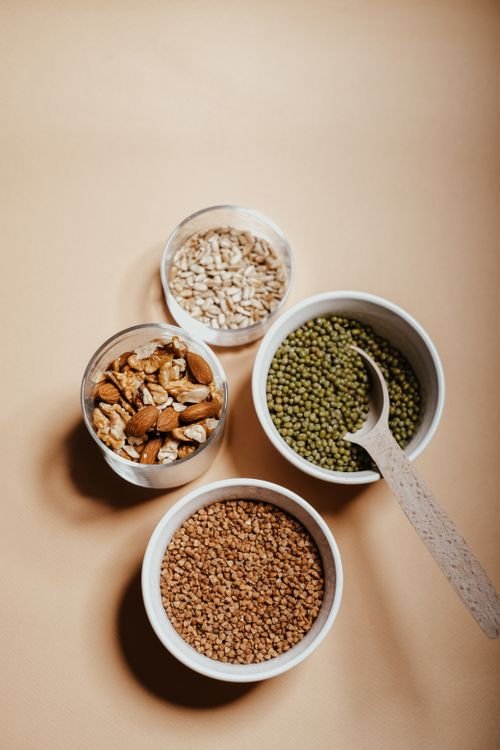
Water vs milk, which is better for your shake?
Water versus milk comes down to your calorie and macro targets rather than how well the whey protein works.
- Calorie content: Milk adds extra calories and some additional protein, which can help in a gaining phase but is less useful when calories are tightly controlled.
- Texture and taste: Milk gives you a creamier, richer whey protein shake, while water keeps the flavour lighter and cleaner.
- Digestion speed: Water usually suits a faster post-workout shake, especially with whey isolate. Milk slows absorption slightly because of its fat and casein content.
A useful benchmark here: 150 ml to 350 ml of liquid per scoop. Use less for a thicker blend, more for a lighter drink. Room-temperature liquid usually helps protein powder disperse more easily than very cold liquid.
Mixing tips for a smooth, lump-free whey protein shake
For how to use protein powder with water, or any other liquid, start with the liquid first and add the powder after. That simple order helps prevent clumping at the base of the shaker.
- Shaker bottle: 20 to 30 seconds of vigorous shaking with a wire whisk ball is usually enough. That's where this method earns its place for a quick post-workout whey protein shake.
- High-speed blender: Better suited to home use, especially if your blend includes fruit, oats, nut butters or creatine alongside protein.
- Paste method: Mix the protein powder with a small amount of liquid first, then add the rest gradually. It works well when no shaker or blender is available.
From there, the powder itself also matters. Whey isolates and hydrolysed formulas usually dissolve more easily than concentrate because their texture is finer. Keep your protein powder sealed and away from humidity, as moisture is the main reason a powder starts to clump before you even make the shake.
Is it safe to mix creatine and protein together?
Yes. For healthy adults, the safety of combining creatine and whey protein is well supported when doses stay within standard recommendations. More than two decades of research points to the same conclusion.
Can you mix creatine with whey protein in one shake?
You can. Mixing creatine into a whey protein shake is a practical option, especially post-workout.
Research published in the Journal of the International Society of Sports Nutrition in 2017 found that creatine and protein produced greater gains in strength and lean muscle mass than whey protein alone. Alongside this, a 2020 trial showed that combining creatine with fast-digested proteins such as whey protein improved muscle creatine retention compared with taking creatine with carbohydrates alone.
- Better workout performance: creatine supports ATP production during repeated high-intensity efforts, which can improve exercise performance.
- Support for muscle growth: whey protein supplies amino acids for muscle protein synthesis, while creatine helps you train harder and recover well enough to build muscle mass.
- Easier daily use: creatine powder has a neutral taste, so mixing creatine into a flavoured protein shake makes supplementation simpler to maintain.
In practice, mixing creatine with protein powder is straightforward: use 240–350 ml of water or milk, add the creatine first, then the protein powder, and shake or blend thoroughly.
Who should be cautious when taking creatine?
That broad safety profile still has limits. If you have a condition that affects how your body handles creatine or protein, discuss supplementation with a clinician before starting.
- Pre-existing kidney conditions: people with kidney disease or reduced renal function should not start creatine and whey protein use without medical clearance.
- Liver conditions: those with liver issues should get medical advice before combining creatine or increasing protein supplementation.
- Pregnancy and breastfeeding: creatine with protein powder should only be used after medical consultation during pregnancy or breastfeeding.
The same principle applies if you take medication that affects kidney or liver function. Some people also notice gastrointestinal discomfort when protein intake rises too quickly, particularly with a large whey protein shake, so gradual protein supplementation is the right choice when digestion is sensitive.
Choose third-party tested products where possible: that lowers the risk of contaminants or banned substances. Persistent stomach pain or severe bloating is not a typical response to correctly dosed creatine and whey protein, and it deserves medical advice.
Hydration and side effects to be aware of
Once you start combining creatine, hydration matters more. Creatine draws water into muscle cells, so fluid needs usually rise when you are taking creatine regularly.
A useful benchmark here: aim for 3–4 litres of water per day.
Some bloating can happen, especially during a loading phase or after a sudden jump in protein intake. From there, the difference comes down to dose and pace: splitting daily creatine doses and increasing whey protein more gradually often makes mixing creatine and protein easier to tolerate.
Frequently asked questions
Can you take creatine and protein powder at the same time?
Yes. Taking creatine and protein in the same shake is safe, practical, and well supported by research. In practice, combining creatine monohydrate with whey protein may improve how much creatine your muscles retain compared with taking creatine on its own.
A simple post-workout option is this: 5 g of creatine powder with one 35 g scoop of whey protein powder in 240–350 ml of water or milk. Shake or blend for 20–30 seconds.
How long does it take to see results from creatine and whey protein together?
Creatine and whey protein do not work overnight, but regular use alongside resistance training can improve exercise performance, support muscle repair, and help increase muscle mass over time.
Research shows measurable gains in strength and muscle mass within around six weeks when combining creatine with training, compared with placebo. Muscle creatine stores usually reach saturation after roughly 28–30 days at 3–5 g per day, or sooner with a loading phase.
Does it matter whether I mix creatine with water or milk?
It can, though the difference comes down to your goal. Water keeps a protein powder shake lighter and can make whey protein digest more quickly post-workout, while milk adds calories and slows digestion a little, which suits a calorie surplus better.
Either way, creatine and protein powder mix well with the same method: liquid first, then creatine, then whey protein. Room-temperature liquid usually gives a smoother blend with less clumping than very cold liquid.
Share this article: