
Shopping Cart
Iodine tablets against radiation: Potassium iodide for nuclear attack


Nuclear emergencies create significant health hazards, with the thyroid gland being especially vulnerable. Tablets containing potassium iodide provide essential protection against radioactive iodine during these crises. This guide explains how iodine tablets work, details correct dosages for different ages, identifies high-risk groups, and reviews safety protocols for nuclear emergency situations. Understanding how to use these tablets is a fundamental part of nuclear emergency preparedness for your area.
How potassium iodide tablets block radioactive iodine
If a nuclear emergency releases radioactive iodine, the thyroid gland quickly absorbs it, dramatically increasing the risk of long-term damage and thyroid cancer. Taking potassium iodide tablets prevents this by flooding the thyroid with stable iodine, which effectively blocks the uptake of the radioactive form. A standard 130 mg dose for adults saturates the gland, offering about 24 hours of protection against radioactive iodine before the body naturally clears the excess.
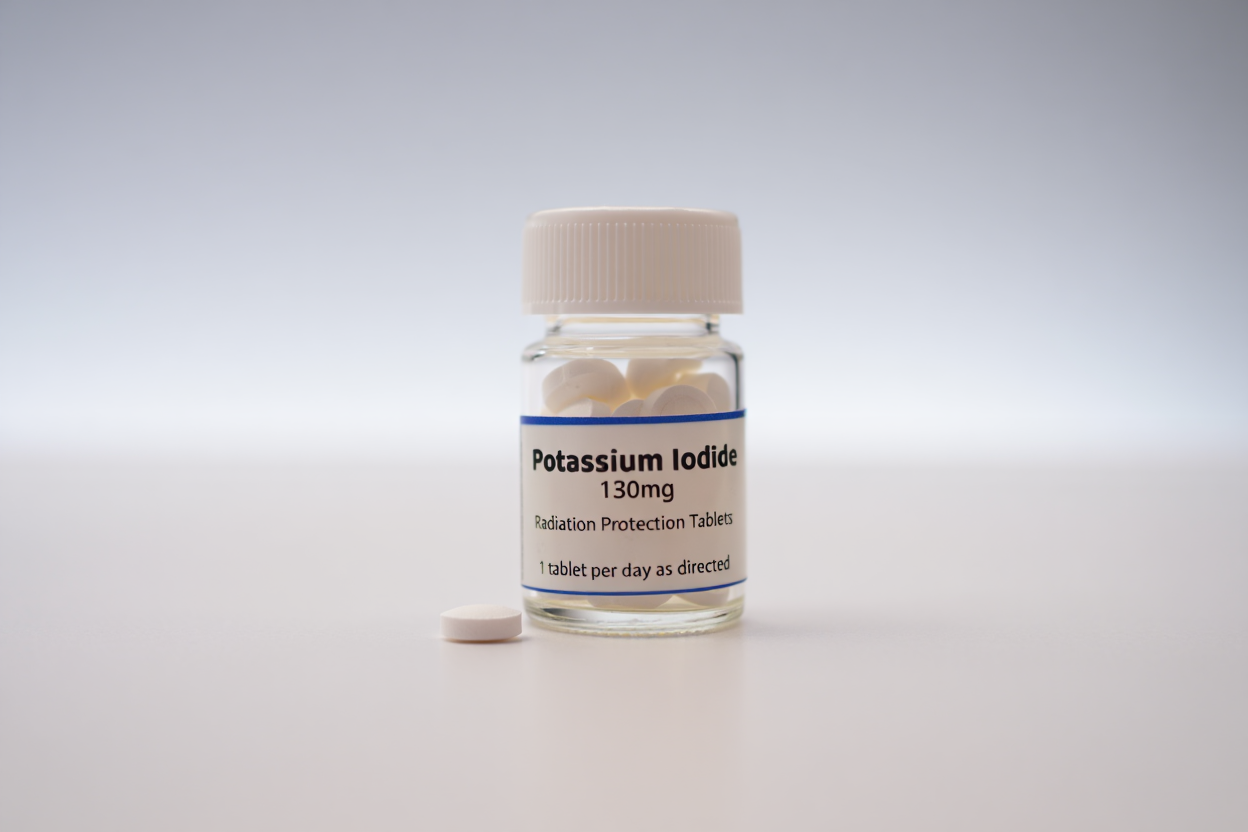
The thyroid saturation mechanism explained
Potassium iodide works on a simple biological principle: the thyroid gland cannot distinguish between stable and radioactive forms of iodine. When you take a KI tablet, the non-radioactive iodine quickly fills the thyroid, occupying all available receptor sites. This process, known as iodine thyroid blocking, ensures that harmful radioactive isotopes are not absorbed or stored during exposure to radiation.
- Stable iodine saturation: A high dose of potassium iodide rapidly provides enough stable iodine to completely saturate the thyroid's capacity shortly after ingestion.
- Radioactive iodine exclusion: Once this thyroid blocking is achieved, any radioactive iodine you are exposed to passes harmlessly through your system and is excreted in urine.
- Marble jar analogy: Think of the thyroid as a jar with specific slots for marbles; stable iodine fills every slot, leaving no room for radioactive particles to settle.
- 24-hour protection window: A single dose offers effective protection for approximately one day. After this, the surplus stable iodine is eliminated, so you only take another dose if the radiation risk continues.
While this protective mechanism is highly effective, it is temporary. After about 24 hours, your body naturally expels the extra stable iodine. Officials may recommend a second dose if radiation exposure persists, but a single dose often covers the most critical release period during many nuclear emergencies.
Why iodine tablets protect only against I-131
A crucial limitation to understand is that potassium iodide tablets only shield the thyroid from radioactive iodine isotopes like I-131. They offer no defense whatsoever against other dangerous radioactive materials in fallout, such as strontium-90 or cesium-137. Recognizing this is vital for realistic nuclear emergency preparedness, ensuring people do not have false confidence in KI tablets alone.
- Iodine-131 specificity: These tablets are formulated specifically for protection against radioactive iodine; this mechanism is ineffective against all other radioactive elements.
- No protection against gamma radiation: Taking iodide provides no defense against external ionizing radiation, such as gamma rays or neutrons, from penetrating the body.
- Limited scope in complex fallout: Since nuclear fallout contains many different isotopes and KI addresses only one threat, other protective measures like sheltering or evacuating are absolutely critical.
Due to these limitations, official guidance emphasizes that iodine tablets are just one component of a comprehensive safety plan. In the event of a nuclear power plant accident or explosion, sheltering in a secure location and sealing windows remain essential actions. Potassium iodide tablets act as a vital supplement, offering specific thyroid protection during the critical first hours when levels of radioactive iodine are at their peak.
Correct dosage and timing for iodine tablets
For iodine tablets to work effectively, you must follow precise dosing instructions based on age and administer them at exactly the right time. Taking the wrong amount or missing the critical window will drastically reduce their protective effect against harmful radiation. Having a supply at home allows for a quicker response during a nuclear emergency, though you should always follow the specific directions provided by official health authorities.
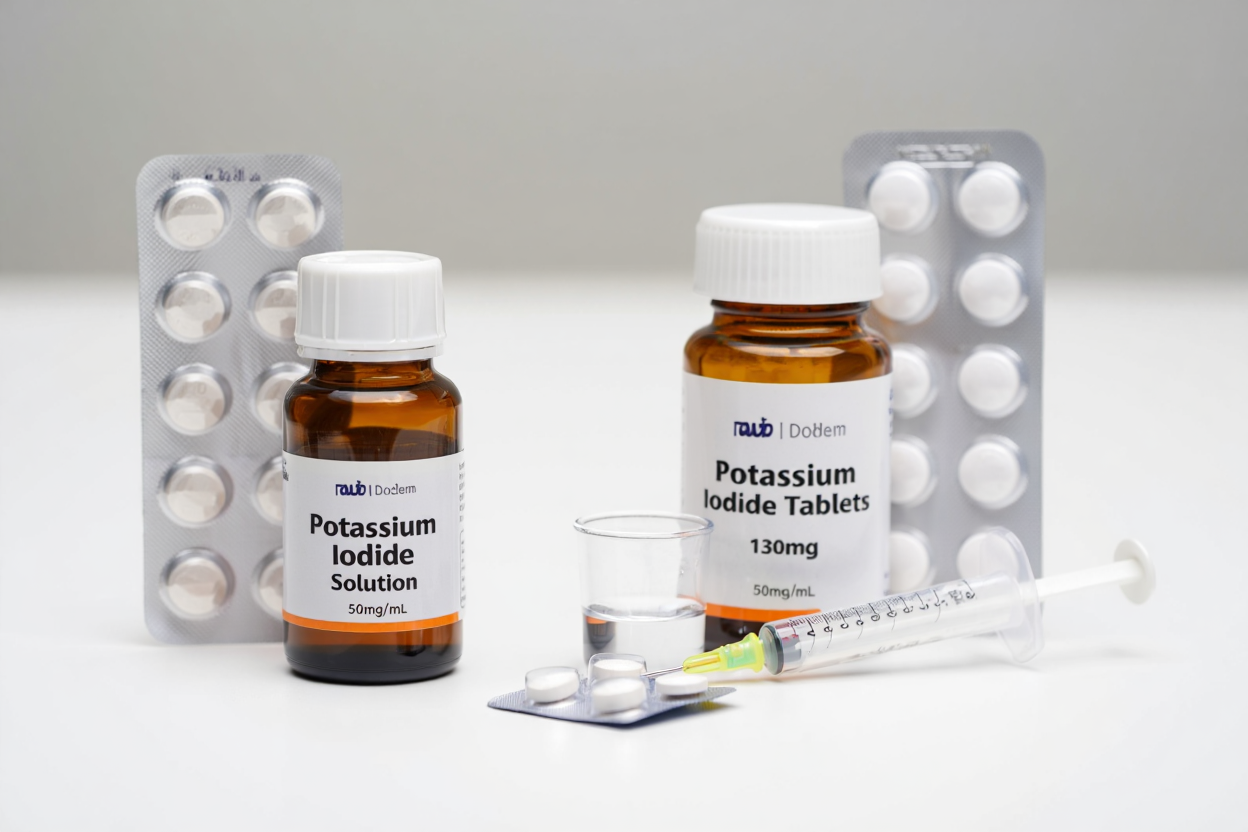
Age-specific potassium iodide dosing guidelines
The recommended dosage of iodine tablets varies significantly by age to ensure both safety and effectiveness. Adult tablets typically contain 130 mg of potassium iodide, while children should receive proportionally smaller amounts based on their size and age. Crushing and mixing tablets with food or a drink can help when administering them to younger children, ensuring they get the protection they need.
- Adults (18–40 years): Take one full 130 mg potassium iodide tablet per dose. Do not exceed a single dose every 24 hours to properly saturate the thyroid.
- Children (3–18 years): A half tablet (65 mg) provides effective protection for this age group without raising the risk of side effects.
- Infants (1 month–3 years): Give a quarter of a tablet (32 mg), crushed and mixed into formula, juice, or a small amount of food.
- Newborns (birth–1 month): Administer one-eighth of a tablet (16 mg), carefully crushed and mixed with formula under medical advice to avoid hypothyroidism.
Only crush or divide tablets if official guidance explicitly recommends it, as doing so without instruction can lead to inaccurate dosing. If someone can’t swallow tablets, prepare a liquid solution using guidance from health agencies like the CDC for precise, age-specific administration during emergencies.
| Age Group | Recommended Dosage | Administration Method |
| Adults (18–40 years) | One 130 mg tablet | Swallow whole with water; take with food to minimize stomach upset |
| Children (3–18 years) | Half tablet (65 mg) | Crush and mix with applesauce, juice, or milk if needed |
| Infants (1 month–3 years) | Quarter tablet (32 mg) | Crush completely and mix with formula or breast milk |
| Newborns (birth–1 month) | One-eighth tablet (16 mg) | Crush and mix with formula under medical supervision only |
Critical timing windows for maximum protection
Taking iodine tablets at the correct time is just as important as the dosage itself. For the best defense against exposure to radioactive iodine, you should take potassium iodide shortly before or within two hours of the exposure beginning. Even with correct age-specific administration, taking iodine too late offers little protection, as the thyroid will have already absorbed dangerous isotopes.
- Pre-exposure window: Taking iodine tablets up to 24 hours before anticipated exposure allows the thyroid to become fully saturated and protected.
- Post-exposure window: Taking iodine within two hours after exposure still provides strong protection from radioactive iodine.
- 4-hour effectiveness cliff: Protection drops significantly if taken more than four hours after exposure, as the thyroid has already absorbed the radiation.
- Single-dose duration: A single dose offers protection for approximately 24 hours. Taking another dose sooner does not improve effectiveness.
When to take a second dose
You should only take a second dose of iodine if explicitly instructed to do so by official health authorities. A second tablet is generally only recommended if radioactive releases are ongoing 24 hours after the first dose. Without official guidance, taking additional tablets increases the risk of side effects without offering extra protection. Officials typically suggest a second dose only during prolonged nuclear incidents. If the immediate danger has passed, repeat dosing is usually not advised.
Exceeding the recommended dosage does not improve protection and significantly increases the chance of serious side effects. Never take extra tablets hoping for a stronger defense—one dose per 24 hours is the safe maximum. This applies to everyone, including people aged 40 years or younger, during a radiation emergency.
Recommended products
Who should take iodine tablets during emergencies
Iodine tablets are not necessary for everyone during a nuclear incident. Whether you need them depends primarily on your age, pregnancy status, and the health of your thyroid. Identifying if you belong to a high-risk group helps direct these vital resources to those who face the greatest danger from radiation exposure, while also preventing unnecessary side effects in others. In general, children and pregnant individuals are given the highest priority for protection, as they are significantly more susceptible to developing thyroid cancer after being exposed to radioactive material.
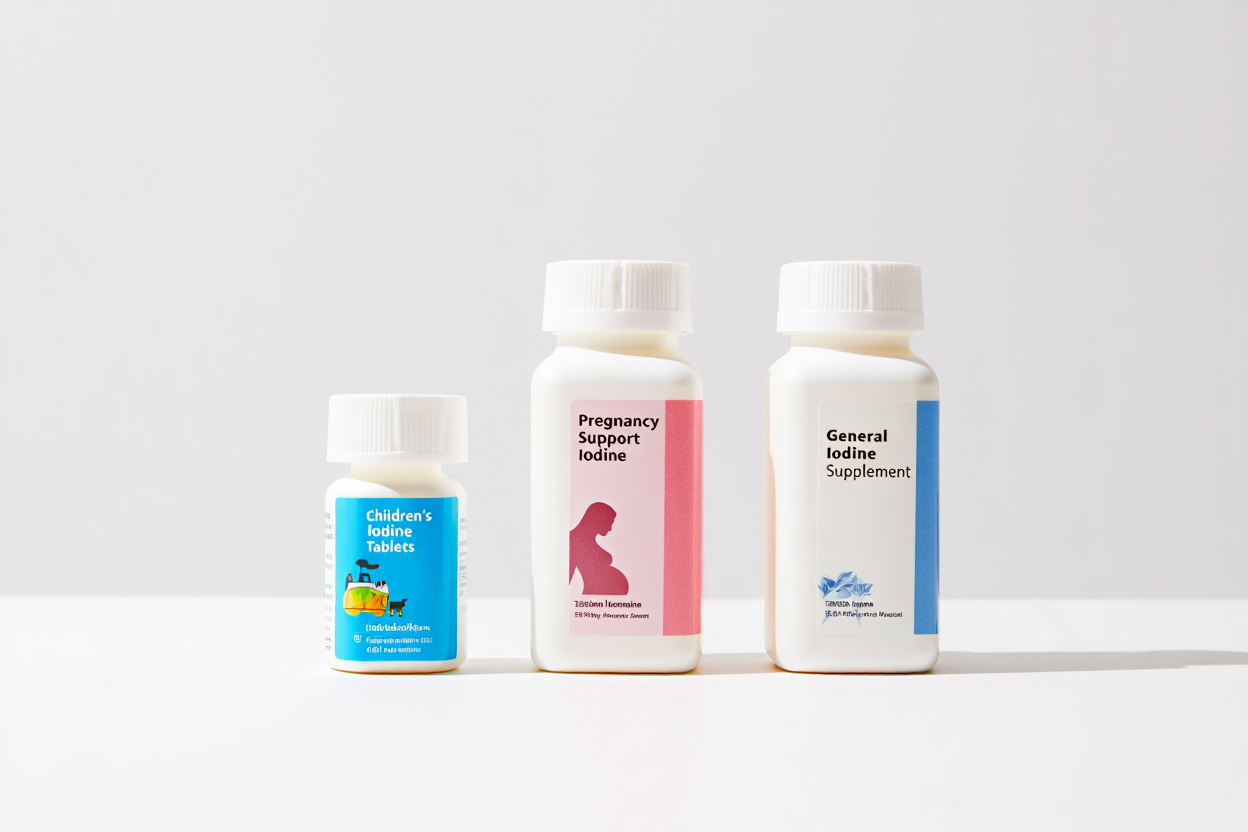
Priority groups requiring potassium iodide protection
During nuclear emergencies, specific high-risk groups are the first to receive potassium iodide tablets because they face a dramatically increased danger of developing thyroid cancer from radioactive iodine. Young people under 18 are the most vulnerable; their developing thyroid glands actively absorb iodine, which can lead to a heightened cancer risk later in life. Pregnant and breastfeeding women also require prompt KI administration to protect both themselves and their babies, as infant thyroids absorb radiation even more efficiently than those of adults.
- Children and adolescents (under 18 years): This group is the absolute highest priority. Their rapidly growing thyroid tissue absorbs iodine aggressively, making them especially vulnerable to severe, long-term damage and a heightened lifelong risk of cancer.
- Pregnant women: Protection is critical here because a fetus's thyroid begins to concentrate iodine around the 12th week of pregnancy. Radiation exposure at this stage can cause significant developmental harm to the unborn child.
- Breastfeeding mothers: Since radioactive iodine can become highly concentrated in breast milk, nursing infants could be exposed to dangerous doses unless the mother takes protective iodine tablets right away.
- Adults aged 18–40 years: This group is considered a moderate priority. While the risk of thyroid cancer is still considerable for younger adults, it is notably lower than in children. Protection is still advised during a confirmed exposure event.
For adults over 40 years old, the risk of developing thyroid cancer from radioactive iodine exposure drops substantially. Therefore, routine use of KI is not typically recommended unless radiation levels are exceptionally high and confirmed. Elderly individuals have an even lower cancer risk but a greater chance of experiencing adverse side effects from iodide, making a personal medical evaluation essential before taking any tablets.
Contraindications and safety warnings for iodide
Certain medical conditions and allergies create important contraindications against using potassium iodide. Taking KI under these circumstances can lead to serious health complications. Anyone with a known allergy to iodide or shellfish must consult a doctor before considering these tablets. Furthermore, individuals with pre-existing thyroid disease or those taking medications that affect iodine metabolism should seek professional guidance before using KI in a nuclear emergency.
Common, typically mild side effects can include temporary stomach upset, a metallic taste in the mouth, slight swelling of the salivary glands, or a skin rash that usually goes away on its own. However, severe allergic reactions—such as significant facial swelling or difficulty breathing—demand immediate emergency medical care. Taking too many iodine tablets or repeating doses unnecessarily can disrupt normal thyroid function. Newborns are particularly vulnerable and often require follow-up screening after receiving treatment.
Official Guidelines for Using Iodine Tablets Safely
Government and health authorities create specific guidelines for iodine tablet use during a nuclear emergency. Taking these tablets without official direction uses up valuable supplies and can lead to unnecessary side effects. This section covers when authorities advise using KI, how to store it correctly, and explains why tablets alone aren't a complete solution.
When Authorities Recommend Taking Potassium Iodide
You should only take potassium iodide tablets after getting a clear public health directive through official channels, like emergency broadcasts. Nuclear emergency preparedness means that people must wait for confirmation of a radioactive iodine release before taking any action. Taking doses too early reduces their protective effect later, while waiting too long means missing the critical window for blocking absorption.
- Official directive requirement: Never take iodine tablets based on rumors from social media. Only official guidance relies on verified data to confirm real exposure risks.
- Dose and timing specification: Official alerts will specify the correct dose and timing, ensuring that vulnerable groups—especially children—receive proper protection while everyone shelters in place.
- Repeat-dose authorization: Only officials can decide if a second dose is needed after 24 hours. Guessing on your own increases the risk of overdose and harmful side effects.
After taking KI, you must remain indoors with windows and doors sealed to avoid breathing in contaminated air. Shelter-in-place protocols are still essential because iodine protects only the thyroid gland from one specific isotope. External radiation and internal contamination from other sources require more comprehensive safety measures than just a pill.
Proper Storage and Emergency Preparedness with Iodide
Households in higher-risk zones should keep emergency iodine tablets on hand, along with other essential preparedness items, and follow recommended stock levels. Storing these tablets correctly ensures they remain effective when a real nuclear emergency happens. Official guidance emphasizes that this medication supports—not replaces—evacuation plans and other shelter supplies.
- Cool, dry storage: Keep tablets in their original packaging, away from heat and moisture. Correctly stored iodine typically remains potent for at least five years.
- Accessible location: Store tablets where family members can reach them quickly during an alert. Make sure the container is clearly labeled with age-specific dosing instructions.
- Out of children's reach: Lock tablets away securely. Accidental overdoses in children can cause severe thyroid problems and require immediate medical care.
- Inventory rotation: Refresh your supply annually or before the expiration date to ensure effectiveness. Older tablets may not provide adequate protection.
Do not use common substitutes like iodized table salt or kelp supplements in place of pharmaceutical-grade potassium iodide tablets. These alternatives often don’t have enough iodine or may contain harmful levels that don’t offer real thyroid protection. Only approved 130 mg KI tablets provide the exact, dependable dosing necessary for safety during nuclear incidents.
Keep an instruction sheet with your supply that covers dosing, how to administer the tablets, and emergency contact information. Family members unfamiliar with using iodine tablets can refer to this guidance quickly in a stressful event, ensuring proper use without confusion or dangerous hesitation during an evacuation.
Limitations of Iodine Tablets in Nuclear Scenarios
Potassium iodide tablets protect against just one hazard in the complex radioactive environment of a nuclear power plant accident. Modern fallout contains many radioactive isotopes, but KI only blocks the absorption of radioactive iodine by the thyroid gland. Other dangerous elements, like cesium-137, pass through the body largely unaffected by iodide, which can still lead to significant internal contamination.
External ionizing radiation can penetrate buildings and human tissue regardless of whether you’ve taken potassium iodide. Real protection requires putting distance between you and the source, heavy shielding, and limiting your exposure time. Relying only on tablets during a nuclear emergency can create a false and dangerous sense of security.
Complete safety depends on a multi-layered response: sheltering indoors, sealing ventilation, and avoiding contaminated food and water. Public health agencies incorporate KI use into broader response plans that address thyroid cancer risk along with other dangers. Following official guidance on evacuation and decontamination remains vital for survival.
Frequently Asked Questions
No, iodine tablets protection is specifically designed to block the absorption of radioactive iodine by the thyroid gland. They offer no protection whatsoever against external gamma radiation, neutron radiation, or internal contamination from other radioactive elements like cesium-137 or strontium-90. These tablets work through a targeted biological process that only affects the thyroid.
A complete response to a nuclear emergency involves far more than just taking iodide. It's essential to seek shelter, create distance from contamination sources, and evacuate if directed by authorities. Avoiding contaminated food and water is also crucial to protect against radiation hazards that extend beyond the thyroid.
To achieve maximum effectiveness, you should take potassium iodide ideally within the first two hours after initial exposure to radioactive iodine. The best protection actually comes from taking a dose up to 24 hours before potential contamination occurs, as this pre-saturates the thyroid. If you wait longer than two hours after exposure, the protective benefits decrease substantially.
After four hours, taking potassium iodide tablets provides minimal assistance because the thyroid has likely already absorbed a significant amount of radioactive iodine. This narrow time window underscores why immediate public alerts from health officials are so critical. Always adhere to their guidance on when to take the tablets as soon as a radiation release is confirmed.
Children under 18, along with pregnant or breastfeeding women, are the highest priority for iodine thyroid protection. This group faces the greatest risk of developing thyroid cancer following a nuclear incident. Adults aged 18 to 40 years may also benefit from tablets during a severe exposure event, but those over 40 generally have a lower risk and typically do not require dosing.
If you live within 50 kilometers of a nuclear power plant, it is advisable to maintain an emergency stock of iodine tablets. Store enough for a two-day supply for every member of your household, keeping them in a cool, dry location. Keep the tablets in their original packaging to guard against heat and moisture, and remember to check the expiration dates every year to ensure they remain potent.
Share this article: