Shopping Cart
How to choose the best bcaa supplement for your goals


Finding the best BCAA supplement boils down to how well its specific ratio, dosage, and formulation align with your individual fitness goals. This comprehensive guide explores crucial elements like powder options, precise amino acid ratios, strategic timing, and markers of quality. Our goal is to help you select a BCAA product that genuinely optimizes muscle protein synthesis, accelerates muscle recovery, and effectively supports your training objectives.
Understanding BCAA Ratios for Muscle Growth Goals
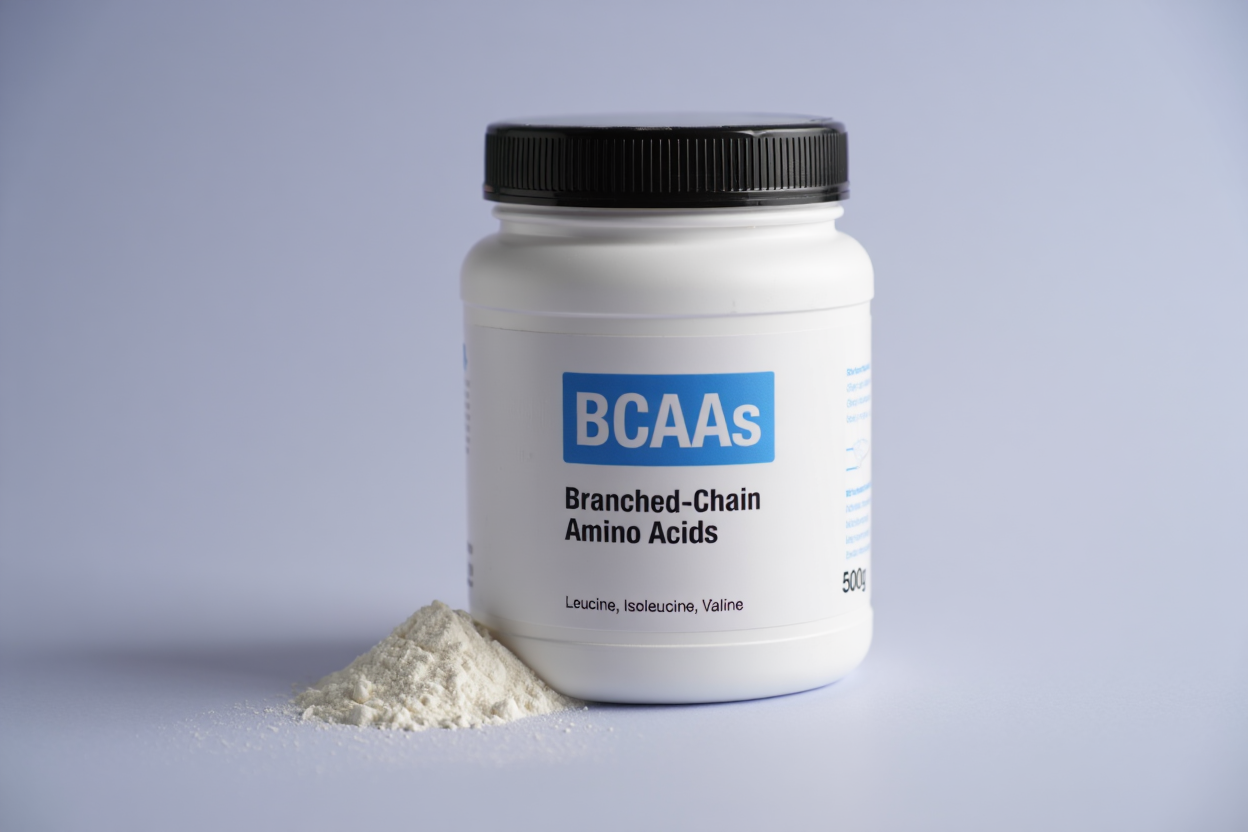
Branched-chain amino acids consist of three essential building blocks—leucine, isoleucine, and valine—that your body cannot produce independently. The specific BCAA ratio you choose is pivotal, determining whether your supplement prioritizes general recovery, enhances endurance, or promotes maximum muscle growth during intense training periods.
Why the 2:1:1 Ratio Remains the Gold Standard
The classic 2:1:1 ratio of leucine to isoleucine and valine remains the most extensively researched and scientifically validated formulation for the majority of fitness enthusiasts. This balanced approach optimally stimulates muscle protein synthesis while ensuring adequate levels of isoleucine and valine are available to fuel energy production and combat fatigue during strenuous exercise.
Premium formulas, such as Xtend Original, deliver a robust serving of 7 grams of branched-chain amino acids in this trusted 2:1:1 configuration, often boosted with beneficial additions like glutamine and citrulline malate. Research consistently confirms that this balanced composition in amino acid supplements effectively supports muscle recovery without relying on excessively high leucine levels that might lead to imbalances.
When to Choose Higher Leucine Ratios Like 4:1:1
Individuals focused on maximizing lean mass and achieving significant strength gains may benefit from a supplement with a higher leucine content. Since leucine is the primary activator of the mTOR pathway—the key driver of muscle protein synthesis—products with ratios like 4:1:1 or 10:1:1 enhance anabolic signaling. This makes them particularly useful for competitive bodybuilders and strength athletes seeking a powerful hypertrophy response.
If you opt for a supplement with this elevated leucine content, ensure your overall daily protein intake remains sufficient, ideally around 1.6 grams per kilogram of body weight. Be aware that some users notice a distinct aftertaste with very high-leucine BCAA products, so it’s wise to sample both standard and high-ratio formulations to find which best suits your palate and goals.
Matching Leucine Content to Your Training Volume
Athletes engaged in high-volume training with multiple daily sessions often achieve better results by tailoring their dose to maintain constant amino acid availability. If you train for more than four hours per week, consider increasing your total BCAAs intake to the higher range of 10-15 grams, distributed before, during, and after your workouts.
An effective serving size typically ranges from 5 to 10 grams of total BCAAs per session, providing approximately 1.25 to 2.5 grams of leucine per dose. For larger athletes or those with extremely demanding schedules, higher-dose powder options that offer 7.5 to 12 grams per serving maintain the same BCAA ratio while delivering the extra amino acid support needed for comprehensive muscle tissue maintenance and accelerated recovery.
Optimal Timing and Dosage for BCAA Supplement Use
To maximize the effectiveness of your BCAA supplementation, it's best to schedule intake around your workouts. This ensures that the amino acid delivery coincides with the moments your muscle tissue needs rapid nourishment the most. Regardless of whether you prefer a convenient powder, ready-made BCAA drinks, or tablets, precise timing is key to how well the formula can enhance muscle protein synthesis, overall protein synthesis, and post-exercise muscle recovery.
Pre-Workout BCAA Dosing to Preserve Lean Mass
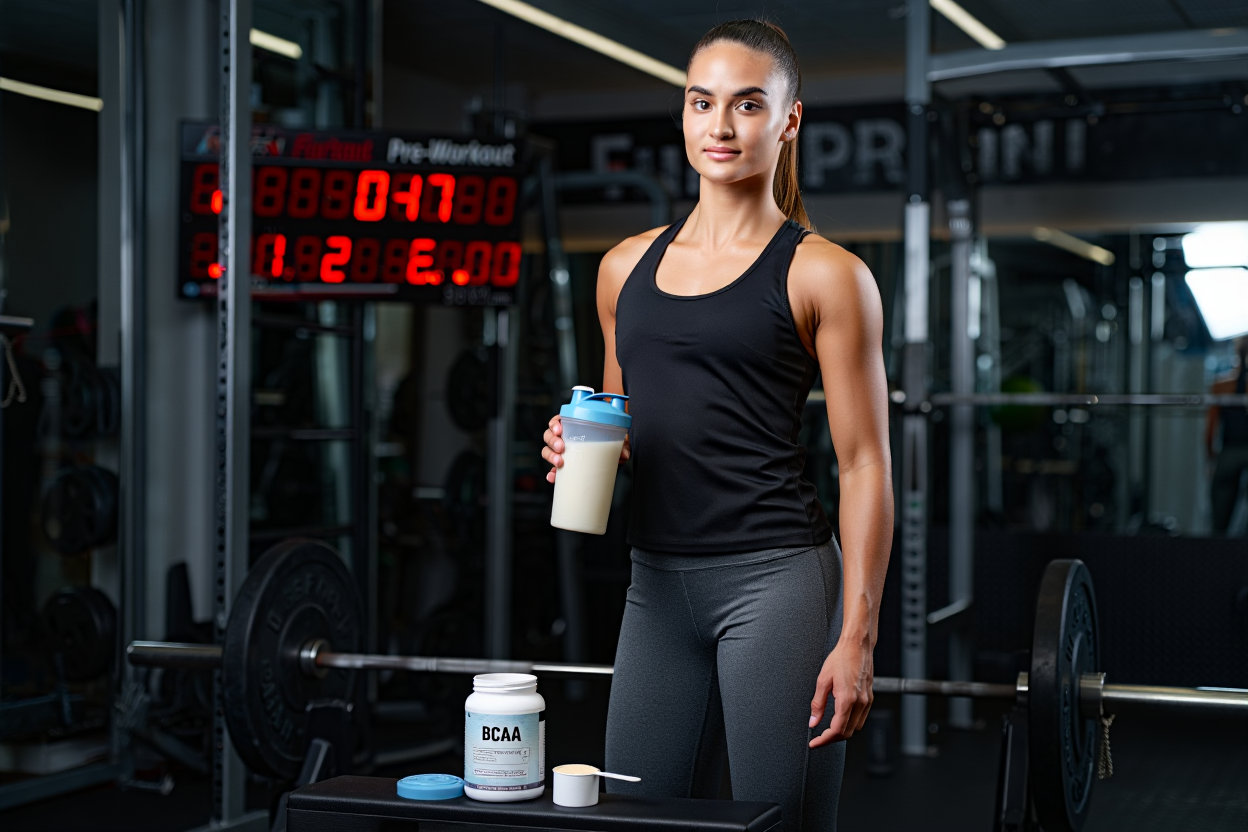
Taking 5–10 grams of branched-chain amino acids about 15–30 minutes before you start exercising provides immediate fuel and helps limit muscle breakdown. This strategy is especially vital during fasted or low-carb workouts, as taking BCAA supplementation from an external source can reduce catabolism and support muscle throughout the activity.
For example, the Xtend BCAA powder includes a blend of total BCAAs, electrolytes, and glutamine in one comprehensive formulation, offering a complete pre-training boost. Blood levels of these branched-chain amino acids typically peak around 30 minutes after consumption, which aligns the dosage perfectly with increasing workout intensity for the best possible muscle-preserving effects.
- Fasted-state training support: A pre-workout BCAA powder helps protect lean mass when you haven’t eaten beforehand.
- Energy substrate availability: Branched-chain amino acids serve as an alternative energy source, helping to reduce fatigue and maintain performance.
- Hormonal optimization: Having BCAAs available early promotes anabolic signaling while reducing cortisol-related muscle breakdown.
Since amino acid levels typically return to baseline about three hours after intake, you may want to fine-tune the timing based on the length of your session. Some athletes find that taking their supplement 45 minutes before working out offers more consistent support during longer or more demanding efforts.
Intra-Workout Strategies for Sustained Amino Acid Levels
Sipping on 5–10 grams of BCAAs mixed into 250–300 ml of water during your training helps maintain elevated plasma amino acid levels. This consistent supply supports ongoing muscle protein synthesis, helps fight fatigue, and aids muscle performance during high-volume or endurance workouts.
BCAA drinks consumed during exercise can also provide electrolytes, improving hydration. The versatility of a powder format allows you to adjust your total BCAAs intake during extended sessions without exceeding the recommended daily dosage.
Post-Workout Intake for Faster Recovery and Soreness Reduction
Consume an additional 5–10 grams of your BCAA supplement within 30 minutes after finishing your workout to speed up muscle recovery and reduce soreness. If you aren’t having a whole-food protein source right away, this fast-absorbing formulation can jumpstart repair processes and enhance the body’s anabolic response.
Combining BCAA supplementation with a recovery formula is an effective approach. This method targets multiple metabolic pathways and helps rebuild stressed muscle tissue, prepping you for your next training session.
Recommended products

Quality Markers in Branched-Chain Amino Acid Powder Formulas
When evaluating BCAA products, prioritize stringent manufacturing standards, complete ingredient transparency, and dependable third-party testing. Strong quality assurance protocols distinguish superior branched-chain amino acid powder supplements from those that skip independent audits or obscure important formulation details.

Third-Party Certifications and Manufacturing Standards to Verify
Look for certifications like NSF Certified for Sport, Informed-Sport/Choice, and ISO or UL audits—they offer objective evidence that every serving matches label claims and is free of banned substances. These programs test batches of BCAA tablets, powders, and other supplement forms, boosting consumer trust in product purity and accurate dosage details.
- NSF Certified for Sport: Confirms the absence of banned compounds and meets sport-specific supplement production standards.
- Informed-Choice certification: Tests every lot to protect competitive athletes from accidental contamination.
- cGMP manufacturing compliance: Ensures uniform amino acid levels, avoids contamination, and maintains end-to-end quality during production.
Facilities adhering to current Good Manufacturing Practices guarantee each powder batch is consistent, reducing contamination risk and delivering the promised grams of branched-chain amino acids per serving. Even affordable BCAA products can offer high quality when brands combine clear labeling with credible third-party testing, keeping effective amino acid powder accessible without a high cost.
Transparent labels showing exact amounts of leucine, isoleucine, and valine prevent hidden proprietary blends, helping athletes match the stated BCAA ratio and dose to their performance goals. Also consider container size and shelf life—while larger tubs lower the cost per dose, they might lose effectiveness after opening. Pick a size that fits your usage to keep the blend fresh.
Synergistic Ingredients That Enhance BCAA Drink Performance
Modern BCAA formulation methods combine core branched-chain amino acids with supporting ingredients focused on strength, stamina, and recovery. Including 1–2 grams of glutamine supports immune function and glycogen restoration, while citrulline malate improves blood flow, muscle pumps, and reduces soreness after training.
Electrolytes like sodium, potassium, and magnesium boost hydration and help prevent cramps during extended workouts, making BCAA drinks a complete intra-workout aid. B-vitamins improve amino acid use and energy production, and taurine supports heart function and muscle contractions, resulting in a well-rounded recovery supplement formula.
| Ingredient | Primary Function | Typical Dosage |
| Glutamine | Supports immunity and aids glycogen recovery | 1–2.5 grams per serving |
| Citrulline Malate | Promotes blood flow and pump sensation | 1–2 grams per serving |
| Electrolytes (Na+, K+, Mg²⁺) | Maintains hydration and prevents cramps | 200–300 mg combined per serving |
| Vitamin B6 | Facilitates BCAA metabolism and energy output | 200–230 µg per serving |
| Taurine | Enhances muscle contraction and recovery | 1–2 grams per serving |
Frequently Asked Questions
Xtend Original continues to be a top-tier BCAA product. Each serving offers seven grams of branched-chain amino acids in the scientifically-approved 2:1:1 ratio. It also includes glutamine, citrulline malate, and electrolytes that work together to enhance muscle protein synthesis and speed up muscle recovery. The Xtend BCAA supplement further stands out due to its rigorous quality assurance, transparent labeling, and its proven effectiveness among a wide range of athletes. For those seeking alternatives, EVLution Nutrition BCAA 5000 provides five grams of the same branched-chain amino formula per serving, delivering excellent protein synthesis support at a competitive dosage and price without compromising on overall supplement quality.
If you're an athlete who already hits your daily protein targets, you might only see minimal additional benefits for muscle protein synthesis from standard BCAA supplementation. However, a targeted BCAA supplement can be incredibly useful in specific situations—like fasted workouts, long endurance events, multiple training sessions in a day, or during low-carb diets. In these cases, the immediate delivery of amino acids can be crucial for supporting muscle recovery and preventing muscle breakdown. Checking out the best BCAA supplements is still a smart move when the need for specific timing, convenience, or rapid branched-chain amino availability is more important than whole-food sources.
Studies indicate that healthy adults who follow the recommended dosage—typically staying under thirty grams of total BCAA per day—do not experience any negative effects on kidney function from branched-chain amino acids. It is important to note that individuals with pre-existing kidney disease, maple-syrup urine disease, or other metabolic disorders should consult a doctor before use, as impaired amino acid metabolism can affect the supplement's safety. Current research, including data from studies on combat sport supplements, confirms that quality BCAA products are safe for the general population when the proper serving size, product quality, and a sound overall recovery plan are followed.
Share this article: