
Shopping Cart
Best supplements for muscle recovery post workout


This guide covers the best supplements for muscle recovery post workout, from protein powder and BCAAs to creatine and key micronutrients, so you know exactly what to take, when, and why.
Best post-workout supplements for muscle recovery and soreness
Every hard session creates small tears in muscle fibres. Recovery is the phase where tissue rebuilds, muscle repair takes place, and performance is restored.
Get your nutrition right and you can support muscle recovery more effectively; neglect it and fatigue, lingering muscle soreness, and slower workout recovery tend to follow.

Why protein powder matters after training
That recovery process starts with protein. After training, one of the most reliable post-workout supplements is a fast-digesting whey protein powder, because it delivers amino acids quickly when your body is primed for post-workout recovery.
The post‑workout whey protein from Cellucor provides 25g of isolate and concentrate per scoop, making it useful for supporting muscle repair after demanding sessions.
- Rapid absorption: Whey isolate and concentrate digest quickly, supplying amino acids within around 30 minutes.
- Low sugar formula: Minimal sugar and controlled carbohydrates fit lean mass or high-protein phases well.
- Palatability: Smooth mixing and flavours such as Vanilla Bean and Hershey's Milk Chocolate make daily use easier.
- Flexible preparation: Mix with water or milk depending on calorie needs and your post-workout recovery goal.
A useful benchmark here: 1.4 to 2.0g of daily protein per kilogram of body weight. As soon as training frequency rises, a shake can make that protein target much easier to hit, which is often the difference between average supplement use and a genuinely effective recovery strategy.
How BCAAs and creatine help with fatigue and soreness
Once protein intake is covered, the next layer is targeted support. BCAAs and creatine work through different mechanisms, yet both can support muscle function, reduce exercise-related muscle damage, and improve post-workout recovery.
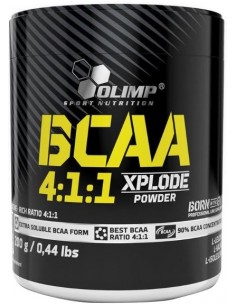
BCAAs, especially in a leucine-heavy 4:1:1 ratio, help limit catabolism and stimulate protein synthesis during and after training. The leucine rich BCAA formula from Olimp also includes L-citrulline to support circulation and the delivery of nutrients to working tissue.
In practice, this makes BCAAs relevant for high-frequency lifters, endurance athletes, and those looking at muscle recovery supplements for women as well as men.
By contrast, creatine helps replenish phosphocreatine stores, which supports ATP regeneration between repeated high-intensity efforts. The micronized creatine is the right choice when you want a proven tool for strength output and faster recovery, with performance improvements commonly reported in the 5 to 15% range.
Vitamins and minerals that support post-workout recovery
Alongside macronutrients, micronutrients also influence muscle recovery. Athletes who track macros carefully often overlook the nutrients that govern fatigue, tissue turnover, and normal muscle function.
- Vitamin B6: Supports energy metabolism and efficient use of protein after exercise.
- Magnesium: Helps muscle contraction and relaxation, supports electrolyte balance, and may reduce inflammation. Intense exercise can raise requirements by 10 to 20%.
- Vitamin C: Helps protect against oxidative stress and supports collagen formation for connective tissue.
- Vitamin D: Contributes to normal muscle function, bone health, and longer-term muscle repair.
Magnesium is worth noting because it is commonly lost through sweat. Once intake falls short, cramping, poor contraction quality, and slower recovery become more likely.
What helps your body recover faster beyond workout supplements
The best post-workout supplements work better when the basics are in place. Sleep drives hormone balance and tissue repair, while hydration affects circulation, temperature control, and the speed at which muscles recover.
The difference comes down to consistency: seven to nine hours of sleep and replacing around 1.5 litres of fluid per kilogram of body weight lost during exercise.
From there, active recovery helps blood flow without adding more strain. Omega-3 fatty acids may help with inflammation control, while post-training carbohydrates restore glycogen and support the energy side of post-workout recovery.
Frequently asked questions
What are the best post-workout supplements for muscle recovery?
The strongest approach covers three priorities: protein for supporting muscle repair, BCAAs to help limit muscle breakdown and stimulate protein synthesis, and creatine to restore phosphocreatine stores after hard training. Alongside these core recovery supplements, key nutrients such as magnesium, vitamin B6, and vitamin C help support muscle function while reducing oxidative stress.
Alongside this, electrolytes such as sodium, potassium, and magnesium become especially relevant after heavy sweating, because they help replace what you lose during intense effort.
How quickly do muscles recover after a workout, and can supplements speed this up?
Recovery time depends on session intensity. Lighter work is often resolved within 24 hours, while harder workout recovery commonly takes 2 to 3 days, and very demanding sessions can take longer. Sleep quality, stress, training status, and overall nutrition all influence muscle recovery.
Once those basics are in place, targeted workout supplements can help shorten the process. Whey protein powder, BCAAs, and creatine help address the physiological cost of training, which supports repair and can reduce soreness. Alongside this, restoring glycogen and replacing electrolytes through smart post-workout recovery intake supports faster, more complete recovery.
When should I take muscle recovery supplements for effective muscle recovery?
The most important window is usually the first 30 to 60 minutes after training. A serving of whey protein powder, around 25g, fits well here. BCAAs are more flexible: one serving before or during training, with another after training or before sleep, can help support recovery across the day and overnight.
From there, creatine is less about timing and more about consistency. A daily 3g intake is the usual recommendation, and taking it with a carbohydrate-containing drink may improve uptake.
Recommended products


Share this article: