Shopping Cart
Training in hot weather: how to stay hydrated and perform better


This guide covers everything you need to know about training in hot weather, how to stay hydrated, and how to perform better, from fluid timing and electrolyte choice to heat acclimation blocks that build lasting resilience.
Hot weather training: how to stay hydrated and perform better
Heat changes how your body responds to exercise. Your sweat rate rises, heart rate climbs sooner, and perceived effort goes up even when pace stays steady. Once you understand that shift, managing hydration, fuel, and recovery becomes far more straightforward.
Why heat makes it harder to train and drink enough
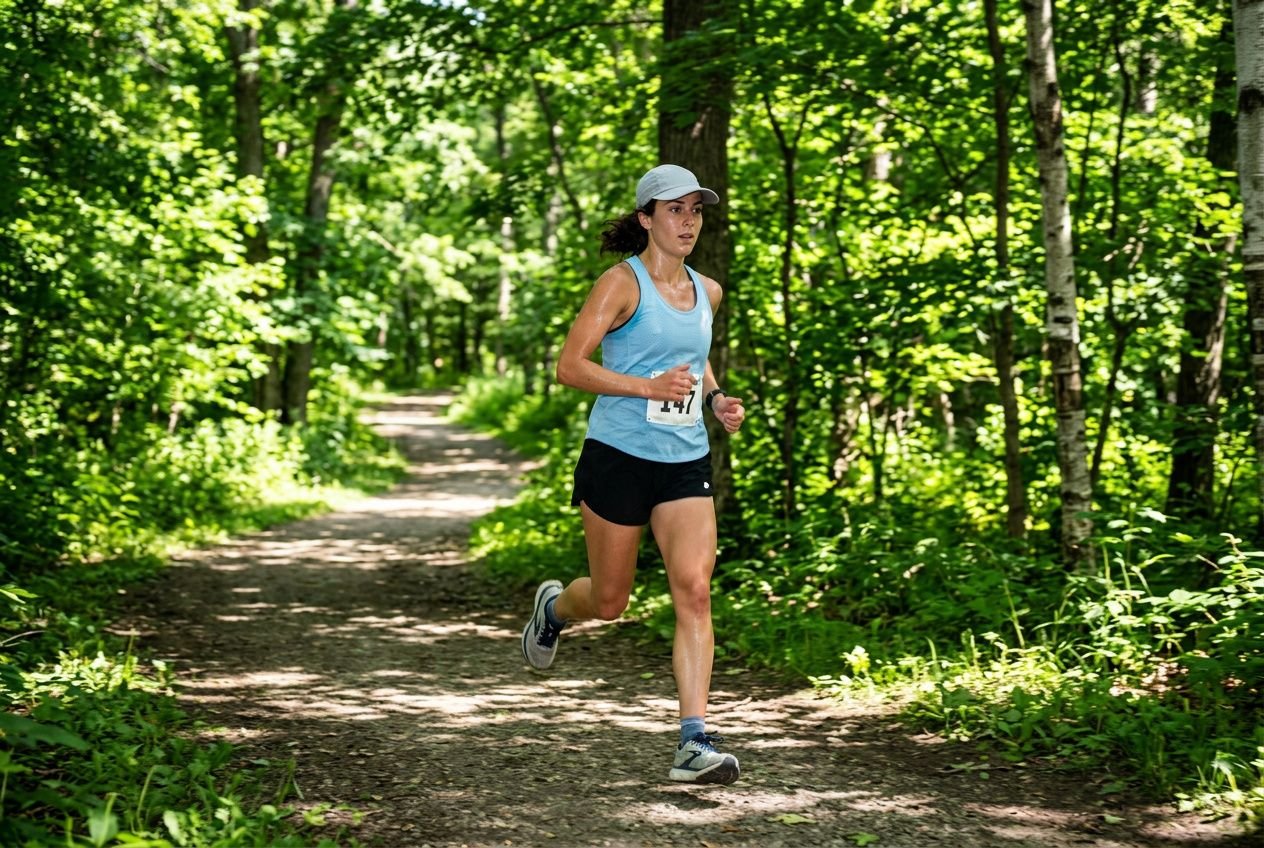
Training in the heat forces your body to split resources between working muscles and cooling. When humidity is high, sweat does not evaporate as efficiently, so cooling drops off and body temperature builds faster. The difference comes down to how well you can shed heat, not just how fit you are.
- Elevated heart rate Heat sends more blood towards the skin for cooling, which leaves less available for the muscles and raises heart rate at the same effort.
- Accelerated fluid loss Sweating can reach up to 10 litres per day during intense exercise in heat, so dehydration can develop quickly when you delay your drink plan.
- Impaired cognitive function Even modest dehydration can reduce decision-making speed, flexibility, and reaction time, not only physical output.
Professional athletes may lose anywhere from 0.5 litre to 10 litres of fluid across a day. Teams manage this by checking body mass before and after warm-ups, replacing losses with electrolyte-rich sports drinks, and monitoring urine colour.
What and how much to drink during hot weather sessions
A useful benchmark here is around 500 ml of fluid per hour, taken as 2–3 sips every 7–10 minutes rather than large amounts at once. Starting hydration early matters because absorption is gradual, and a late catch-up rarely works well during exercise in hot weather. Around 530 ml before and after each session can also limit post-exercise dehydration and support recovery.
Water on its own will not replace what sweating removes. Alongside fluid, you lose sodium, potassium, magnesium, and chloride, with sodium losses during running reaching roughly 1,230 mg per hour. Isotonic sports drinks with 4–8 g of carbohydrates per 100 ml are the right choice when exercise lasts beyond 60 minutes, because they support hydration and fuel at the same time. By contrast, hypotonic drinks with under 4 g per 100 ml suit shorter, harder sessions where digestive comfort matters, while hypertonic drinks are better kept for recovery rather than training in the heat.
| Drink type | Carbohydrate content | Best use case |
| Hypotonic | Under 4 g per 100 ml | High-intensity, shorter sessions |
| Isotonic | 4–8 g per 100 ml | Prolonged endurance exercise |
| Hypertonic | Over 8 g per 100 ml | Post-session recovery fuel only |
| Electrolyte powder | Minimal or zero | Rapid mineral replacement in heat |
Best electrolyte supplements for training in the heat
Once fluid loss rises, plain drinking water is not always enough. That's where a targeted electrolyte formula earns its place: the electrolyte hydration powder from Evogen Nutrition combines coconut water powder with sodium, potassium, magnesium, and calcium. It also includes citicoline for focus and taurine at 500 mg to 1 g per serving, which may support cellular osmoregulation and help limit cramping during heat stress.
Alongside this, some athletes need extra support for recovery between repeated sessions. The EAA hydration supplement from Nutrex Research provides 8 g of essential amino acids, including 3 g of L-leucine, with a coconut-water hydration complex. By contrast, the hydration electrolyte powder from Kaged Muscle includes a SPECTRA antioxidant blend from 22 fruit and vegetable extracts, aimed at the oxidative stress that can rise with heat exposure and hard summer workout blocks.
Heat acclimation: how to train your body to perform better
Repeated heat exposure triggers adaptation within days; fuller acclimatisation typically takes one to two weeks. Sessions are most effective when they raise body temperature to roughly 38.5–39°C, in conditions above 30°C for 60–75 minutes at 70–80% of maximum heart rate, a block your hydration plan must actively support throughout.
From there, controlling the obvious variables makes summer training more manageable. Use shade where possible, choose lightweight and light-coloured clothing, and favour moisture-wicking fabrics to support cooling. Early morning or late evening sessions can also reduce environmental stress, especially when humidity is high, cutting the heat load before acclimation is fully established.
Frequently asked questions
How much should you drink per hour when training in hot weather?
A useful benchmark here is around 500 ml per hour, taken as small sips every 7–10 minutes rather than in one go. That approach supports hydration, sits better in the stomach, and helps you perform more comfortably as soon as heat builds.
From there, adjust to your sweat rate and the conditions. If sweat loss is heavy or humidity is high, you will usually need more; after training in hot weather, urine colour remains a practical check for whether your intake was sufficient and whether dehydration may still be affecting recovery.
Why is plain water not enough during summer training?
Once sweating starts, you lose more than fluid. Sweat also carries sodium, potassium, magnesium, and chloride, and the difference comes down to replacement: water helps with hydration, but it does not restore electrolyte balance.
Alongside this, low sodium and other mineral losses can raise fatigue, reduce performance, and slow recovery before dehydration becomes severe. That is where an isotonic electrolyte drink earns its place, delivering sodium and key minerals that water cannot supply.
How do you reduce the risk of overheating during a hot weather session?
The pre-session window matters most: around 530 ml about 30 minutes before training is a sensible starting point. In practice, early hydration matters even more in heat and humidity, because heart rate climbs faster and cooling becomes less efficient.
As conditions get tougher, clothing choice matters as well. Lightweight, moisture-wicking, light-coloured clothing helps heat escape more easily, while shade during rest intervals and cold water over the neck and thighs support cooling and help limit fatigue.
By contrast, intensity often needs to come down in hot weather. Keep effort around 70–75% of maximum heart rate when heat and humidity are both high, and avoid alcohol and caffeine beforehand, as both accelerate fluid loss through increased urine output.
Recommended products

Share this article: