
Shopping Cart
Essential minerals for bodybuilding: boost muscle and fitness


What do minerals do for the body of a bodybuilder
Minerals are micronutrients your body cannot produce on its own. For bodybuilders, they underpin muscle function, strength, recovery, and the hormonal signals tied to adaptation, including testosterone. They convert training stress and dietary input into usable progress: enzymatic reactions, hormonal signals, and structural repair all depend on adequate mineral status.
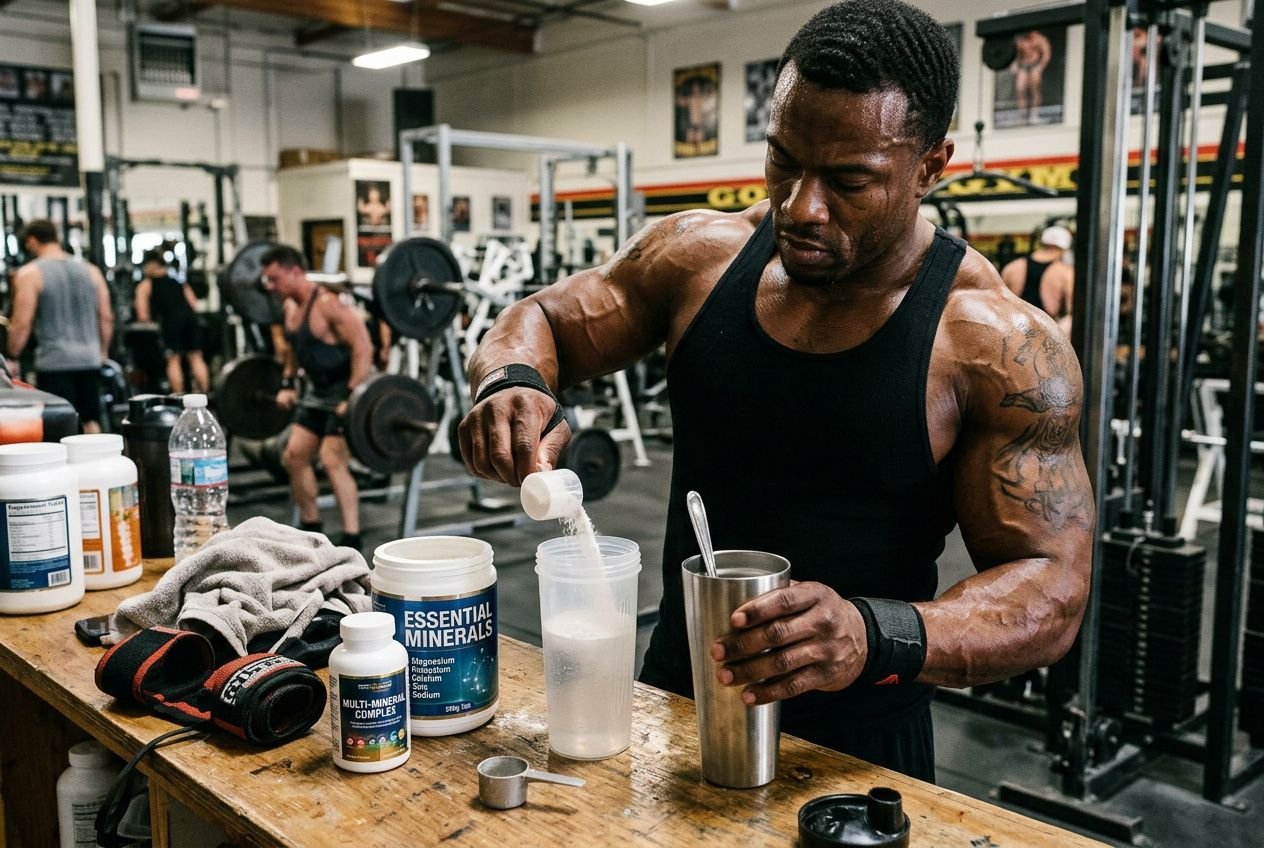
Minerals and muscle function: more than basic nutrition
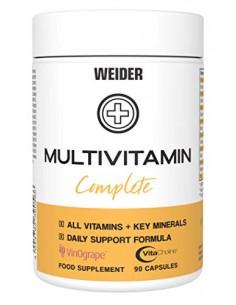
The most important minerals for the body do far more than support structure. Magnesium and zinc are involved in hundreds of enzymatic reactions linked to protein synthesis, energy production, and hormone regulation, while calcium is central to every muscle contraction. Once mineral status slips, even a strong diet becomes less effective. For broad coverage across all five, the Weider multivitamin complete delivers each in bioavailable forms.
Alongside this, iron and selenium help support oxygen transport, recovery, and immune resilience. These minerals also regulate fluid balance and nerve signalling, both of which shape training consistency.
Why athletes need more minerals than sedentary individuals
As training volume rises, mineral turnover rises with it. Strength sessions increase losses through sweat and place heavier demands on body processes tied to contraction, recovery, and adaptation. Magnesium needs can increase by 10–20% during intense training, and that requirement often climbs further during competition preparation or multiple daily sessions. The ADAM men's multivitamin is the right choice when you need broad-spectrum support to match that elevated demand.
Repeated contractions increase the use of essential minerals for bodybuilding, especially where muscle function, protein synthesis, and recovery are concerned. Modern diets, particularly processed ones, often leave low-level mineral deficiencies in place even when calories look adequate.
Deficiency risks when training intensity increases
In practice, performance usually falls before blood markers or obvious symptoms make the issue clear. Even mild zinc depletion over a few weeks can reduce endurance and total work capacity, while low iron can limit oxygen delivery and low magnesium can affect recovery and sleep.
Once calories drop, the risk grows. That shortfall is precisely when targeted mineral supplements prevent the low-level deficiencies that stall recovery and hormonal output. A well-chosen thyroid mineral supplement, combining iodine, zinc, copper, magnesium, and selenium, can help cover essential minerals for bodybuilding during calorie-restricted phases.
Most important minerals for muscle performance and growth
Building muscle is not purely a protein story. Alongside macros, a small group of essential minerals shapes how your body produces energy, contracts muscle tissue, supports protein synthesis, and adapts to training.
Magnesium and zinc: the muscle-building mineral duo
Among the essential minerals for body performance, magnesium and zinc sit near the top. Magnesium supports ATP production, helps muscle fibres relax after contraction, and has been shown to reduce post-exercise soreness by one to two points on a six-point scale at 24, 48, and 72 hours after training. Zinc plays a central role in protein synthesis and the regulation of testosterone and IGF-1, both closely tied to lean muscle growth.
That matters once training load rises. Magnesium drives recovery and energy turnover; zinc maintains the anabolic environment needed for muscle gain and sports performance.
Worth noting: high-dose zinc can reduce copper status over time. A formula using 25 mg zinc with 2 mg copper gluconate is a practical pairing, because it preserves mineral balance without creating a secondary deficiency.
| Mineral | Primary role | Key outcome for athletes |
| Magnesium | ATP production, muscle relaxation | Reduced soreness, improved recovery |
| Zinc | Protein synthesis, testosterone regulation | Muscle gain, hormonal support |
| Calcium | Muscle contraction trigger | Force generation, skeletal integrity |
| Iron | Oxygen transport via haemoglobin | Endurance, sustained performance |
| Phosphorus | ATP and creatine phosphate structure | Immediate energy for high-intensity efforts |
Calcium, phosphorus and iron for contraction and endurance
From there, contraction and endurance depend on a different set of essential minerals. Calcium is the direct trigger for muscle contraction: when calcium ions are released inside the cell, they activate the machinery that lets muscle fibres generate force and move weight. The same mineral also supports bone integrity, which matters just as much when strength training volume climbs.
Alongside this, phosphorus underpins ATP and creatine phosphate. In practice, that means immediate energy during high-intensity efforts, where repeated output depends on how quickly your muscles can regenerate fuel.
Iron covers the delivery side. It carries around 98% of oxygen in the blood to working muscle tissue, and when iron intake is too low, fatigue rises, endurance falls, and sports performance starts to slide. In the UK, iron deficiency remains one of the most common nutritional deficiencies and affects more than half of regularly training women of menstruating age.
They influence everything from energy production and testosterone status to force output and recovery, the foundations of sustained training quality.
Key trace minerals that support muscle recovery and health
Beyond magnesium, zinc, calcium and potassium, a wider group of essential minerals for body maintenance works quietly in the background. They help protect muscle tissue, support energy production, and regulate the systems that influence body composition. For muscle recovery, these trace elements are not optional extras: deficiency here does not announce itself, it simply stalls progress.

Potassium and electrolytes for muscle endurance
Potassium is the main electrolyte inside the cell. It maintains the electrical gradient nerves rely on to trigger muscle contractions and sustain output under load. Among the essential minerals for bodybuilding, it is often missed, even though low potassium can mean cramping, weakness, fatigue, and shortened endurance under load.
- Potassium maintains the cell membrane gradients needed for nerve-driven muscle contractions through every set.
- Sodium regulates fluid balance outside the cell, shaping hydration status and performance capacity.
- Magnesium supports neuromuscular signalling alongside potassium, helping limit cramps and early fatigue.
- Calcium completes the electrolyte balance, sustaining the contraction-relaxation cycle from the first rep to the last.
All four electrolytes are lost in sweat, and a hard session can leave a real shortfall that carries into the next workout if intake does not keep up. Mineral supplements can be the right choice when you need to restore these essential minerals for body function efficiently, without pushing calories higher.
Selenium, copper and trace minerals for recovery
Once electrolyte status is covered, recovery depends just as much on oxidative control. Hard training increases free radical production, which can damage muscle fibres, slow recovery, and leave soreness lingering longer than it should. That’s where selenium earns its place: 50 µg from selenomethionine supports antioxidant defence and helps limit the cellular stress that disrupts adaptation.
- Selenium supports antioxidant defence against exercise-induced oxidative stress, helping recovery between sessions.
- Copper works alongside zinc to maintain enzymatic balance; 2 mg of copper gluconate helps preserve that ratio in higher-zinc formulas.
- Iodine supports thyroid function, which helps regulate metabolic rate and daily energy expenditure.
- Chromium and manganese support glucose metabolism and more efficient nutrient use during and after intense training.
Alongside this, molybdenum supports enzyme systems involved in amino acid metabolism. Their absence can create the kind of low-level dysfunction that quietly limits energy output, recovery, and long-term progress. As part of a complete intake of essential minerals for bodybuilding and other mineral supplements, they reinforce the enzymatic and metabolic network that underpins both muscle recovery and overall body health.
Recommended products

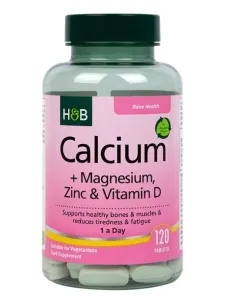

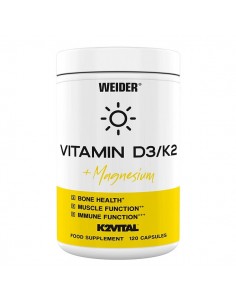
Choosing the right mineral supplement for muscle gains
Not all mineral supplements work to the same standard. Bioavailability matters: what counts is how much your body can absorb and use, and that varies sharply between forms and between formulas. For muscle gain, the difference comes down to two things at once: choosing the right minerals and choosing a product that delivers them well.
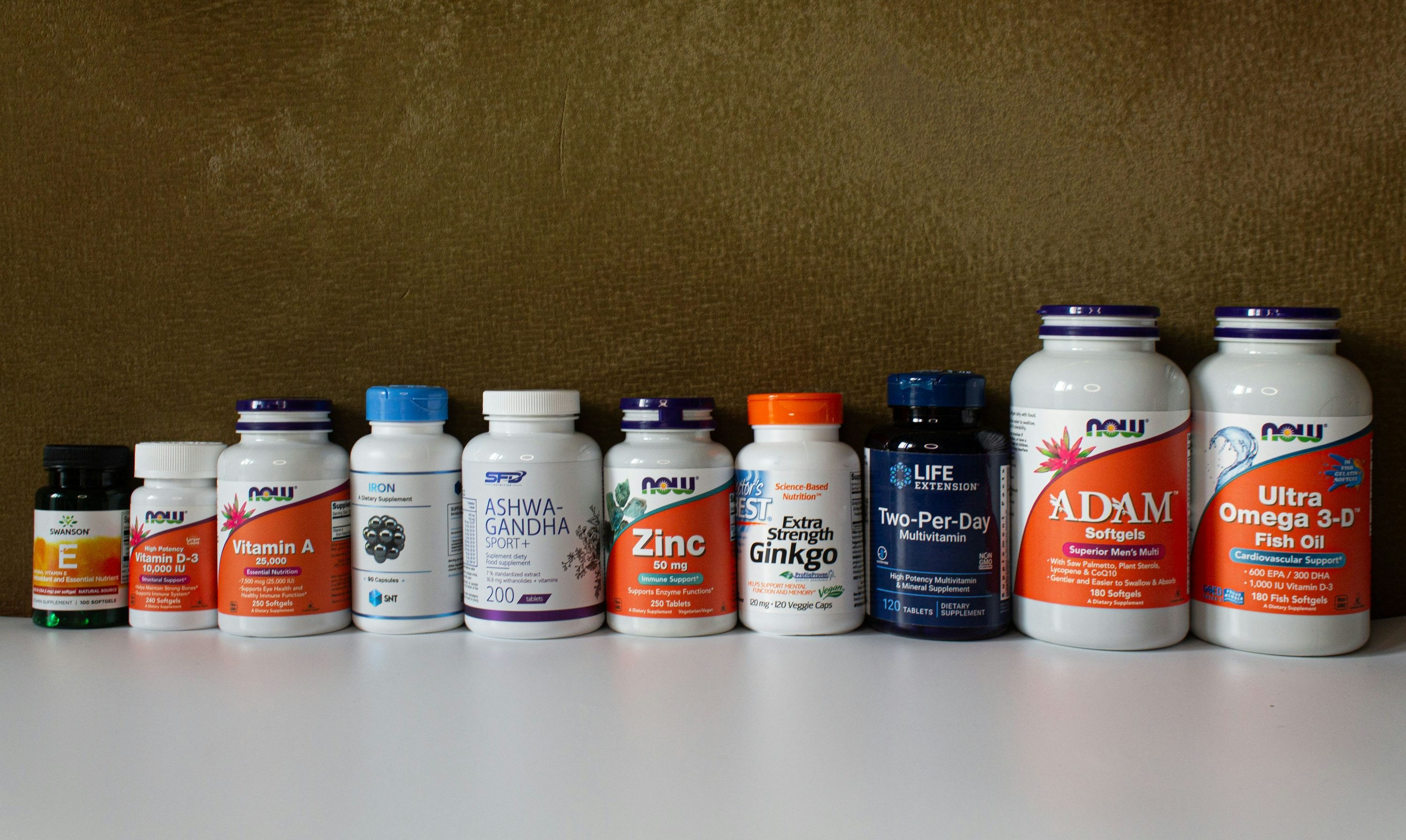
What to look for in a bodybuilding mineral formula
The best mineral supplement for bodybuilding combines broad coverage with forms your body can actually use under training stress. That means magnesium as bisglycinate or citrate, zinc as gluconate or picolinate, selenium as selenomethionine, and copper gluconate. Alongside this, a formula that also includes iron, iodine, chromium, manganese and molybdenum gives you wider support against the mineral deficiencies that hard training can expose.
A well-built formula can do more than cover minerals alone. Added pine bark extract (100 mg) and grape seed extract (150 mg) bring antioxidant and anti-inflammatory support, which can help limit joint and muscle tissue stress between sessions. Vitamins and minerals in one daily product also make compliance easier.
Supplement forms that maximise mineral absorption
Taking mineral supplements daily with meals improves uptake, because food stimulates digestive enzymes and gastric acid that help absorption. A useful benchmark here is piperine: 5 mg of black pepper extract in a premium formula can enhance bioavailability across the wider vitamin and mineral profile.
From there, active vitamin forms strengthen how the formula performs. Methylcobalamin, the active form of vitamin B12, supports energy metabolism and helps you meet the energy demands of training. Vitamin B6 supports protein synthesis and broader protein metabolism, while also working with zinc in processes linked to anabolic hormone regulation. Alongside this, a 50:50 blend of synthetic and natural vitamin E forms improves antioxidant delivery to muscle tissue, complementing the protective role of selenium.
Targeted minerals for cutting and calorie-deficit phases
As soon as calories drop, the risk shifts. Food volume falls, intake of vitamins and minerals often slips with it, yet training output usually stays high. That is precisely when mineral supplementation for athletes earns its place most clearly.
During a cut, the best option is a comprehensive mineral formula with no caloric burden. For preserving muscle while dieting, and for keeping protein synthesis moving in the right direction, mineral supplements remain among the most practical tools for protecting your progress.
Minerals for bone strength, immunity and long-term muscle health
Heavy lifting puts sustained mechanical stress on your skeleton. When mineral density is lacking, bone becomes the limiting factor in strength progression before muscle capacity does. Alongside structural support, specific vitamins and minerals also regulate immune function, which shapes how often illness disrupts a training block.
Calcium and vitamin D3 for skeletal muscle support
Calcium is the core structural mineral in bone, yet its role goes further: it also triggers muscle contraction at cellular level. Vitamin D3, or cholecalciferol, improves calcium absorption, and without it a large share of dietary calcium passes through unused.
- Vitamin D3 improves calcium absorption and helps raise bone mineral density, which matters for load-bearing capacity under heavy weight.
- Vitamin K2 helps direct calcium into bone tissue rather than soft tissue, completing the D3-calcium pairing.
- Magnesium works alongside calcium and vitamin D3 to support skeletal integrity and neuromuscular signalling during resistance training.
In practice, this mix of important vitamins and essential minerals forms the base of a long-term nutrition plan for strength work.
From there, zinc adds another layer. Zinc supports testosterone, and testosterone contributes to both bone density and muscle mass. The difference comes down to interaction between those roles rather than any single nutrient acting alone.
Essential minerals for elderly and masters athletes
As that foundation becomes harder to maintain with age, minerals for bone and immune health matter even more. Masters athletes often absorb nutrients less efficiently and face a higher fracture risk, which means the same intake brings less benefit than it did at 25. That is why essential minerals for elderly lifters need both adequate dosage and bioavailable forms.
- Calcium absorption declines with age, and pairing it with vitamin D3 helps offset reduced intestinal uptake.
- Magnesium supports sleep quality and muscle recovery, both of which commonly decline in older athletes.
- Zinc helps maintain testosterone and immune response, which tend to fall over time without regular replenishment.
Iron deserves separate attention, especially for female masters athletes. Iron deficiency remains the most common nutritional deficiency in the UK among women of menstruating age. When iron is low, oxygen delivery falls with it, and training capacity drops long before programming becomes the issue.
Alongside this, the Weider Multivitamin Complete covers this base in a single daily serving: calcium, magnesium, zinc and iron to support muscle recovery, muscle gain and long-term skeletal resilience.
Immune health minerals to protect consistent training
Illness is one of the most overlooked reasons progress stalls.
Zinc and selenium are the two essential minerals most directly linked to immune resilience. Zinc supports white blood cell production and may shorten recovery time, while selenium helps protect cells against the oxidative stress that rises with high training volume. That is where selenium earns its place for bodybuilders pushing repeated hard sessions.
By contrast, vitamin C supports the same system from the antioxidant side. Taken alongside zinc, it helps defend cells against exercise-induced oxidative stress and may reduce the immunosuppressive window that follows intense sessions, when bodybuilders are more vulnerable to respiratory infections.
Consistent daily intake remains the right choice when your goal is uninterrupted progress. Essential vitamins and minerals taken with meals help maintain steadier levels of zinc and selenium across the week, instead of the peaks and troughs that come with sporadic use. Over months and years, that stability supports immune health, muscle recovery and bone strength.
Frequently asked questions
Which minerals are most important for bodybuilders?
For most bodybuilders, the priority minerals are magnesium, zinc, calcium, iron, selenium, and potassium. Each covers a different part of training demand: magnesium supports ATP production and muscle relaxation, zinc contributes to muscle protein synthesis and testosterone regulation, calcium is central to muscle contraction, iron helps deliver oxygen to working tissue, selenium supports antioxidant defence, and potassium helps maintain normal muscle function.
Worth noting: a well-formulated multivitamin and mineral product that also includes trace nutrients such as iodine, copper, and chromium can help cover the broader needs that come with hard training.
Can you get enough minerals from diet alone when training intensively?
By contrast, when training volume is high, food alone often falls short of optimal mineral intake because sweat losses rise, metabolic turnover increases, and heavily processed diets tend to be light in key nutrients.
The gap is usually widest during calorie restriction: food intake drops while mineral demands stay elevated, making shortfalls more likely.
In practice, taking a daily mineral supplement with meals is an efficient way to maintain coverage without adding calories.
How do minerals support muscle recovery between sessions?
Once training is done, muscle recovery depends on several overlapping roles. Magnesium can help reduce soreness and support sleep quality, zinc contributes to tissue repair and immune support, selenium helps counter the free radicals produced during exercise, and potassium helps restore the electrolyte balance needed for effective nerve signalling and normal muscle function.
Taking minerals daily with a meal helps keep these nutrients available through the recovery window, when the muscle is adapting to training stress and preparing for the next session.
Share this article: