Shopping Cart
How to use protein powder in recipes: a complete guide


Stirring a scoop of protein powder into your yogurt is a quick, no-cook trick for an immediate protein boost. Here's how to enrich your daily meals—from smoothies to baked treats—effortlessly. You'll boost your protein intake without any complex techniques or special gear.
How to Use Protein Powder in Baking and Everyday Food
Protein powder easily upgrades regular recipes into high-protein meals by substituting part of the dry ingredients. Mastering how to use protein powder in food comes down to getting the ratios right to preserve texture. Our protein powder recipes give you clear, simple substitution ideas to start with.

Flour Substitution Ratios for Whey Protein Baking
Swap up to 25% of your flour for protein powder, fine-tuning based on your results. For items like pancakes, waffles, or large batches, try replacing a half cup of flour with protein. Whey protein powder is great for lighter bakes because it dissolves smoothly and avoids grittiness.
- Moisture Adjustment: Since protein soaks up more liquid than flour, add a bit more wet ingredients. Extra milk, yogurt, applesauce, or nut butter keeps your bakes moist and tender.
- Temperature Reduction: Turn down the oven heat slightly or cut the baking time—protein helps baked goods set faster than traditional recipes.
- Texture Lightening: A dash of baking powder improves fluffiness. Mix gently to prevent clumps of protein in your batter.
- Substitution Limit: Stick to a max 25% flour replacement—too much protein makes bakes gritty and crumbly.
Plant-based protein powders work especially well in denser items like cakes or brownies. Unflavored types give you full control over the taste. Gluten-free formulas can fully replace wheat flour, perfect for specific diets.
Texture and Moisture Tips for Chocolate Protein Cakes
Chocolate and protein are a natural match, but nailing the texture means carefully balancing wet ingredients. When learning how to use protein powder in baking, remember: extra moisture is key. This prevents your protein cake from drying out and masks any powdery aftertaste.
| Recipe Type | Protein Powder Amount | Flour Replaced | Extra Wet Ingredients | Temperature Adjustment |
| Chocolate protein cake (2+ cups flour) | ½ cup | ½ cup flour | +2 tablespoons | -15°C, -10 min |
| Chocolate protein muffins | ¼ cup | ¼ cup flour | +1 tablespoon | -10°C, -5 min |
| Chocolate protein cookies | 3 tablespoons | ¼ cup flour | +½ tablespoon | Standard bake time |
Using a flavored vanilla protein powder can enrich recipes subtly without dominating. Unflavored powders let the chocolate shine. Always test with a small substitution first, then gradually increase as you get comfortable.
Choosing the Right Protein Powder for Your Recipe
Basic whey protein powder works well in lighter items like pancakes and cookies thanks to its neutral taste—especially the unflavored kind, which dissolves fast. Our vegan protein powder, meanwhile, blends seamlessly into both baked and no-bake recipes.
Sweet recipes pair nicely with a touch of flavor, while unflavored powder offers more versatility. Avoid fruity powders unless the flavor complements your dish—like berry with cocoa or a citrus blend.
Strong flavors can overwhelm delicate bakes, so start with unflavored options when experimenting. Once you master the ratios, flavored types simplify things—they add sweetness and taste without extra ingredients.
How to use protein powder in overnight oats and porridge
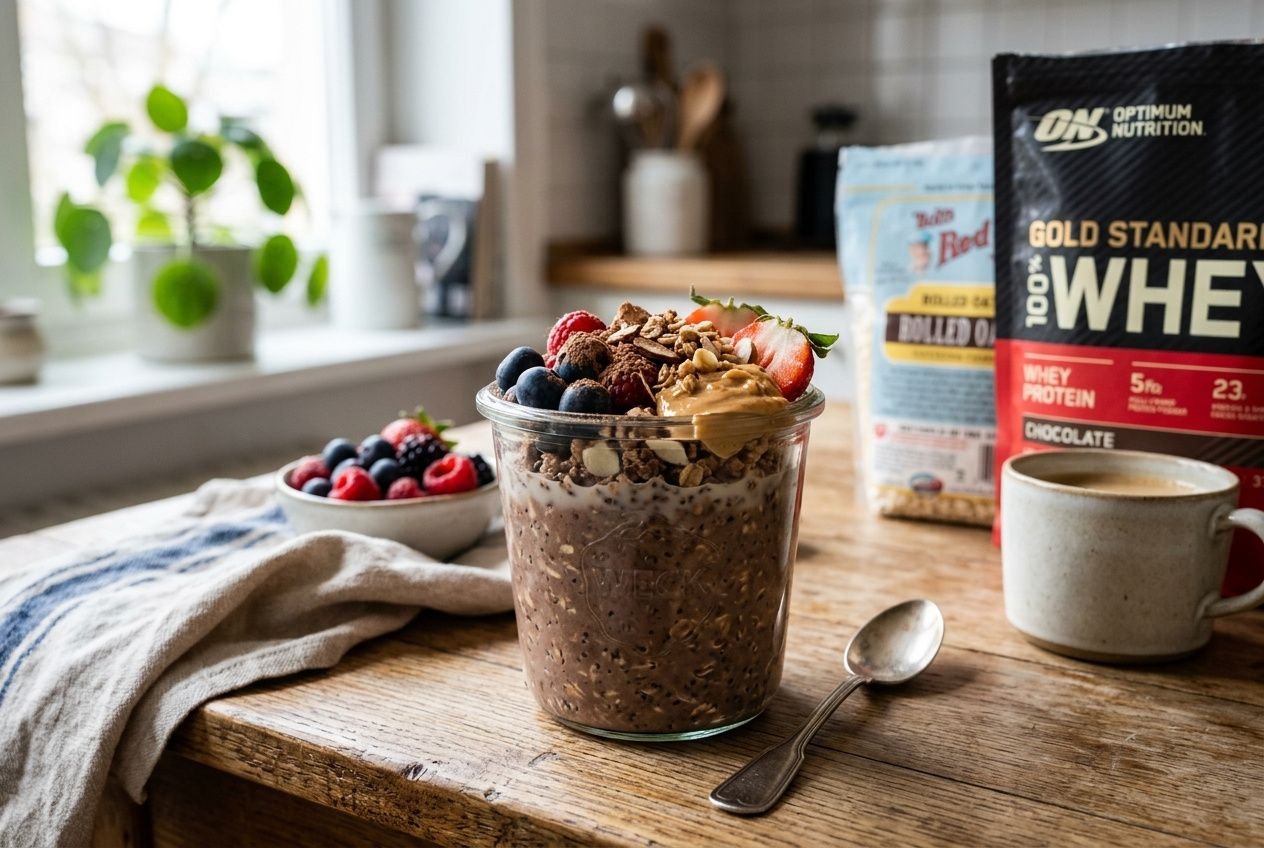
You can turn overnight oats into a complete protein breakfast with zero cooking and no special tools. Mastering how to use protein powder in overnight oats is just about getting the ingredient ratios right. A single serving can deliver up to 30g of protein, making your morning meal incredibly convenient and satisfying.
Adding protein powder to overnight oats step by step
Start by measuring ¼ to ⅓ cup of protein powder per serving for your overnight oats. Mix it directly with your dry oats and other ingredients—the grains will absorb the liquid. Give everything a thorough stir to avoid clumps, then let it sit in the fridge overnight to set.
By morning, you'll have a creamy, ready-to-eat meal. Plant-based protein powders blend seamlessly with both dairy and non-dairy milks, suiting any dietary preference. They also add beneficial fiber for better digestion and steady energy throughout your day.
Chocolate and vanilla protein porridge for breakfast
Stirring a scoop of protein powder into warm meals helps stabilize blood sugar and curb mid-morning cravings. Vanilla protein powder is a versatile pick—it easily mixes into oatmeal without extra sweeteners. For a treat, chocolate flavors work wonderfully with berries or banana slices.
Figuring out how to use protein powder in porridge means adding it to warm—not boiling—liquid. This protects the protein's structure and prevents gritty clumps from ruining your breakfast.
- Temperature timing: Let your porridge cool slightly before adding protein powder, since boiling liquid can degrade its texture.
- Flavor combinations: Pair vanilla with fruit, chocolate with seeds or nut butter, and hemp protein with savory flavors.
- Topping strategy: Add texture and nutrients with dried blueberries, almonds, or fresh fruit.
Boost your bowl by mixing in chia seeds, flax, or walnuts. These add-ins contribute healthy fats and turn your meal into a fully balanced, lasting fuel source.
Protein oats energy balls with rolled oats
Energy balls are a no-bake, portable snack. To make them, add protein powder to your ingredients, form the mix into balls, and chill. If your recipe calls for two cups of oats, swap out half a cup for your powder.
This ratio maintains a chewy texture and provides about 10g of protein per serving. A dollop of nut butter helps bind the mix and adds healthy fats. Rolling them in shredded coconut keeps them from sticking in storage.
Recommended products
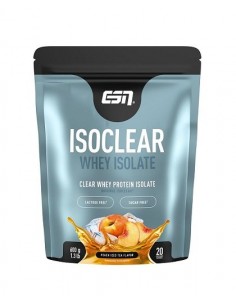
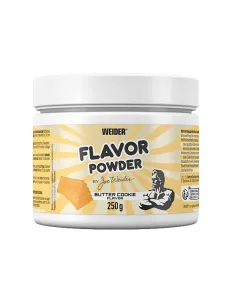
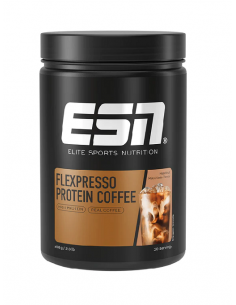
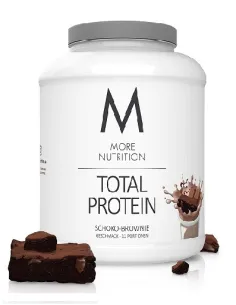
Using protein powder in smoothies, coffee, and shakes
Adding a scoop of protein powder to your smoothie is a quick way to boost its nutrition. The key to using protein powder in food lies in avoiding clumps while keeping the texture smooth. These tips will transform your morning drink into a healthy, muscle-building meal.
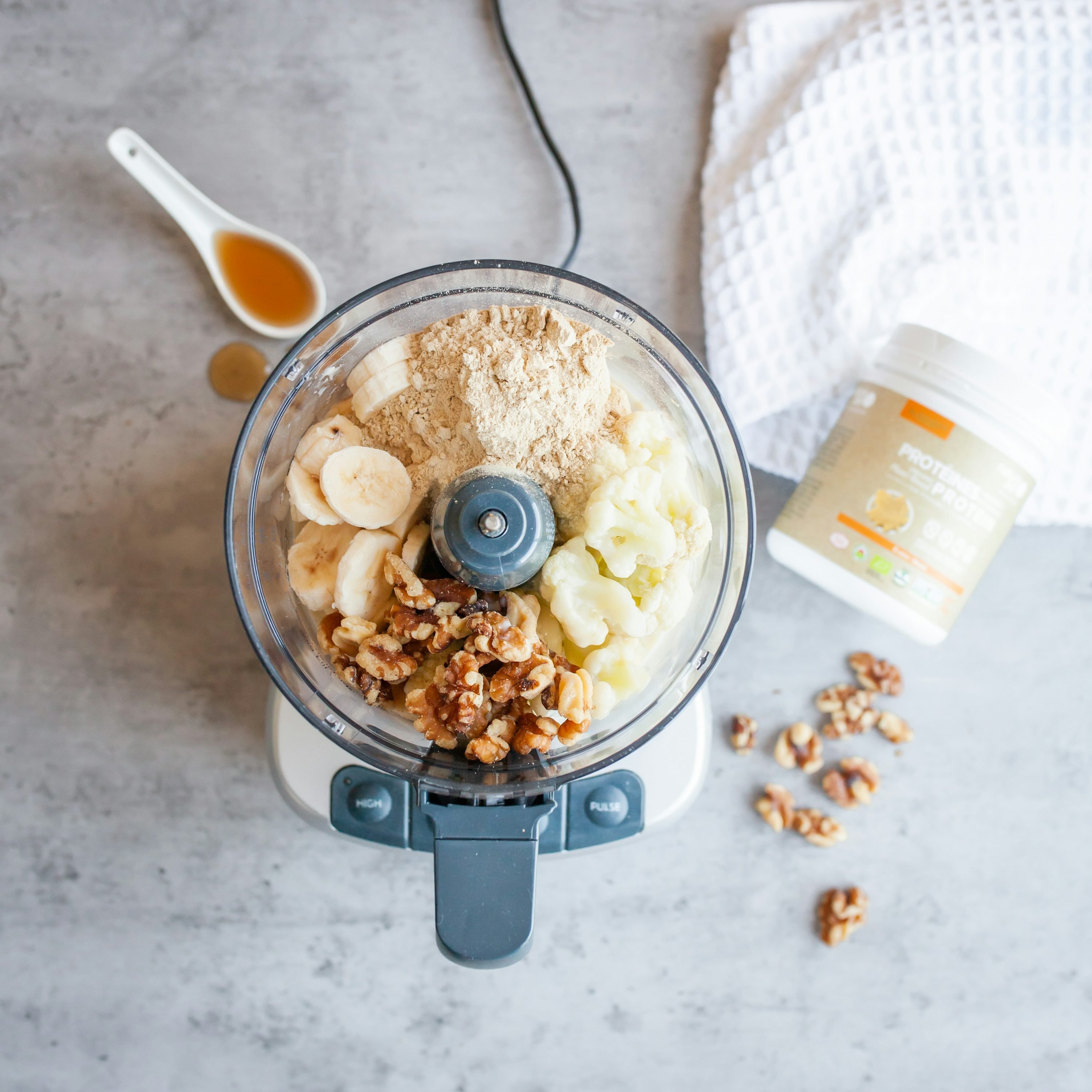
How to blend whey protein into smoothies without clumping
Start by pouring your liquid base into the blender, then add the protein powder, and finish with solid ingredients like oats and fruit. This method helps prevent those annoying clumps and guarantees a perfect blend. A good ratio to try is 200ml of milk or yogurt with one scoop of protein powder.
This quantity dissolves effortlessly without any heat or extra work. For a refreshing shake, blend whey protein powder with spinach, apple, and kiwi. It also pairs wonderfully with almond milk and bananas, or oat milk and fresh blueberries.
- Liquid base: Begin with milk or yogurt to help the powder dissolve into a silky smooth texture.
- Mixing order: Liquids first, protein powder next, then frozen fruit last for the best consistency.
- Timing: Blend everything for 30 to 45 seconds after adding the protein powder to get rid of any graininess.
Adding protein powder to your morning shake keeps you fuller for longer and helps reduce mid-day snacking. Post-workout, a shake is excellent for muscle repair thanks to the amino acids, especially if you use a high-quality whey protein powder.
Research shows that using too much pea protein can slightly affect the texture of smoothies. Striking the right balance is essential for a drink you’ll actually enjoy. One pea protein smoothie study found that some people actively preferred these higher-protein options.
Can you mix protein powder into coffee or hot drinks
Don’t add powder directly into boiling hot drinks—it’ll clump up immediately. Instead, let your drink cool down a bit first. Learning how to use protein powder in coffee is simple when you use naturally sweetened formulas—they blend in without adding extra calories.
- Temperature: Wait until your coffee is lukewarm before stirring in the powder.
- Sweeteners: Go for options sweetened with stevia for zero-calorie flavor that mixes well in warm drinks.
- Mixing: A shaker bottle or whisk helps combine everything smoothly and keeps lumps at bay.
You can also stir your scoop of protein powder into a bit of room-temperature milk first. Then, slowly pour this blend into your hot coffee. This prevents the shock from the heat and gives you a perfectly smooth result.
Quick yogurt and chocolate protein pudding recipes
Making a protein pudding couldn’t be easier and only takes seconds. Just stir 200ml of yogurt or milk with your favorite protein powder. Chocolate flavors turn it into an instant, satisfying protein dessert that curbs sugar cravings.
No cooking is required—this simple recipe works with vanilla, chocolate, or indulgent flavors like tiramisu. You can customize it to fit your mood and dietary needs every day.
Top it off with fresh berries, coconut flakes, or a dollop of nut butter for extra flavor and nutrients. You can even refrigerate this protein pudding for up to two days, making meal prep a breeze.
Frequently Asked Questions
You can replace about a quarter to half a cup of flour with protein powder. For a protein pancake, larger recipes usually need half a cup, while smaller batches only require a quarter cup. Don't forget to add an extra tablespoon of milk or yogurt to keep everything perfectly moist.
Absolutely, plant-based protein powders work wonderfully in denser recipes like protein bread and protein cake. They do absorb more moisture than whey, so be sure to add an extra tablespoon of liquid per quarter cup used. Always test a small batch first to check the final texture before baking a full recipe.
Just stir a scoop of protein powder into warm yogurt for an instant, no-cook protein pudding. Or, you can blend it into overnight oats the night before to save time in the morning. Another great option is to mix a scoop into a smoothie with fruit and oats for a nutritious breakfast.
Share this article: