Shopping Cart
Whey and casein protein powder blend: the complete guide


This guide covers everything you need to know about a whey and casein protein powder blend: how the two proteins work together, when to use them, and which options make sense for muscle growth, workout recovery, and body composition.
Why combine casein protein and whey protein in one blend
Whey protein drives muscle protein synthesis quickly after training. Casein protein digests more slowly and helps keep amino acids available for hours. Put together, whey and casein protein give you what each does not fully provide alone: rapid uptake, then a sustained supply for recovery and repair.
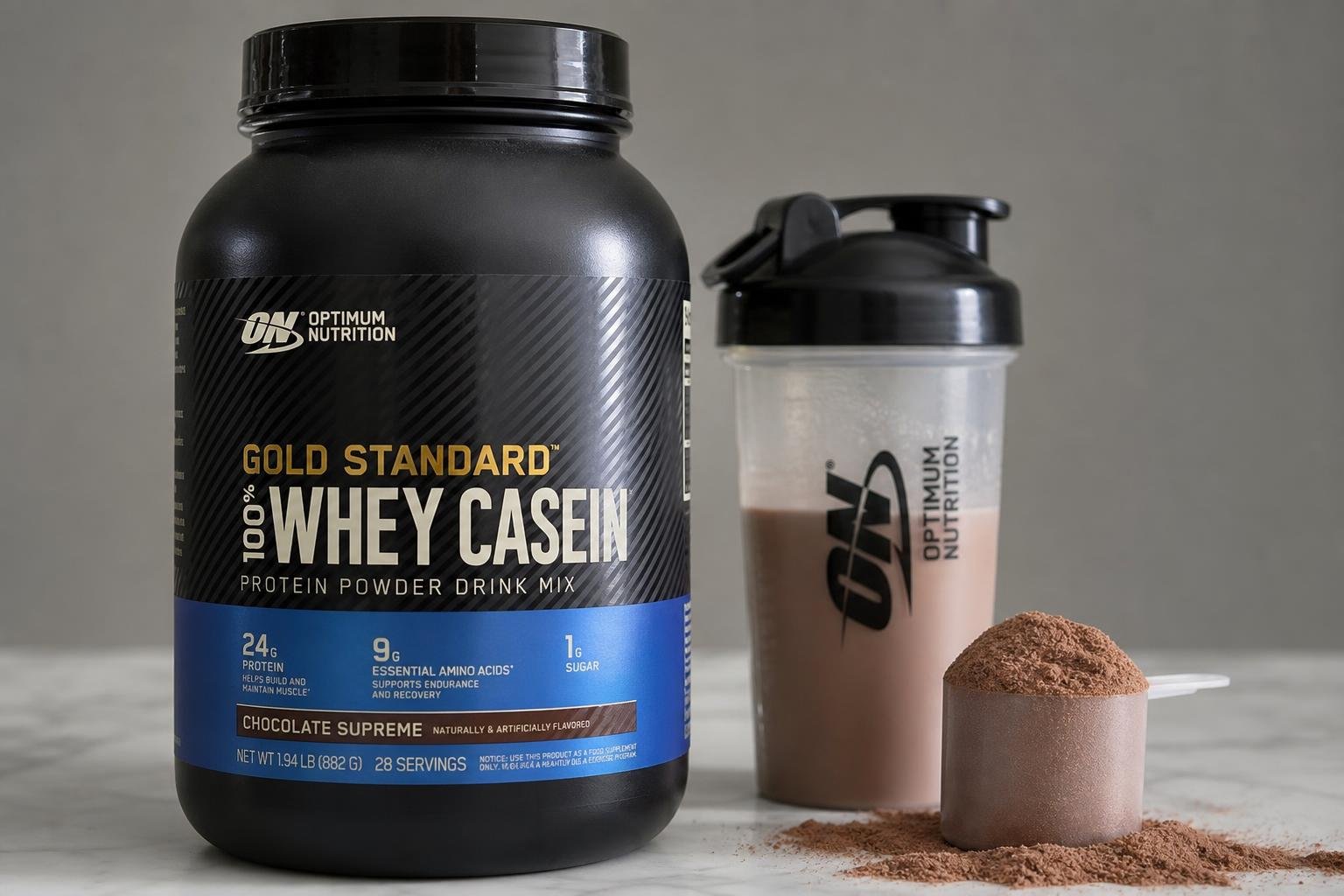
How whey protein and casein protein digest differently
The key is digestion rate. A well-formulated whey and casein protein powder uses the contrast between fast and slow digestion to support amino acid delivery over several hours, not only straight after training.
- Rapid whey absorption: Whey protein typically reaches peak blood amino acid levels within 1 to 2 hours, which is why it is associated with rapid absorption and immediate anabolic signalling post-exercise.
- Slow casein digestion: Casein forms a gel in the stomach and releases amino acids gradually over 6 to 7 hours. Blood amino acid levels can stay elevated for up to 6 hours after intake.
- Intermediate blend speed: When you are combining whey and casein, the overall absorption profile sits in the middle: whey still provides the early rise, while casein extends the window.
- Leucine content advantage: Whey is richer in BCAAs and offers stronger leucine content. Casein contributes a broader spread including histidine, methionine and phenylalanine, helping cover the full spread of essential amino acids needed for recovery.
| Property | Whey protein | Casein protein | Blend |
| Digestion speed | Fast (1–2 hrs) | Slow (6–7 hrs) | Intermediate |
| Amino acid peak | Sharp spike | Gradual plateau | Spike + sustained plateau |
| Plasma elevation duration | 60–90 minutes | Up to 6 hours | Extended |
| Primary benefit | Rapid absorption & synthesis | Anti-catabolism | Dual-action support |
| BCAA profile | High leucine | Moderate leucine | Balanced complete profile |
The synergistic muscle-building effect of blending both proteins
Research often points to a 50/50 approach for muscle growth: whey starts the process fast, while casein helps maintain the anabolic environment for longer.
Alongside this, a blend can keep plasma amino acids elevated deeper into the recovery window. That matters for amino acid delivery, protein retention and overall workout recovery. In practice, the benefit is not only the first surge in leucine, but how long the muscles remain supplied afterwards.
Whey and casein in milk: the natural dual-protein source
Whey and casein in milk already show this dual-protein model in food form. Milk contains roughly 20% whey and 80% casein, which is why milk protein has long been relevant in sports nutrition for both training support and slower feeding periods.
From there, using casein powder with milk can raise total protein intake and energy density at the same time. That can suit a bulk, an overnight shake, or even a thicker meal replacement when appetite is low.
Best whey and casein protein powder blend to consider
Product choice still matters. The difference comes down to protein sources, serving size, texture and how you plan to use the formula day to day.
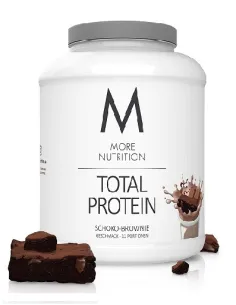
- More Nutrition Total Protein: A structured whey casein blend with a clean nutritional profile. The mix of whey concentrate and casein supports post-training use as well as slower-release feeding.
- Body Attack Power Protein 90: This whey casein blend provides 41 g of protein powder protein per serving from hydrolysed whey, whey concentrate, milk protein concentrate and casein. Fat and sugar stay low, while the multi-source profile covers both fast and extended amino acid needs; flavours include Chocolate, Vanilla and Strawberry, with 17+ options in total.
- PEScience Select Protein: The PEScience Select Protein formula is a creamy whey and casein protein powder built for easy daily use. That is where protein blends earn their place: easy daily use and flexibility across the day.
Body Attack Power Protein 90 is the right choice when you want the highest protein per serving; the other two suit everyday recovery use and flavour variety.
Frequently asked questions
Is it good to mix whey and casein protein together?
Yes. A blended protein shake gives you two distinct phases of absorption: the fast rise from whey protein and the steadier delivery from casein protein. In practice, that means better overall protein retention than using whey protein powder on its own, which is useful when you want stronger muscle recovery and less muscle breakdown between meals.
That same pairing also improves amino acid coverage across the full recovery window, not only in the first hour after training. The difference comes down to timing: whey supplies a quick leucine-rich trigger, while casein extends availability for longer.
When is the best time to take a whey and casein protein blend?
That longer amino acid coverage shapes the timing. After training is one of the best options: your muscles are primed, whey protein supports rapid absorption, and the casein fraction continues delivery once the initial spike fades.
Alongside this, overnight use is especially well supported. Taking at least 40 g before bed can help preserve muscle mass during the 7–8 hour fast of sleep, making a slow-release protein the practical choice at this hour.
From there, the same blend also fits long daytime gaps between meals. Whey and casein protein is the right choice when you need a protein powder that covers more than the short window a whey-only shake can provide.
How does a whey and casein blend compare to whey isolate alone?
Whey isolate is faster and typically purer, but its amino acid rise is short-lived, often around 60 to 90 minutes. By contrast, a whey and casein blend gives up a little speed for longer delivery, keeping plasma amino acids elevated for several hours.
Once meal frequency drops, that matters more. For daily protein intake spread across fewer meals, or during a calorie deficit when hitting targets becomes harder, the blend is often more practical because it supports satiety as well as supply.
Casein protein powder alongside whey protein powder provides a broader balance of essential amino acids, much like whole-food dairy proteins that naturally contain both fractions.
Recommended products

Share this article: