Shopping Cart
How to mix protein powder without clumps in your shake


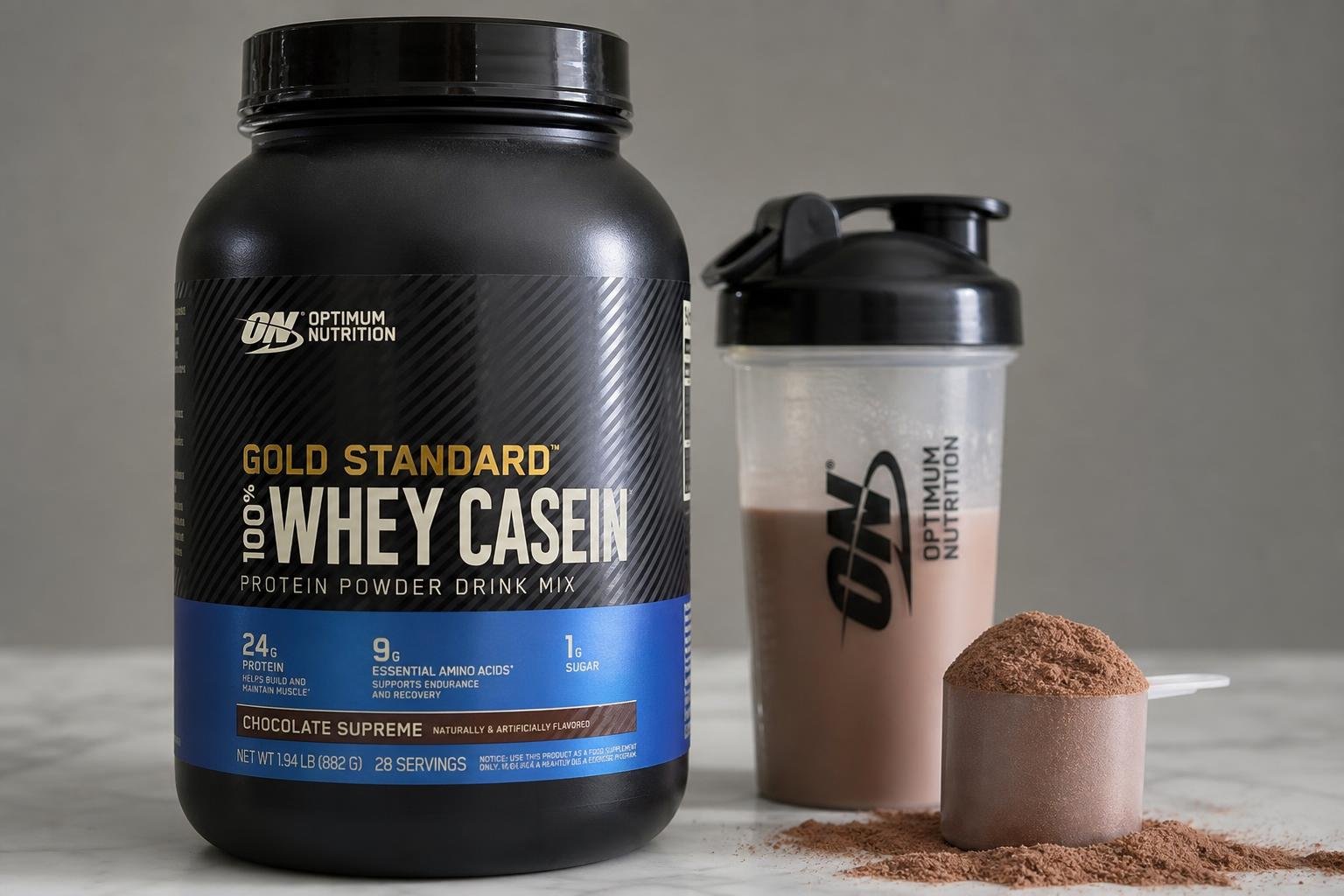
This guide covers everything you need to know about how to mix protein powder without clumps, from the correct ingredient order to temperature control, tool selection, and storage, so every shake comes out smooth and lump-free.
Protein shake mixing instructions to prevent clumps
Most clumping starts with two habits: adding powder before liquid, or using liquid that is too cold. Fix those first and you avoid most lumpy shakes before they happen. Even an instant whey protein powder will mix better when your method is right.
The instant whey mix from Olimp is designed to dissolve quickly, but the difference comes down to technique as much as formulation.
The right order to add powder and liquid
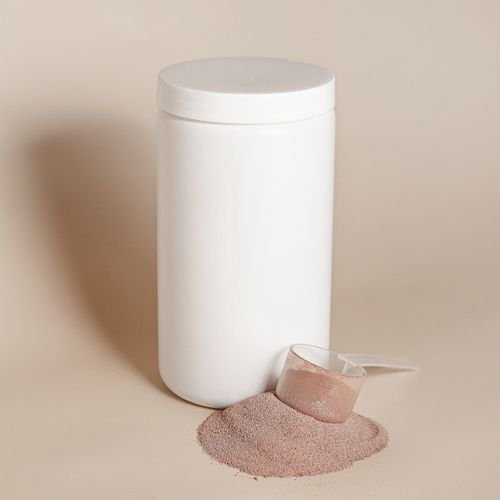
If you want to know how to mix protein powder properly, start here: liquid first. Pour your chosen liquid into the shaker or blender first: this stops powder compacting at the base and lets it begin dissolving on contact.
- Liquid first: Pour your water or milk in before anything else; this limits clumping and keeps powder from sticking to the base and sides.
- Protein powder second: Pour it over the liquid so it begins dissolving on contact rather than clumping at the base.
- Extras last: Once the powder-before-liquid rule is in place, add fruit, sweeteners, or ice afterwards to keep the blend more even.
Adding powder before liquid is one of the most common mixing mistakes. In practice, that single change often improves texture immediately, especially with finer whey protein powders that form dry pockets and turn into a lumpy protein shake very quickly.
Liquid temperature and ratio for a smooth shake
Once the order is right, temperature matters next. Cold liquid can slow how the powder disperses, which makes shaking less effective and leaves a rougher texture. Start with a cool or room-temperature liquid, then chill the protein shake afterwards if you prefer.
The tub recommends 1 scoop, or 35 g, with 150 ml of water or milk, which produces a thick shake. For a smoother texture with less clumping risk, 300 to 350 ml per scoop is a useful benchmark here.
Too little liquid turns the mix into a thick paste that will not stir properly, even with prolonged stirring or hard shaking in a shaker bottle.
Prep steps before you mix your powder
Powder that has been sitting for a while can compress in the tub, and that raises the chance of clumping before you even start to mix protein.
- Shake the tub first: A brief shake loosens compacted powder and helps you scoop a lighter, more even serving.
- Break up compacted powder: If needed, sift it before use; this helps mix protein powder more evenly and reduces lumpy shakes.
- Measure accurately: Too much powder for the amount of liquid is a direct cause of a lumpy protein shake and a heavier texture.
Alongside this, your tool matters. A shaker with a mixing ball is usually enough for a standard shake, while a blender is more useful when the blend includes oats, fruit, nut butter, or ice. If you only use a spoon, stirring can work, but it is slower and less reliable for fine powder.
Some formulas are simply easier to handle. The clear whey protein from ESN Isoclear is made to dissolve in cold liquid with minimal foam, so it sidesteps many of the usual common mixing mistakes. Isolate and hydrolysate formats generally dissolve faster and produce less foam, making them the right choice when texture is the priority.
How to mix protein powder without a shaker or blender
Not every situation gives you a shaker bottle or a blender. You can still get a smooth protein shake, even when you are working with basic kitchen tools.
Best tools for a clump-free protein shake
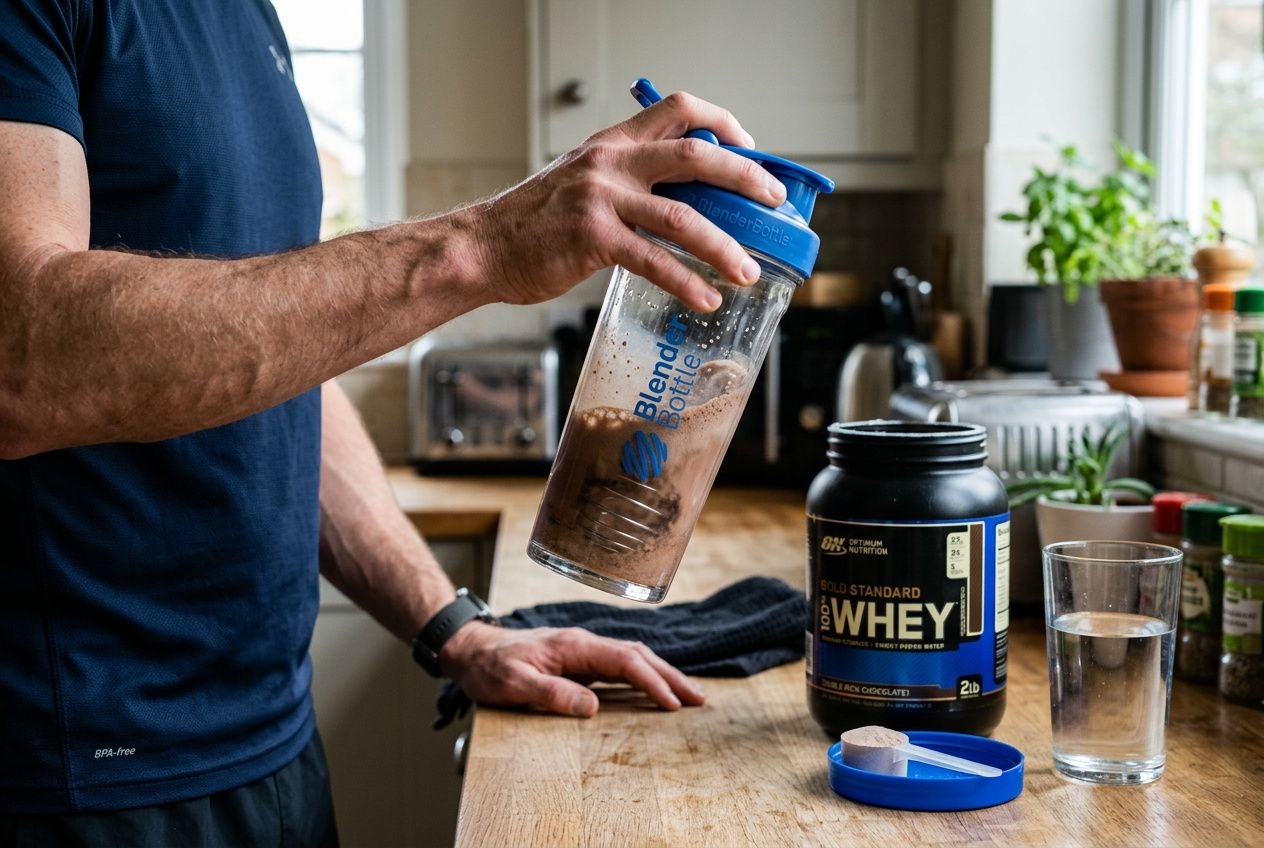
A shaker bottle with a wire whisk ball is still the easiest portable option. Around 20–30 seconds of shaking usually gives you a clump-free shake with a better texture than most quick manual methods.
Alongside this, a high-speed blender is the right choice when you are at home and want a thicker blend. It handles fruit, nut butters, and larger servings of powder without clumping, which makes layering flavours or bulkier blends straightforward. A handheld milk frother sits neatly in the middle: compact, quick, and useful for everyday blending when full-size kit feels excessive.
Manual methods when no equipment is available
Once you are without dedicated kit, the most reliable answer to how to mix protein powder without shaker or blender access is the paste method. Start with a small amount of liquid, mix protein powder into it first, then build from there until you have a loose paste.
As soon as that base is smooth, add the rest of the liquid gradually while stirring, dry pockets form when liquid meets unmixed powder all at once.
- Fork or balloon whisk: use circular stirring in a bowl to mix protein powder into liquid when no dedicated shaker is available.
- Ice cubes in a sealed container: add one or two cubes to a jar or bottle, then use steady shaking to break up remaining clumps.
Instantised whey tends to go smooth more easily, while plant-based options are often denser and more prone to clumping. In practice, that is where the paste method earns its place.
How to reduce foam and improve shake texture
Foam is different from clumping, but technique affects both. Hard, jerky shaking pulls in more air, whereas steadier shaking over 20–30 seconds usually gives you a smoother shake and a cleaner texture.
By contrast, a mesh-filter shaker can create less foam than a wire ball shaker bottle because the movement is gentler during mixing protein powder. Once your shake is ready, let it stand for 1–2 minutes: bubbles rise, the texture settles, and the drink feels smoother.
A small amount of nut butter can also help during blending. The added fat softens froth and improves the overall texture, especially if you are mixing protein powder flavours into a thicker blend.
Recommended products
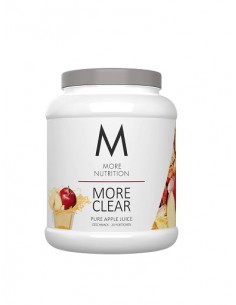
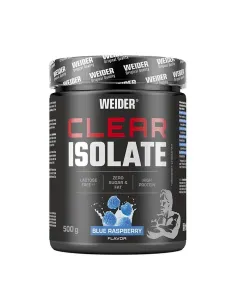
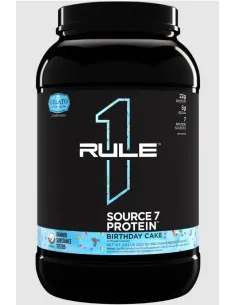
Choosing the right powder for a smoother protein shake
Technique helps, but it cannot rescue a poor powder. The formula behind your whey protein or plant blend decides how easily it will dissolve, how much clumping you get, and whether the final texture turns out smooth or gritty.
If you are focused on how to mix protein powder properly, start with a product designed for easy mixing rather than trying to fix a stubborn powder clump with extra shaking or stirring.
How powder type affects clumping and texture
When you mix protein powder into a shake, the raw material makes the biggest difference. Whey isolate and hydrolysed whey usually have a finer structure, so they dissolve faster and give you a smooth protein shake with less effort than heavier concentrates.
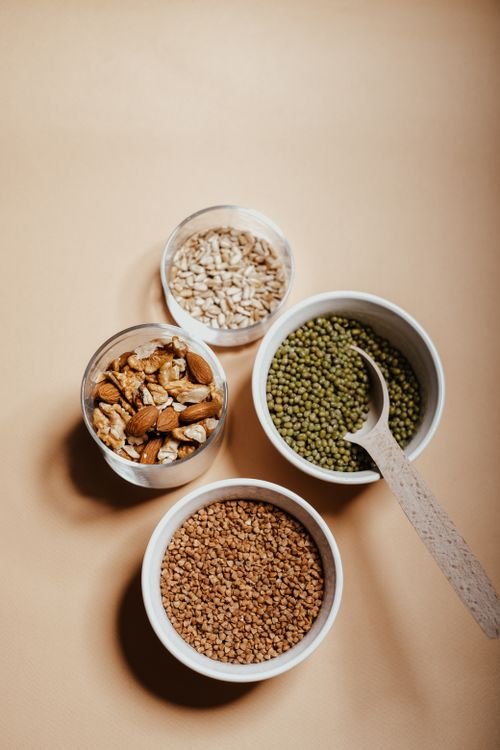
By contrast, plant formulas often contain insoluble fibre, which leaves a grittier texture no matter how carefully you mix them: tool choice matters more here than with whey.
- Whey isolate: fine powder, fast to dissolve, low clumping risk; a strong choice for a clean, smooth shake with water or milk.
- Whey concentrate: slightly denser than isolate; works best in an instantised blend with soy lecithin and xanthan gum to reduce lumps.
- Hydrolysed whey: shorter protein chains help it dissolve almost instantly, with very little clumping risk.
- Plant-based protein: insoluble fibre means it will not fully dissolve; tool choice, shaker versus blender, makes more difference here than with any whey formula.
A useful benchmark here: instantised formulas are built for easier mixing. Olimp Whey Protein Complex 100% uses gum arabic, xanthan gum, sodium carboxymethyl cellulose, and soy lecithin to improve dispersion, while ESN Isoclear relies on an isolate process that removes fat and lactose, allowing the powder to dissolve in cold water into a clear drink.
Mixing protein powder with yoghurt and other foods
Once you move beyond a standard protein shake, the method changes. Mixing protein powder with yoghurt works best when you start with a small spoonful of yoghurt, add the powder gradually, and build the mixture step by step until the texture is even.
If you tip the full scoop in at once, dry pockets form quickly, and no amount of stirring will fully mix the protein into a thick base afterwards.
Storage tips to prevent powder clumping
Moisture is the main reason powder forms lumps in the tub, which makes every later shake harder to smooth out.
Keep the container airtight and store it somewhere cool and dry: not in a bathroom, and not near cooking heat. The silica gel packet is worth keeping inside, especially in humid conditions, because it helps prevent clumping before you even start mixing protein powder.
Worth noting: even a well-formulated whey protein can lose solubility if storage is poor. Consistent storage matters almost as much as technique: whether you use water or milk, a shaker, or a blender, a poorly stored powder will fight you at every step.
| Powder type | Clumping risk | Best liquid | Key advantage |
| Whey isolate | Low | Cold water | Dissolves fast, clear texture |
| Whey concentrate (instantised) | Low–medium | Water or milk | Smooth shake, cost-effective |
| Hydrolysed whey | Very low | Water or milk | Fast absorption, no fillers |
| Plant-based protein | High | Lukewarm liquid | Dairy-free option |
| Organic / whole food protein | High | Blender recommended | Minimal additives |
Frequently asked questions
Why does my protein powder clump even when you use a shaker?
In most cases, the difference comes down to order. Adding powder before liquid lets it settle and compact at the bottom before shaking even starts.
A better blend starts with water or milk first, protein powder added on top. That simple switch helps the powder dissolve evenly into a smooth shake.
Alongside this, cold liquid can make clumping worse because it slows how quickly the powder disperses. Room-temperature liquid is often the right choice when you want to mix protein cleanly, then chill it afterwards if needed.
How do you mix protein powder without a shaker or blender at home?
Once a shaker is out of reach, the paste method works well. Add the protein powder to a small amount of liquid first and work it with a fork into a smooth base, then keep stirring as you add the rest.
In practice, this helps dissolve stubborn pockets before they turn into lumps. A whisk gives you more control again, while a sealed jar can stand in for a shaker if you rely on firm shaking to break up the remaining clumps.
Does the type of protein powder affect how easily it clumps?
Yes, quite a lot. Whey protein that has been instantised with ingredients such as soy lecithin, gum arabic, or xanthan gum will usually blend faster and stay smooth far better than powders without those additions.
A useful benchmark here: whey isolates and hydrolysates tend to have a finer particle size, which lowers the risk of clumping and helps the powder dissolve more quickly. By contrast, plant-based powders with more insoluble fibre are harder to mix evenly and often need more stirring.
From there, method matters just as much as formula. With these powders, avoid powder before liquid, use less cold liquid at the start, and rely on a blender for the cleanest shake if standard shaking does not fully dissolve the powder.
Share this article: