
Shopping Cart
Magnesium for athletes: boost performance and recovery


For athletes, magnesium is a crucial mineral that supports peak physical performance and aids in muscle recovery. This guide delves into why magnesium is so important for your training and how a deficiency can hinder your athletic results. We also examine which forms of magnesium are most effective for active individuals looking to maximize their exercise performance.
Why Magnesium Is Essential for Sports Performance and Recovery
This key mineral is involved in over 300 biochemical reactions that directly fuel athletic activity. These include enabling muscle contraction and relaxation, producing ATP energy, and transmitting nerve signals. These processes are fundamental for reaching your fitness goals and maintaining high energy levels.
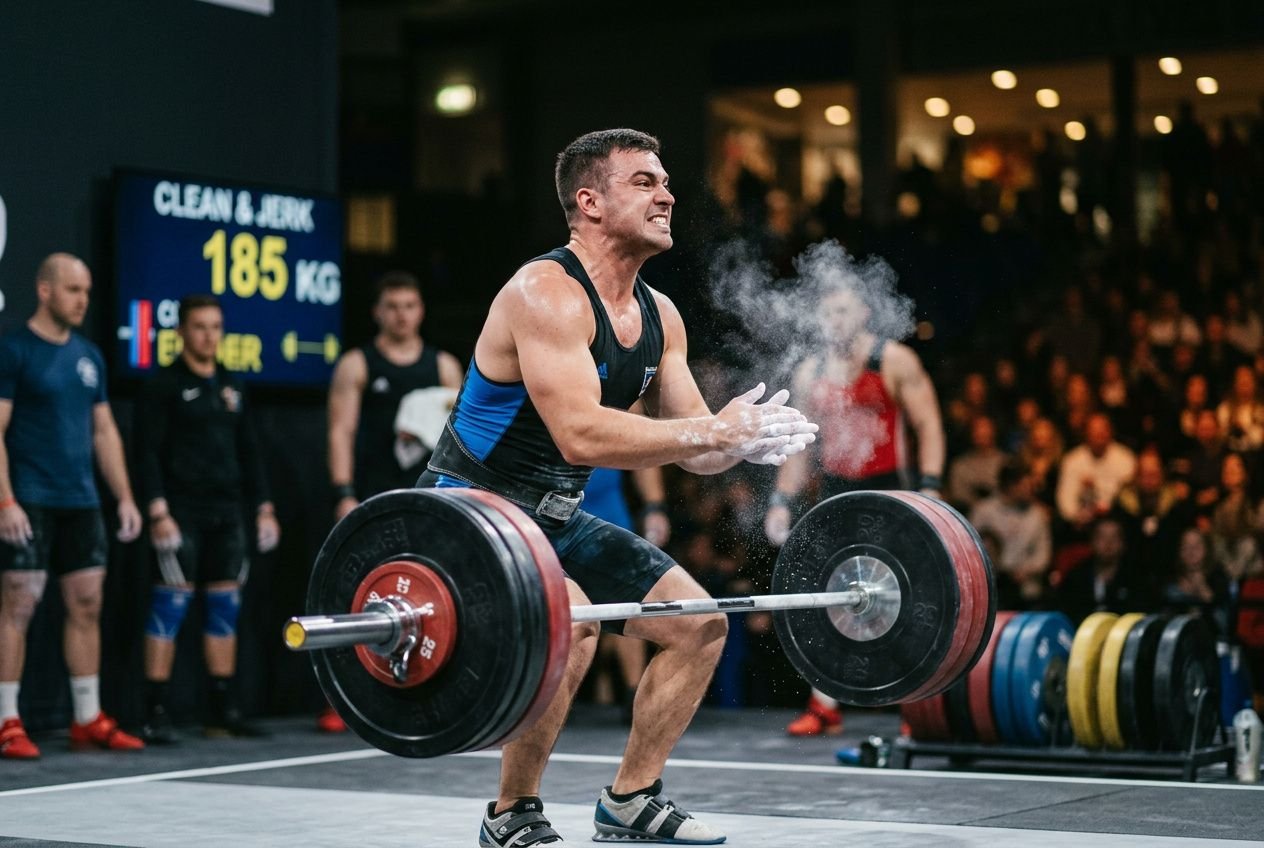
Key Minerals Good for Athletes and Magnesium's Central Role
Among the essential minerals for athletes, magnesium glycinate stands out for its ability to support physical training and improve recovery. A study on athlete magnesium status found that athletes often have lower magnesium levels than non-athletes, despite consuming more. This clearly indicates that magnesium requirements are particularly high for active individuals.
- ATP Energy Activation: Magnesium helps activate ATP enzymes, which are vital for generating the energy required during intense workouts. It plays a key role in converting nutrients into usable fuel when you’re pushing your limits.
- Muscle Contraction and Relaxation: This mineral supports efficient muscle contraction while also promoting relaxation. This balance helps reduce excessive tension and minimizes unwanted muscle twitching during exercise.
- Protein Synthesis and Muscle Repair: Magnesium aids in protein synthesis, which is essential for repairing muscle tissue after strenuous activity. This supports healthy muscle growth and speeds up recovery.
- Nerve Signaling and Coordination: It also contributes to proper nervous system function, enhancing mind-muscle coordination. This can boost athletic precision and reduce the risk of injury during sports.
During intense training, athletes lose more magnesium through sweat and have reduced kidney efficiency. Building up optimal magnesium levels within cells typically requires consistent daily supplementation over about six months. For serious athletes facing heavy physical demands, starting supplementation early is critical.
Signs of Low Magnesium Every Athlete Should Know
A magnesium deficiency can severely impact athletic performance by disrupting key physiological functions. When levels are low, muscle contraction becomes less efficient, leading to increased lactic acid buildup and reduced endurance. Recognizing these signs of low magnesium early allows for quicker resolution.
- Muscle Cramps and Spasms: Persistent cramps, especially in the legs and feet during or after training, are common indicators of low magnesium.
- Fatigue and Weakness: Ongoing tiredness and a lack of strength often signal a magnesium deficiency, as it directly affects energy metabolism.
- Sleep Disturbances: Trouble sleeping can interfere with recovery and worsen training-related fatigue, ultimately harming exercise performance.
- Mood and Neurological Changes: Symptoms like anxiety, irritability, and headaches may accompany low magnesium levels and affect mental focus during competition.
Insufficient magnesium can lower protein usage, reduce strength, and increase injury risk during intense training. Athletes experiencing these symptoms should consider a quality magnesium supplement to restore optimal levels and maintain a competitive edge.
Magnesium Glycinate for Athletes: The Best Form for Sports
Magnesium Glycinate is a top-tier choice due to its excellent absorption and minimal digestive side effects. The magnesium bisglycinate form binds with glycine to create a highly stable compound, resulting in up to six times better absorption—ideal during demanding training periods.
This form is especially beneficial for athletes because it supports relaxation and sleep, helping the nervous system recover faster after intense physical exertion. The added glycine offers further advantages, making it highly effective for active individuals.
| Magnesium Form | Bioavailability | Digestive Impact | Best For Athletes |
| Magnesium Bisglycinate | Very High (6x better) | Gentle, minimal laxative effect | Muscle recovery and sleep |
| Magnesium Citrate | High | Moderate laxative effect | General supplementation |
| Magnesium Taurate | High | Gentle on stomach | Cardiovascular and muscle support |
| Magnesium Oxide | Low | Strong laxative effect | Not recommended for athletes |
This athlete-focused magnesium supplement delivers 300 mg of highly absorbable elemental magnesium per daily dose. Its clean, vegan formula is well-suited for athletes with specific dietary needs, and the capsules are easy to swallow, making them convenient for daily use during training cycles.
Magnesium Glycinate Dosage, Timing and Sports Supplementation Tips
The recommended dosage is two capsules daily with water, ideally taken with a meal. Dividing your intake between morning and evening can enhance absorption and minimize any potential stomach discomfort. One bottle provides a 60-day supply, offering consistent support through intensive training periods.
Hard training increases mineral loss, making proper magnesium intake vital. Endurance athletes, in particular, often need more magnesium than the average person. To avoid digestive issues, gradually increase your dosage over a few weeks to allow your body to adjust.
The high-absorption magnesium formula uses advanced chelation technology to support faster muscle recovery. Taking it around your workouts ensures it’s readily available for activities like running and other high-intensity exercises. You might also consider forms like magnesium citrate or taurate to further enhance your body’s response to physical stress.
Recommended products



Frequently Asked Questions
Magnesium glycinate is often considered the top choice for athletes due to its excellent absorption. It bonds with the amino acid glycine, which significantly increases its bioavailability in your body. In fact, this specific form can be absorbed up to six times more efficiently than standard magnesium oxide.
This gentle yet powerful compound is particularly helpful for muscle relaxation and supports restful sleep, which is crucial for effective recovery. Other forms like magnesium citrate and magnesium taurate also offer unique benefits for active individuals. While citrate is great for general intake, taurate specifically supports heart and skeletal muscle function.
Ultimately, magnesium bisglycinate provides superior absorption without causing stomach discomfort, making it the preferred option for athletes focused on peak performance and efficient recovery. Choosing a high-quality chelated form can help ensure you meet your heightened magnesium requirements throughout your training cycles.
Athletes have significantly higher magnesium requirements than less active individuals. During intense exercise, you can lose as much as 20 mg of this essential mineral through sweat alone, which increases the risk of developing a magnesium deficiency.
Furthermore, magnesium plays a vital role in energy production during demanding workouts. Your body rapidly uses its magnesium stores to produce cellular energy and activate essential enzymes. This increased demand explains why athletes need greater dietary and supplemental support.
Research indicates that many active individuals have lower mineral levels despite a balanced diet. Replenishing your body's magnesium stores to prevent a deficiency can take up to six months, making consistent daily supplementation especially important for competitive athletes.
The timeline for experiencing benefits from magnesium supplementation depends on your starting mineral levels and personal health objectives. Many users report fewer muscle cramps within a few weeks of consistent daily intake. Improvements in sleep quality and daily energy levels often follow within one to two months.
However, achieving optimal physical performance and complete recovery benefits typically requires about six months of consistent use. Individuals addressing a significant magnesium deficiency might notice symptom relief more quickly, while others experience gradual but profound improvements over time.
Consistency is key to rebuilding your body's mineral stores effectively. Taking the recommended daily dose supports proper healing after intense training and, when combined with other supportive nutrients, can accelerate overall muscle recovery.
Share this article: