
Shopping Cart
Omega 3: benefits and how to choose


Omega 3: benefits and how to choose
Omega 3 fatty acids are among the most talked-about supplements in health and sports nutrition. They are often associated with general wellbeing, but many people still are not sure what they actually do or how to choose a product that makes sense.
To use them well, it helps to understand both their role and the main points to check before buying.

What omega 3 really are
Omega 3 are essential fats, meaning the body does not produce enough of them on its own. The most commonly discussed forms are ALA, EPA and DHA. ALA is mainly found in some plant foods, while EPA and DHA are mostly associated with fish and marine sources.
Why omega 3 matter
Omega 3 fatty acids are involved in several important functions in the body. EPA and DHA are the forms most often discussed when it comes to overall health support, while DHA is also commonly linked to brain and eye function.
For this reason, omega 3 are often considered especially relevant when oily fish intake is low.
Main reasons people choose omega 3
1. General wellbeing support
Many people use omega 3 as part of a broader nutrition routine aimed at covering key nutrients more consistently.
2. A practical option when fish intake is low
If oily fish is rarely part of the weekly diet, an omega 3 supplement may be considered as a more practical way to increase intake.
3. A simple addition to a structured supplement routine
Unlike highly goal-specific products, omega 3 are often chosen as a more general support supplement that fits into many different lifestyles.
Food first or supplement first?
In most cases, food should come first. If the diet already includes good omega 3 sources regularly, supplementation may be less important. A supplement becomes more relevant when those foods are limited or inconsistent.
Recommended products
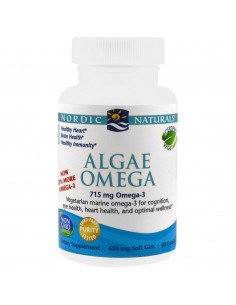
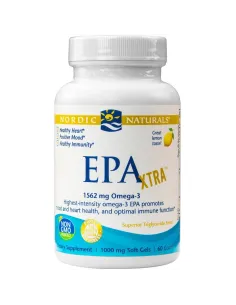


How to choose an omega 3 supplement
1. Check the real EPA and DHA content
One of the most common mistakes is focusing only on the total amount of fish oil shown on the label. What matters more is how much EPA and DHA the product actually provides per serving.
2. Look at the serving size
Some products appear rich at first glance, but the listed values may refer to multiple capsules. To compare products properly, always check the full serving and not just a single capsule.
3. Check the source
A good omega 3 product should clearly state where it comes from, such as fish oil, krill or algae. This matters both for transparency and for choosing a source that fits your preferences.
4. Consider overall product quality
Clarity of labeling, storage quality and a transparent formula all matter. A product should make it easy to understand what you are actually getting.
When omega 3 may make more sense
Omega 3 supplements may be especially worth considering when oily fish intake is low, diet variety is limited or a more complete nutrition routine is the goal.
Mistakes to avoid
- looking only at the total fish oil number
- ignoring the actual EPA and DHA content
- choosing based only on price
- assuming every omega 3 product is basically the same
Conclusion
Omega 3 can be a useful addition to a well-structured routine, especially when dietary sources are limited. The smartest way to choose is to go beyond the front label and check the real EPA and DHA content, serving size, source and product clarity.
As with any supplement, the best choice is not the most advertised one, but the one that best fits your actual needs and habits.
Share this article: