Shopping Cart
Collagen powder or capsules: which supplements work best?


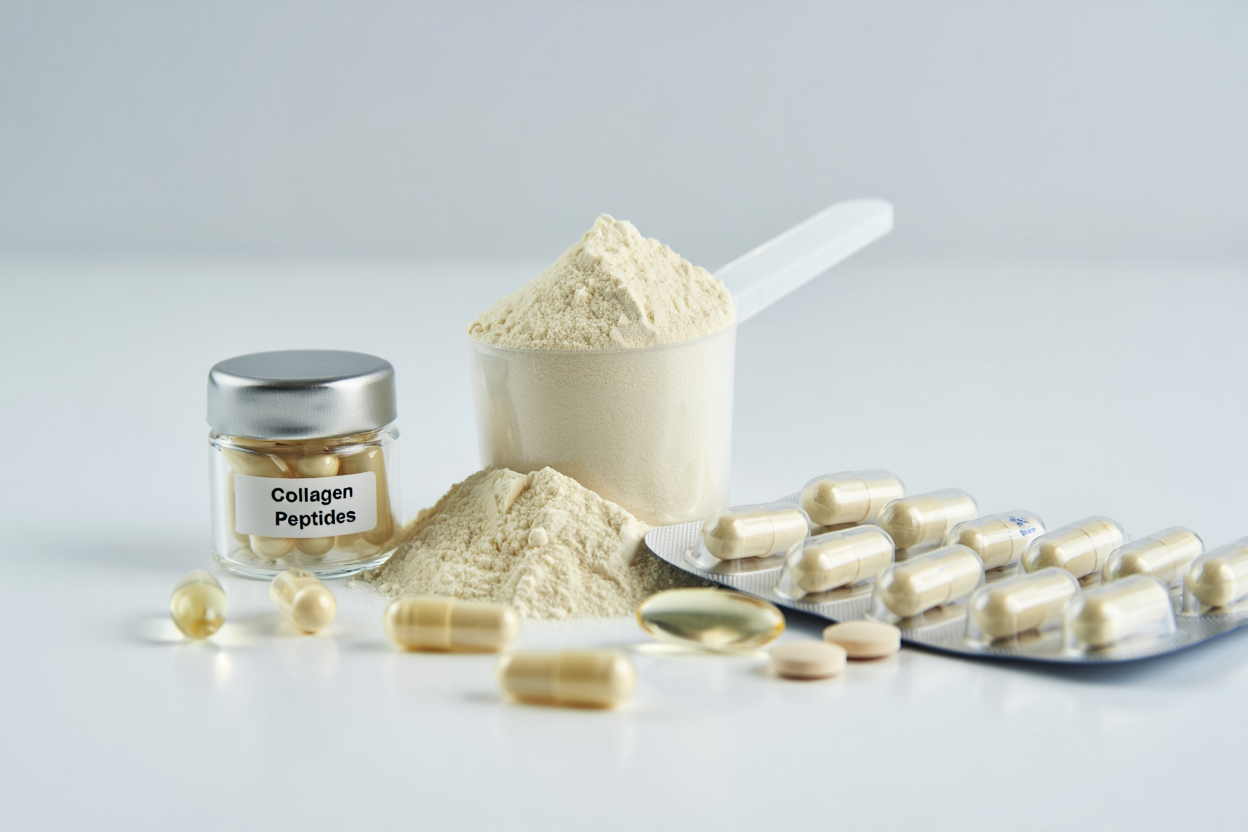
When it comes to deciding between collagen powder or collagen capsules, your choice will largely depend on your daily routine, your specific dosage requirements, and how your body handles absorption. This guide explains how each option works, explores the science behind them, and helps you select the best fit for your needs.
How collagen absorption differs between powder and capsules
Collagen is the most plentiful protein in your body, crucial for maintaining healthy skin, joints, bones, and muscles. Most modern supplements feature hydrolysed collagen for better digestion, available either as a collagen powder or in collagen capsules. These typically contain types I, II, III, or IV. A daily dosage of 3–15 grams may help improve skin elasticity, minimize wrinkles, ease joint pain by supporting cartilage, and contribute to stronger bones.

Bioavailability and peptide size in both formats
Both collagen powder and collagen capsules provide hydrolysed collagen in the form of small peptides, offering similar bioavailability as long as the quality and size of the peptides are comparable. Hydrolysed collagen is over 98% digestible in either form, thanks to its short chains that are readily absorbed in the small intestine. This efficient process helps your body quickly use these building blocks for healthier skin, hair, nails, and connective tissues.
Collagen powder mixes quickly into liquids, enabling the peptides to reach the intestinal lining fast—typically reaching peak blood levels within 30–45 minutes, especially when taken on an empty stomach. Collagen capsules, which protect the contents from stomach acid until they dissolve in the intestine, show a slightly slower peak absorption time of 45–60 minutes. However, this minor delay doesn't significantly reduce overall bioavailability. Since hydrolyzed peptides are already broken down, taking your supplements on an empty stomach helps maximize uptake before other foods can interfere.
Vitamin C synergy boosts collagen synthesis
Vitamin C, a common addition to collagen powder blends, plays a key role by enhancing the body’s natural enzyme activity that turns pro-collagen into mature collagen. This synergy improves overall absorption and supports collagen production. Many powders include this vitamin to work in tandem with the hydrolysed collagen for a more effective supplement. On the other hand, standard collagen capsules that don’t include Vitamin C rely solely on your body’s existing reserves, which can vary based on your dietary intake.
Some collagen powder formulas go a step further by adding biotin, zinc, and copper—nutrients that aid keratin formation, cartilage repair, and antioxidant protection. If you choose collagen capsules without these extras, you may need to take additional supplements to get the same synergistic benefits. No matter which format you prefer, it’s important to select a high- quality product. Low-grade collagen with longer peptide chains is poorly absorbed, so look for third-party testing to verify purity and optimal peptide size.
Discover premium collagen powders and capsules from NeoCell that are specially formulated to support your hair, skin, nails, and overall well-being. Their range of grass-fed options delivers 5–6 g of bioactive collagen peptides per serving, while their marine collagen capsules are designed for daily hydration support. Many of these advanced collagen supplements are also enhanced with vitamin C, biotin, and hyaluronic acid to help boost your body's natural collagen production and protect against oxidative stress.
Collagen Powder vs Capsules for Dosage and Lifestyle
Deciding on the best collagen supplement for you comes down to understanding your daily dosage needs and personal routine. A look at the clinical evidence and your own habits will guide you toward the right choice between collagen powder and collagen capsules. Making an informed decision helps ensure you get the most out of your supplement and maintain consistency.
Daily Dosage Requirements and Clinical Evidence
Most studies recommend a daily intake of 5–10 g of hydrolyzed collagen to achieve noticeable benefits for skin health and joint function. Powders make it easy to hit this effective range with just one scoop. For instance, NeoCell recommends 2–3 tablets of their Super Collagen daily, while their grass-fed powder provides a solid 6 g per serving.
- Skin health studies: Research shows that 3–10 g of collagen daily is ideal. One serving of powder meets this requirement, whereas you'd need many more capsules to match it.
- Joint and cartilage support: Supporting joint health typically calls for about 5 g per day, which you can get from half a scoop of powder or roughly five pills.
- Athlete muscle recovery: Fitness enthusiasts can conveniently add an extra 5 g of collagen powder into a post-workout shake to support muscle repair.
Capsules typically contain less collagen per unit, so you might need to take 10–20 pills to equal the dosage in one scoop of powder. This high pill count can feel impractical for those targeting a higher intake, although pre-dosed capsules do simplify tracking. Another advantage of powder is the ability to split a serving to avoid bloating—a level of flexibility that a fixed tablet can't provide.
Convenience Factors for Busy and Active Users
If you already enjoy a daily protein shake or morning coffee, incorporating collagen powder is incredibly easy. Unflavoured versions blend seamlessly into oatmeal, smoothies, or hot drinks without affecting the taste, making them a perfect addition to your breakfast. This adaptability is especially useful for athletes looking to integrate extra protein effortlessly.
Collagen capsules, on the other hand, offer ultimate portability and require only a sip of water. They are a great fit for busy professionals or travelers who do not have mixing tools on hand, offering a pre-measured, no-mess solution. That said, since some people find swallowing pills difficult, powder is often a more comfortable and accessible option.
Portability and Travel-Friendly Options
Frequent travelers often lean toward collagen capsules because they eliminate the need for shaker bottles or loose powder while on the go. For example, many marine collagen regimens recommend just four capsules per day, providing a simple and precise routine away from home. These small, sturdy bottles fit neatly into a gym bag or suitcase without the worry of spills.
Although collagen powder requires a little more prep, unflavoured varieties let you mix it into local juices or drinks when traveling. Carrying mixing equipment can be bulky, though, which is why office workers with limited space often prefer capsules. This avoids the hassle of measuring spoons or the risk of powder spills at a desk.
For longer trips where you have access to a kitchen, powder remains a flexible and cost-effective option. It is easy to stir into tea, yogurt, or smoothies and remains stable at room temperature, just like capsules. In the end, your choice depends on whether you prioritize absolute convenience and portability or prefer the freedom to customize your dosage.
Recent market research highlights the growing popularity of collagen supplementation, with powders emerging as the favored format for most users. Research shows consumers associate collagen benefits with skin, hair, nails, and joint health, often observing better outcomes the longer they use the supplements. Finding the right balance between cost and quality is key to securing the best value for money in your collagen purchase.
Cost Efficiency and Quality in Collagen Supplements
When deciding between collagen powder and collagen capsules, the most important considerations are price and ingredient purity. Comparing the cost per gram while verifying quality certifications helps ensure you're buying effective supplements that deliver real benefits. This strategy is the best way to achieve visible results for your skin health, hair, nails, and joint support.
Price Comparison per Gram of Collagen
Collagen powder is almost always more affordable per gram because it skips the added costs of encapsulation and individual packaging. A single 300 mg capsule can be three to four times more expensive than the equivalent serving of loose powder. This notable price gap makes purchasing powder in bulk a much more budget-friendly option for everyday use.
This straightforward pricing benefit heavily influences buying habits, with collagen powder now making up over half of all supplement sales. In key markets, the lower price and easy mixability are the main reasons behind most purchases. Consumers repeatedly choose products that are both economical and simple to incorporate into their daily collagen routine.
- Bulk powder tubs: A 200 g container usually lasts twice as long as a bottle of capsules at a comparable dose, offering significantly better value for money.
- Capsule manufacturing: Additional processes like encapsulation, producing gelatin shells, and individual packaging increase the final retail cost compared to plain powder.
- Price sensitivity: Budget-aware shoppers strongly favor powder over capsules due to its superior cost efficiency per serving.
- Long-term adherence: A lower cost makes it easier for users to maintain their routine, which enhances the overall effectiveness and their satisfaction with the results.
Larger capsule counts often come with a higher price tag, which can make it harder to stay consistent compared to the more affordable powder option. When you break down the actual cost per gram of hydrolyzed collagen, powder products consistently provide better financial value. This is particularly important for those following a 3–6 month plan to achieve the maximum benefits.
Purchasing powder in larger quantities brings the cost per serving down even more, establishing it as the intelligent option for cost-conscious buyers. This format continues to be the top pick for anyone looking for a consistent, high-quality daily collagen intake without overspending.
| Format | Cost per gram | Daily serving | Monthly cost (approx.) | Convenience rating |
| Collagen powder | $0.08–$0.15 | 5–10 g scoop | $12–$25 | High (mixing required) |
| Collagen capsules | $0.30–$0.50 | 4–10 pills | $35–$60 | Very high (water only) |
| Marine collagen capsules | $0.25–$0.45 | 4 capsules | $30–$50 | Very high (portable) |
Source and Third-Party Testing for Purity
The source of the collagen is crucial for determining supplement quality, as options like bovine, porcine, chicken, or marine collagen each have different properties. For example, NeoCell's powder uses hydrolyzed bovine collagen from grass-fed sources, which means it isn't a vegan product. On the other hand, hydrolyzed marine collagen provides type I peptides sourced from fish, a popular choice for those seeking targeted cartilage and joint support.
Many shoppers specifically look for marine collagen or hydrolyzed marine collagen to align with paleo or pescatarian diets, allowing them to avoid bovine products completely. No matter the source, independent third-party testing certifications—such as NSF or USP—are vital for confirming the product's purity and safety. These verifications check the peptide length and screen for unwanted contaminants like heavy metals.
High-quality supplements always feature clear labeling that states the hydrolyzed collagen content and the complete profile of amino acids. Some products are also fortified with beneficial micronutrients, like vitamin C or biotin, to improve their effectiveness. It's important to note that gelatin capsule shells typically contain animal-derived ingredients, which makes them inappropriate for vegan, kosher, or halal consumers.
Users often report visible enhancements in skin elasticity, hair strength, and joint comfort after consistently using collagen for about three months. Reviews indicate that there's no significant difference in outcomes for skin health or joint function between powder and capsules, as long as the dosage is adequate. Discover clinically studied BioActive NeoCell Collagen supporting healthy skin, hair, nails, and bone health through verified testing and trusted ingredient sources.
Recommended products
Frequently Asked Questions
When it comes to absorption and effectiveness, both collagen powder and collagen pill forms are highly effective, provided the peptide quality and dosage are the same. Powder typically dissolves very quickly, reaching peak blood concentration in about 30 to 45 minutes.
Capsules take a bit longer to break down, usually peaking around 45 to 60 minutes, but this difference is generally insignificant for your overall skin health and joint support. The most important factor for seeing results is simply picking a format you'll remember to take every day for at least three months.
While powders can sometimes offer a slight absorption edge when mixed with vitamin C, capsules are unbeatable for their sheer convenience, especially for those with a busy schedule. In the end, both options are excellent for supporting your wellness goals when taken consistently.
Most clinical research suggests a collagen daily dosage of 5 to 10 grams of hydrolyzed collagen for the best outcomes. Collagen powder gives you flexibility with serving sizes, as a single scoop often contains about 5 to 6 grams.
In contrast, a collagen pill contains a fixed amount, so you might need to take between 8 to 17 capsules to match the effectiveness of a single powder serving. Knowing how to choose the right amount depends largely on your personal health objectives.
For general skin health, a dose of 3 to 10 grams is common, while supporting joint function typically requires around 5 grams. Athletes or those focused on recovery might benefit from a higher collagen daily intake of 10 to 15 grams.
For travel, the collagen pill is the clear winner due to its portability, pre-measured doses, and simplicity—all you need is a glass of water. There's no mess, no shaker bottle, and no preparation required, making it incredibly convenient for life on the move.
However, collagen powder often shines for daily home use because it usually offers a better cost-per-serving value and allows you to easily adjust your serving size. It blends seamlessly into hot or cold drinks like coffee, smoothies, or water.
Your choice between the two ultimately comes down to your lifestyle: opt for capsules for maximum convenience, or choose powder if you prefer better cost efficiency and dosing flexibility for your collagen daily routine.
Share this article: