
Shopping Cart
How to choose bodybuilding supplements for optimal muscle growth


Choosing the right bodybuilding supplements means knowing which products truly work, with results proven by science. This guide will help you pick options that fit your personal fitness goals, training routine, and diet.
We'll look at ingredients backed by evidence, smart dosage tips, and quality signs that separate effective supplements from marketing hype.
Learning how to choose the best bodybuilding supplements starts with the basics—proven products that boost muscle and strength. Based on our research into effective bodybuilding supplements, protein powders and creatine monohydrate form the core of any solid muscle-building plan.
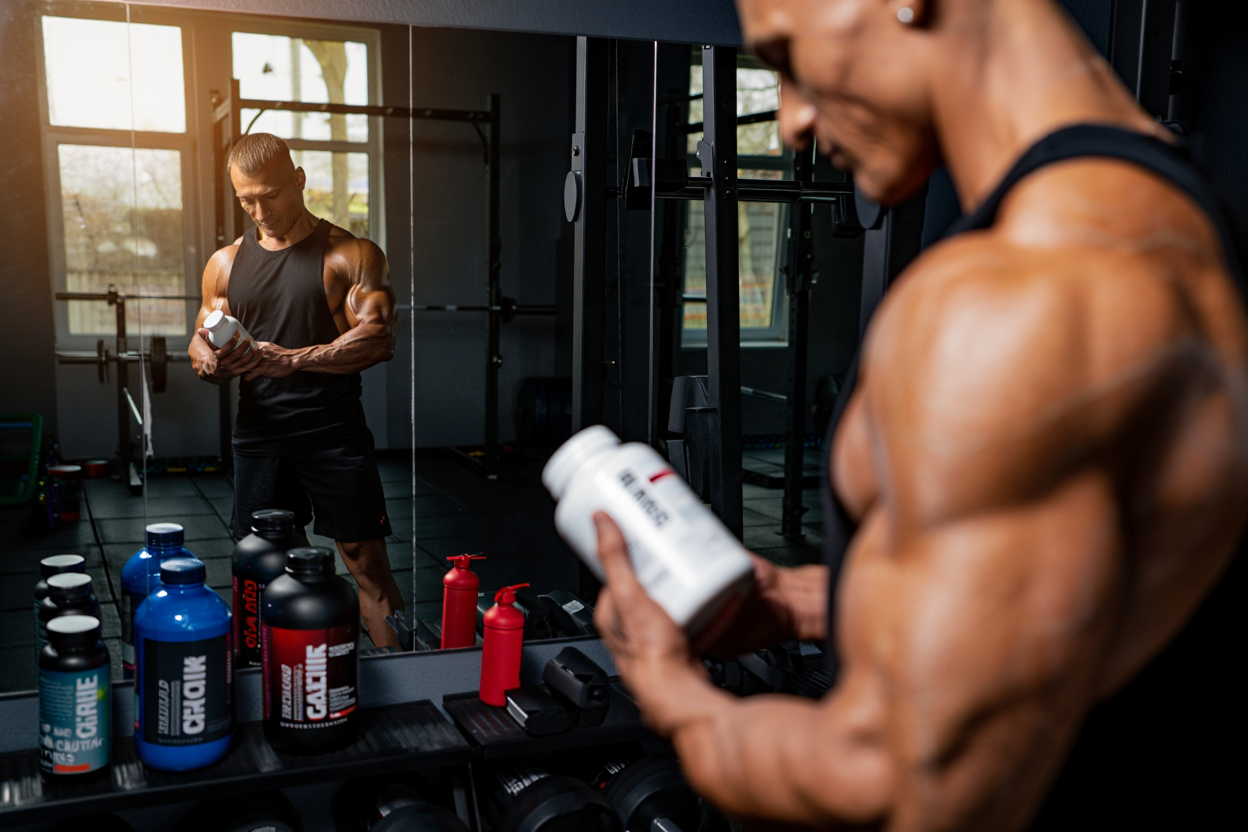
Which supplements are essential for muscle growth
A solid supplement routine focuses on ingredients with the strongest scientific backing. Protein supplements and creatine monohydrate are the foundation for real muscle building. Both have proven benefits for lean gains, strength gains, and faster recovery for all training levels.
Protein powders: types, dosing and timing strategies
Taking 20–30 grams of high-quality protein per serving triggers optimal muscle protein synthesis, especially after training or before sleep. Protein supplements provide essential amino acids easily, without adding too many calories. They’re perfect for athletes who find it hard to hit their daily protein targets with whole foods alone.
- Whey isolate for speed: Fast-absorbing whey reaches muscles within 30–60 minutes post-training, helping maximize the recovery window for muscle repair.
- Casein for sustained release: Slow-digesting casein releases amino acids steadily for 6–8 hours—ideal before bed to limit muscle breakdown.
- Plant-based blends for flexibility: Mixtures like pea and rice offer complete amino acid profiles, so vegan athletes don’t miss out on muscle growth.
- Leucine-rich formulas for efficiency: Look for 2–3 grams of leucine per serving to activate muscle protein synthesis and kickstart muscle repair.
Aim for 1.6–2.2 grams of protein per kilogram of body weight each day to maximize muscle gains. Spread this over 4–6 meals, with an emphasis on 20–30 gram servings around your workout and before bed. This approach keeps amino acids available all day, supporting steady muscle growth and better recovery.
Creatine monohydrate: the gold standard for strength
Creatine monohydrate is the most researched supplement for muscle building, with decades of proof behind it. It boosts phosphocreatine stores to fuel explosive movements and supports lean mass gains. A daily dose of 3–5 grams leads to full muscle saturation in about a month, with clear improvements in strength.
Loading protocols—like 5 grams four times a day for a week—can speed up saturation, but they’re not necessary. A consistent daily dose gives the same long-term results with fewer side effects. For better absorption, take creatine with carbs and protein to help fuel muscle growth.
Supporting nutrients: vitamin D3, omega-3 and beta-alanine
Vitamin D3, at 2,000–4,000 IU per day, supports hormone balance and immune function—both key for long-term gains. Omega-3 fatty acids (2.5–3 grams of EPA and DHA) reduce inflammation and support joint health. They also improve blood flow to muscles during intense training.
Beta-alanine, at 2–5 grams daily, helps buffer acid in muscles during high-intensity efforts lasting 1–4 minutes. This improves performance in the 8–15 rep range, which is ideal for hypertrophy. While these nutrients don’t build muscle directly, they create the ideal internal environment for better training results.
How to Match Supplements to Your Training Goals
Choosing the right supplements requires a thoughtful strategy that aligns with your current workout phase and specific objectives. This guide will help you evaluate your foundation, establish clear targets, and develop a supplement strategy that delivers real results without wasting money.

Assessing Fundamentals: Diet, Training, and Recovery Baselines
Before investing in any new products, make sure your training goals are supported by adequate nutrition, proper protein intake, and consistent resistance training that works each muscle group at least twice weekly. Supplements are designed to enhance solid fundamentals—they cannot compensate for issues like inadequate nutrition, poor sleep quality, or inconsistent effort in the gym.
Calculate your caloric needs, aiming for a 250–500 calorie surplus above maintenance to support muscle growth without excessive fat gain. Ensure your daily protein intake reaches 0.7–1.0 grams per pound of body weight while implementing progressive overload to consistently advance your training progress.
Phase-Specific Strategies: Bulking, Cutting, and Maintenance
Your supplement strategy should adapt to your current training phase to maximize results and avoid unnecessary spending. When researching the best supplement brands, prioritize reputable companies that align with specific goals like muscle growth or fat loss. During bulking phases, focus on high-calorie mass gainers combined with creatine to accelerate muscle development while minimizing meal preparation time.
- Hypertrophy Focus: Utilize high-quality protein powders and creatine monohydrate as your primary source of supplementation, maintaining protein intake at 1.6–2.2 grams per kilogram of body weight. Concentrate your training on moderate repetition ranges (6–12 reps) and employ progressive overload to stimulate physical adaptation.
- Cutting Phase Approach: To preserve lean muscle, maintain high protein intake (up to 2.2 g/kg) and continue using creatine to support strength levels. Lean whey isolates or meal replacements can help manage hunger while maintaining a caloric deficit for effective fat loss.
- High-Volume Training Support: Consider adding intra-workout electrolytes and fast-absorbing carbohydrates like maltodextrin (40–60 grams) during demanding sessions. Branched-chain amino acids or essential amino acids provide valuable support when meal timing is challenging or total dietary protein falls short.
Timing adjustments are essential: consume post-workout protein with carbohydrates within 30 minutes during bulking phases, but distribute protein intake evenly throughout the day when cutting. Prioritize recovery-focused supplements like magnesium or glutamine during high-stress training blocks to prevent overtraining and enhance recovery.
Recommended products


Evaluating Supplement Quality and Ingredient Transparency
Premium ingredients alone aren't enough without rigorous manufacturing standards, honest dosing, and verified purity. This guide helps you identify trustworthy brands that actually deliver on their label promises. Choosing reliable supplements is absolutely critical for your safety and for achieving your specific fitness goals.

Third-Party Testing and Manufacturing Certifications
Reputable brands prove their commitment to ingredient quality by investing in independent third-party certifications and transparent manufacturing processes. Prioritize products that carry either the NSF Certified for Sport or Informed-Sport seals. These provide essential independent verification against banned substances, which offers crucial protection for competitive athletes.
Mass gainers are calorie-rich blends of carbohydrates, proteins, creatine, and other nutrients designed to fuel muscle growth. When selecting one, aim for balanced nutrient ratios and minimal fillers to match your recovery needs. If you find it challenging to consume enough calories, a high-quality mass gainer supplement can provide the necessary calorie surplus to support your gains.
- cGMP certification: Current Good Manufacturing Practices guarantee consistent quality control and safety protocols throughout the entire production process. This rigorous standard protects you from undeclared ingredients and potential cross-contamination within the facility.
- ISO standards verification: Look for ISO 9001 or ISO 22000 certifications on the product label. These indicate a brand's strict adherence to international standards for quality management and food safety across its entire supply chain.
- MHRA compliance: Approval from the UK's Medicines and Healthcare products Regulatory Agency signifies a thorough safety evaluation. This oversight is especially important for assessing the safety of pre-workout stimulants and products that affect hormones.
| Certification Type | What It Verifies | Best For |
| NSF Certified for Sport | Banned substance screening, label accuracy, contaminant testing | Competitive athletes, tested sports participants |
| Informed-Sport | Banned substance screening, heavy metal testing, microbial analysis | Professional athletes, elite competitors |
| cGMP Certification | Manufacturing consistency, quality control, ingredient documentation | All consumers seeking quality assurance |
| MHRA Approval | Safety evaluation, efficacy claims, ingredient authenticity | European buyers, prescription-strength products |
Make sure brands openly publish detailed formulation data and are responsive to questions about their ingredients. Top-tier companies often showcase their commitment to quality by supporting published research and providing clear documentation of their ingredient sources.
Dosage Transparency and Bioavailable Nutrient Forms
Transparent dosage information is what separates legitimate supplements from marketing hype that hides weak formulas behind proprietary blends. Verify that each active ingredient is dosed at research-backed levels, such as the standard 3–5 grams for creatine. Independent third-party testing should confirm the label accurately reflects the amount of every key component.
Bioavailability determines how efficiently your body can absorb and use the nutrients, impacting the supplement's real-world effectiveness far more than just an impressive ingredient list. For instance, Vitamin D3 is absorbed much more effectively than D2, making the specific form of the nutrient crucial. Similarly, high-quality omega-3s from triglyceride sources offer superior utilization compared to cheaper ethyl ester alternatives.
- Protein purity standards: Choose protein powders that contain a minimum of 90% protein by weight, which equates to roughly 22 grams per serving. Avoid products loaded with excessive fillers or added sugars, which contribute empty calories without supporting your muscle gains.
- Moisture content matters: Supplements with a moisture content below 5% resist clumping and prevent the growth of harmful bacteria. Maintaining low moisture is key for preserving the powder's quality and stability over long storage periods.
- Mineral spacing importance: If you take multiple mineral supplements, space out your intake of calcium and iron by a few hours. Separating these doses prevents them from interfering with each other's absorption, thereby maximizing the bioavailability of both essential nutrients.
Always check allergen information carefully and choose formulations that align with your specific dietary needs. Options like lactose-free whey isolate are excellent for dairy sensitivities, while certified gluten-free products are vital for those with celiac disease.
Safety Considerations for Stimulants and Hormone Products
Many pre-workout and fat-burning supplements contain powerful stimulants like caffeine, synephrine, or yohimbine. These ingredients demand cautious dosing and a careful evaluation of your personal tolerance. Always start with the lowest recommended dose to safely gauge how your body reacts.
Pay close attention to your sleep quality and monitor your heart rate and blood pressure when you introduce these new supplements. It's also wise to limit your total daily caffeine intake from all sources to between 200 and 400 milligrams.
Hormone-related supplements and natural testosterone boosters often lack strong scientific evidence for building muscle in well-trained athletes. Before using any product containing DHEA or exotic herbal extracts, it's essential to consult a healthcare professional. This step is particularly vital if you have pre-existing kidney issues, heart concerns, or take any prescription medications.
Implementing Evidence-Based Supplement Trials and Personalization
The final step in finding the right supplements for you involves running structured trials and carefully checking a product's claims against the latest research. Personalizing your strategy by considering your unique medical history, diet, and training schedule is also key. This approach ensures you invest in effective supplementation that delivers tangible performance and recovery benefits suited to your specific goals.
A recent study analyzed ten popular bodybuilding supplements available in India, measuring factors like energy content and how well they dissolve. Using sophisticated decision-making tools, the researchers created a bodybuilding supplement ranking to pinpoint the products with the highest energy and the best nutrient profiles.
Verifying Research-Backed Dosages and Ingredient Efficacy
Before trusting marketing hype, it's wise to review primary scientific literature or official position stands from groups like the International Society of Sports Nutrition. Running your own supplement trials for several weeks is the best way to see if a product offers real benefits, helping you decide whether to keep using it or discard it based on objective data. This prevents you from wasting money on overhyped products that lack high-quality, effective ingredients.
- Evidence-backed dosing: Creatine monohydrate is most effective at 3–5 grams daily, while beta-alanine generally requires 2–5 grams taken in split doses. Branched-chain amino acids (BCAAs) often need a dose of 5–10 grams during exercise, and protein usually requires 20–30 grams per serving for optimal muscle synthesis.
- Lower-evidence supplements: HMB might offer modest strength gains, but these are mostly seen in beginners rather than advanced athletes. Similarly, BCAAs are most useful when your overall dietary protein is insufficient or if you train in a fasted state.
- Mixed-evidence ingredients: View supplements like CLA, L-carnitine, and testosterone boosters as lower-priority options until more robust science supports their use. Wait for stronger evidence that they offer real benefits beyond a placebo effect.
- Research verification priority: Always check reputable sports nutrition reviews or databases like PubMed before buying expensive products. It’s crucial to distinguish between unbiased, peer-reviewed evidence and manufacturer-funded testimonials.
Avoid taking excessive micronutrients; opt for a high-quality multivitamin only if your diet is lacking in fruits and vegetables. Overloading on supplements is a waste of money and can cause imbalances, so focus instead on filling specific nutritional gaps you've identified.
Running Controlled Trials with Measurable Tracking Metrics
Effective supplement trials need clear, measurable outcomes so you can assess results objectively—not just by how you feel. You can track changes in your body composition using skinfold measurements or DEXA scans to accurately monitor physical progress. Additionally, chart your strength gains by testing your one-rep max regularly throughout the trial.
Keep a detailed log of your workout performance, recording the number of reps and the total volume you complete each session. Don’t forget to also track subjective markers of recovery, like your sleep quality and how your joints feel. These details give you a complete picture of how a new supplement source is affecting your body.
Personalization means adjusting your supplement choices based on the results you see. If a product shows no measurable benefit after a month, stop using it, no matter how promising it sounds. Conversely, if your metrics improve, continue using it for several more months to confirm the results are consistent and to spot trends you might otherwise miss.
Personalizing Choices for Health, Diet and Training Schedules
Your individual medical history and dietary needs are fundamental to choosing the right supplements. For example, individuals with kidney issues should avoid high- dosage creatine. Vegans need to seek out plant-based protein sources, like pea-rice blends, that provide a complete profile of essential amino acids.
Your training schedule and lifestyle will heavily influence both the timing of your supplementation and which products you choose. Shift workers might need a pre-workout boost at unconventional hours to maintain intensity. Competitive athletes who are subject to drug testing must strictly use products that are NSF Certified for Sport or Informed-Sport approved.
Parents or busy professionals often find that mass gainers offer a convenient way to meet their nutritional needs without sacrificing quality. When you start any new supplement, begin with the recommended dose for a week to check your stomach's tolerance and its effect on your energy. Finally, consider practical factors like taste and how well a powder mixes, as these will affect whether you stick with it in the long run.
Frequently Asked Questions
For beginners focused on building muscle, start with these four foundational supplements backed by strong scientific research:
- Whey protein powder: Take 20–30 grams per serving to support your daily protein intake.
- Creatine monohydrate: A daily dose of 3–5 grams helps enhance strength and power output.
- Vitamin D3: 2,000–4,000 IU taken with a fat-containing meal for optimal absorption.
- Omega-3 fish oil: Look for 2.5–3 grams of combined EPA and DHA to aid recovery.
Before expanding your supplement stack, make sure your diet provides enough calories and adequate protein—aim for 1.6–2.2 grams per kilogram of body weight—to truly build muscle mass. After 4–8 weeks of consistent training, you might consider a pre-workout or beta-alanine to further support your performance goals.
To determine whether a supplement is delivering real benefits, run objective supplement trials for 4–8 weeks. Track concrete metrics rather than relying on subjective feelings:
- Monitor changes in body composition (e.g., muscle vs. fat)
- Test strength gains using one-rep max or progressive overload
- Record total workout volume and performance metrics
- Track recovery markers like sleep quality and morning resting heart rate
Keeping a detailed weekly log helps identify trends that are easy to miss. If you don’t see clear improvements after a month, it may be time to discontinue use. Remember, consistency in nutrition and training matters far more for muscle growth than any individual supplement.
Supplements are supportive tools—not replacements—for proper nutrition and training. To build muscle mass effectively, you must engage in regular progressive resistance training (targeting muscle groups at least twice weekly) and maintain a caloric surplus. Without these essentials, even the most expensive supplements won’t produce muscle growth.
Once your diet and training are dialed in, high-quality supplements like protein and creatine can enhance your results by roughly 10–20%. They’re designed to optimize an already effective routine, not serve as a shortcut. Ultimately, achieving your goals depends on hard work, discipline, and a solid foundation.
Share this article: