Shopping Cart
Best top 10 bodybuilding supplements to build muscle growth


Building muscle and boosting strength involve more than just intense workouts; true progress also depends on smart, science-backed supplementation. This guide focuses on the best bodybuilding supplements that support faster muscle growth, amplify workout performance, and help you build muscle more effectively. We dive into the top 10 supplements—including whey protein, creatine monohydrate, casein, beta-alanine, and essential micronutrients—detailing exact dosages and timing so each session leads to measurable strength gains and increased muscle mass.
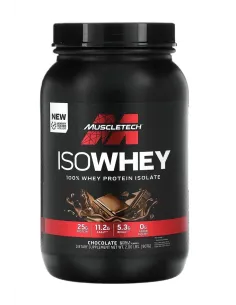
Whey protein powers rapid muscle recovery and growth
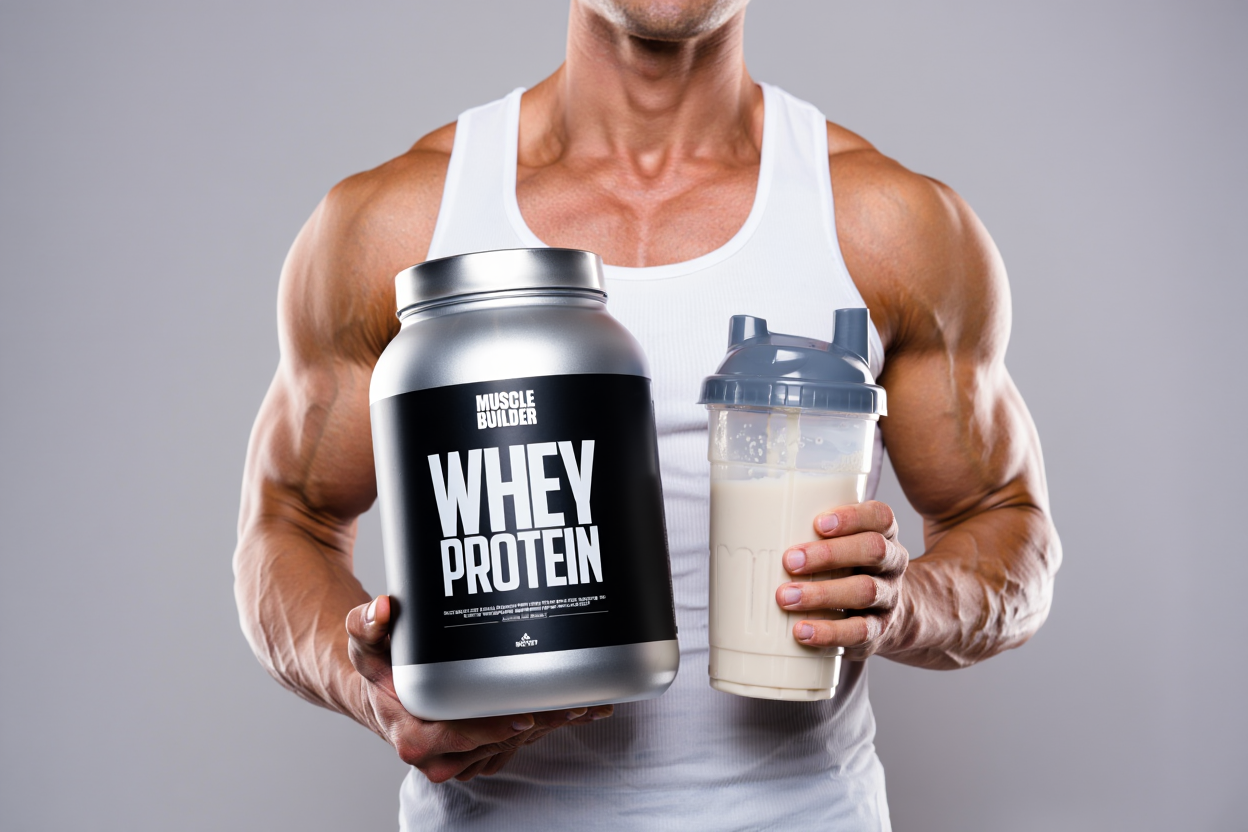
Fast-digesting whey protein remains the top choice post-workout because it delivers amino acids to your muscles within 30–45 minutes, rapidly activating muscle protein synthesis. High-quality whey isolate or hydrolyzed whey protein powder offers over 90% protein by weight, delivering unmatched benefits for bodybuilding, muscle recovery, and lean mass gains.
How fast-digesting whey triggers muscle protein synthesis
A single 20–30 g serving provides about 2.5–3 g of leucine—the key amino acid that activates the mTOR pathway and stimulates muscle protein synthesis. When combined with resistance training and sufficient protein intake, this leucine spike kickstarts ongoing muscle growth and steady strength gains.
- Leucine content: Roughly 2.5–3 g per serving ignites muscle protein synthesis for optimal muscle mass development.
- Fast absorption: Whey leaves the stomach in under an hour, supplying amino acids right when post-workout recovery is most critical.
- Complete amino acid profile: Delivers all nine essential amino acids needed for building muscle and maintaining strength gains.
Studies spanning 8 to 12 weeks consistently show greater lean mass, improved performance on compound lifts, and moderate fat loss when athletes incorporate 20–40 g of daily whey supplementation into structured bodybuilding workouts.
Isolate vs hydrolyzed whey for post-workout benefits
Hydrolyzed whey is pre-digested into smaller peptides, so it empties from the stomach faster than concentrate and reduces bloating. This makes it ideal for those with sensitive stomachs, though both isolate and hydrolyzed forms effectively enhance muscle protein synthesis after a workout.
Timing and dosing strategies for maximum whey absorption
Take 20–30 g of whey isolate or hydrolyzed whey within 30–60 minutes after training to trigger muscle recovery and growth. Pair your shake with 40–50 g of high-glycemic carbs—like bananas, dextrose, or oats—to rapidly restore glycogen and improve nutrient delivery for better performance and strength.
Aim for a daily protein intake of 1.6–2.2 g per kilogram of body weight, spread across 4–6 meals. This approach ensures a steady supply of amino acids, supports ongoing muscle protein synthesis, and works synergistically with other supplements for muscle growth—such as creatine monohydrate and beta-alanine—promoting long-term gains in strength and muscle mass.
Creatine Monohydrate Delivers Proven Strength and Muscle Gains
Creatine monohydrate stands as the most extensively researched performance-enhancing supplement. It works by increasing your body's intramuscular phosphocreatine stores by approximately forty percent. This larger energy reserve helps recycle ATP more efficiently during short, explosive bursts of activity. As a result, you'll notice measurable improvements in strength, workout performance, and overall muscle mass after four to eight weeks of consistent creatine supplementation.
Evidence-Based Dosing Protocols for Creatine Saturation
Taking a daily dose of three to five grams of creatine monohydrate—even on your days off—will steadily saturate your muscle stores over three to four weeks. With this approach, athletes often report strength gains of five to fifteen percent and add one to two kilograms of new muscle mass. This method also avoids the stomach issues that can come with more aggressive loading plans.
If you're looking for faster results, you can try a brief loading phase: take twenty grams per day, split into four equal servings, for five to seven days. Although the final results in terms of muscle mass and strength are similar to the slower method, many people prefer the gentler daily approach because it's easier on the stomach and simpler to stick with long-term.
How Creatine Increases Training Volume and Power Output
With more phosphocreatine available, you're able to complete more reps at the same weight, which naturally increases your total workout volume. This is one of the main mechanisms that stimulates muscle growth. During heavy compound movements like squats, deadlifts, and bench presses, creatine helps maintain ATP levels, leading to steady strength gains that improve your overall athletic performance.
For even better results, try taking your creatine with a meal rich in carbohydrates or a post- workout shake that contains thirty to fifty grams of fast-digesting carbs and twenty to thirty grams of protein. The insulin response helps shuttle more creatine into your muscles. For a complete nutritional plan, you can refer to this muscle gain guide, which combines smart nutrient timing with progressive overload for rapid improvements in muscle mass and strength.
According to systematic reviews, creatine supplementation—especially creatine monohydrate—is one of the only supplements, alongside protein, with strong evidence supporting its ability to increase muscle mass and strength in people who lift weights. Thousands of studies confirm its significant benefits and excellent safety profile. Any minor side effects, like a slightly upset stomach, can usually be avoided by taking your dose with a meal.
Casein and Amino Acids Sustain Overnight Muscle Recovery
Nighttime recovery requires a slow-digesting protein source to keep the muscle-building process active during those eight hours of fasting. Bodybuilding supplements like casein protein and targeted amino acids products ensure a prolonged release of aminos. This helps protect your hard-earned muscle mass and supports steady strength gains while you rest.
Why Slow-Digesting Casein Prevents Nighttime Muscle Breakdown
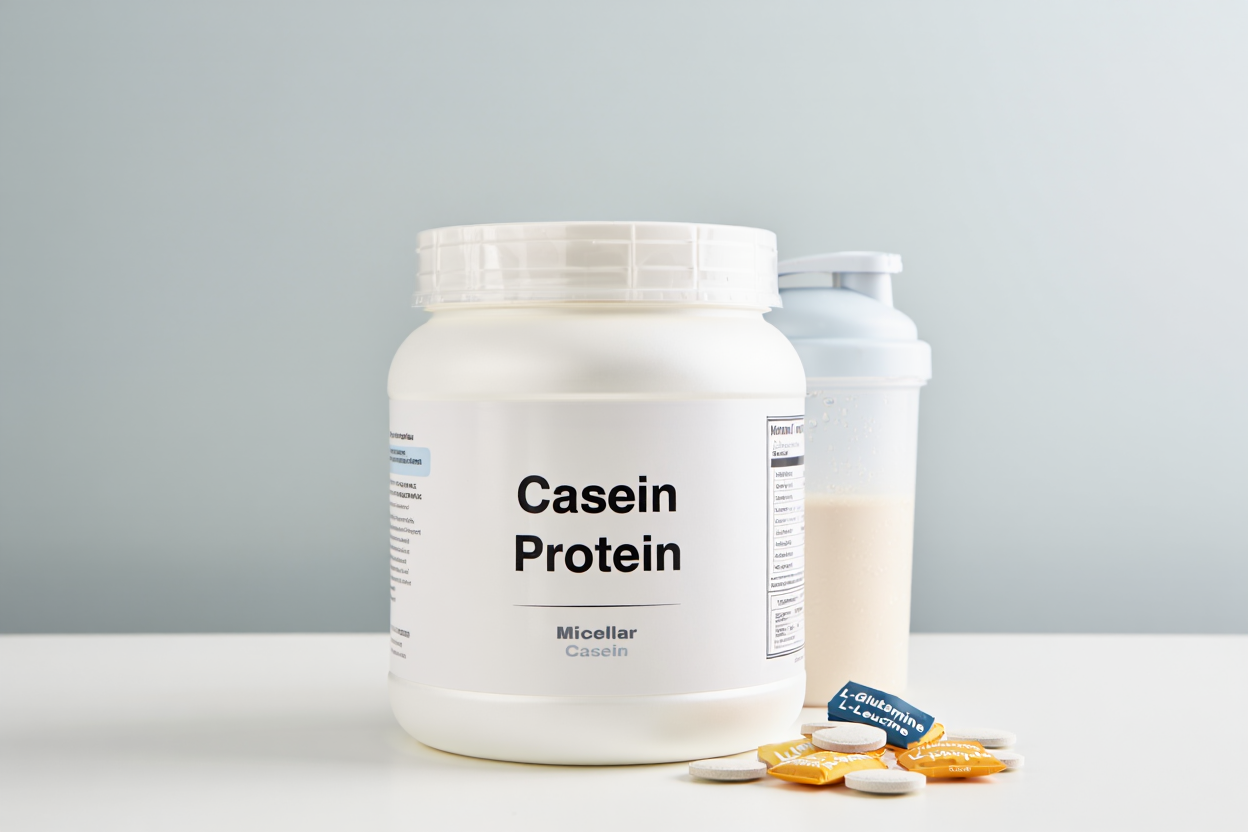
Consuming roughly 30 grams of micellar casein protein about 30 to 45 minutes before bed ensures a steady, slow release of amino acids lasting 6 to 8 hours. This gradual digestion keeps mTOR signaling active overnight, which reduces muscle breakdown and promotes continuous muscle recovery after your last meal.
A standard dose of casein typically provides 6 to 8 grams of leucine—enough to stimulate muscle protein synthesis during extended periods without food. For a more satisfying snack that supports recovery and hormonal health, consider mixing casein with calorie-rich ingredients like natural peanut butter or almond milk.
BCAAs vs EAAs for Intra-Workout Muscle Support
Branched-chain amino acids (BCAAs) with a leucine-rich 2:1:1 ratio—often 5 grams of leucine paired with 2.5 grams each of isoleucine and valine—deliver a rapid rise in leucine, making them useful for fasted training. However, essential amino acids (EAAs), which include all nine essential aminos, outperform BCAA-only formulas in improving net protein balance, as they supply the full spectrum of building blocks needed for new muscle growth.
- Leucine trigger dose: Whether you use BCAAs or EAAs, aim for 2 to 3 grams of leucine per serving to reliably activate muscle protein synthesis.
- Intra-workout timing: Taking 5 to 10 grams of amino acids during long workout sessions (over 90 minutes) helps maintain amino acid levels when whole-food protein intake isn’t feasible.
- Fasted training support: Amino acids are especially valuable during fasted or pre-workout training, as they help prevent muscle breakdown when you train without prior nutrition.
- Complete amino acid profile: EAAs provide all nine essential amino acids, while BCAAs only supply three specific branched-chain varieties.
If your daily protein intake already meets the target of 1.6–2.2 grams per kilogram from whole foods and shakes, additional amino acid supplements may offer only minimal benefits. Still, they can be helpful during calorie deficits or high-volume training sessions lasting more than 90 minutes.
HMB Supplementation Reduces Muscle Damage and Accelerates Recovery
Taking 1–3 grams of beta-hydroxy-beta-methylbutyrate (HMB) daily, split into 1-gram servings, helps reduce muscle protein breakdown by activating the mTOR pathway. This leucine metabolite is especially effective for beginners or during intense training phases when muscle damage markers are elevated.
Research indicates that HMB can lower markers of muscle damage (like creatine kinase and lactate dehydrogenase) by 20–60%, helping athletes recover more quickly between sessions. This faster recovery supports higher training frequency without overreaching, leading to better gains in muscle mass and strength over 8–12 week cycles.
HMB works best alongside a consistent protein intake and regular resistance training. It tends to offer the most benefits for those new to training or during phases of high muscle damage. Given its affordability and safety, HMB is a smart addition to any serious muscle-building supplement regimen.
Recommended products


Beta-alanine and caffeine boost training intensity and endurance
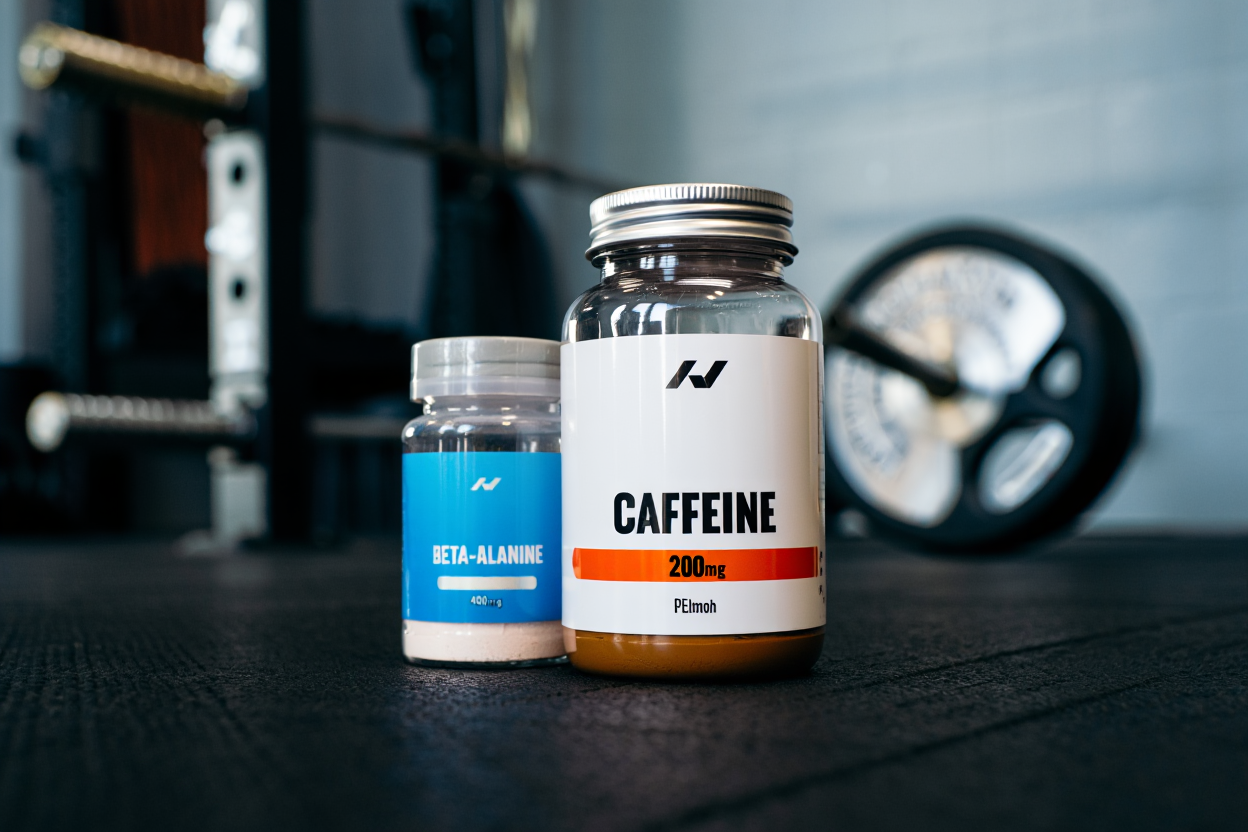
Reaching your peak workout performance requires more than a balanced diet; it often involves specific supplements that sharpen mental clarity, increase power output, and support muscle stamina. Pre-workout formulas that center on caffeine and beta-alanine have been consistently shown to produce real improvements in both strength and endurance during tough training sessions.
How beta-alanine buffers fatigue during high-rep sets
Taking 2-5 grams of beta-alanine daily, ideally split into two or three smaller doses, increases carnosine levels within your muscles. This elevated carnosine works to buffer hydrogen ions that build up during high-intensity sets, delaying muscle acidosis and helping you push through fatigue—particularly during efforts lasting 60 to 240 seconds. This is the exact rep range (8-15 reps) known to stimulate both muscle growth and meaningful strength gains.
A loading period of about four weeks helps saturate your carnosine stores. After that, beta-alanine can improve time to exhaustion by up to two minutes during sprint-style or high-rep efforts. Dividing your daily dose and taking it with meals helps maintain steady carnosine production while minimizing the harmless tingling sensation (paresthesia) some users experience.
Caffeine dosing for enhanced focus and power output
Combining 150-200 mg of caffeine with 2-3 g of beta-alanine in a pre-workout drink can significantly boost alertness, increase power output, and help maintain performance later into your training session. A dose of 3-6 mg of caffeine per kilogram of body weight—approximately 200-400 mg for most athletes—effectively blocks adenosine receptors. This reduces perceived effort and improves mental focus during your workout.
Since caffeine levels peak around 45-60 minutes after consumption, taking your pre-workout about 30 minutes before you train ensures you’ll experience maximum force production during heavy compound lifts and challenging repetition ranges.
| Supplement | Dose | Timing | Primary benefit |
| Caffeine | 150-200 mg | 30 minutes pre-workout | Sharper focus and greater power output |
| Beta-alanine | 2-3 g | Daily split doses | Fatigue buffering in the 8-15-rep range |
| Creatine | 3-5 g | Daily with meals | ATP regeneration and strength improvement |
| Citrulline malate | 6-8 g | 30 minutes pre-workout | Greater blood flow and muscle pump |
Scientific evidence indicates that blending these ingredients into one pre-workout supplement leads to greater performance benefits than taking each one separately. This synergy comes from their complementary effects on energy pathways, mental focus, and fatigue resistance.
Complete pre-workout stack for maximum training performance
A comprehensive supplement strategy might include creatine monohydrate (3-5 g) in the morning, a pre-workout containing caffeine and beta-alanine, essential amino acids (5-10 g) during your session, whey protein along with fast-digesting carbs post-workout (20-30 g protein, 40-50 g carbs), and a casein shake before bed for overnight recovery.
- Morning dose: 3-5 g of creatine monohydrate with breakfast helps maintain muscle saturation without overstimulating your system.
- Pre-training activation: 150-200 mg of caffeine and 2-3 g of beta-alanine boost concentration and delay fatigue before you even begin your first set.
- Intra-workout support: 5-10 g of branched-chain or essential amino acids help sustain energy levels, especially during workouts that last more than 60 minutes.
- Post-workout recovery: 20-30 g of whey protein combined with 40-50 g of high-glycemic carbs speeds up muscle repair and supports growth.
Adhering to this kind of schedule helps ensure a steady supply of nutrients to your muscles, promoting continuous growth, strength gains, and faster recovery throughout your entire training cycle.
Vitamin D, Zinc, and Omega-3 Optimize Recovery and Hormones
Often overlooked gaps in micronutrient intake can silently hinder your muscle growth by delaying recovery, disrupting hormone production, and weakening immune defenses. Ensuring adequate levels of vitamin D, omega-3 fatty acids, zinc, and magnesium provides the essential hormonal and physiological foundation required for efficient muscle building.
Essential Micronutrients That Support Muscle Growth and Testosterone
A daily vitamin D supplement of 2,000–4,000 IU, taken with a meal that contains fat, helps support optimal testosterone levels and enhances calcium-driven contraction strength. This fat-soluble vitamin also fortifies your immune system, enabling you to maintain consistent training and achieve lasting gains in muscle mass and strength.
Consuming approximately 30 mg of zinc daily helps maintain healthy testosterone levels during intense periods of strength training, when zinc loss is accelerated through sweat. This crucial mineral also aids muscle protein synthesis, supports immune function, and promotes hormonal stability—three significant yet underrated benefits for muscle building and recovery.
- Vitamin D3 synthesis: Supports testosterone production and calcium absorption, contributing to balanced hormones and more powerful muscle contractions.
- Zinc bioavailability: Opt for highly absorbable forms like zinc picolinate or bisglycinate, which offer better support for muscle growth than oxide forms.
- Magnesium supplementation: Taking 300–400 mg before bed can help reduce cramping and improve sleep quality, supporting overnight recovery.
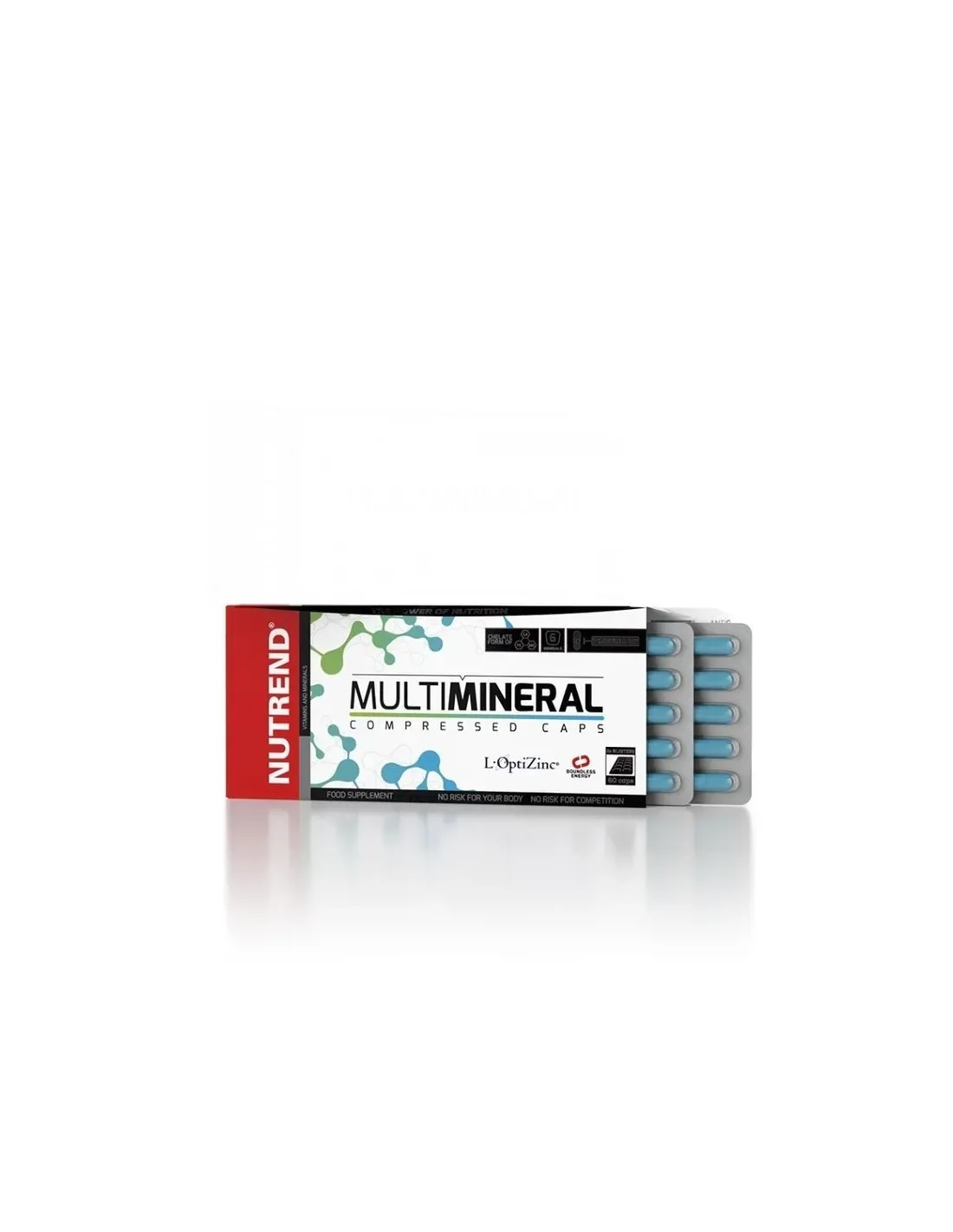
A high-quality multivitamin that includes methylcobalamin B12, methylfolate, vitamin D3, and chelated minerals can fill common nutritional gaps that slow down energy production, muscle protein synthesis, and tissue repair—processes that are essential for increasing muscle mass and strength.
ZMA and Magnesium Improve Sleep Quality for Better Gains
ZMA supplements—which combine zinc, magnesium, and vitamin B6—taken 30–60 minutes before bedtime, can enhance sleep architecture and boost anabolic hormone levels. Studies show that over eight weeks, free testosterone can increase by about 30% and IGF-1 by 5%, resulting in measurable improvements in muscle mass and strength.
Supplementing with 300–400 mg of magnesium at night helps relax muscles, minimize cramps, and promote deeper sleep. This is a critical recovery period when most muscle growth occurs. When combined with omega-3 for joint health, magnesium helps create optimal conditions for muscle repair, hormonal balance, and steady strength progress.
Omega-3 Fatty Acids Reduce Inflammation and Joint Stress
Taking 2.5–3 g of combined EPA and DHA from fish oil daily can reduce exercise-related inflammation markers like IL-6 and TNF-alpha. Lower joint stress allows for heavier weights and higher training volume during strength training, free from the aches that can interfere with building muscle.
Omega-3 intake may also improve how responsive muscle protein synthesis is to dietary protein, creating a powerful synergy when paired with adequate protein intake from sources like whey protein. Plant-based athletes can use algae-derived EPA and DHA—typically offering 300–600 mg of DHA per serving—to enjoy the same muscle building benefits as fish oil and support continued growth.
Frequently Asked Questions
The most powerful combination for building muscle is whey protein paired with creatine monohydrate, a duo backed by extensive scientific evidence. Whey delivers essential amino acids, like leucine, that kickstart muscle protein synthesis, while creatine dramatically enhances your workout capacity and performance.
This powerful pairing addresses two fundamental aspects of muscle growth: providing the necessary nutrients and maximizing training output. When combined with resistance exercise and sufficient calories, this strategy leads to significant strength gains and an increase in muscle mass over time.
For a comprehensive approach, incorporating casein protein before sleep and beta-alanine for endurance can further boost your results. This creates a complete stack of bodybuilding supplements designed to support growth and recovery around the clock.
Strategically timing your supplement intake helps you maximize their benefits throughout your training day. Begin by taking a pre-workout containing caffeine and beta-alanine roughly 30 minutes before your session to improve focus and endurance.
You can take your creatine supplementation daily with a meal, as maintaining consistent levels in your body is more important than the exact timing for strength and performance. For workouts extending beyond an hour, sipping on amino acids can help sustain your energy.
Post- workout, consume whey protein alongside some fast-acting carbohydrates within an hour to jumpstart recovery and muscle protein synthesis. Finally, a serving of casein protein before bed provides a slow release of protein to aid overnight repair and continuous muscle growth.
No supplement can build muscle on its own; your body requires the stimulus from resistance training to initiate real growth. Even the most effective bodybuilding supplements are powerless without the mechanical stress that comes from lifting weights.
It's best to view these products as tools that enhance the results of your workout, not as replacements for the effort itself. While a quality protein and creatine supplementation provide crucial nutrients, only physical training signals your body to adapt and build new tissue.
Adequate protein intake certainly optimizes the process, but consistent exercise is the non-negotiable foundation. To achieve maximum muscle mass and strength, you must combine evidence-based supplementation with dedicated training.
Share this article: