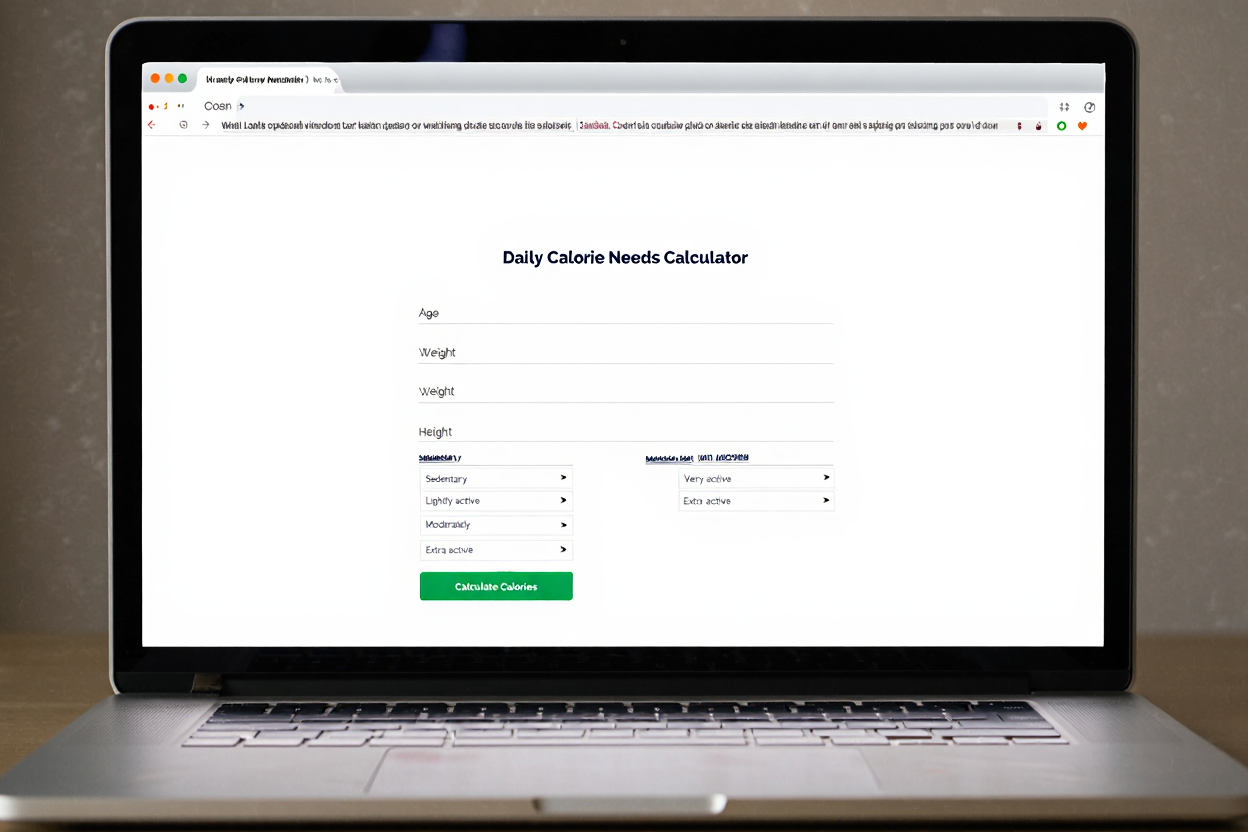
Shopping Cart
How many calories do i need to lose weight: calorie calculator guide


Understanding how many calories you need each day to lose weight is crucial for setting realistic and achievable weight loss goals. This guide demystifies the concept of a calorie deficit, shows you how to pinpoint your precise daily calorie target using a reliable calorie calculator, and offers practical strategies for consistently meeting that target while honoring your basal metabolic rate and current weight.
Understanding your daily calorie needs for weight loss
A calorie deficit simply means consuming fewer calories than your body burns to maintain your current weight. This forces your body to use stored energy (fat) for fuel. By reducing portion sizes, replacing high-calorie foods with nutrient-dense alternatives, or increasing your daily activity, you can successfully lower your daily calorie intake without sacrificing nutrition or negatively impacting your metabolic rate.
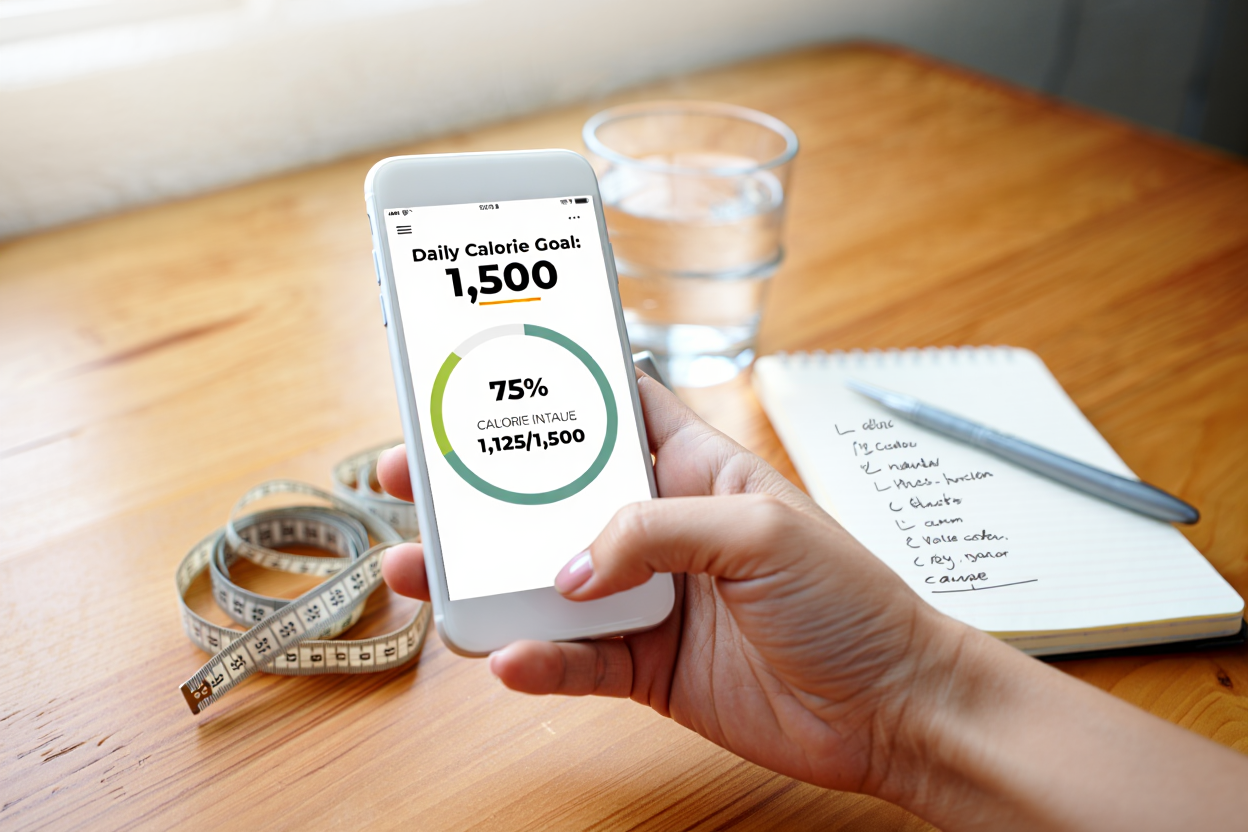
What is a calorie deficit and why does it matter
To determine your specific calorie target, it helps to know that an accumulated deficit of roughly 7,000 kcal equals about one kilogram of lost body weight. This fundamental principle helps you translate a weekly or monthly goal into a clear, trackable number of calories you need to either cut from your diet or burn through exercise.
Maintaining a moderate calorie deficit allows your body to adapt gradually to a lower weight, which helps preserve lean muscle and keeps your metabolism steady. When combined with consistent exercise, this balanced approach yields better long-term results than relying on diet or activity alone, a concept further explained in this guide to calorie deficit.
How much calorie deficit is safe and sustainable
For most healthy adults, a daily deficit of 500–600 kcal is effective and sustainable, typically resulting in a loss of 0.5–1 kg per week while maintaining muscle mass and overall nutrient status. A much larger deficit—for example, cutting more than 1,000 kcal per day—can suppress your basal metabolic rate, drain your energy levels, and increase health risks. Therefore, it's generally recommended to stay within that moderate range.
General calorie targets by gender for weight loss
The average maintenance calorie intake is approximately 2,500 kcal per day for moderately active men and 2,000 kcal for similarly active women. Subtracting 500–600 kcal suggests a daily calorie intake goal of around 1,900 kcal for men and 1,400 kcal for women. However, these are general estimates; individual needs vary significantly based on your activity level, age, height, and current weight.
Typically, women aged 19–30 need between 1,800–2,400 kcal to maintain their body weight, while men in the same age bracket need 2,400–3,000 kcal. Since factors like age, height, muscle mass, and activity level all influence your metabolic rate, it's essential to use a personalized calorie calculator to determine the exact number of calories you need before finalizing your weight loss goals.
For safety reasons, it is generally advised that adult women should not consume fewer calories than 1,200 kcal per day, and men should not go below 1,500 kcal daily, unless under direct medical supervision. Dropping below these nutritional baselines can lead to nutrient deficiencies, hormonal imbalances, and long-term metabolic complications that can severely hinder healthy weight management.
Use a calorie calculator to find your weight loss target
A reliable daily calorie needs tool calculates your total daily energy expenditure by factoring in your age, gender, current weight, height, and activity level. This process first determines your maintenance calorie intake and then applies a calorie deficit to set a precise and effective daily calorie target for sustainable weight loss. Utilizing a "how many calories do I need to lose weight calculator" eliminates guesswork and customizes the plan specifically for you.
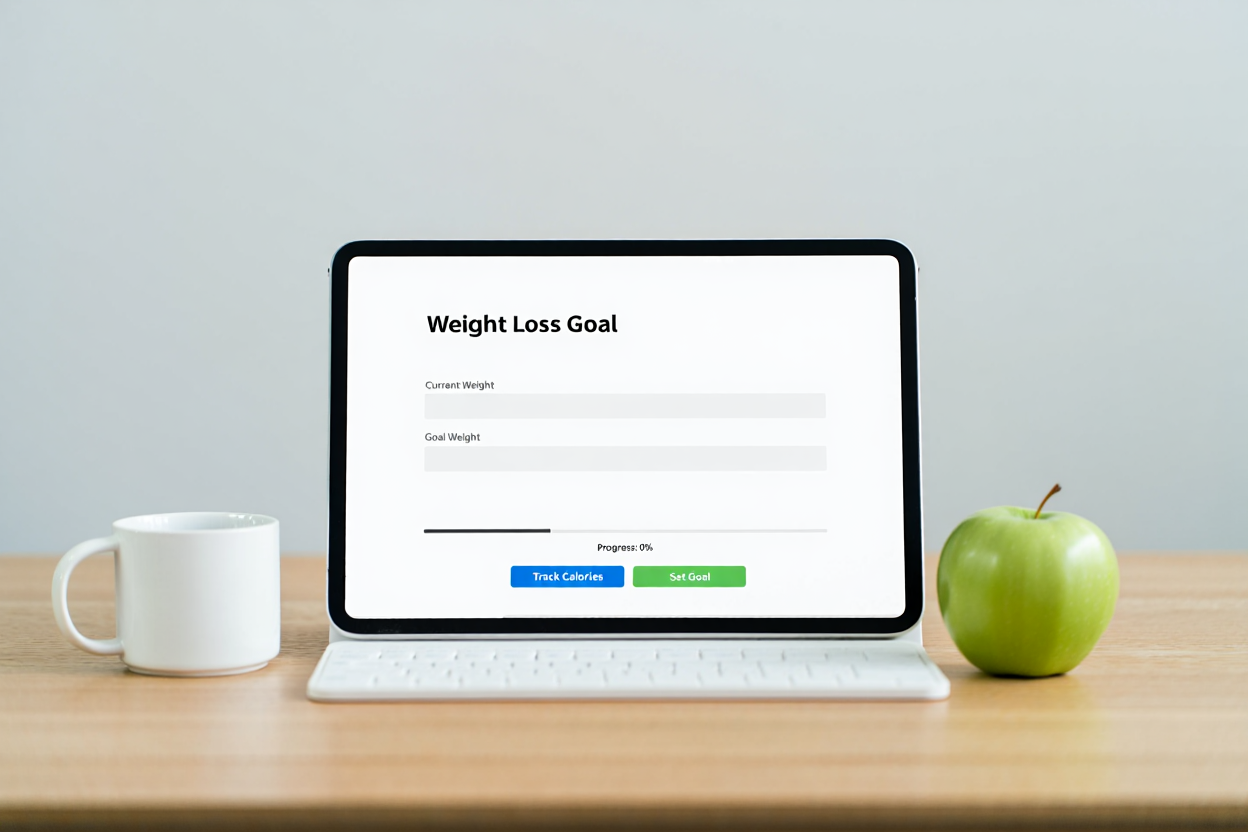
How to calculate BMR and TDEE step by step
The Mifflin-St Jeor equation is the standard formula used to estimate your basal metabolic rate (BMR). For women, the formula is: BMR = (10 × weight kg) + (6.25 × height cm) − (5 × age) − 161. For men, it is: BMR = (10 × weight kg) + (6.25 × height cm) − (5 × age) + 5. These results provide the foundation for calculating your total daily energy expenditure (TDEE), which ultimately helps determine your daily calorie needs for weight loss.
- Calculate BMR: Input your current weight, height, and age into the appropriate formula to establish your baseline metabolic rate.
- Select an activity factor: Choose a multiplier that reflects your weekly activity level: sedentary (1.2), lightly active (1.375), moderately active (1.55), very active (1.725), or extremely active (1.9).
- Find TDEE: Multiply your BMR by your chosen activity factor to discover your total daily energy expenditure—this is the number of calories you need to maintain your current body weight.
- Create a deficit: Subtract 500–600 kcal per day from your TDEE to set a realistic and manageable calorie target that promotes healthy weight loss.
Your TDEE represents your total daily energy expenditure; it's essentially how many calories you burn each day at your current weight. Knowing this number allows you to create a safe calorie deficit tailored to your long-term weight loss goals while supporting a stable metabolic rate.
| Component | Formula/Method | Example Result |
| BMR (30-year-old male, 80 kg, 180 cm) | Mifflin-St Jeor equation | ≈1,765 kcal |
| Activity Factor (moderately active) | Multiply by 1.55 | 1.55× |
| TDEE (daily maintenance) | BMR × activity factor | ≈2,735 kcal |
| Weight loss target (500 kcal deficit) | TDEE − 500 kcal | ≈2,235 kcal daily |
In practice, this same 30-year-old man would aim for approximately 2,235 kcal per day to lose weight safely. It’s important to recalculate your total daily energy expenditure whenever your body weight changes by more than 5 kg, your activity level shifts, or you enter a new age group to ensure your plan stays accurate and effective.
How to use BodyNutrition's calorie calculator tool
Open the “How many calories do I need?” page and click on “Use our calorie calculator” to begin. Enter your age, gender, current weight, height, and activity level. Then, select “Lose weight” to let the tool generate a personalized calorie target and a suggested macronutrient breakdown based on your BMR and total daily energy expenditure.
The calculator typically recommends a daily calorie deficit of 500–600 kcal per day and often provides a macronutrient sample, such as 30% protein, 40% carbohydrate, and 30% fat. You can save or print your results, and remember to update your data whenever your body weight, activity level, or weight loss goals change to keep your plan current.
Real-world calorie targets for different age and gender profiles
Your daily calorie needs are heavily influenced by demographic details and lifestyle habits. The examples below show how factors like height, age, sex, and activity level impact your daily energy expenditure and, consequently, the number of calories required for healthy weight loss.
- 30-year-old moderately active woman (165 cm, 65 kg): TDEE ≈2,100 kcal; a 500 kcal deficit results in about 1,600 kcal per day.
- 45-year-old lightly active woman (160 cm, 78 kg): TDEE ≈1,900 kcal; a 600 kcal deficit provides roughly 1,300 kcal daily, which is still above the minimum recommended 1,200 kcal.
- 25-year-old very active woman (170 cm, 55 kg): TDEE ≈2,400 kcal; a 10% deficit allows for around 2,160 kcal daily to meet her higher energy demands.
- 25-year-old moderately active man (180 cm, 80 kg): Maintenance ≈2,600 kcal; reducing intake to 2,000–2,100 kcal supports consistent and sustainable weight loss.
These comparisons highlight the importance of precision when setting your calorie target; two people with the same weight loss goals can have vastly different daily calorie needs. Always use a trusted calorie calculator to estimate your personal total daily energy expenditure and establish an achievable calorie deficit that aligns with your unique metabolic rate and lifestyle.
Recommended products

How many calories to burn a day to lose weight
Physical activity elevates your total daily energy expenditure, boosting the calorie burn that fuels a consistent calorie deficit for healthy weight loss. Knowing exactly how many calories you need to burn to lose weight allows you to align your exercise volume with nutritional changes to stay on track. Used together, smart eating and regular movement outperform either tactic on its own and promote sustainable results over time.

Best exercises to burn calories and accelerate fat loss
Each exercise style expends a different number of calories, helping you calculate how many calories you need to burn each day to lose weight through movement. Brisk walking uses roughly 175 kcal per hour and suits nearly every fitness level, while steady jogging or structured cardio can torch 200–500 kcal per session, depending on duration and effort.
Thirty minutes of high-intensity interval training (HIIT) may erase about 300 kcal, making it a potent tool when progress stalls during a calorie deficit. Strength work at least twice weekly safeguards lean tissue, which supports a higher resting metabolic rate and steadier energy expenditure throughout the day.
- Moderate-intensity aerobic activity: Log 150 weekly minutes of brisk walking, cycling, or swimming to provide regular calorie burn that supports deficit goals.
- Vigorous-intensity aerobic activity: Accumulate 75 weekly minutes of running, fast cycling, or competitive sports for faster calorie burn in less time.
- Resistance training: Perform two or three full-body strength sessions each week to preserve muscle and maintain metabolic rate during weight loss.
- HIIT workouts: Schedule one or two 20–30-minute sessions weekly for significant calorie expenditure and elevated metabolism that lingers for hours.
Attempting to lose 1 kg solely through exercise would demand roughly 1,000 kcal of activity every day—a load few can sustain. Blending moderate training with sensible eating makes the same calorie deficit achievable, limits overtraining, and fosters steady, healthy weight loss.
Combining diet and exercise for an effective calorie deficit
The most reliable strategy pairs mindful nutrition with purposeful movement, creating a manageable calorie deficit without extreme food restriction. Calculating how many calories you need to burn per day to lose weight allows you to distribute the effort between total daily energy intake and total daily energy expenditure, ensuring that overall daily energy remains balanced for long-term adherence.
Adequate protein further protects muscle during periods of reduced calorie intake; follow this simple guide for daily protein intake to match your body weight and training load. Caffeine can nudge energy expenditure upward by 3–5% via thermogenesis, while everyday movements—walking more, taking stairs, standing—boost NEAT and add to total daily energy expenditure. Proper hydration of six to eight glasses daily supports appetite control and metabolic processes essential for efficient calorie burn.
Is 1200 Calories a Day Enough, and How to Eat Within Your Calorie Target
Risks of Very Low-Calorie Diets and Safe Minimum Thresholds
Following very low-calorie diets—typically under 1,200 kcal for women or 1,500 kcal for men—often leads to nutrient deficiencies, persistent fatigue, and hormonal imbalances. When your calorie intake drops too low, your body responds by slowing your metabolic rate through a process called adaptive thermogenesis. This can stall fat loss and raise the risk of regaining weight later on.
Prolonged cutting without sufficient protein and micronutrients can also trigger muscle loss, brittle hair, irregular menstrual cycles, and a weakened immune system. For most adult women, consuming a daily calorie intake of 1,200 represents the absolute bare minimum and should not be undertaken without supervision. However, even this number might be too low for taller, heavier, or highly active individuals, begging the question: is 1200 calories a day enough for everyone?
Protein Needs and Meal Planning Within a Calorie Budget
When in a calorie deficit, aim to consume between 1.6–2.2 grams of protein per kilogram of your body weight. This helps preserve muscle mass and keeps you feeling full. For example, an 80 kg individual would need approximately 130–175 g of protein daily. It's best to spread this protein intake throughout the day, ideally consuming 20–30g per meal to maximize muscle protein synthesis and maintain steady energy levels.
Focus on protein-rich foods like fish, poultry, eggs, Greek yogurt, tofu, or legumes to meet your goals without blowing your calorie budget. For instance, on a 1,400 kcal calorie target, you could plan for a 280 kcal breakfast, 420 kcal each for lunch and dinner, and 280 kcal for snacks. This approach ensures you get balanced macronutrients and maintain consistent energy all day.
Practical Tips to Hit Your Calorie Target Every Day
Build your meals with a simple visual guide: fill half your plate with non-starchy vegetables, one-quarter with lean protein, and one-quarter with whole-grain carbohydrates. Drinking a glass of water 15 minutes before eating and using smaller plates can also help reduce spontaneous overeating, even without meticulous counting calories. For more detailed advice on setting your personal daily calorie intake, this article on calorie needs for weight loss explains how women can align their nutrition with their activity levels.
- Skip liquid sugar: Swap soda and sugary coffee drinks for water, herbal tea, or black coffee. It’s an effortless way to reduce your daily calorie intake.
- Swap refined grains: Choose oatmeal, brown rice, or quinoa over white bread and pasta. This helps stabilize your blood sugar and supports sustained weight loss.
- Weigh foods at first: Using a kitchen scale helps you understand true portion sizes and reveals hidden calories from items like oil, cheese, or sauces.
- Log everything: Keeping a food diary or using a tracking app helps you spot patterns, ensures an accurate calorie count, and allows for adjustments based on your age, TDEE, and activity.
- Try calorie cycling: Alternating between slightly higher- and lower-calorie days can help prevent diet fatigue while maintaining a consistent weekly deficit.
Ultimately, your total calorie intake should be tailored to your specific goals, body weight, age, training intensity, and metabolic rate. It’s wise to check your progress every two to four weeks and make gradual adjustments to your calorie target to ensure you continue losing weight in a healthy, sustainable way.
Frequently asked questions
How many calories should I eat a day to lose weight?
Your daily calorie intake depends on factors like your age, gender, height, current weight, activity level, and metabolic rate. To determine a good starting point, first estimate your total daily energy expenditure (TDEE) using a reliable calorie calculator. Then, create a calorie deficit of around 500–700kcal below your maintenance calorie level—this is key for sustainable weight loss. As a guideline, ensure your intake doesn't drop below 1,200kcal for women or 1,500kcal for men. For instance, if your TDEE is 2,100kcal, aim for roughly 1,600kcal daily.
How do I calculate my calorie deficit to lose weight?
Begin by estimating your basal metabolic rate (BMR) using a formula like Mifflin-St Jeor. Multiply this by your activity level to get your total daily energy expenditure, which reflects your maintenance calorie needs. To lose weight, subtract 500–600kcal (or 10–15%) from this daily calorie intake—this becomes your new calorie target. Since losing weight can lower your metabolic rate and overall energy expenditure, it's wise to reassess your progress every few weeks and tweak your intake by 100–200kcal as needed.
Why am I not losing weight on my current calorie intake?
If your weight hasn't changed in a month, your body may have adapted so your current calorie intake matches your maintenance needs. Keep in mind that weight loss itself reduces your BMR, metabolic rate, and total daily energy expenditure. To break through plateaus, try reducing your daily intake by 100–200kcal or adding exercise—like a 30-minute HIIT session that torches about 300kcal. Also, check your portion sizes, aim for 7–9 hours of sleep, stay hydrated, and manage stress. Weighing yourself weekly can help track trends, and if progress stalls, adjust your calorie deficit accordingly.
Share this article: