Shopping Cart
How much protein do I need per day based on body weight


Understanding your exact daily protein needs is fundamental to achieving your fitness goals, whether for general health or building muscle. This guide simplifies how to determine your protein requirements based on your specific body weight, activity level, and life stage. You’ll learn practical strategies to effectively calculate and meet your daily protein intake goals.
We'll show you exactly how to calculate the protein you need using a straightforward formula tailored to your personal stats. You’ll also discover scientifically-backed intake ranges that support muscle growth, recovery, and overall wellness.
How to calculate daily protein intake for your weight
Your specific protein requirements can vary significantly based on your lifestyle, workout intensity, and body composition goals. To calculate your daily protein intake, first convert your body weight into kilograms. Then, multiply that number by a recommended grams of protein per kilogram target that fits your personal situation.
This simple method takes the guesswork out of meal planning. It ensures your protein goals are perfectly aligned with your actual physical needs, rather than relying on vague generalizations.
Understanding baseline protein recommendations per kilogram
The Recommended Dietary Allowance (RDA) sets a baseline of 0.8 grams of protein per kilogram of body weight for sedentary adults. Similarly, the European Food Safety Authority (EFSA) suggests a Population Reference Intake of 0.83 g/kg to cover daily protein losses. It’s important to understand that these standards are designed for basic maintenance, not for supporting athletic performance or building muscle.
- Sedentary maintenance baseline: Consuming 0.8 g/kg supports basic health for inactive individuals without specific fitness objectives.
- EFSA population reference intake: The 0.83 g/kg standard accounts for the necessary replenishment of daily protein losses in healthy adults.
- Protein as an energy source: For most adults, these baseline intakes represent roughly 10–15% of their total daily calorie intake.
For example, a sedentary adult weighing 70 kg requires about 56 grams of protein daily based on the 0.8 g/kg RDA. A 75 kg person would need approximately 62 grams to maintain essential muscle and organ function. However, these amounts are generally insufficient for active individuals focused on recovery or muscle development.
Step-by-step protein calculation from body weight
You can determine your daily protein requirement in three simple steps: first, convert your weight to kilograms; next, select your target grams-per-kilogram value based on your activity level and goals; finally, multiply these numbers to find your total daily protein target in grams.
A protein intake calculator can automate this process, instantly showing you recommended ranges for various fitness objectives. For instance, a 70 kg sedentary person needs around 56 grams daily, whereas a strength athlete might require up to 126 grams. Someone weighing 75 kg and aiming for muscle gain could need as much as 150 grams distributed throughout the day.
For easier meal planning, round your result to the nearest 5 grams. If your calculation comes out to 131.4 grams, simply target 130 grams per day. This approach simplifies tracking and helps you stay consistent without getting bogged down by decimals.
Using lean body mass for accurate targets
If you have a higher body fat percentage, using your total body weight might lead to an overestimation of your protein needs. Since fat tissue requires less metabolic upkeep than muscle, it can skew your calculations. A more precise method is to calculate your lean body mass by subtracting your fat weight from your total weight.
Apply your chosen protein per kilogram target to this lean mass figure for a more accurate daily protein intake. For example, a person weighing 100 kg with 35% body fat should base their calculation on their 65 kg of lean mass. This ensures your protein goals are better aligned with the amount of metabolically active tissue in your body.
Daily Protein for Muscle Gain and Strength Training
Adults who engage in resistance training need considerably more protein than less active individuals to support recovery from intense exercise. For effective muscle building, a general guideline is to aim for a protein intake of 1.6 to 2.2 grams of protein per kilogram of body weight each day. For most people, a practical and sustainable goal is typically between 1.8 and 2.0 g/kg.
Optimal Protein Intake for Building Muscle Mass
When figuring out how much protein you need to gain muscle, it's important to know that your body benefits from higher levels of dietary protein. For instance, a person weighing 70 kg who aims for growth at 1.8 g/kg would need approximately 126 grams of protein in their total daily intake. If you're just starting out, begin closer to 1.6 g/kg and monitor your progress for a few weeks before considering an increase to your daily protein.
More experienced lifters often use 2.0 to 2.2 g/kg, and elite bodybuilders might go up to 2.4 g/kg during intense training phases. To preserve muscle while in a calorie deficit, it's advisable to increase your intake to 2.0–2.4 g/kg. For a 75 kg athlete, this would mean consuming 150–180 grams daily to maintain muscle mass even with reduced calories.
| Body Weight (kg) | Muscle Gain (1.6 g/kg) | Strength Training (1.8 g/kg) | Cutting Phase (2.2 g/kg) |
| 50 kg | 80 g | 90 g | 110 g |
| 60 kg | 96 g | 108 g | 132 g |
| 70 kg | 112 g | 126 g | 154 g |
| 75 kg | 120 g | 135 g | 165 g |
| 85 kg | 136 g | 153 g | 187 g |
Meal Distribution and Per-Meal Protein Targets
Distributing your intake over 3 to 5 meals is more effective for muscle synthesis than consuming it all at once. To figure out how much protein to build muscle per day per meal, simply divide your total requirement by the number of meals you eat. For example, a 75 kg person eating five meals a day should aim for about 30 grams per meal for optimal results.
It's a good idea to include a high-quality protein source with each main meal, such as chicken, fish, eggs, or quinoa. This steady supply helps keep synthesis rates high, which is more beneficial than consuming large amounts of protein in one sitting. Consistent intake ensures your body has a steady stream of amino acids all day long.
Eating around 30 grams of high-quality protein per meal is enough to maximize synthesis for most adults. Consuming much more than this at one time doesn't provide additional benefits for muscle growth. This amount is roughly equivalent to a palm-sized portion, making it easy to estimate without measuring.
Post-Workout Protein Timing and Quantity Guidelines
After resistance training, aim to consume 20– 30 grams of whey protein or a similar source within 30–60 minutes. This timing takes advantage of the anabolic window, delivering leucine to help kickstart the recovery process for building muscle. Fast-absorbing proteins are ideal here to begin repairing muscle tissue right after your exercise.
Combine this post-workout protein approach with fast-acting carbs like bananas or white rice to enhance recovery. These carbohydrates help refill glycogen stores used during your workout and improve how amino acids are taken up by cells. Many athletes also have a protein-rich snack before bed to support muscle synthesis overnight.
Recommended products


Protein needs by activity level and life stage
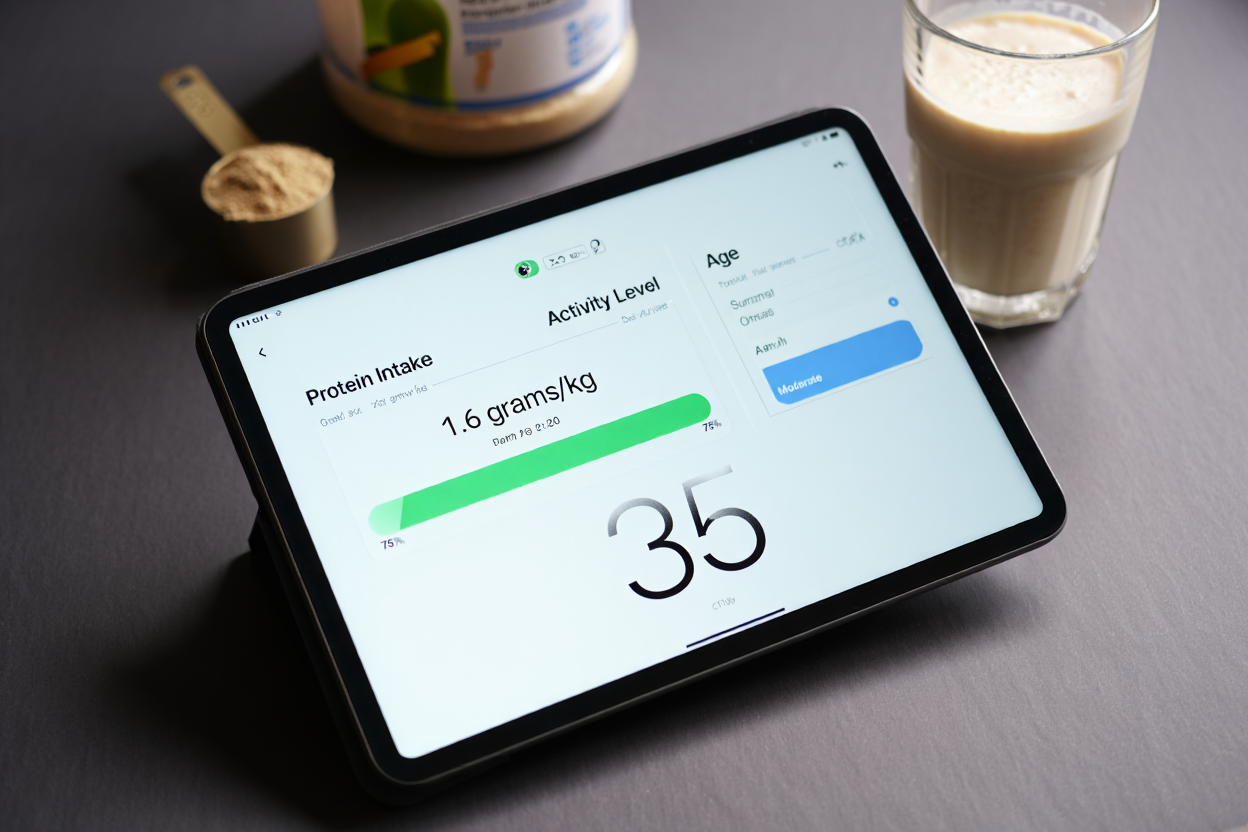
Your protein requirements change significantly based on your lifestyle, ranging from the minimal needs of a sedentary adult to the much higher demands of an athlete. Recognizing these differences is key to aligning your dietary protein intake with your personal goals, whether that's maintaining general health or achieving specific fitness results. Your life stage and how active you are play a crucial role in determining your individual needs, going far beyond just your body weight.
Sedentary versus active adult protein requirements
Sedentary or lightly active adults typically need about 0.8–1.0 grams per kilogram (g/kg) of body weight to maintain basic organ function and muscle tissue. This aligns with standard guidelines, such as the UK's public health advice of 0.75 g/kg and the U.S. RDA (Recommended Dietary Allowance) of 0.8 g/kg. It's important to note that if you're wondering "how much protein do I need a day to build muscle," the answer for a sedentary person is significantly less than for someone who is very active.
For active individuals who aren't specifically focused on building muscle, a higher daily protein intake is still necessary to support their lifestyle. Casual exercisers and regular gym-goers often benefit from consuming 1.2–1.4 g/kg. This supports more efficient recovery and tissue repair after workouts.
- Sedentary adults: 0.75–0.8 g/kg is sufficient for general health without the additional demands of exercise.
- Lightly active individuals: 1.0–1.2 g/kg is ideal for those with minimal exercise routines and daily light movement.
- Recreational exercisers: 1.2–1.4 g/kg helps maintain lean tissue and supports recovery from moderate, regular workouts.
For active people, consuming some protein shortly after a workout can encourage muscle repair. However, when you're not aiming for maximum gains, your total daily intake is generally more critical than precise timing. For example, a 70 kg active person might aim for around 91 grams of protein per day, spread evenly across their meals.
Pregnancy, breastfeeding and child protein needs
The protein requirements for pregnant women are higher than the standard adult baseline and increase as the pregnancy advances. Generally, this means adding about 1 extra gram in the first trimester, 9 grams in the second, and 28 grams in the third trimester. For instance, an 80 kg woman in her third trimester would need approximately 94 grams of total daily protein.
It's important to distinguish that calculating protein per kg for muscle gain is different from pregnancy needs, as the increased requirement is for fetal development, not physical activity. For breastfeeding women, an additional 19 grams daily is recommended for the first six months, reducing to 13 grams thereafter. This extra protein intake is vital for supporting milk production and aiding the mother's recovery.
Children and adolescents have varying needs, typically between 0.83 and 1.31 g/kg, which depend on their age and rate of growth. Their requirements peak during rapid growth spurts, and teenagers involved in sports may need even more to support their training. These adjustments ensure young, developing bodies receive adequate support.
Older adult protein for sarcopenia prevention
Adults over 65 often benefit from a higher daily protein intake than younger adults. This is due to a condition known as anabolic resistance, where the body becomes less efficient at using protein to repair and maintain muscle. To combat age-related muscle loss (sarcopenia), research suggests an intake of 1.2–1.6 g/kg, which is higher than the standard 0.83 g/kg baseline.
For example, a 75 kg older adult aiming for 1.2 g/kg would need about 90 grams of daily protein. Someone targeting optimal prevention might aim for 1.5 g/kg, requiring around 112.5 grams per day. The best results for preserving muscle and bone health come from combining this increased protein intake with regular resistance exercise.
A common challenge is that many older individuals struggle to meet even basic protein requirements, making thoughtful meal planning essential. Incorporating protein-rich foods like eggs, dairy, or legumes into snacks is an effective way to distribute protein intake more evenly throughout the day, which is often more beneficial than consuming it all in one large meal.
Protein Sources and Practical Daily Meal Planning
Reaching your daily protein intake goals involves choosing a balanced mix of whole foods and supplements that suit your lifestyle. You'll want sources that fit both your budget and your taste preferences while still supporting your fitness and health objectives. Since the quality of protein can vary, building flexible meals makes it much easier to meet your total daily requirements.
Making strategic food choices helps you hit specific protein gram targets without giving up variety. This way, you also benefit from other essential nutrients that contribute to your overall health.
Best Protein-Rich Foods and Their Amounts
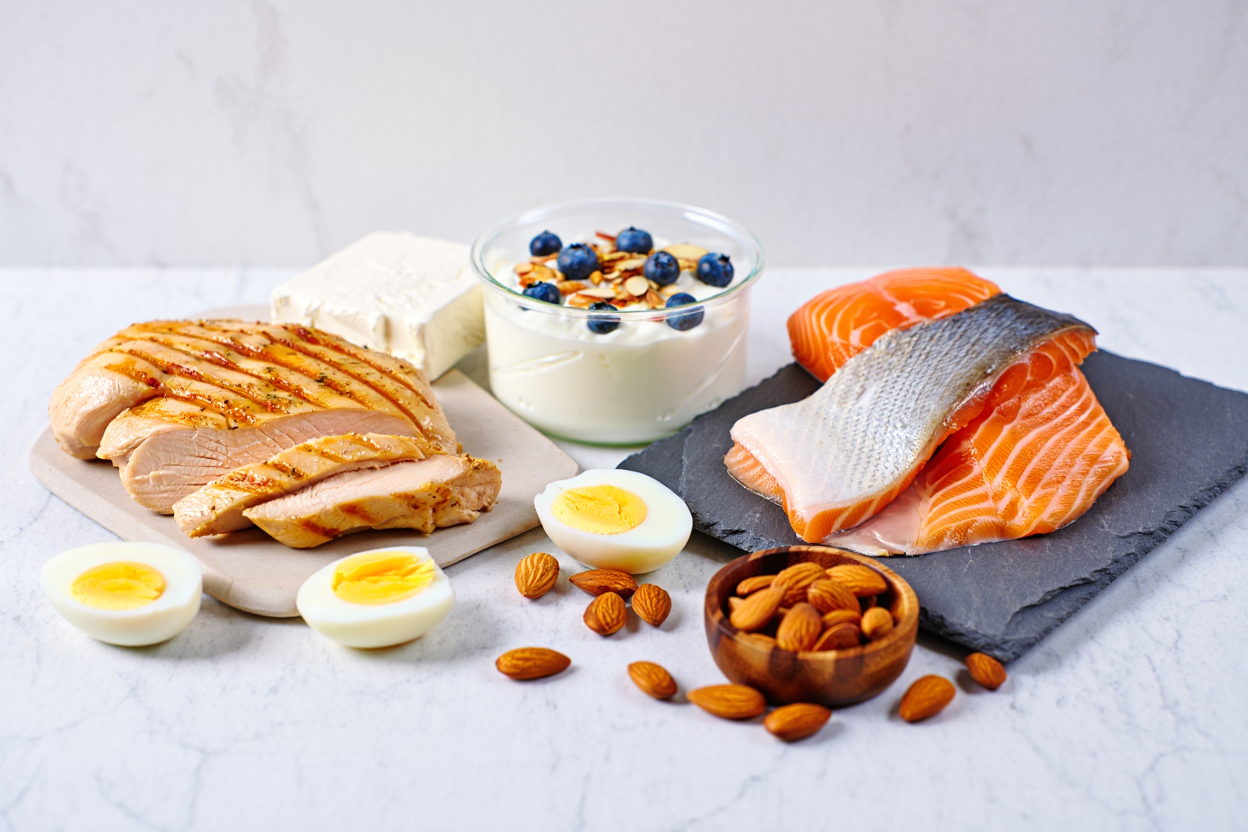
Animal-based foods provide complete amino acid profiles that your body can absorb efficiently. For instance, a 100-gram serving of chicken breast offers around 31–33 grams of protein, while the same amount of lean beef provides roughly 36 grams. When it comes to how much protein is in 1 egg, the answer is about 6–7 grams, so two eggs give you a solid 12-gram portion.
Dairy is another excellent option—Greek yogurt delivers about 20 grams per cup, and cottage cheese supplies close to 28 grams per cup. A standard glass of milk adds roughly 8 grams. These are all convenient and tasty ways to help you reach your daily protein goals.
- Poultry and Lean Meat: Chicken breast, turkey, and lean beef are highly efficient sources, providing 31–36 grams per 100-gram serving with very little fat.
- Eggs and Dairy: Whole eggs, Greek yogurt, and cottage cheese are complete proteins packed with valuable micronutrients.
- Plant-Based Options: Soy protein isolate and pea protein powder offer concentrated doses, while lentils and beans deliver steady plant protein for those following a vegetarian diet.
Whey protein powder is extremely convenient—a single scoop typically provides 20–30 grams of high-quality protein. For an average adult weighing 75 kilograms, this equals about 0.3 grams per kilogram. Casein powder is another good option, especially before bedtime, as it releases protein slowly overnight.
If you avoid animal products, various plant-based powders can help you meet your needs effectively. Use these supplements to fill in dietary gaps rather than replacing nutrient-rich whole foods entirely.
Sample Daily Protein Meal Plans and Combinations
Meeting guidelines like how much protein you need a day (as recommended by the NHS) calls for planning meals that fit smoothly into your daily routine. A sample day aiming for 120 grams might begin with a breakfast of Greek yogurt and berries for an easy 20 grams. A mid-morning snack of boiled eggs adds another 12 grams to your total.
Lunch could include grilled chicken breast and quinoa, contributing about 40 grams of protein. An afternoon whey shake adds 25 grams, and a dinner featuring salmon provides roughly 30 grams. Spreading your intake across meals in servings of 20–30 grams helps optimize muscle repair throughout the day.
If you follow a plant-based diet, combining different plant protein sources ensures you get all nine essential amino acids. Good pairings include beans with rice or hummus with pita bread, which form complete protein profiles. To support muscle synthesis, focus on leucine-rich foods like whey or dairy around your workout times.
Tracking your intake with an app or a simple spreadsheet can help ensure you include a palm-sized portion of protein in every meal. Prioritize lean sources and limit processed meats, which are often high in sodium and saturated fats. Most healthy adults should aim for a safe upper limit of around 2.0–2.2 grams per kilogram.
Some more aggressive diets may recommend up to 2.4 g/kg for short periods, but consistently going beyond 2.2 g/kg can put extra stress on the body. High protein intake may be hard on the kidneys for individuals with pre-existing conditions, so it's wise to consult a doctor before starting any extreme dietary plans.
Frequently Asked Questions
Whether 100 grams of protein per day is sufficient depends on your individual body weight and fitness objectives. For a sedentary adult weighing 60 kg, the RDA recommends just 48 grams, so 100 grams would exceed basic health requirements. However, a 70 kg athlete aiming for building muscle might target 1.8 grams per kilogram, equating to 126 grams daily.
In that case, 100 grams would be insufficient for optimal progress. To determine your ideal daily protein intake, multiply your body weight by the grams per kilogram value that matches your activity level. Keep in mind that your protein daily requirement will vary greatly depending on your training intensity.
Calculating your protein requirements is straightforward. First, convert your body weight to kilograms if needed. Then, choose a suitable multiplier: use 0.8 g/kg for sedentary adults, 1.2–1.4 for active individuals, or 1.6–2.2 for strength training. Finally, multiply your weight by that number to find your total grams of protein per day.
For instance, a 75 kg person focused on muscle gain at 2.0 g/kg would calculate 75 × 2.0 = 150 grams daily. Your daily protein intake should always reflect your specific exercise routine and life stage.
Studies show that consuming between 1.6 and 2.2 grams of protein per kilogram of body weight is ideal for muscle growth. For most people, targeting 1.8–2.0 g/kg offers a sweet spot where benefits level off. A 70 kg individual should aim for approximately 126–140 grams spread throughout the day.
This approach often includes a post-workout meal containing 20–30 grams of protein after resistance exercise. Pairing this protein intake with consistent training, sufficient calories, and adequate sleep creates the perfect environment for muscle development. For best results, your daily protein intake should be distributed across meals at roughly 0.3–0.4 g/kg per serving.
Official protein intake recommendation guidelines vary slightly between organizations but generally agree on maintenance levels. The UK suggests 0.75 g/kg, the US RDA is 0.8 g/kg, and the EFSA recommends 0.83 g/kg for healthy adults. These baseline figures are designed to maintain nitrogen balance in sedentary individuals, not athletes focused on building muscle.
Protein requirements differ for other groups: children need 0.83–1.31 g/kg, while pregnant women require an extra 1–28 grams depending on the trimester. European surveys indicate that average adult protein consumption typically meets or exceeds these minimums through regular diets. Remember that active people often need significantly more protein than these basic recommendations.
Share this article: