Shopping Cart
What to eat after a workout: best post-workout meal ideas


Refueling after exercise is refreshingly simple: pairing protein with a source of carbohydrate shortly after your session helps rapidly restore glycogen, kickstarts muscle protein synthesis, and accelerates your overall recovery. By mastering workout nutrition basics, you can select the perfect post-workout meal, optimize your post-workout meal timing, and truly maximize muscle growth while efficiently replacing the energy you expended.
Why Post-Workout Meal Timing Matters for Recovery
Your muscles undergo micro-damage during training, which opens a brief yet powerful window for nutrient delivery. Consuming a balanced meal within roughly 30–45 minutes after your workout enables your body to repair tissue, replenish glycogen, and reduce catabolic signals.
The 30-Minute Anabolic Window Explained
The concept of post-workout meal timing for muscle gain is centered on this "anabolic window." In the first 30–45 minutes, your muscles are primed to rapidly absorb amino acids and glucose, significantly boosting both muscle protein synthesis and glycogen recovery.
This elevated nutrient uptake can remain high for up to four hours. Any eating during this period will continue to speed up recovery and help minimize muscle soreness before it even begins.
- Muscle protein synthesis spike: Providing adequate amino acids during this time activates the mTOR pathway far more effectively than eating hours later.
- Glycogen replenishment: Quickly digested carbohydrates swiftly refill the energy stores depleted by your intense workout.
- Reduced cortisol: Timely nutrient intake helps suppress catabolic hormones that can break down newly trained muscle.
- Enhanced insulin sensitivity: Post-exercise, muscle cells can pull in glucose with minimal insulin, greatly improving nutrient transport.
For light sessions under an hour, a dedicated post-workout meal may be unnecessary if you're already eating balanced meals every four to five hours.
Optimal Macronutrient Ratios for Muscle Gain
An effective post-workout meal strategically combines three key nutrients: high-quality protein to rebuild muscle fibers, carbohydrates to reload glycogen, and a modest amount of healthy fat to aid absorption. Aim for a carbohydrate-to-protein ratio of about 3:1 or 4:1 within the first hour after your workout.
- High-quality protein (20–30 g): Delivers essential amino acids, particularly leucine, to activate muscle growth pathways.
- Fast-acting carbohydrates (40–60 g): Stimulate insulin release, which drives nutrients into muscle cells and speeds up energy recovery.
- Healthy fats (10–15 g): Provide satiety and additional calories without significantly slowing digestion to hinder recovery.
- Hydration pairing: Consuming water or an electrolyte drink helps maintain cellular hydration and supports the movement of nutrients during recovery.
A 75 kg (165 lb) athlete should target consuming about 0.1–0.2 g of protein per pound of body weight each hour for four hours post-workout, which translates to roughly 20–40 g per meal. Combine this with 0.4–0.7 g of carbohydrate per pound to reduce soreness, accelerate recovery, and support long-term muscle growth with every post-workout meal you eat.
Best protein and carb foods to eat after a workout
Choosing nutrient-dense whole foods is fundamental for food for muscle growth after a workout and rapid recovery. Combining lean or plant-based proteins with fast-digesting carbohydrate sources quickly restores your glycogen levels, kickstarts muscle protein synthesis, and sustains your post-workout recovery.
Top lean protein sources for muscle repair
Animal proteins provide all the essential amino acids your body needs for efficient workout recovery and ongoing muscle repair. For instance, grilled chicken breast offers about 30g of protein per 100g serving and pairs wonderfully with complex carbs like quinoa or brown rice to support muscle recovery and fuel your next session.
- Salmon: Delivers around 25g of protein per 100g, plus anti-inflammatory omega-3 fats that can help reduce soreness and improve cardiovascular recovery.
- Eggs: A complete protein that contains all nine essential amino acids, eggs enhance muscle growth, cognitive function, and overall post-workout nutrition.
- Greek yogurt: With nearly 20g of protein per 7 oz serving, it's a fantastic base that you can easily mix with fruit, honey, or granola for a balanced post-workout recovery snack.
Don't overlook cottage cheese, which provides around 14g of protein per half-cup. When combined with fresh fruit or whole-grain crackers, it becomes a simple, easily digested snack that can support muscle recovery throughout the day. A sprinkle of seeds or nuts adds extra texture, protein, and nutrients without any fuss.
Carbohydrate-rich foods for glycogen replenishment
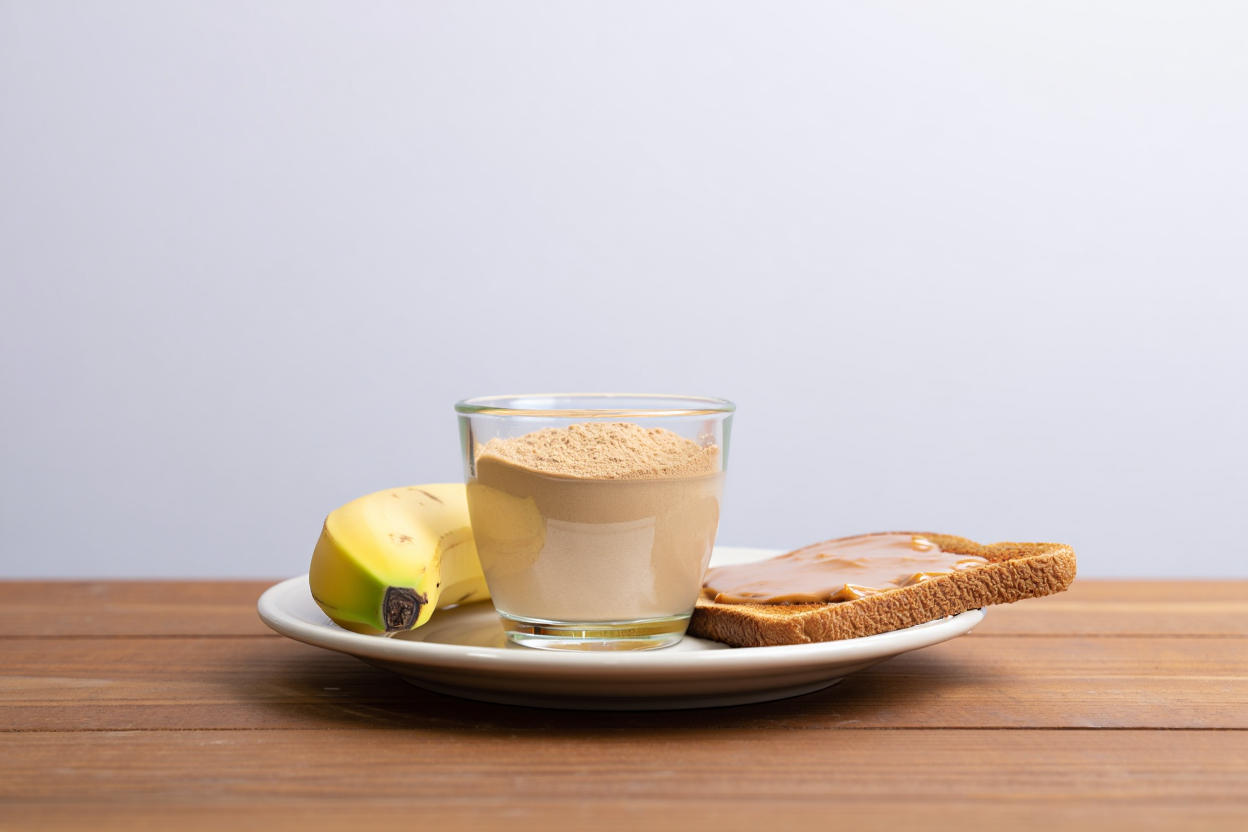
Smart nutrition for working out requires swift replenishment of muscle glycogen. A banana with a side of almond or peanut butter, for example, delivers 30–40g of fast-acting carbs along with a bit of protein, making it a perfect choice for immediate post-workout recovery. This easy, portable combo helps jumpstart muscle repair right after your training and keeps you satisfied until your next meal.
For longer-lasting energy, opt for complex carbohydrate sources like sweet potatoes, pumpkin, beetroot, brown rice, or whole-grain toast. These options are packed with potassium, B-vitamins, and vitamin C, which help stabilize blood sugar, boost your antioxidant defenses, and prevent cramps during the critical recovery phase after an intense workout.
Plant-based protein options for vegan athletes
Tofu is an excellent plant-based choice, offering about 15g of protein per half-cup. Combine it with quinoa or lentils to form a complete amino acid profile that’s ideal for muscle protein synthesis. A vibrant veggie and tofu stir-fry provides plenty of antioxidants, carbohydrate energy, and protein, ensuring a powerful post-workout nutrition boost without any animal products.
A black bean and rice bowl, topped with a poached egg (or avocado for strict vegans), blends plant protein, complex carbohydrates, and essential micronutrients in one delicious meal. Combinations like these allow vegan athletes to eat after a workout with confidence, knowing every bite is working to support muscle recovery, refill glycogen stores, and improve future performance.
Recommended products
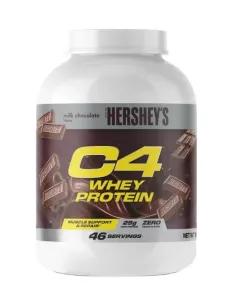
Simple Post-Workout Meal Ideas and Recipes
For effective workout recovery, you'll find post-workout meal suggestions ranging from simple shakes to complete plates. These flexible options fit any schedule, whether you're eating right at the gym or shortly after arriving home. Each idea provides balanced macronutrients within the ideal post-workout window to support rapid recovery and muscle protein synthesis.
Quick Protein Shake Recipes for Busy Athletes
You don’t need a lot of prep time for a nutritious post-workout meal. A quick protein shake can be your best friend. For example, blend a scoop of whey isolate, one ripe banana, a cup of milk, and a spoonful of peanut butter. In just minutes, you’ll have a drink delivering roughly 30 g of protein and 45 g of carbohydrate to jump-start glycogen replenishment.
- Strawberry Isolate Shake: Combine one scoop of whey isolate with a cup of fresh berries, 250 ml of oat milk, and a drizzle of honey if you like. This delivers quick carbs and protein to promote muscle protein synthesis.
- High-Calorie Mass Shake: Mix whey isolate, rolled oats, nut butter, and whole milk for a calorie-packed drink over 500 kcal. It's perfect for athletes whose workout recovery calls for extra energy.
- Recovery Smoothie with Electrolytes: Blend 250 ml of coconut water, a scoop of whey protein, a pinch of sea salt, a squeeze of lemon, and your favorite fruit. This offers hydration along with 20–25 g of protein.
Since liquid meals digest quickly, nutrients enter your bloodstream within 30–45 minutes, kickstarting muscle protein synthesis. Use water for a lighter shake or milk for a richer, higher-calorie option—tailor it to your training goals and recovery needs.
| Recipe | Protein (g) | Carbs (g) | Prep Time |
| Banana-Peanut Butter Shake | 30 | 45 | 3 minutes |
| Strawberry Isolate Shake | 25 | 40 | 2 minutes |
| High-Calorie Mass Shake | 35 | 60 | 5 minutes |
| Recovery Smoothie | 22 | 35 | 4 minutes |
Balanced Chicken and Whole-Grain Meal Combinations
Grilled chicken paired with quinoa makes a fantastic post-workout meal, offering lean protein and complex carbohydrate for lasting energy. A plate with 6 oz of grilled chicken, a cup of cooked quinoa, some roasted vegetables, and a touch of olive oil delivers about 35 g of protein and 50 g of carbs, supporting thorough workout recovery.
For something portable, try tuna whole-grain wraps. Mix a can of tuna with a tablespoon of Greek yogurt, wrap it in a whole-grain tortilla, and add some avocado. This provides around 30 g of protein and 35 g of carbohydrate, along with healthy fats. These solid meals release nutrients more gradually than shakes, helping with glycogen refill and sustained recovery.
Hydration and Electrolyte Replenishment Strategies
Rehydration is key. Aim to drink 500–800 ml of fluid with 300–600 mg of sodium and 200–300 mg of potassium within the first hour after your workout. Electrolyte-rich beverages help replace what you've lost through sweat, assist in transporting nutrients, and improve overall recovery efficiency.
You can find natural options like coconut water, diluted fruit juice, or a simple homemade mix with sea salt and lemon. It's best to avoid too much caffeine or alcohol right after exercising, as they can lead to fluid loss and might slow down nutrient absorption, which is crucial for an effective post-workout meal.
- Coconut Water Option: Provides natural potassium and carbohydrate without added sugars, enhancing hydration and aiding glycogen replenishment.
- Electrolyte Blend Drinks: Products like Rule One Lytes offer five essential minerals with no sugar, optimizing cellular hydration for better workout recovery.
- Homemade Electrolyte Mix: Stir together 500 ml of water, a pinch of sea salt, a squeeze of lemon, and a bit of honey if desired. It's a cost-effective way to support nutrient transport.
Proper fluid intake goes hand in hand with eating the right post-workout meal. This ensures that protein, carbohydrate, and electrolytes reach your muscle cells efficiently, speeding up your overall recovery.
Frequently Asked Questions
For optimal muscle recovery, aim to consume 20–30 grams of high-quality protein alongside 40–60 grams of fast-digesting carbohydrates within 30–45 minutes after your training session. Great post-workout food choices include a banana and peanut butter post-workout protein shake, grilled chicken with quinoa, or a Greek yogurt parfait. These options effectively promote muscle protein synthesis, replenish glycogen stores, and accelerate recovery. Essentially, any balanced workout meal that provides these macronutrients will be highly effective.
It's best to start eating your post-workout meal or shake within the first 30–45 minutes after exercise. This is when your muscles are most receptive to nutrients. While the beneficial window for post-workout eating can extend up to about four hours, consuming nutrients promptly triggers a stronger muscle protein synthesis response and more efficient carbohydrate replenishment. If you know you won't be able to have a solid workout meal right away, a liquid shake can provide rapid amino acids and carbs to support muscle recovery, a strategy supported by post-workout nutrition research.
While supplements like post-workout nutrients can simplify your routine, they shouldn't completely replace a varied diet of whole foods. A whey protein shake delivers amino acids quickly, but whole foods like chicken, rice, oats, and fruit (like a banana) contribute essential fiber, vitamins, and provide steadier energy. The most effective strategy is to combine a protein powder supplement with carbohydrate-rich whole foods in your post-workout meal. This combination covers all your nutritional bases and ensures complete muscle recovery, as outlined in this comprehensive post-workout meal guide.
Share this article: