
Shopping Cart
Best amino acids for muscle growth: protein building blocks


To build muscle effectively, you need to understand the specific amino acids that trigger muscle protein synthesis and how they function in your body. This guide covers the most impactful amino acids for muscle growth, explaining how leucine kickstarts the mTOR pathway, why branched-chain amino acids are so important, and how to time your intake to get the most out of these muscle-building nutrients.
Understanding Amino Acid Fundamentals for Muscle Growth
Amino acids serve as the foundational units that form every protein in your body—including your muscle tissue. These organic compounds link together in countless combinations to create the diverse proteins responsible for structural support, cellular function, tissue repair, and ongoing muscle development, especially during resistance training.

How Many Amino Acids Build Muscle Tissue
Your body uses 20 standard amino acids, assembled in various sequences, to produce the proteins that build muscle. While it can make 11 of these on its own, there are 9 essential amino acids—including leucine, isoleucine, valine, lysine, and phenylalanine—that must come from food sources or supplements to effectively support muscle growth, repair, and development.
Essential Versus Non-Essential Amino Acids Explained
The 9 essential amino acids (including histidine) are called “essential” because your body can’t produce them in sufficient amounts. That means you have to get them through your diet to build muscle efficiently. In fact, consuming all the essential amino acids together stimulates muscle protein synthesis more effectively than taking branched-chain amino acids alone.
- Nine essential amino acids: Leucine, isoleucine, valine, lysine, methionine, phenylalanine, threonine, tryptophan, and histidine.
- Non-essential amino acids: Eleven amino acids your body can typically produce from other compounds.
- Conditionally essential amino acids: These are usually non-essential but become essential during periods of intense training, illness, or low calorie intake.
During strenuous resistance exercise or calorie deficits, some non-essential amino acids become conditionally essential. This increases your dietary needs to support optimal repair and muscle development. A diet rich in all essential amino acids helps maintain ongoing muscle protein synthesis and supports healthy muscle tissue.
To keep your muscle-building processes active throughout the day, aim for about 0.8 grams of essential amino acids per kilogram of body weight daily, spread over three or four balanced meals. Excellent food sources like lean meats, dairy, eggs, soy, quinoa, and beans provide all the amino acids for muscle growth you need.
Key amino acids for muscle protein synthesis
The three branched-chain amino acids— leucine, isoleucine, and valine—are central players in muscle protein synthesis, recovery, and overall muscle development. Since they bypass extensive processing in the liver, these essential amino acids quickly enter the bloodstream and reach skeletal muscle directly, providing immediate building blocks for muscle fibers in need of repair and growth.
Understanding the unique role of each amino acid allows you to strategically tailor your nutrition and supplementation, leading to better muscle-building outcomes and sustained muscle growth. When you align your intake with your workout demands, you provide the full range of amino acids for muscle that support efficient protein production and athletic performance.
Leucine as the primary muscle growth trigger
Leucine is the most powerful activator of muscle protein synthesis because it directly triggers the mTORC1 pathway within muscle tissue. A serving of about 2–3 grams consistently reaches the level needed to activate this mechanism during and after resistance training, making leucine essential for anyone looking to build muscle effectively.
- mTORC1 pathway activation: Leucine initiates a cellular process that kicks off new protein building inside muscle fibers and enhances muscle-building signals.
- Effective dosing: Approximately 2–3 g of leucine per serving optimally stimulates muscle protein synthesis in healthy adults.
- Rapid uptake: A 20-gram serving of whey protein provides about 2.5 g of leucine, easily exceeding the activation threshold.
- HMB benefits: About 5–10% of leucine is converted into HMB, which also activates mTORC1 and helps reduce muscle breakdown.
Inside muscle cells, leucine binds to Sestrin1, releasing the brake on mTORC1. Once activated, mTORC1 phosphorylates p70S6K and 4E-BP1, promoting ribosome formation and protein translation. Sufficient and well-timed leucine intake sends a strong signal to create new muscle tissue and speed up ongoing repair.
Isoleucine and valine supporting roles in recovery
While leucine kickstarts the muscle-building process, isoleucine and valine play vital supporting roles. Isoleucine helps improve glucose uptake for sustained energy, and valine aids in nitrogen balance and supports energy production during intense training.
Both of these branched-chain amino acids are metabolized directly within skeletal muscle, making them readily available during exercise and early recovery. When paired with leucine, they help create an optimal environment for muscle growth, though full muscle protein synthesis still depends on all nine essential amino acids.
Why complete BCAA profiles matter for gains
Research supports a 2:1:1 ratio— leucine to isoleucine to valine—providing about 6 g leucine, 3 g isoleucine, and 3 g valine per standard serving. For a 75 kg adult, daily requirements are approximately 4.1 g leucine, 3.2 g isoleucine, and 3.5 g valine, helping to avoid imbalances that could hinder muscle protein synthesis.
Spreading doses throughout the day keeps levels of branched-chain amino acids elevated in the blood, supporting ongoing muscle protein synthesis and muscle tissue recovery. Taking 5–10 g total branched-chain amino acids with at least 3 g leucine before or during a workout supplies immediate energy, while a post-workout dose of 0.1 g/kg body weight helps initiate repair without limiting the availability of other essential amino acids.
- 2:1:1 balance: This well-studied ratio optimizes the effects of branched-chain amino acids for both muscle building and recovery.
- Leucine threshold: Each serving should include 2.5–3 g leucine to effectively activate muscle growth pathways.
- Split dosing: Multiple smaller doses help maintain consistent amino acid levels and support continuous muscle-building.
- Complete EAA support: Getting enough of all essential amino acids is critical, since branched-chain amino acids alone can't complete the process of protein formation.
Consuming branched-chain amino acids within 30 minutes after resistance training speeds up absorption and recovery. However, long-term success in building muscle depends on a full intake of essential amino acids throughout the day. Your skeletal muscle can't complete new protein construction without all the necessary amino acids, highlighting the value of balanced, protein-rich meals in addition to targeted supplements.
Supporting amino acids beyond BCAAs for performance
While branched-chain amino acids often get the spotlight, the other six essential amino acids and several conditionally essential amino acids play an equally vital role in muscle development and peak athletic performance. These supporting amino acids create a comprehensive, muscle-building ecosystem that significantly boosts muscle protein synthesis, accelerates repair, and enhances overall training quality. By appreciating the unique function of each amino acid, you can precisely tailor your total amino acid consumption to achieve superior muscle growth and sustained progress.
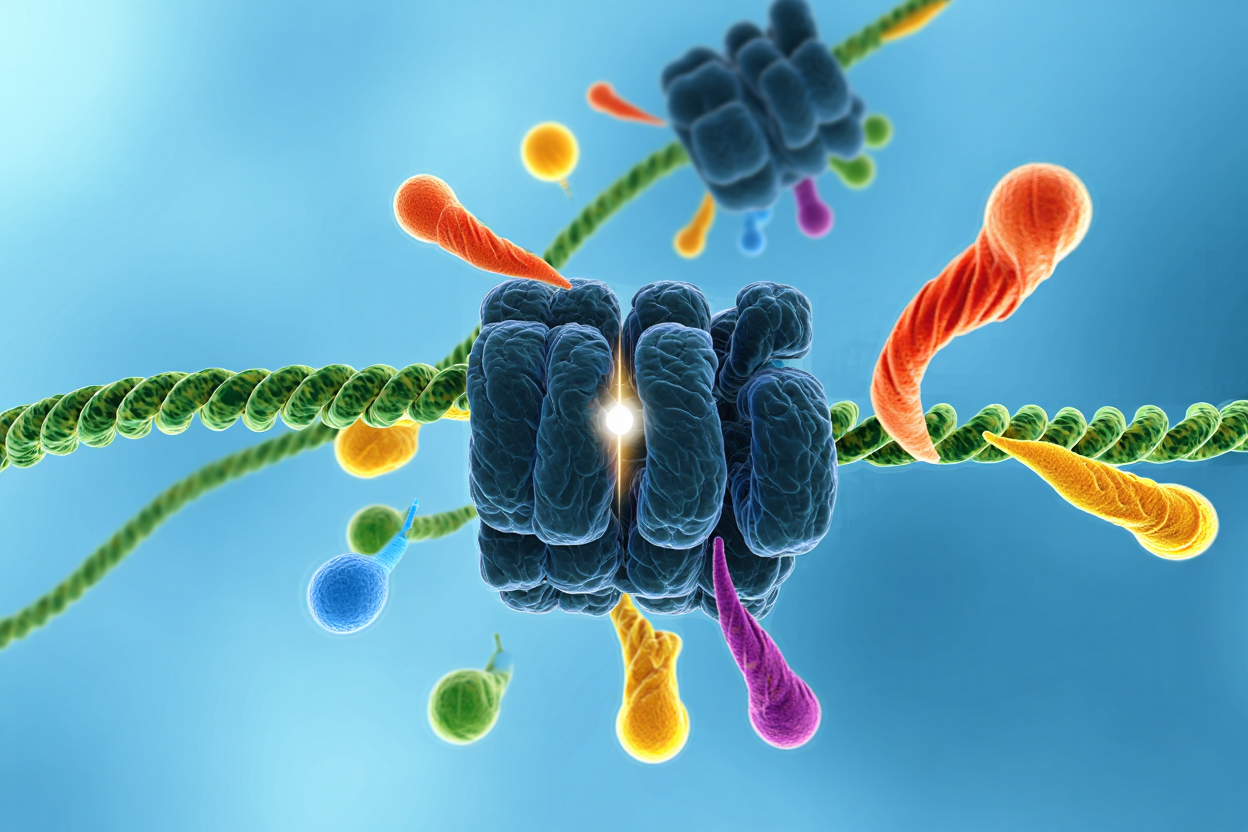
Lysine and methionine for hormone production
Amino acids like lysine and methionine go far beyond simply building protein; they actively power muscle repair and growth by influencing key metabolic pathways. Lysine is foundational for collagen formation and hormone production, which indirectly protects your joints and sustains the anabolic processes essential for ongoing muscle development. Methionine acts as a methyl donor in cellular metabolism, helps regulate homocysteine, and supports creatine synthesis, thereby boosting energy availability during intense workouts and the recovery period.
- Lysine functions: Maintains collagen integrity, facilitates the synthesis of hormones, improves calcium absorption, and shields the connective tissue that is crucial for durable muscle development.
- Methionine benefits: Serves as a vital methyl donor for cells, helps balance homocysteine levels, and aids in creatine production to energize hard-working muscle tissue.
- Hormone optimization: The combined action of lysine and methionine supports the natural output of testosterone and growth hormone, directly accelerating muscle-building progress.
- Recovery support: Both of these essential amino acids enhance cellular repair mechanisms and help reduce inflammation following demanding resistance training.
When lysine and methionine work in concert with branched-chain amino acids, they forge the ideal internal environment for robust muscle protein synthesis and strong anabolic signaling. Ensuring sufficient intake of lysine and methionine through complete dietary protein or broad-spectrum essential amino acid supplements can amplify muscle repair and growth far beyond what branched-chain amino acids can accomplish by themselves.
Glutamine and arginine for recovery support
Glutamine, which is abundant in high-quality protein powders, helps prevent muscle breakdown and speeds up the repair of muscle fibers after grueling workouts. A daily dosage of about 0.3 grams per kilogram of body weight can also bolster immune function and lessen post-exercise soreness, allowing you to get back to training faster. Arginine boosts nitric oxide production, enhancing blood flow and the delivery of nutrients to active muscle tissue. This creates a hormonal climate that is highly favorable for repair, muscle growth, and overall muscle development.
Supplementing with 2–5 grams of beta-alanine daily can raise intramuscular carnosine levels, buffer exercise-induced acidity, and delay the onset of fatigue during high-intensity exercise. This reduction in fatigue allows for a higher training volume, which directly intensifies the stimulus needed for muscle-building adaptation. Integrating these supporting amino acids into your primary strategy of consuming branched-chain amino acids and essential amino acids creates a holistic approach that optimizes muscle protein synthesis, recovery, and long-term muscle repair and growth from every possible angle.
Recommended products

Optimal Amino Acid Dosage and Timing Strategies
Getting the right amount of amino acids and timing your intake around workouts can significantly boost muscle protein synthesis, speed up recovery, and help your skeletal muscle adapt. Studies consistently show that aligning your protein intake with key training periods leads to greater muscle growth than haphazard supplementation. By mastering these straightforward timing strategies and meeting your daily needs, your protein intake will directly contribute to faster muscle repair and growth, improved performance, and consistent progress.

Daily Protein and Amino Acid Requirements Explained
Ever wondered how many amino acids per day are needed to build muscle? A good starting point is a total protein intake between 1.2–2 grams per kilogram of body weight. For serious athletes, that range increases to 1.6–2.2 grams. These amounts provide enough essential amino acids to maintain continuous muscle protein synthesis, support a healthy body composition, and align with the best protein intake timing for recovery and muscle growth.
- Minimum daily requirement: Aim for a minimum of 0.8 grams of essential amino acids per kilogram of body weight, spread across 3–4 meals to maintain stable levels in your system.
- Active individual targets: Consuming 1.2–2 grams of total protein per kilogram daily ensures you get the amino acids needed for maximum muscle growth and efficient repair.
- Per-meal distribution: Each meal should include 0.3–0.4 grams of protein per kilogram to trigger repeated pulses of muscle protein synthesis throughout the day.
For example, a 75 kg lifter would need about 90–150 grams of protein daily, divided into four meals of 25–40 grams each. This approach keeps amino acid levels elevated all day, promoting ongoing muscle growth. Focus on a variety of food sources—like whey, eggs, dairy, meat, and legumes—and consider supplements to cover all the essential amino acids your skeletal muscle requires.
According to the IAAO model, the combined need for branched-chain amino acids is around 0.144 grams per kilogram. For a 75 kg athlete, this breaks down to roughly 4.1 grams of leucine, 3.2 grams of isoleucine, and 3.5 grams of valine. It’s best to stay under the leucine upper limit of 0.5 grams per kilogram (about 35 grams for a 70 kg person) to avoid excess ammonia and metabolic stress, while still maximizing muscle protein synthesis.
Pre-Workout and Post-Workout Amino Acid Timing
Within 30–60 minutes after your workout, consume 20–30 grams of high-quality protein that includes 2–3 grams of leucine to take advantage of the peak anabolic window. Taking a small dose of essential amino acids or branched-chain amino acids 15–30 minutes before training can provide immediate energy, reduce fatigue, and prime your body for muscle protein synthesis once you finish lifting. This kind of precisely timed protein intake can significantly enhance your workout quality.
For instance, a study showed that seniors who consumed an 11-gram essential amino acids mix twice daily gained 1.5 kg of lean mass in just 16 weeks—proof that smart timing works even outside the gym. After training, aim for 0.1 grams of branched-chain amino acids per kilogram to kickstart recovery. A whey or casein shake before bed can also protect against overnight muscle breakdown and sustain muscle protein synthesis for up to eight hours.
Meal Distribution for Sustained Muscle Synthesis
Spread your protein intake across three or four evenly sized meals to avoid long periods without adequate amino acids. Each 25–40 gram meal reactivates muscle protein synthesis, a strategy that’s especially useful on rest days when there’s less physical stimulus and nutrition becomes the main driver of muscle growth.
Make sure each meal contains at least 2–3 grams of leucine to fully activate mTORC1, a key regulator of muscle building. Complete proteins like whey, eggs, lean meats, and dairy naturally meet this threshold. If you follow a plant-based diet, combine legumes, grains, and soy to achieve a similar branched-chain amino acids profile. Plan your meals around your training schedule—pre-workout, post-workout, and two additional feedings—to create an ideal environment for ongoing protein-mediated muscle repair and growth.
Best amino acid sources and supplementation options
Amino acids for muscle growth come from two primary sources: whole foods and targeted supplements. Both supply the essential amino acids your body needs for muscle protein synthesis, but they differ in how quickly they're absorbed, their convenience, and their overall nutrient content. Understanding the pros and cons of each approach allows you to create a nutrition plan that provides ample amino acids for muscle development while fitting seamlessly into your lifestyle and training schedule.
Whey protein forms and amino acid profiles
Whey protein powder stands out as one of the fastest ways to deliver whey protein amino acids, offering a complete spectrum of essential amino acids with a particularly high amount of leucine, which is crucial for turning on muscle protein synthesis. Whey isolate typically contains about 90% protein, providing the most concentrated dose of essential amino acids with almost no fat or lactose, making it an ideal choice for rapid post-workout muscle repair and growth.
- Whey isolate: Approximately 90% protein, offering maximum essential amino acid density and minimal fat or lactose for the fastest absorption.
- Whey concentrate: Contains 70-80% protein while preserving beneficial bioactive peptides that can support immune function during intense training periods.
- Hydrolyzed whey: Pre-digested into shorter peptides, allowing it to enter the bloodstream within 30-45 minutes for immediate muscle repair and growth support.
Blends that combine isolate and concentrate provide an immediate surge of amino acids followed by a slower release over four to five hours, supporting both quick recovery and sustained muscle development. All forms of whey contain all nine essential amino acids necessary for muscle repair and growth. A standard 20-30 gram serving delivers about 2.5 grams of leucine—more than enough to fully activate muscle protein synthesis.
Whole food sources versus amino acid supplements
Whole food sources should form the foundation of any amino acid strategy, as they provide complete protein along with vitamins, minerals, and other bioactive compounds that support overall health. Lean meats, poultry, fish, dairy, and eggs deliver amino acids within natural food matrices that promote long-term wellness and consistent muscle development. These food sources also provide iron, zinc, and B-vitamins, which are vital for efficient protein metabolism and muscle repair and growth.
- Complete protein foods: Lean meats, poultry, fish, eggs, dairy, soy, quinoa, and beans naturally contain all nine essential amino acids.
- Plant-based completeness: Vegans can achieve a balanced amino acid profile by combining complementary proteins like rice and beans or by selecting fortified plant-based powders.
- Supplemental advantages: Powders offer concentrated amino acids, precise dosing, fast absorption, and easy post-workout convenience.
- Strategic combination: Build your daily intake around whole food sources, then time your supplement use around workouts to maximize muscle growth and performance.
Amino acid supplements should complement—not replace—food sources once your daily protein needs are met. However, shakes are particularly useful when rapid delivery is essential, such as immediately after training when solid foods digest too slowly to meet urgent repair demands. Combining whole foods with well-timed supplements creates the most effective strategy for steady muscle repair and growth.
Safety considerations and synergistic supplements
Short-term use of branched-chain amino acids (BCAA)—up to twelve weeks—appears safe for healthy kidneys and livers at recommended doses. A sixteen-week study involving glucose-intolerant older adults found that supplementing with essential amino acids plus arginine twice daily between meals increased lean mass, improved leg strength, and enhanced overall function, highlighting both the safety and effectiveness of essential amino acid supplementation.
Creatine, taken at 3-5 grams daily after a loading phase, works synergistically with branched-chain amino acids, resulting in 5-10% greater lean-mass gains than using BCAA alone over a twelve-week period. HMB at 3 grams per day helps preserve muscle during calorie deficits or extremely intense training periods when the risk of muscle breakdown increases. Individuals with pre-existing medical conditions should consult a healthcare professional before beginning any amino acid regimen, and total leucine intake should generally remain below 0.5 grams per kilogram of body weight to avoid excess ammonia production from amino acid metabolism.
Frequently Asked Questions
Leucine is the most effective amino acid for muscle growth because it activates mTORC1, the key switch that turns on muscle protein synthesis and kickstarts the muscle-building process. It works alongside its branched-chain amino acid partners, isoleucine and valine, as well as the other essential amino acids: lysine, methionine, phenylalanine, threonine, tryptophan, and histidine. Research indicates that combining a BCAA muscle growth strategy with the full spectrum of essential amino acids is highly effective. Consuming 2–3 grams of leucine from sources like eggs, dairy, or supplements per serving provides the optimal amount of amino acids for muscle growth and sustains long-term muscle development.
For the best results, time your intake of amino acids strategically. Post-workout, consume 20–30 grams of protein containing 2–3 grams of leucine within the first hour of recovery to rapidly boost muscle protein synthesis. Taking 5–10 grams of branched-chain amino acids 15–30 minutes before your workout can be beneficial, and you can repeat this dose during longer training sessions to help combat fatigue. For all-day support, spread your intake of 25–40 grams of protein across your meals. A supplement like Reflex Nutrition’s essential amino acids offers a quick 16-gram dose of support between meals.
Both whole food sources and supplements play important roles. Whole food sources such as lean meats, eggs, dairy, and legumes provide complete protein, all the essential amino acids, and a range of beneficial micronutrients that support overall health and muscle development. On the other hand, whey protein and amino acid supplements deliver a fast-acting dose of essential amino acids for muscle growth, which is particularly useful during the critical post-workout window when the body needs them most. Evidence from whey amino acids comparisons shows that a combined approach—using supplements to complement a diverse diet rich in whole food sources—is the most effective strategy to build muscle consistently and support long-term muscle growth.
Share this article: