Shopping Cart
7-Day meal plan for muscle gain with high protein recipes


This comprehensive 7-day meal plan for muscle gain provides detailed recipes, nutritional guidance, and a clear structure to help you build muscle effectively over the next week. By strategically combining high-protein eating with a controlled calorie surplus, the plan maximizes muscle protein synthesis, accelerates recovery, and supports consistent progress throughout the entire 7-day meal schedule.
What foods build muscle fast and effectively
Building muscle requires nutrient-dense choices that deliver adequate protein, complex carbohydrates, and healthy fats in specific ratios. This diet for muscle gain focuses on whole, minimally processed foods that sustain energy levels, improve recovery, and integrate smoothly into a balanced 7-day meal plan for muscle gain.

Complete protein sources for maximum muscle growth
High-quality protein is the foundation of any plan for muscle development because it provides essential amino acids that your body cannot produce on its own. Aim for 1.6–2.2 grams of protein per kilogram of body weight each day, spacing your adequate protein intake evenly across meals to encourage continuous muscle growth and recovery.
Complete proteins, which contain all nine essential amino acids, stimulate muscle protein synthesis more efficiently than incomplete sources. While animal foods typically have superior profiles, you can combine various plant-based ingredients in your 7-day meal plan to achieve similar results while adding variety to your overall nutrition.
- Chicken breast: This lean cut provides roughly 31 grams of protein per 100-gram cooked serving while keeping saturated fat content low.
- Fish and salmon: These offer 25–30 grams of protein per 100-gram serving and are rich in omega-3s, which help reduce inflammation and protect your joints.
- Eggs and Greek yogurt: A whole egg contains about 6 grams of complete protein, while a 7-ounce serving of Greek yogurt delivers close to 20 grams.
Plant-based muscle-building foods include cooked legumes (15–20 grams of protein per cup), tofu or tempeh (15–20 grams per half-cup), and seitan (around 25 grams per 3-ounce portion), ensuring you meet your adequate protein intake throughout the day's meal plan.
Strategic carbohydrate and healthy fat selection
Effective muscle-building foods should also include complex carbohydrates to fuel your workouts and replenish glycogen stores for quicker recovery. Staples like brown rice, quinoa, and oats provide sustained energy and essential micronutrients that help regulate hormones crucial for ongoing muscle growth.
Healthy fats from avocados, nuts, seeds, and olive oil supply essential fatty acids that support testosterone production, promote satiety, and contribute to overall nutritional balance. Allocating 20–25% of your daily calories to these sources helps maintain the caloric surplus needed for building muscle, keeping your entire muscle-building plan both effective and sustainable.
How to Structure Your 7-Day Meal Plan
Strategically timing your meals and spreading your protein intake evenly throughout the day supports continuous muscle protein synthesis over a 24-hour period, which significantly boosts your overall muscle-building potential. This structured 7-day meal plan includes three main meals, two snacks, and one post-workout protein shake to ensure a steady supply of amino acids is available for muscle recovery and growth all day and night.
Daily Meal Timing and Protein Distribution Strategy
Plan to eat roughly every three to four hours to maintain elevated blood amino acid levels and encourage steady muscle gain. Research has shown that consuming about thirty grams of high-quality protein at each main meal—breakfast, lunch, and dinner—boosts full-day muscle protein synthesis rates by nearly 25% compared to uneven protein distribution patterns.
For optimal performance and recovery, consume easily digestible carbohydrates about thirty minutes before your workout to fuel your session. Then, within forty-five minutes after exercising, combine protein powder with fast-acting carbohydrates to speed up muscle repair. This structured approach to nutrition ensures effective nutrient delivery that enhances both your workout intensity and post-exercise recovery.
| Meal Timing | Protein Target | Carbs (grams) | Example Foods |
| Breakfast (7-8 AM) | 30-35 g | 60-80 g | Eggs, oats, berries, Greek yogurt |
| Snack 1 (10-11 AM) | 15-20 g | 30-40 g | Protein shake, fruit, nuts |
| Lunch (1-2 PM) | 30-35 g | 60-80 g | Chicken, brown rice, vegetables |
| Snack 2 (4-5 PM) | 15-20 g | 30-40 g | Cottage cheese, whole-grain crackers |
| Dinner (7-8 PM) | 30-35 g | 60-80 g | Fish, quinoa, roasted vegetables |
| Post-workout (within 45 min) | 20-30 g | 40-50 g | Protein powder, banana, milk |
Sample Day Macronutrient Breakdown and Meals
This example day meal plan illustrates the nutritional foundation that supports effective muscle building. Providing approximately 2,800 calories, this eating plan delivers around 210 grams of protein (30%), 350 grams of carbohydrates (50%), and 62 grams of fat (20%). You can make weekly adjustments based on your body weight changes and how you’re responding to your training.
Breakfast might include three scrambled eggs with spinach, a slice of whole-grain toast, and a serving of Greek yogurt topped with berries. This meal offers nearly 500 calories and 36 grams of protein, helping to jumpstart muscle protein synthesis after an overnight fast. Beginning your 7-day meal plan this way aligns your macronutrient intake with your body’s natural metabolic rhythms.
For lunch and dinner, alternate between lean proteins like grilled chicken, baked salmon, or tofu, paired with complex carbs such as brown rice, quinoa, or other whole grains, along with a generous serving of vegetables. Each main meal aims for that thirty-gram protein target, provides sustained energy for training, and delivers essential vitamins that support hormonal balance and overall recovery.
Weekly Variety and Flexible Ingredient Substitutions
Rotating your protein sources, grains, and vegetables keeps your 7-day meal plan engaging and improves your micronutrient intake. Feel free to swap quinoa for barley, salmon for tuna, or chicken for turkey—these substitutions maintain the same macro ratios while accommodating your personal taste, budget, and seasonal produce availability, ensuring your nutrition strategy remains both effective and adaptable.
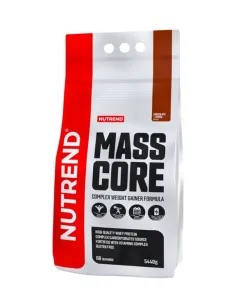
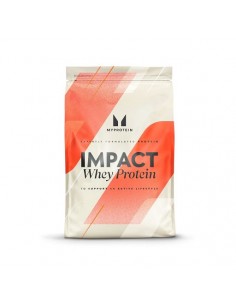
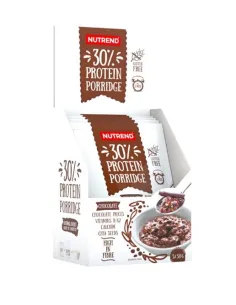
Recommended products

High protein recipes for muscle building success
Incorporating tried-and-tested high protein recipes takes the guesswork out of hitting your daily protein targets, while still delivering delicious and satisfying meals. Each recipe below balances nutrient-dense ingredients with hearty portions, helping you create a sustainable eating plan designed for long-term muscle development and improved overall nutrition.

Breakfast recipes delivering 30-40 grams protein
Starting your day with a nutritional breakfast helps refuel your body after an overnight fast and boosts your protein intake to prepare for strength training. These tasty morning meals are simple to make, easy to take on the go, and help maintain steady energy levels for early workouts or busy workdays.
- Vegetable and egg scramble: Lightly sauté chopped bell peppers, spinach, and onions before folding in three whole eggs and two extra egg whites. Serve with whole-grain toast and ½ cup of Greek yogurt—a meal that adds up to roughly 38 grams of protein.
- Overnight oats with protein: Mix one cup rolled oats, one scoop of protein powder, one cup Greek yogurt, one sliced banana, and a tablespoon of almond butter. Refrigerate overnight for an easy breakfast with 40 grams of protein and energizing slow-digesting carbs.
- Protein pancakes: Blend two whole eggs, one scoop of whey protein powder, half a banana, and a dash of cinnamon. Cook on a griddle, top with a spoonful of almond butter, and enjoy a delicious pancake stack with around 35 grams of protein.
Preparing several portions of these breakfasts during your weekend meal prep makes for stress-free mornings and helps keep your muscle building progress on track. Using whole-food ingredients boosts satisfaction, aids digestion, and keeps added sugars and preservatives to a minimum.
Lunch and dinner recipes with complete nutrition
Your main meals should combine generous protein servings with complex carbohydrates and colorful vegetables to power workouts and accelerate recovery. Each of the following servings offers 30–50 grams of protein, helping stimulate muscle repair and growth throughout your day.
- Grilled chicken with quinoa bowl: Place a six-ounce grilled chicken breast (about 50 g protein) over a cup of cooked quinoa, roasted broccoli, and bell peppers. Finish with a drizzle of olive oil.
- Salmon and sweet potato dinner: Roast a six-ounce salmon fillet alongside a large sweet potato and steamed asparagus. Squeeze fresh lemon over the top—this meal delivers roughly 40 grams of protein and a powerful mix of micronutrients.
- Turkey and black bean burrito bowl: Combine six ounces of ground turkey, ¾ cup black beans, one cup brown rice, sliced avocado, and salsa made with Greek yogurt. This tasty bowl offers 42 grams of protein and a great balance of fiber.
- Tofu stir-fry with brown rice: Pan-sear eight ounces of pressed tofu, then toss with mixed veggies, garlic, ginger, low-sodium soy sauce, and one cup of brown rice. Perfect for anyone following a plant-based approach to building muscle.
Making several servings at a time simplifies your weekday routine and helps you stay consistent with your macronutrient goals. With the right storage, meal prep becomes a structured strategy that turns your nutrition targets into real-world strength and muscle gains.
Snacks and shakes to meet daily protein targets
Smart snacking helps you avoid energy slumps and keeps a steady supply of amino acids available between main meals. A post-workout protein shake, consumed within 45 minutes of training, delivers fast-digesting nutrients to your muscles—speeding up repair and boosting performance recovery.
Blend one scoop of whey protein isolate, one medium banana, one cup of milk (or plant-based alternative), and a tablespoon of natural peanut butter for 25–30 grams of protein. Adding 3–5 grams of creatine can further enhance the results from your strength training efforts.
Other convenient options—like cottage cheese parfaits, Greek yogurt with granola, tuna on whole-grain crackers, or oat-based protein energy balls—each provide 15–20 grams of protein. These snacks help ensure you hit your total daily protein goal, even on your busiest days.
Meal Prep Strategies and Nutrition Essentials
Transforming your daily food choices into an organized routine through systematic meal prep makes consistent high-protein eating almost effortless. By combining whole-food nutrition with targeted supplementation, you can remove common obstacles, accelerate recovery, and establish a reliable plan for muscle gain that directly supports your long-term strength training ambitions.
Efficient Batch Cooking and Storage Techniques
Weekend high-protein meal prep sessions set the foundation for your entire 7-day meal plan, ensuring you hit your daily targets with ease. Cook large batches of proteins like chicken breast, lean ground turkey, and tofu alongside carbohydrates such as brown rice, quinoa, and oats. This yields 14–21 balanced portions that remain fresh when stored properly in airtight containers.
- Protein Batch Cooking: Grill or roast 3–4 lbs of chicken breast, 2 lbs of ground turkey, and 3 blocks of tofu simultaneously. After cooling, divide into 6-ounce servings, then refrigerate for up to five days or freeze for two to three months without any significant loss of nutritional quality.
- Carbohydrate Preparation: Cook large batches of brown rice, quinoa, and cubed sweet potatoes separately. Allow them to cool completely before storing in sealed containers to preserve their texture and flavor.
- Container Labeling System: Label each container with the preparation date, meal name, and exact macronutrient information. This keeps your 7-day meal plan for muscle gain accurate and incredibly easy to track.
- Vegetable Pre-Portioning: Wash and chop raw produce, or lightly steam cruciferous vegetables. Store them in breathable containers lined with paper towels to absorb any excess moisture.
Weigh your cooked proteins, measure your carbohydrate servings, and portion out healthy fats in advance. This disciplined approach eliminates guesswork, ensures consistent nutrition, and lets you focus purely on muscle building instead of constant recalculations.
Essential Micronutrients and Supplements for Muscle
Understanding what nutrition for muscle building entails means looking beyond just macros to the essential vitamins, minerals, and evidence-based supplements that enhance recovery and boost training capacity. Correcting common deficiencies helps keep your hormones balanced and supports steady muscle gain.
Vitamin D3 (2,000–4,000 IU taken with a fat-containing meal) supports testosterone production, immunity, and bone integrity—all of which are vital for intense strength training. Omega-3 fish oil (2.5–3 g of EPA+DHA) helps reduce inflammation and promotes joint health. Incorporating creatine monohydrate (3–5 g daily), as recommended in this guide to muscle building supplements, is proven to increase power. Adding beta-alanine (2–5 g in split doses) can also help buffer acidity during your most intense sets.
Tracking Progress and Adjusting Your Meal Plan
Objective data is key to determining whether your current plan for muscle is delivering results or requires some fine-tuning. Weigh yourself three mornings per week, log your strength gains on primary lifts, and take girth measurements to distinguish lean growth from fat gain.
As highlighted by research on even protein distribution, spreading your protein intake evenly across meals significantly enhances muscle protein synthesis—a core principle of any effective 7-day meal plan. After reviewing your weekly weight averages, adjust your calorie intake by 100–200 kcal: increase slightly if you're gaining less than 0.5 kg per week, or reduce it if your weight increases by more than 1 kg. This ensures the quality of your muscle gain remains high.
Frequently Asked Questions
An effective structured meal plan for muscle gain focuses on an adequate protein intake of 1.6–2.2 grams per kilogram of body weight each day, ensuring no single meal has less than 30 grams. Distribute your calories so that 40–50% come from complex carbohydrates and 20–25% from healthy fats. Aim for a daily surplus of 300–500 calories, eat a meal every 3–4 hours to keep amino acid levels high, and track your weekly strength, body weight, and measurements to fine-tune your nutrition for the best recovery and growth.
Prioritize lean protein sources like chicken breast, turkey, and white fish. These help you hit your daily protein goals without adding too many calories. Round out your eating plan with Greek yogurt, cottage cheese, legumes, vegetables, fruits, and a single scoop of protein powder. This approach promotes a high protein intake, keeps you feeling full, and manages your energy levels effectively. Spreading these foods across four to six smaller meals helps prevent overeating.
To effectively support your structured meal plan, consider taking 3–5 grams of creatine monohydrate daily, along with 20–30 grams of whey protein powder post-workout to boost muscle growth and recovery. Daily supplementation with vitamin D3 (2,000–4,000 IU), omega-3 fish oil (providing 2.5–3 grams of EPA+DHA), and 2–5 grams of beta-alanine can also be highly beneficial. For your safety, choose products that are verified by third-party programs like NSF Certified for Sport or Informed-Sport to ensure high quality and support your overall nutrition.
Share this article: