Shopping Cart
Best pre-workout meal for muscle gain: chicken and rice options


This guide reveals the best pre-workout meal for muscle gain, designed to maximize your training performance and recovery. You'll discover optimal timing, proven combinations like chicken and rice, and the ideal macronutrient ratios to effectively fuel your body. Learn how to perfectly time your meals and supplements for maximum results and revolutionize your workout nutrition strategy starting today.
When to eat your pre-workout meal for muscle gain
When you time your pre-workout meal correctly, your body gets sustained energy instead of suffering from digestive discomfort during training. Eating at the right moment ensures your glycogen stores are fully stocked and amino acids enter your bloodstream precisely when your muscles need them most.
Optimal timing: 60–90 minutes before training
A complete pre-workout meal requires about 60 to 90 minutes to fully digest before you begin lifting. This timing allows your stomach to empty properly, preventing bloating or cramps during intense movements while maintaining stable blood glucose levels throughout your entire session.
- Full meal digestion window: Eating 60–90 minutes before your workout ensures optimal nutrient absorption and energy availability.
- Glycogen replenishment timing: The carbohydrates you consume during this window will peak in your bloodstream during your most demanding sets.
- Amino acid delivery: Protein breakdown completes just as you start training, directly supporting muscle protein synthesis throughout your entire session.
Research confirms that a carbohydrate-rich pre-exercise meal (approximately 2 grams per kilogram of body weight) significantly improves metabolic outcomes for athletes. These meals result in higher respiratory exchange ratios and better carbohydrate oxidation both at rest and during activity, supporting the effectiveness of high-carb nutrition for muscle building goals.
If you have a faster digestion, you might handle food closer to your workout, while others may need the full 90-minute buffer. Track how your body responds and adjust your timing to avoid discomfort without sacrificing the performance benefits of your training.
Quick pre-workout snack options for tight schedules
When your schedule doesn't allow for a full meal for muscle gain, smaller snacks can still deliver excellent results in just 30 to 45 minutes. These quick options help prevent muscle breakdown while avoiding the heavy feeling that could hinder your performance and strength.
- Banana with whey protein: Half a banana combined with 15 grams of whey provides fast-acting simple carbohydrates and amino acids for immediate energy.
- Greek yogurt with berries: A 150-gram serving offers quick-digesting protein alongside simple carbohydrates for rapid glycogen replenishment.
- Rice cakes with almond butter: Two rice cakes with a tablespoon of almond butter deliver carbs and moderate protein for quick absorption.
Early-morning training sessions benefit greatly from light 150–200 calorie snacks with a balanced carb-to-protein ratio to prevent muscle breakdown without causing digestive issues. Keep fat content low and avoid high-fiber foods to ensure quick digestion before your most intense workout sets.
Best Chicken and Rice Combinations for Workout Fuel
The classic pairing of chicken and rice is widely regarded as the gold standard for pre-workout nutrition due to its ideal macronutrient balance. Research on high-carb pre-workout meals demonstrates that this powerful combination can significantly enhance performance and support muscle growth when consumed at the right time before your training.
Classic Grilled Chicken with White or Brown Rice
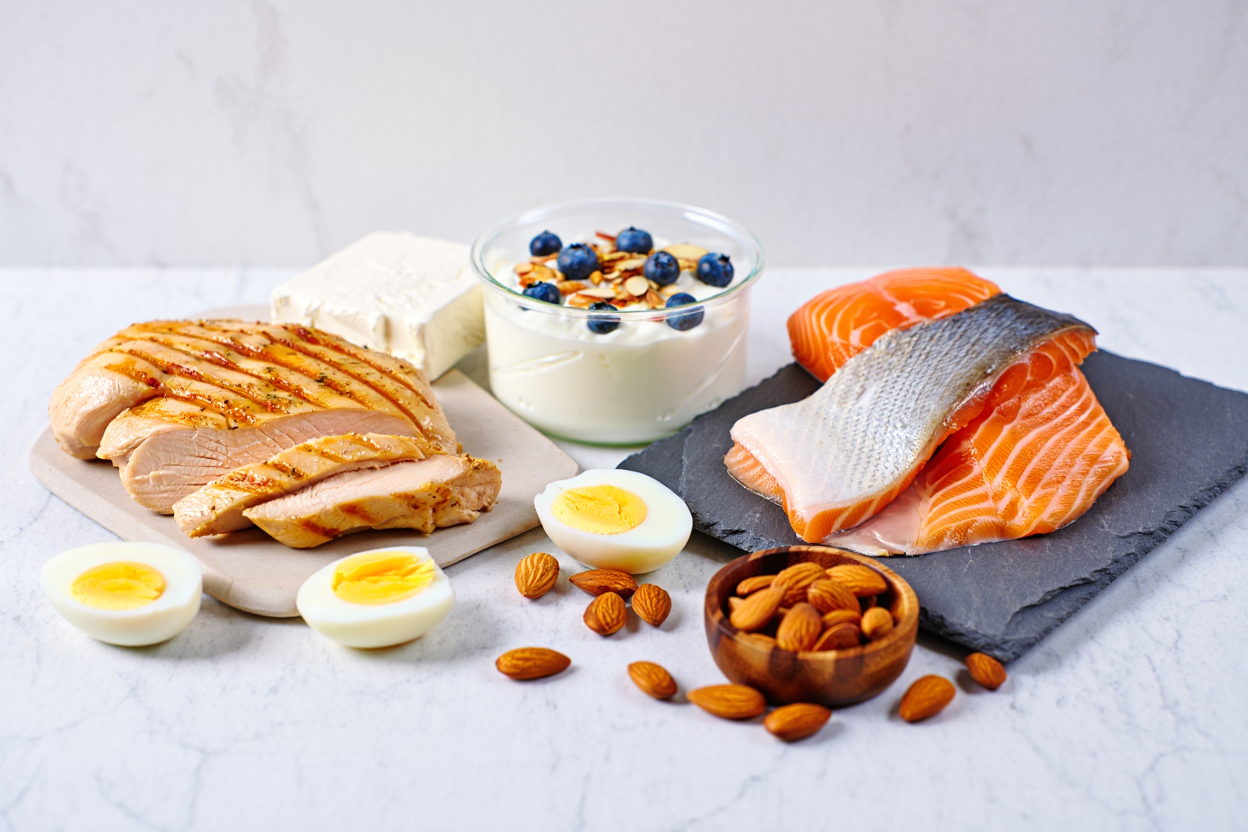
An effective good pre-workout meal for energy typically features around 150g of grilled chicken breast paired with 120g of cooked rice. This straightforward meal supplies approximately 30g of protein and 45g of carbohydrates, delivering excellent sustained energy for your body. Opt for white rice when you need quicker glucose availability during an intense workout, or choose brown rice for more prolonged energy release throughout your session.
Grilled chicken breast stands out as one of the leanest protein sources, containing minimal fat while providing all essential amino acids necessary for optimal muscle protein synthesis. This cooking method avoids heavy oils that could slow digestion and potentially hinder your performance during demanding lifts.
| Component | Quantity | Protein (g) | Carbs (g) | Fat (g) |
| Grilled chicken breast | 150 g | 30–35 | 0 | 3–5 |
| White rice cooked | 120 g | 2 | 45 | 0.5 |
| Brown rice cooked | 120 g | 2 | 43 | 0.8 |
| Mixed vegetables | 1 cup | 2–3 | 5–8 | 0 |
Portable Chicken-Rice Bowls for Gym Convenience
Prepare chicken and rice in bulk during the weekend, then portion them into reusable containers for an effortless pre-workout meal. Enjoying this convenient pre-workout snack approximately 60–90 minutes before your training ensures optimal freshness and simplifies your weekly nutrition planning.
- Weekend meal prep strategy: Cook 1.5 kg of chicken breast and 1 kg of rice, then divide into five containers for consistent pre-workout fuel.
- Temperature flexibility: Your chicken-rice bowls work equally well cold or reheated, offering identical benefits for muscle building and nutrient delivery.
- Vegetable integration: Include steamed broccoli or green beans in each container to increase fiber content and supply valuable micronutrients.
Other convenient options include rice cakes with peanut butter and banana slices, or oats soaked overnight and blended with protein powder. Chicken-rice wraps also make excellent on-the-go choices that maintain the perfect ratio for muscle growth.
Adding Fast-Digesting Carbs for Immediate Energy
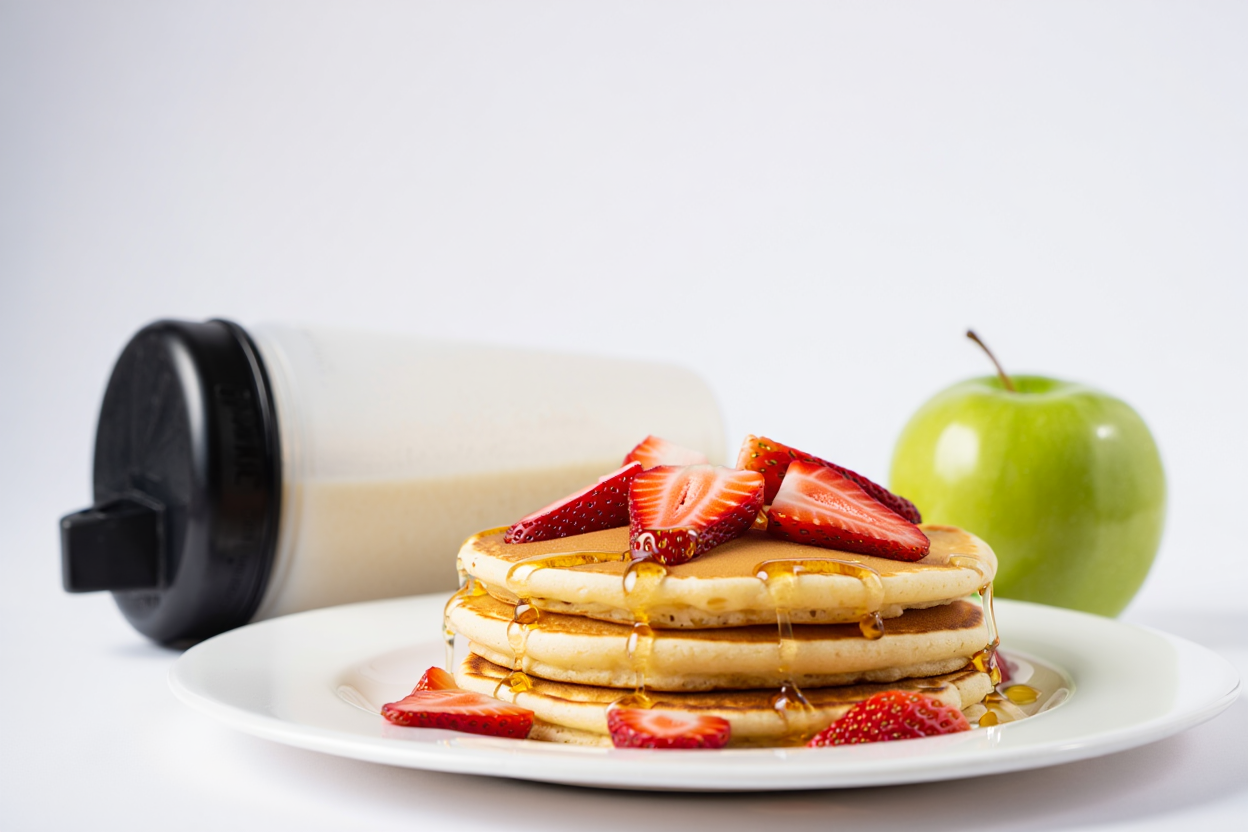
Boost your standard chicken-rice meal with rapidly digesting options such as 30g of honey or a small apple shortly before your workout. These simple carbohydrates provide immediate energy for high-intensity lifting sessions, giving your glycogen stores a final boost before you begin.
Combining half a banana with your chicken meal creates a blend of sustained and quick-acting carbohydrates to enhance performance. This approach helps maintain stable blood glucose levels, preventing energy slumps during demanding compound movements.
Consider adding one cup of mixed vegetables to your plate for essential fiber that won't significantly slow digestion. Vegetables like broccoli and carrots deliver crucial vitamins that support energy metabolism and muscle function during intense workouts.
Recommended products
Protein and Carb Ratios for Muscle-Building Nutrition
Crafting your pre-workout meal with the right macro balance transforms it into a powerful catalyst for muscle growth and peak training performance. By hitting your ideal targets for protein and carbohydrates, you supply your muscles with the fuel they need while sustaining your energy levels. This nutritional strategy is your best support system, carrying you through even the most grueling workout sessions.
How Much Protein Do You Need Pre-Workout?
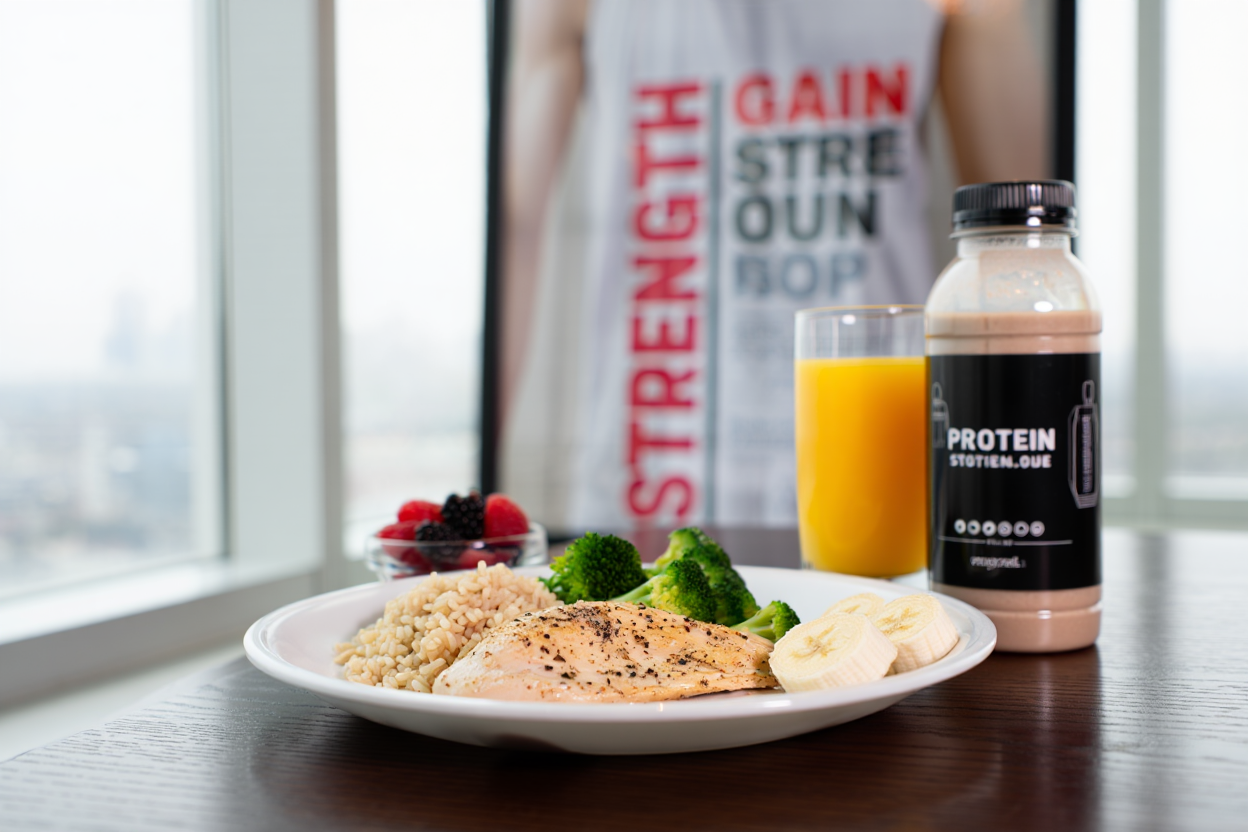
To protect your muscle tissue during training, your pre-workout snack should deliver 20–30 grams of high-quality protein. You can think of this as about 150 grams of grilled chicken or one scoop of whey protein isolate. This amount supplies sufficient amino acids to kickstart muscle protein synthesis, all while preventing that overly full or sluggish feeling.
- Protein targets by body weight: A good rule of thumb is to consume 0.3–0.4 grams of protein per kilogram of body weight in your pre-workout meal, adjusting this based on your specific goal.
- Optimal timing for consuming protein pre-workout: Having your meal 60–90 minutes before you begin training allows for proper digestion and a steady release of amino acids, aiding muscle preservation for the duration of your session.
- Ideal lean protein sources: Excellent choices include chicken breast, turkey, egg whites, or whey protein, as they deliver a high dose of amino acids with minimal fat.
Your total daily protein intake should fall between 1.6–2.2 grams per kilogram of body weight, with your pre-workout meal contributing a portion of that. This approach promotes consistent muscle protein synthesis all day long. Most importantly, it floods your system with amino acids right when your muscles demand them most for an intense workout.
Calculating Carbohydrate Needs for Training Intensity
Aim to eat about 2 grams of carbohydrates per kilogram of body weight two hours before you train to fully top up your glycogen stores. For a 75 kg individual, this translates to roughly 150 grams of carbs from sources like white rice, sweet potatoes, or oats. Combining these complex carbohydrates with a lean protein creates the perfect nutrition for high-intensity resistance training.
Strive for a carbohydrate-to-protein ratio of approximately 3:1 to 4:1 in your pre-workout meal to optimize your energy reserves. This specific balance delivers immediate fuel for your session while providing enough amino acids for muscle maintenance. It's a foundational strategy for supporting continuous muscle building during challenging workout sessions that engage multiple muscle groups.
Why Fat and Fiber Matter in Workout Meals
It's best to limit dietary fat in your pre-workout meal to under 5–10 grams to prevent slow digestion and potential sluggishness. A tiny amount of a healthy fat like olive oil or nut butter can enhance satiety without slowing you down or causing discomfort. This careful management helps you feel light, energized, and prepared for heavy compound lifts.
- High-fiber food timing: To avoid stomach issues during your workout, steer clear of beans or large amounts of whole grains in the two hours leading up to your session.
- Digestion speed optimization: Meals that are low in both fat and fiber move through your stomach quickly, guaranteeing that your energy levels peak precisely when you need maximum performance.
- Micronutrient delivery: A small serving of vegetables can supply vital vitamins that aid muscle function and metabolism without hindering the absorption of other nutrients.
Save high-fiber foods for meals you consume more than three hours before your workout to allow for full digestion. This smart timing prevents bloating and ensures your nutrition effectively powers your efforts. In the end, this meticulous approach helps you smash your muscle-building performance goals without any setbacks.
Combining Pre-Workout Meals with Supplements for Fitness Gains
Pairing solid food with pre-workout supplements creates a powerful synergy that significantly enhances your training intensity and supports muscle growth. By carefully timing your intake and choosing the right ingredients, you can ensure that your supplements amplify the nutritional benefits of your meal rather than interfere with your workout performance.
Timing Your Pre-Workout Supplement with Chicken and Rice
For the best results, eat your full pre-workout meal about 60 to 90 minutes before training, and then take your supplement 20 to 30 minutes before you begin. This timing ensures that digestion and nutrient absorption peak right as you start your session, giving you sustained energy from the carbohydrates alongside the focus and improved blood flow from the supplement during your workout.
- Meal-to-Supplement Gap: Wait about 30 to 45 minutes after finishing your chicken and rice pre-workout meal before taking your supplement to avoid any digestive discomfort while keeping energy levels high.
- Supplement-to-Workout Window: Allow 10 to 15 minutes after consuming your pre-workout formula for the mental focus and alertness to fully activate before you begin heavy lifting or compound exercises.
- Carb Pairing Strategy: Consider having a small banana or a rice cake along with your supplement to speed up glucose availability and enhance the muscle pump effects throughout your training session.
Be sure to drink 250–300 ml of water when mixing your pre-workout powder, and aim for another 300–500 ml with your chicken and rice meal to maintain optimal blood volume and support muscle contraction efficiency. Proper hydration is crucial for good blood flow and nutrient transport, which helps reduce fatigue and maintain performance during even the toughest parts of your workout.
Key Supplement Ingredients That Boost Workout Performance
Supplements that contain creatine monohydrate, beta-alanine, caffeine, and citrulline malate work exceptionally well with your pre-workout nutrition to boost fitness results. High-quality pre-workout supplements combine these key ingredients to elevate your energy, increase endurance, and improve the muscle pump when taken approximately 20 to 30 minutes before your training begins.
Taking 5 g of BCAAs—particularly 3 g of leucine—helps activate the pathway for muscle protein synthesis, working in concert with your solid food intake. Research indicates that a top-tier pre-workout supplement like Pre-Kaged, which provides L-citrulline for better pumps, creatine HCl, beta-alanine, and caffeine, can help athletes push past plateaus and maximize muscle gain during their sessions.
Complete your overall strategy by consuming whey protein for muscle within 30 to 60 minutes after training to flood your system with amino acids and accelerate recovery. Pairing your post-workout protein shake with a source of carbohydrates, such as a banana, helps replenish glycogen stores and prepares your body’s energy reserves for the next training session.
Frequently Asked Questions
The ideal pre-workout meal for muscle building consists of 150 g of grilled chicken breast with 120 g of cooked rice. This combination delivers around 30–35 g of protein and approximately 45 g of carbohydrates, achieving an optimal 3:1 ratio of carbs to protein. You can also include a cup of mixed vegetables for extra vitamins without slowing down digestion too much.
Enjoy this meal about 60 to 90 minutes before your training session. This timing lets your body fully digest the food, providing you with maximum energy and available amino acids just as you start your workout, helping you support muscle growth.
Both oats and rice are great sources of carbohydrates before a workout, so your choice should depend on timing and how your stomach feels. Brown rice and oats offer a slow, steady energy release, ideal if you eat 90 minutes or more before your session. On the other hand, white rice is digested more quickly, giving you faster energy if you’re starting your workout within an hour.
Although oats bring extra fiber and micronutrients to the table, they take longer to digest than rice. Pick the option that best suits your schedule to ensure top performance during your training.
Yes, a banana is an excellent source of fast-digesting carbohydrates that you can enjoy 30–45 minutes before your training session. It provides quick glucose and potassium to help support optimal muscle function. One medium banana contains about 27 g of carbohydrates and 1 g of protein—it works perfectly as a light snack or alongside 15 g of whey protein for a bit more protein.
For a quick energy lift, enjoy your banana shortly before you begin your workout. You can also mix half a banana into your main pre-workout meal (like chicken and rice) that you eat 60–90 minutes earlier for more sustained energy throughout your entire session.
Share this article: