Shopping Cart
Best muscle building foods to build muscle with protein and eggs


Building muscle effectively requires eating nutrient-rich foods with adequate protein to maximize muscle growth and enhance recovery. This guide highlights the best foods packed with protein, essential amino acids, and key micronutrients your body needs to build muscle, gain mass, and support your nutrition goals.
Top foods for muscle growth with high protein
Protein is the building block of any muscle-focused diet, providing essential amino acids your body can't produce itself. Knowing the best high-protein foods helps you achieve your daily protein intake and boost your potential for muscle gain.
Best animal protein sources to build muscle fast
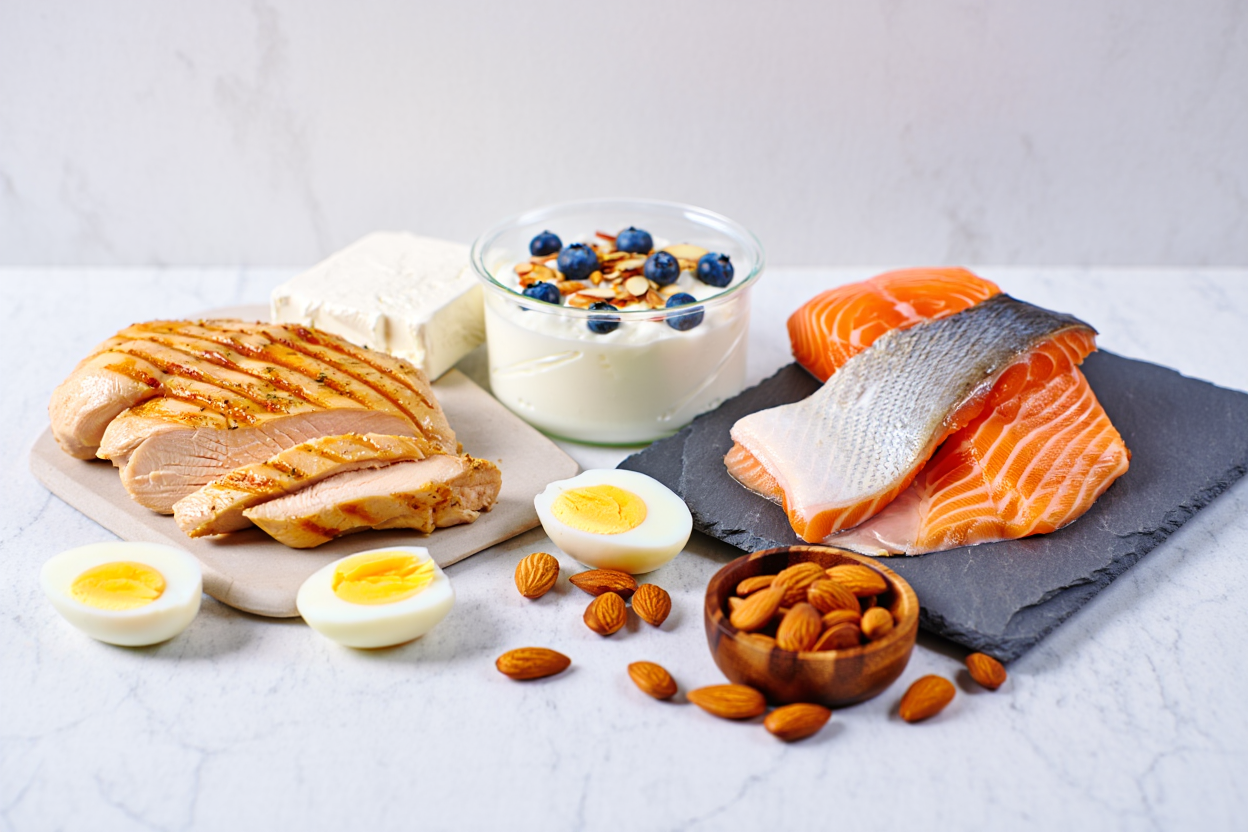
Animal-based products are among the top foods for muscle growth because they supply complete protein, meaning they contain all essential amino acids. These foods are excellent for post-workout recovery, offering your body exactly what it needs to repair and build muscle efficiently.
- Eggs: One large egg delivers approximately 6 grams of high-quality protein and contains leucine—a key trigger for muscle protein synthesis—making eggs a powerhouse for muscle growth.
- Skinless chicken breast: A staple in muscle building, chicken provides about 31–33 grams of protein per 100 grams. It’s a lean, low-fat meal rich in amino acids.
- Lean beef: With 22–36 grams of protein per 100 grams, lean beef is also packed with zinc and creatine to enhance strength and accelerate post-workout recovery.
- Salmon and fatty fish: Fish like salmon offer 20–25 grams of protein per serving along with omega-3 fatty acids, which reduce inflammation and promote muscle protein synthesis.
For optimal results, pair these animal proteins with complex carbs like quinoa to replenish energy levels and amplify muscle building. Consuming 100–150 gram portions per meal helps you reach 30–45 grams of protein, supporting steady muscle gain.
Plant-based complete proteins for muscle gain
Plant-based foods can also be excellent for muscle growth when you choose options with a strong amino acid profile. Foods like tofu, legumes, and certain grains supply the necessary leucine and nutrients to support your muscle-building goals.
Soy products such as tofu and tempeh are exceptional because they provide all nine essential amino acids, with 8–15 grams of complete protein per serving. Combining lentils with grains creates a complete protein meal, and using pea protein powder is another effective way to ensure high protein intake for building muscle.
How Much Protein Per Meal for Muscle Building
To maximize muscle protein synthesis, it's crucial to spread your protein intake strategically throughout the day. This approach helps maintain consistently elevated levels of amino acids in your bloodstream, enabling your body to effectively repair and build muscle tissue. Proper timing ensures you receive adequate protein precisely when your body needs it most for optimal recovery.
Daily Protein Intake Guidelines for Different Goals
For optimal muscle building results, aim for 1.6 to 2.2 grams of protein per kilogram of body weight daily. Selecting the right food for muscle growth is essential here—a person weighing 70 kilograms typically needs between 112 and 154 grams, while someone at 80 kilograms should target 128 to 176 grams to support their muscle development.
If you're just starting out, begin at the lower end of this range and gradually increase your protein intake as your training intensifies. During calorie-restricted phases, aim for 2.0 to 2.2 grams per kilogram to preserve muscle mass. Adults over 50 also benefit from 1.7 to 2.0 grams per kilogram to combat age-related muscle loss.
| Body Weight | Daily Protein (1.6 g/kg) | Daily Protein (2.2 g/kg) |
| 60 kg | 96 g | 132 g |
| 70 kg | 112 g | 154 g |
| 80 kg | 128 g | 176 g |
| 90 kg | 144 g | 198 g |
| 100 kg | 160 g | 220 g |
Distribute your total daily protein across three to five meals, targeting approximately 0.4 to 0.5 grams per kilogram in each sitting. This approach sustains optimal amino acids levels and prevents extended periods of four to five hours without protein, which can hinder muscle repair.
Optimal Meal Timing and Distribution Throughout the Day
Consuming targeted meals for muscle growth every three to four hours helps maintain your body in an anabolic, muscle-building state. Each main meal should contain 30 to 35 grams of high-quality protein—an amount proven to effectively stimulate muscle protein synthesis and support steady progress.
- Breakfast: Start your day with two or three eggs accompanied by whole-grain toast and vegetables, providing 20–25 grams of protein along with sustained energy.
- Mid-Morning Snack: A serving of Greek yogurt with berries or a couple of hard-boiled eggs delivers 15–20 grams of protein to maintain momentum between meals.
- Lunch: Prepare 100–150 grams of chicken breast or lean beef with brown rice and vegetables for a complete protein profile of 35–45 grams.
- Evening Meal: Enjoy 150 grams of salmon with quinoa, providing approximately 30 grams of protein plus beneficial fats that support muscle recovery.
Nighttime nutrition plays an equally important role in your muscle-building strategy. Consuming 20–25 grams of slow-digesting protein from sources like Greek yogurt or cottage cheese before bed promotes sustained recovery by gradually releasing amino acids throughout your sleep.
Pre and Post-Workout Nutrition Strategies
Your pre-workout nutrition significantly influences training intensity and muscle growth stimulation. Approximately 30–45 minutes before exercising, consume 40–50 grams of fast-acting carbohydrates with adequate protein. Excellent choices include oatmeal with a banana or white rice paired with chicken.
Effective post-workout recovery demands immediate nutrition to capitalize on enhanced muscle protein synthesis. Within 45 minutes of completing your workout, consume 20–30 grams of rapidly digesting whey protein alongside carbohydrates. This powerful combination maximizes nutrient uptake and rapidly replenishes energy stores.
This specific post-exercise window accelerates muscle repair, which is essential for consistent progress. The strategic pairing of carbohydrates with protein optimizes your body's anabolic response, significantly improving recovery efficiency following demanding training sessions.
Recommended products
Calorie Surplus and Macronutrient Ratios for Muscle Gain
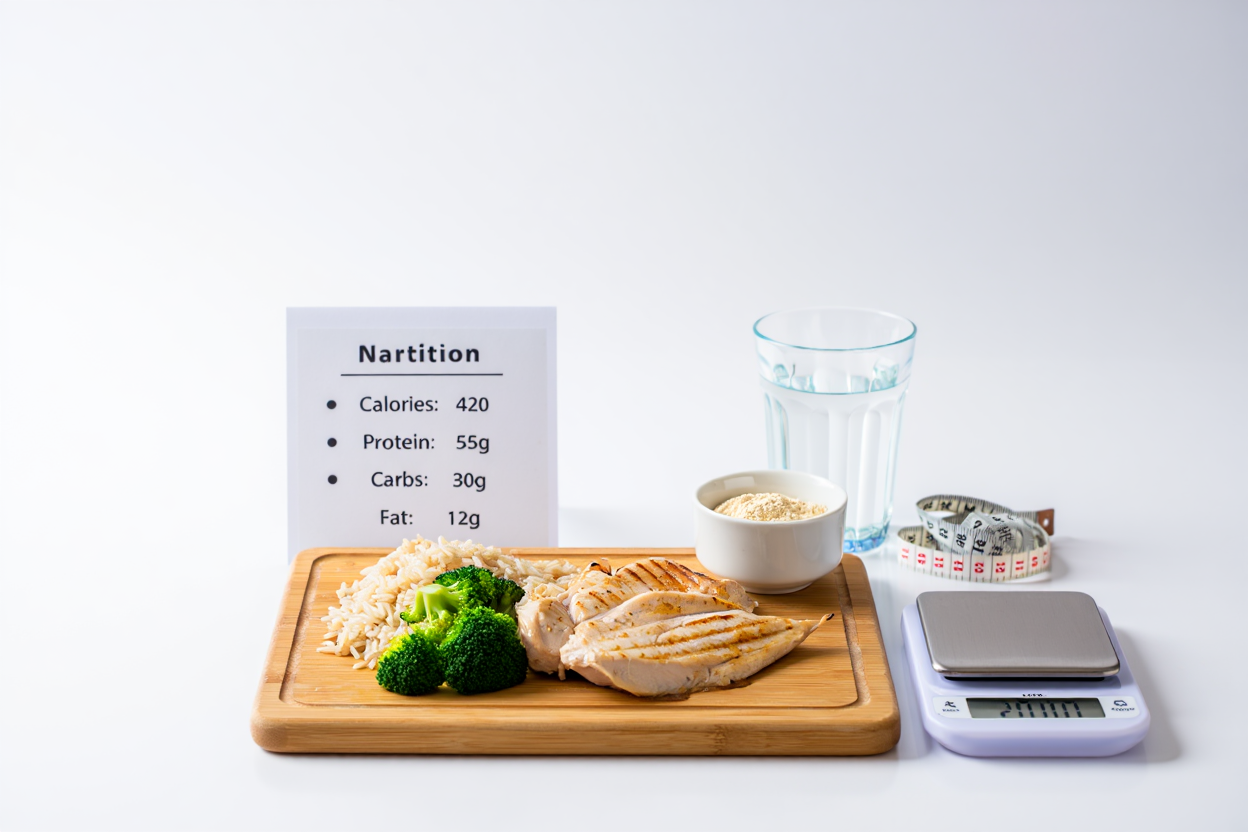
To effectively gain muscle, you'll need to consume slightly more calories than your body uses each day. This creates an optimal environment for tissue growth, allowing you to build muscle mass efficiently. By carefully managing your macronutrient intake, you can ensure this additional energy specifically supports lean muscle development rather than just contributing to fat storage.
Optimal Fat and Carbohydrate Distribution for Bulking
Aim for a daily calorie surplus of approximately 250 to 500 calories above your maintenance level to promote lean muscle gain while minimizing fat accumulation. High protein foods for muscle growth should work in combination with appropriate fats and carbohydrates to support hormone production and accelerate recovery between workouts.
Allocate roughly 30–35% of your total daily calories to healthy fats from sources like fatty fish, nuts, seeds, and avocados—these support testosterone production and overall hormone balance. The remaining 40–55% of your calories should come from carbohydrates, combining complex sources like oats with faster-digesting options such as white rice to fuel your training sessions effectively.
Calorie-Dense High Protein Snacks for Mass Gain
Strategic snacking can significantly accelerate your progress when building muscle mass, providing excellent food to gain muscle for males and females through smart timing. Selecting calorie-dense options allows you to consume substantial energy without feeling overly full, making it easier to maintain that crucial surplus.
- Nuts and nut butters: A 50-gram serving provides approximately 300 calories along with valuable protein and essential micronutrients like magnesium for muscle development.
- Sweet potatoes: A medium potato offers about 40 grams of complex carbohydrates plus potassium, delivering the steady glucose release needed for extended resistance training sessions.
- Dark chocolate: Opt for varieties with 75% cacao or higher, which provide antioxidants and healthy fats—making it a satisfying high-calorie snack that supports recovery.
Adding half an avocado to your meal contributes about 120 calories of monounsaturated fats and fiber, creating excellent caloric density. These nutrient-rich choices directly support your muscle-building goals while maintaining metabolic health during higher calorie phases.
High protein sources with leucine for muscle synthesis
Leucine is an essential branched-chain amino acid that directly stimulates mTORC1 pathways, the key driver of muscle protein synthesis. To accelerate gains, focusing on high protein foods rich in leucine does far more than just meeting your overall protein intake—it supercharges your training results through targeted nutrition.
Top animal and plant proteins rich in BCAAs
Whey protein isolate is extremely effective, containing around 90% protein and delivering approximately 2.5–3 grams of leucine in a standard 20–30 gram serving. This dosage reaches the specific threshold needed to trigger muscle growth, making whey an exceptional aid for physique development. Including it in your daily routine—such as part of a 7-day meal plan for muscle gain—ensures rapid nutrient uptake, especially post-workout.
- Whey protein isolate: Supplies 2.5–3 grams of leucine per serving, strongly activating anabolic pathways and accelerating muscle protein synthesis for improved recovery.
- Lean pork tenderloin: Contains roughly 22 grams of protein and 2 grams of leucine per 100g, making it an ideal post-training meal when combined with complex carbs.
- Soy protein isolates: Each scoop offers 2–2.5 grams of leucine, providing plant-based athletes with a complete amino acid profile that supports building muscle effectively.
Low-fat cottage cheese is another top contender, providing 14–15 grams of protein and nearly 1.2 grams of leucine per 100 grams. It’s especially useful as a slow-digesting bedtime snack that supplies amino acids throughout the night. Similarly, Greek yogurt packs 10–12 grams of high protein per 100 grams, along with calcium to support strong contractions and bone integrity.
Essential micronutrients supporting muscle recovery
The top 10 foods for muscle growth do more than supply macronutrients—they’re also rich in micronutrients that enhance recovery and support gains. Nutrients like magnesium, potassium, zinc, iron, and vitamin D work alongside amino acids to promote holistic muscular adaptation. These micronutrients are fundamental to the repair and muscle gain processes following intense exercise.
- Magnesium and potassium: Help regulate electrolyte balance and minimize cramping, supporting optimal muscle performance during and after workouts.
- Vitamin D and calcium: Promote proper muscle contraction and bone density, creating a stronger foundation for heavy training.
- Iron and zinc: Improve oxygen delivery and support hormone function, keeping muscle protein synthesis consistent and recovery on track.
Hydration is equally crucial, as it aids nutrient delivery and directly affects how efficiently your body builds new tissue. Drinking enough water throughout the day—especially alongside high protein foods for muscle growth—helps maximize nutrient absorption and supports overall muscle development. Staying properly hydrated also helps you avoid performance declines caused by dehydration.
Frequently Asked Questions
For effective muscle building, focus on a diet packed with high protein foods like lean beef, chicken, pork, and fatty fish such as salmon and tuna. Incorporating eggs and soy products will also provide your body with all the essential amino acids needed for substantial muscle growth.
These nutrient-rich options not only help increase muscle mass and improve your body's response to resistance training but also help preserve muscle tissue during periods of calorie restriction. They are fundamental foods to build muscle in any solid nutrition plan.
A trusted protein intake guide suggests aiming for 1.6 to 2.2 grams of protein per kilogram of body weight each day to build muscle. It's best to spread this protein intake across several meals, ensuring each serving provides 20–40 grams.
Prioritize animal sources like chicken breast, lean beef, and eggs, as well as dairy products such as Greek yogurt and cottage cheese. Supplementing with whey or soy protein can further ensure a complete amino acid profile for consistent muscle building and recovery.
Effective muscle building depends on getting all nine of the essential amino acids from your diet, with a special focus on leucine. Foods like lean meats, poultry, fish, eggs, dairy, and soy provide the complete profiles necessary to drive protein synthesis and muscle repair.
Following a well-structured meal plan that includes chicken breast, salmon, eggs, Greek yogurt, and legumes helps keep your nutrition on point. This consistent approach ensures a steady supply of key nutrients for sustained development and long-term results.
Share this article: