Shopping Cart
How much protein do I need daily? Use our calculator


Determining your ideal daily protein intake is a key step for achieving your fitness goals and supporting your overall long-term health. This guide will explain exactly how much protein you need, based on factors like your body weight, activity level, and personal goals. You'll learn how to calculate your target and find practical, effective ways to meet it through your diet or with supplements.
What are the baseline daily protein requirements?
The Recommended Dietary Allowance (RDA) is set at 0.8 grams of protein per kilogram of body weight for sedentary adults. For a person weighing 70 kilograms, this equals about 56 grams of protein daily. Similarly, EFSA’s Population Reference Intake (PRI) recommends 0.83 g/kg/day, confirming that these minimal recommendations are consistent across Europe. It's important to understand that both of these figures represent a baseline for basic health, not an optimal higher daily protein intake for active individuals or athletes.
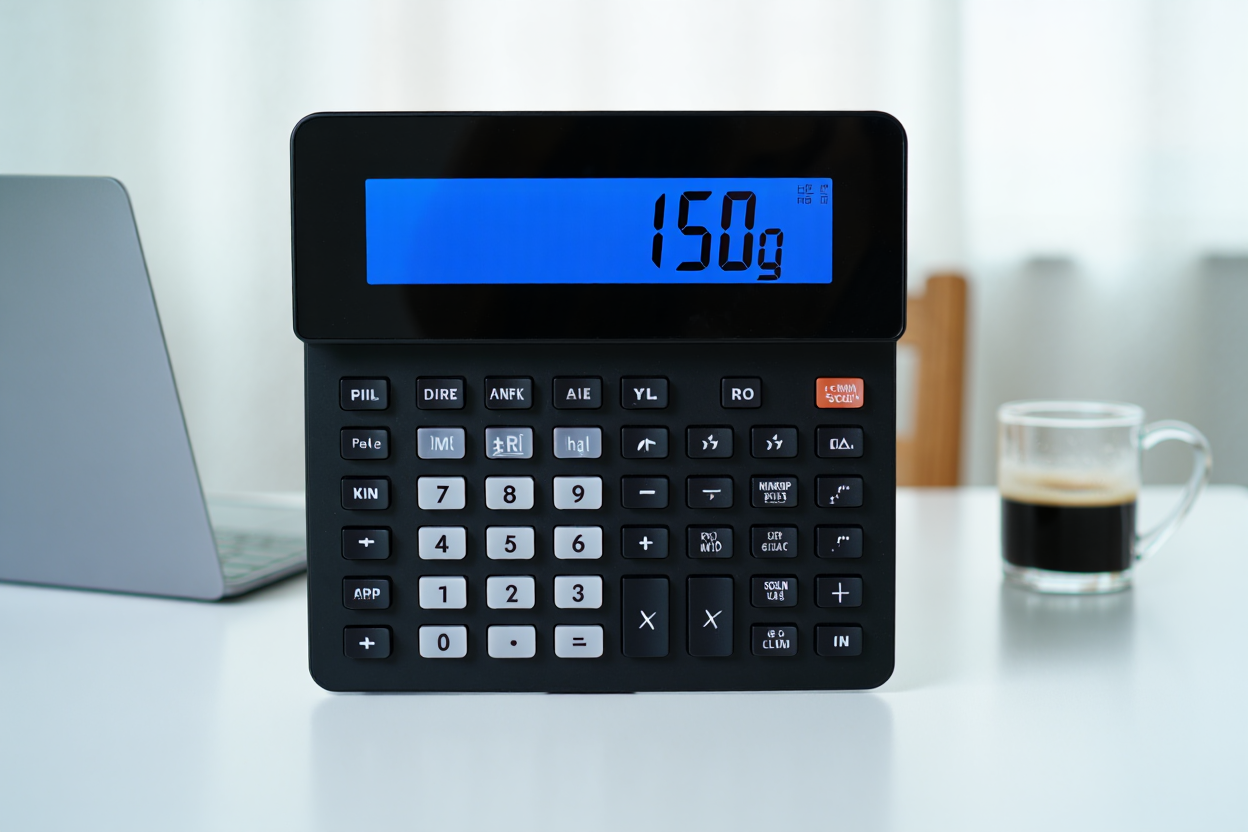
Understanding RDA and PRI protein standards
The RDA of protein is designed for generally sedentary populations and meets the needs of about 97% of healthy adults, providing a solid allowance. Women wondering how much protein do I need female can use this as a starting point and then increase their daily protein intake if they have a high activity level, are in a specific life stage, or have performance goals. The PRI reflects nearly identical recommendations, with only slight adjustments for regional dietary patterns.
- RDA baseline: 0.8 grams of protein per kilogram of body weight each day for maintaining basic health.
- European PRI: 0.83 g/kg daily, creating consistent recommendations throughout Europe.
- Caloric share: Protein should typically provide 10-35% of your total calories, a range that depends heavily on your activity level and goals.
Compare your current diet to these standards to determine if you need to make adjustments or consider supplements. Most people who are physically active need a higher daily protein intake to support muscle recovery, growth, and performance during or after exercise.
Special protein needs for women across life stages
A woman's protein requirements can change significantly. During pregnancy and lactation, the body needs extra grams of protein to support the growing baby. Expectant mothers are advised to add approximately 1g, 9g, and 28g of protein per day during their first, second, and third trimesters, respectively. Those who are breastfeeding need an additional 19g for the first six months, and 13g after that.
- Baseline for adult women: 0.83 g/kg/day for routine maintenance.
- Pregnancy adjustments: Up to 28 extra grams of protein per day are needed in the final trimester.
- Lactation support: An additional 19g of protein for the first six months, then 13g to maintain milk quality.
After the age of 50, the body's efficiency at building muscle (muscle protein synthesis) declines. Therefore, a higher daily protein intake becomes especially beneficial for older women to help prevent age-related muscle loss (sarcopenia). Men asking how much protein do I need male use the same formula based on body weight, but since men often have a higher average body weight, their total required grams of protein are usually greater.
European dietary surveys indicate that most adults already meet or exceed the adult PRI, primarily through sources like meat, grains, and dairy. For more detailed information, you can read the EFSA summary on protein daily intake. Whether you have a regular exercise routine, more lean mass, or specific weight-loss goals, these factors often justify a higher daily protein intake to ensure your body has the fuel it needs for optimal recovery and body composition.
Understanding your activity level is the essential first step to setting a realistic, science-based protein intake goal. By tailoring your protein needs to your training intensity and long-term goals, you ensure that amino acids are available when your body needs them most for recovery and growth. If you're just getting started and need more guidance, this article on protein powder for beginners offers a helpful overview of portion sizes and practical tips.
How to calculate your personalized protein needs
Your personal protein calculator journey begins by converting your body weight from pounds to kilograms, then applying a specific multiplier that reflects your current exercise routine and objectives. For example, someone who weighs 150 lbs would divide that by 2.2 to get approximately 68 kg. Multiplying that figure by 1.2, 1.6, or 2.0—depending on your activity level—gives you the final recommended number of grams of protein to consume daily.
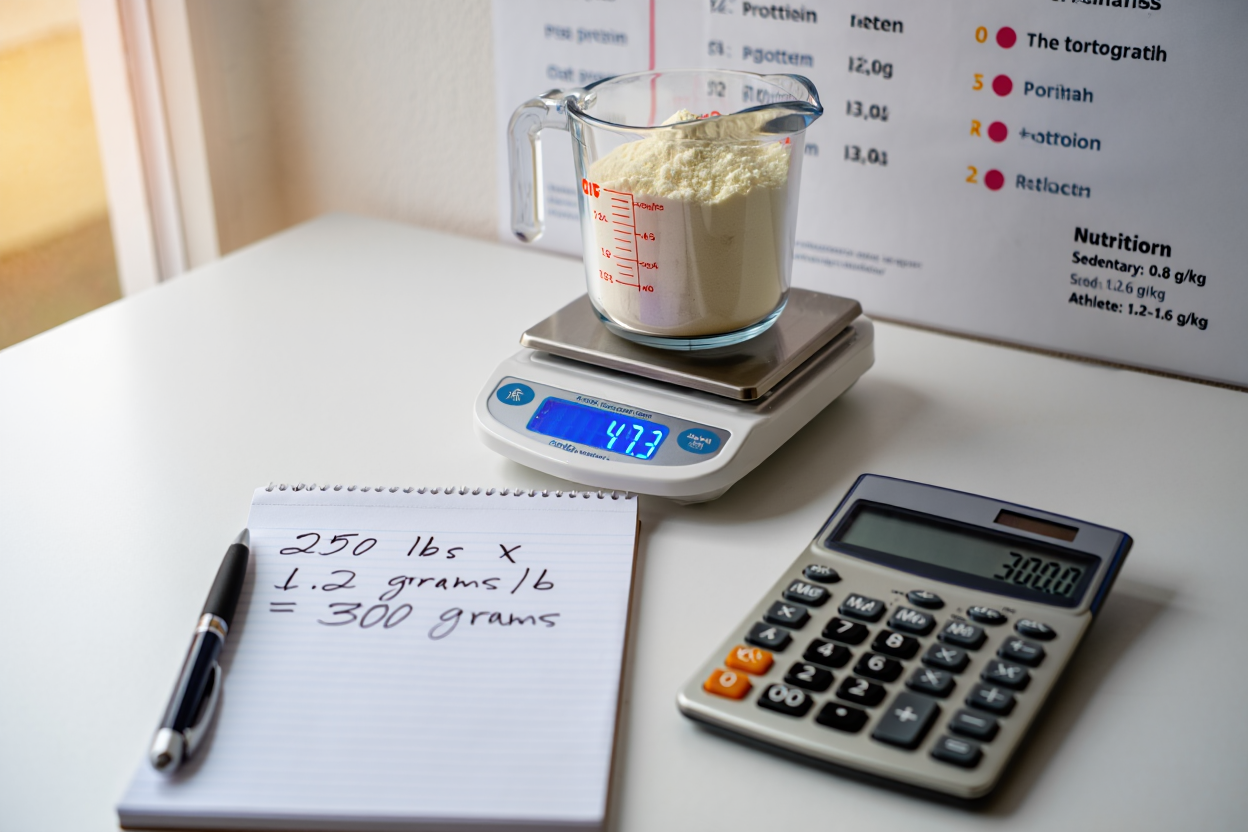
Adjusting protein intake based on activity level
Your ideal daily protein intake is directly based on how active you are. Sedentary adults should aim for 0.8–1.0 g/ kilogram/day to maintain basic health, while those who enjoy occasional jogging or weight lifting do better with 1.0–1.2 g/kg/day. Endurance athletes often need 1.2–1.6 g/kg/day to repair the stress from long aerobic sessions. Figuring out " how much protein do I need" or anywhere else is about matching your intake with your workload to support your muscle mass during recovery.
- Sedentary lifestyle: 0.8–1.0 g/kg/day maintains overall wellness without any formal exercise routine.
- Light cardio or occasional weights: 1.0–1.2 g/kg/day supports muscle repair after light workouts.
- Endurance training: 1.2–1.6 g/kg/day meets the increased protein turnover from prolonged activities.
- Strength and hypertrophy goals: 1.4–2.0 g/kg/day maximizes muscle protein synthesis to stimulate growth.
When you're cutting calories for fat loss, increasing your protein target to 1.8–2.2 g/kg/day helps protect your lean tissue. Newcomers to lifting can start around 1.2 g/kg and gradually increase their intake as their workouts become more intense and a higher daily protein intake is necessary for adaptation.
| Activity level | Protein range (g/kg) | Example: 70 kg person |
| Sedentary | 0.8–1.0 | 56–70 g/day |
| Light activity | 1.0–1.2 | 70–84 g/day |
| Endurance training | 1.2–1.6 | 84–112 g/day |
| Strength/muscle building | 1.4–2.0 | 98–140 g/day |
| Calorie restriction | 1.8–2.2 | 126–154 g/day |
Step-by-step protein calculation for your body weight
First, note your current body weight in pounds. Then, divide that number by 2.2 to convert it to kilograms. Next, choose a multiplier that matches your activity level. For instance, a 176-lb weightlifter weighs 80 kg; choosing 1.6–1.8 for regular strength training leads to a daily protein intake of 128–144 grams of protein. This simple protein calculator method reflects " how much protein do I need" guidelines while allowing for personal flexibility.
If that 80 kg athlete needs 144 g/day and whole foods only provide 90 g, two scoops of whey protein can fill the gap. Logging your meals in a simple spreadsheet makes your calculator targets clear and helps you stay on track as your body weight, training volume, or goals evolve.
Special considerations for age and weight management
Adults over 50 often benefit from a higher daily protein intake of 1.7–2.0 g/kg/day to combat age-related muscle loss. For a 160-lb senior (approximately 73 kg), this equals 124–146 g of protein. During aggressive dieting, leaning towards 2.0–2.2 g/kg helps ensure amino acids protect muscle tissue despite being in a calorie deficit.
Periods of rapid fat loss, injury recovery, or muscle-building phases also justify a higher daily protein intake. It's wise to re-evaluate your daily protein intake after any significant change in your activity level, body composition goals, or training frequency. This keeps your nutrition plan evidence-based and effective.
To meet your daily protein needs, you can combine a variety of whole foods with smart supplementation. This helps maintain steady levels of amino acids in your bloodstream throughout the day. This section covers effective meal timing and practical food choices that make it easy to get enough protein intake without overcomplicating things.
Recommended products
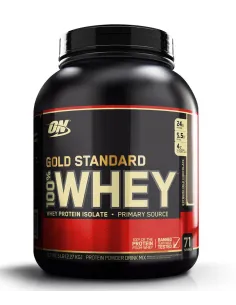
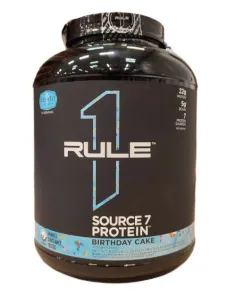
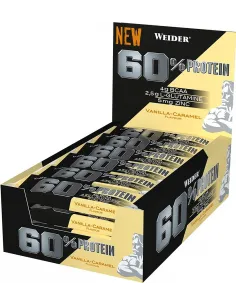
Meeting your protein target with food and supplements
Most active adults aiming to build muscle, recover faster, or manage their weight should consume 1.6–2.2 grams of protein per kilogram of body weight each day. For example, a 70 kg athlete would need approximately 112–154 grams of protein—a target that can be met through a combination of whole-food meals and protein supplements. For more tailored advice, a protein intake calculator can fine-tune these recommendations based on your specific weight, training frequency, and fitness goals.
For more detailed guidance on how much protein to build muscle, check out this comprehensive protein intake guide. It explains why beginners might start at the lower end of the range and gradually increase their intake as their exercise intensity grows.
Optimal protein distribution throughout the day
Aim to spread your daily protein intake into several meals or snacks, each providing 0.4–0.5 g/kg—approximately 28–35 grams for a 70 kg person. This approach keeps your amino acids levels elevated, supporting ongoing muscle repair and preventing muscle breakdown. A protein calculator can help adapt these proportions to your own weight, making meal scheduling simple and consistent—ideally every three to four hours.
- Breakfast protein: Start your day with 25–35 g from eggs, Greek yogurt, or protein pancakes. This kick-starts recovery and helps control hunger.
- Mid-morning snack: A quick shake or cottage cheese offering 15–20 g keeps amino acid levels up until lunch.
- Lunch protein: Aim for 30–40 g from chicken, fish, or a plant-based bowl to power through your afternoon training or workday.
- Post-workout nutrition: Consume 20–30 g of high-quality protein alongside 30–50 g of carbs after exercise to speed up recovery and muscle repair.
Before bed, include a slow-digesting protein source—like casein or Greek yogurt—providing 20–25 grams. This feeds your muscles amino acids slowly overnight. Consistency throughout the day is more impactful than one large protein serving.
Whole-food protein sources and serving sizes
A palm-sized portion of meat or fish (around 100 g) provides 20–30 grams of protein—perfect for lunch or dinner. Two large eggs give you 12–14 grams; one cup of Greek yogurt has 15–20 grams; and half a cup of cooked beans offers 7–8 grams. Visualizing these portions makes it easier to structure meals around how much protein to build muscle—especially when you rotate your protein source regularly.
- Chicken breast: 100 g contains 31–33 g of protein with minimal fat, making it ideal for muscle-building goals.
- Salmon: A 150 g serving provides roughly 30 g of protein plus omega-3s, which support joint and heart health.
- Lean beef: 100 g offers 22–36 g of protein along with iron and B vitamins, boosting endurance and performance.
Pair each protein with complex carbs like quinoa or brown rice to create balanced meals with 30–45 grams of protein that also fuel your workouts. If you follow a plant-based diet, combine complementary proteins—such as rice and beans or hummus with whole-grain bread—to ensure you get all essential amino acids.
Using whey protein to bridge nutritional gaps
One scoop of whey powder typically offers 20–30 grams of protein—about 0.3 g/kg for a 70 kg person. If you’re getting 100 grams of protein from whole foods but your target is 150 grams, one or two scoops can help you hit your goal. Whey is fast-digesting, making it especially useful post- exercise when your muscles need amino acids quickly.
Use a nutrition app to track your protein intake and stay aligned with your personalized goals—this helps avoid going overboard. Keep in mind that multiple scoops can raise your calorie intake quickly, so time them wisely: a post-workout shake maximizes muscle repair, while a mid-day serving can help curb hunger and maintain energy levels.
Frequently Asked Questions
Protein requirements for a 70-kilogram individual are primarily based on their activity level and personal fitness goals. Following standard protein recommendations, here are the guidelines: a sedentary person needs about 56 g, someone engaging in recreational exercise requires 70–84 g, an individual doing regular strength training should aim for 98–140 g, and someone dieting to maintain their muscle mass may need 126–154 g of dietary protein.
To determine your personal protein requirement, start by converting your body weight in pounds to kilograms by dividing it by 2.2. Next, multiply that number by a specific factor that corresponds to your lifestyle: 0.8 for a sedentary routine, 1.2 for light exercise, 1.6 for regular training, or 2.0 when actively trying to build muscle mass. Remember to reassess your dietary protein needs whenever your body weight or exercise routine changes to ensure your targets stay aligned with your goals.
The standard RDA of protein for adults is 0.8 grams per kilogram of body weight, but these needs can change with age and activity level. Adults over 50, for instance, often target 1.7–2.0 g/kg to help preserve muscle mass, while athletes might require 1.6–2.0 g/kg. Additionally, pregnancy or breastfeeding can increase daily needs by approximately 10–28 grams of protein. Always tailor these recommendations to your personal health goals.
Share this article: