Shopping Cart
Fuller and leaner with vegan protein: balance your macros


Achieving a leaner, more muscular physique on a vegan diet requires smart strategies for protein intake and managing your macronutrients. This guide details how vegan protein effectively supports muscle building and helps manage hunger on a lower-calorie diet. Discover actionable daily protein targets, the best times to eat, and proven food combinations to sustainably transform your body composition.
Complete protein from plants for muscle building
Athletes following a plant-based diet can build lean muscle mass just as effectively as those who eat meat by focusing on high-quality protein sources. The key is to combine different plant foods strategically to ensure you get all the essential amino acids required to maximize muscle protein synthesis and support optimal recovery.
How pea and rice protein create complete amino acids
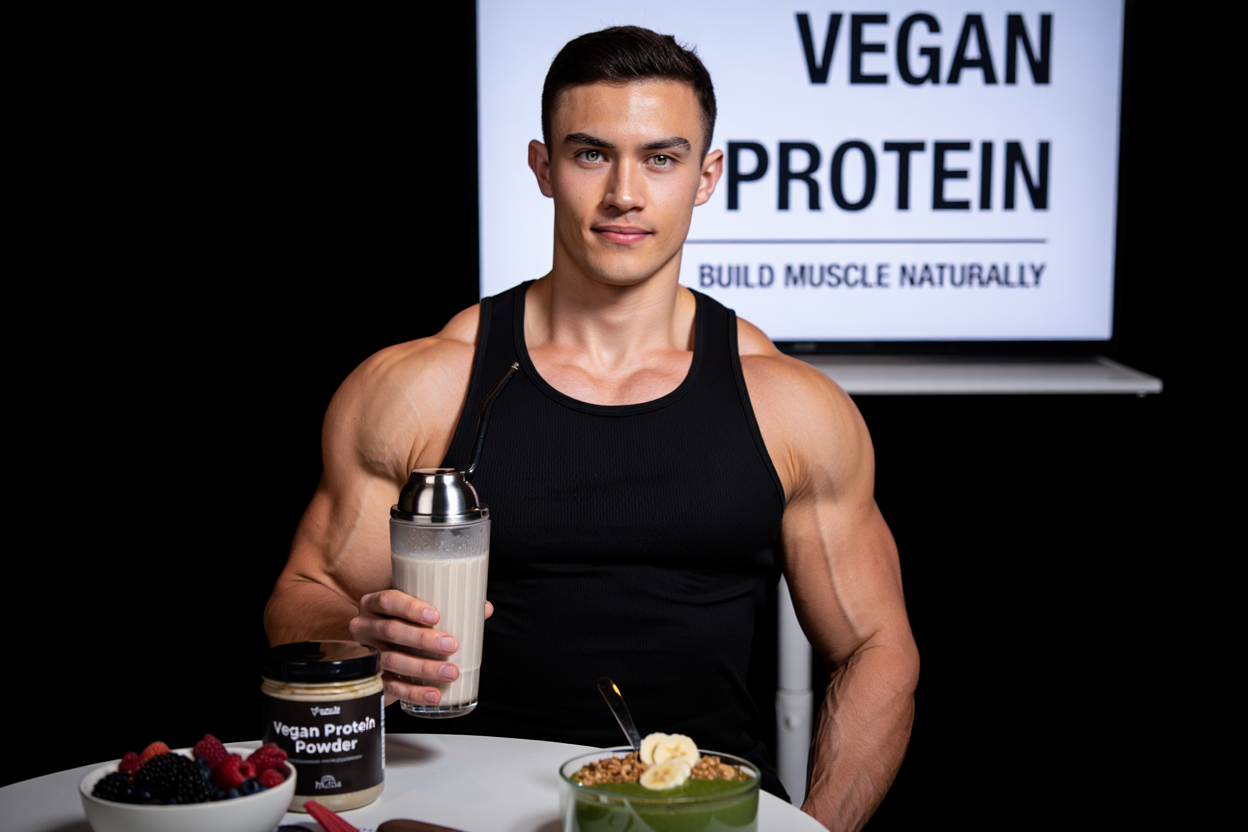
Pea protein is rich in lysine, while brown rice protein provides methionine. When combined, they form a complete protein with an ideal amino acid profile. This powerful duo is a staple in many quality vegan protein powders, helping to boost muscle growth when protein intake is spread evenly throughout the day.
Scientific studies confirm that a blend of pea and rice protein is highly effective for promoting muscle building during resistance training. High-quality vegan protein muscle powders typically deliver 20-22 grams of protein per scoop, supplying the necessary amino acids to stimulate muscle growth, especially when combined with whole foods like tempeh.
Why soy and sprouted proteins support lean mass
Soy products like tofu, tempeh, and edamame are excellent whole-food options because they naturally contain complete amino acids. Fermented tempeh offers the added benefit of supporting gut health, which improves nutrient absorption and overall diet quality on your journey to get leaner.
- Complete protein profiles: Soy-based foods deliver all nine essential amino acids in a single serving, providing continuous support for muscle repair and muscle growth.
- Sprouted grain blends: These plant protein sources preserve the integrity of amino acids and include live probiotics for better digestion and nutrient use.
- BCAA enhancement: Some protein powder formulas are fortified with vegan BCAAs in precise ratios to initiate muscle protein synthesis on par with whey.
- Low saturated fat: Plant-based protein blends generally have less saturated fat than animal sources while still offering superb support for building lean muscle.
Many top-rated raw vegan protein formulas utilize sprouted grains to provide 22 grams of complete protein per serving. These blends are often enhanced with digestive enzymes and probiotics to ensure you absorb all the nutrients vital to your nutrition and fitness goals.
Combining complementary plant proteins every day—such as beans with rice or quinoa with legumes—ensures a steady supply of amino acids. Incorporating a dedicated pea-rice protein powder is another reliable method to guarantee your body has the essential building blocks for muscle building and maintaining lean muscle mass.
Hitting your daily protein targets is absolutely essential for building or preserving lean muscle, especially when you’re cutting calories. Figuring out your personal needs and spacing out your intake evenly throughout the day will help optimize muscle protein synthesis and keep you feeling full and satisfied.
How many grams of protein you need daily
The exact amount of protein you need depends on your training intensity, current body weight, and your specific goals—be it weight loss or muscle gain. Smart, high-quality nutrition is the foundation for long-term improvements to your body composition, weeks or even months into your training.
Protein targets for cutting versus building muscle
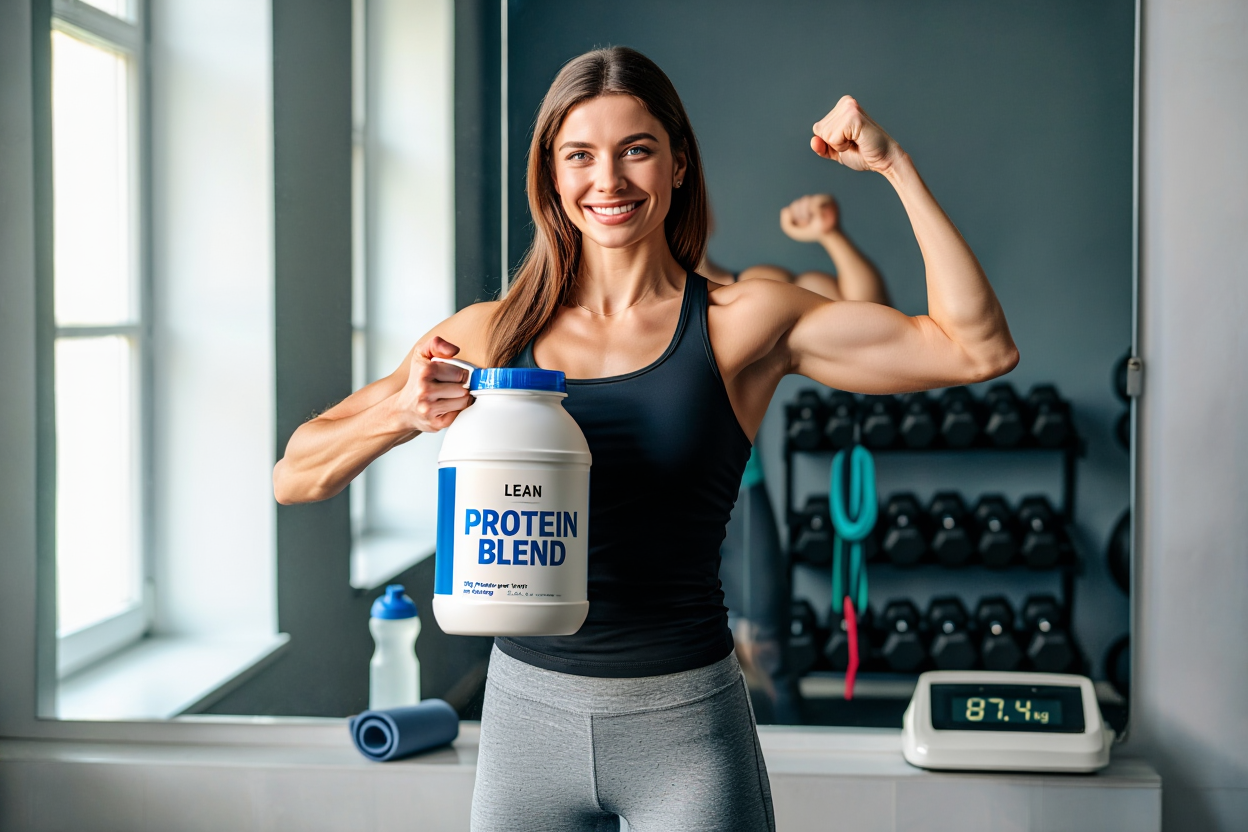
When you’re in a calorie deficit, protein is especially important. Aiming for 1.6–2.0 grams per kilogram of your body weight helps protect your lean muscle from breaking down while promoting fat loss. If you're training more frequently (4–6 times per week), your needs might be closer to 1.8–2.2 grams per kilogram, ensuring you're getting adequate protein for optimal recovery and muscle growth even when you're restricting calories.
- Deficit phase targets: Consume 1.6–2.0 g/kg of body weight to protect lean tissue during weight loss. For example, a 70 kg athlete would aim for around 112–140 grams daily.
- Building phase targets: An intake of 1.6–1.8 g/kg is ideal for supporting muscle growth. Spread this across 4-5 meals, with roughly 25–35 grams of protein per meal, to maximize muscle protein synthesis.
- Intensity adjustment: If you're training 4–6 times per week, aiming for 1.8–2.2 g/kg supports the increased demand for muscle repair and growth.
- Evidence-based ranges: Major health organizations and peer-reviewed research confirm that increasing your dietary protein helps protect muscle mass significantly during periods of calorie restriction.
Athletes can easily reach their daily protein needs by combining powders with whole foods. For example, a 70 kg person aiming for 112 grams might use three scoops of protein powder (≈60g) and supplement the rest through whole-food sources.
| Body Weight | Daily Protein (1.6 g/kg) | Daily Protein (2.0 g/kg) | Daily Protein (2.2 g/kg) |
| 60 kg | 96g | 120g | 132g |
| 70 kg | 112g | 140g | 154g |
| 80 kg | 128g | 160g | 176g |
| 90 kg | 144g | 180g | 198g |
Distributing protein across meals for best results
To keep your muscle protein synthesis active all day, try spreading your total grams of protein across 3–5 meals. Each meal should include 20–40 grams of protein to hit the ideal anabolic threshold—adding one scoop of protein powder (20–25g) to a whole-food meal is a simple and effective way to get there.
- Meal frequency benefit: Eating every 3–4 hours provides a steady supply of amino acids, optimizing muscle repair and supporting both maintenance and growth of lean muscle.
- Per-meal targets: Try to get around 25–35 grams of protein per meal across 4–5 meals to keep your intake balanced and your muscle protein synthesis consistent.
- Practical implementation: One scoop of vegan protein powder combined with 100 grams of tempeh gives you about 42 grams of protein in a single meal—more than enough to promote muscle growth.
Here’s an example of what a full day of eating 140 grams of protein could look like: Start with breakfast protein oats with a scoop of powder (22g). For lunch, have a bowl with tempeh and quinoa (35g). In the afternoon, enjoy a smoothie with one scoop (22g). For dinner, prepare a tofu stir-fry with edamame (51g). That brings the total comfortably above your goal.
Combining powder and whole foods to hit targets
Combining vegan protein powder with whole-food sources like tofu, tempeh, seitan, lentils, and chickpeas not only helps you hit your protein goals, it also fills in nutritional gaps and keeps your diet varied and interesting. A smart protein diet for weight loss uses exactly this kind of mix-and-match approach—helping you meet your daily protein targets while ensuring well-rounded nutrition along the way.
For instance, a single scoop of protein powder mixed with 100 grams of tempeh provides roughly 42 grams of protein, plus a full spectrum of micronutrients. A person weighing 70kg could easily reach around 140 grams by using three scoops of quality protein powder and two balanced, protein-rich whole-food meals.
Protein powder is incredibly flexible—stir it into oatmeal, blend it into a smoothie, or mix it into pancake or muffin batter. Let whole foods form the foundation of your nutrition, and use protein powder as a convenient, effective tool to fill any gaps. This strategy makes hitting even the most ambitious daily protein targets manageable, without overloading on food volume.
Getting your macronutrients balanced properly can completely change how your body handles intense workouts and significant diet adjustments. The ideal macronutrient distribution helps you build muscle, lose fat effectively, and stay full and energized throughout a demanding schedule.
Recommended products


Balancing Your Macros for Performance and Satiety
Planning your macronutrients strategically is key to improving your body composition, as it matches your calorie, protein, carb, and fat intake to your personal goals. Knowing how each macronutrient impacts hunger, energy levels, and muscle growth allows you to build eating habits that are not only effective but sustainable long-term.
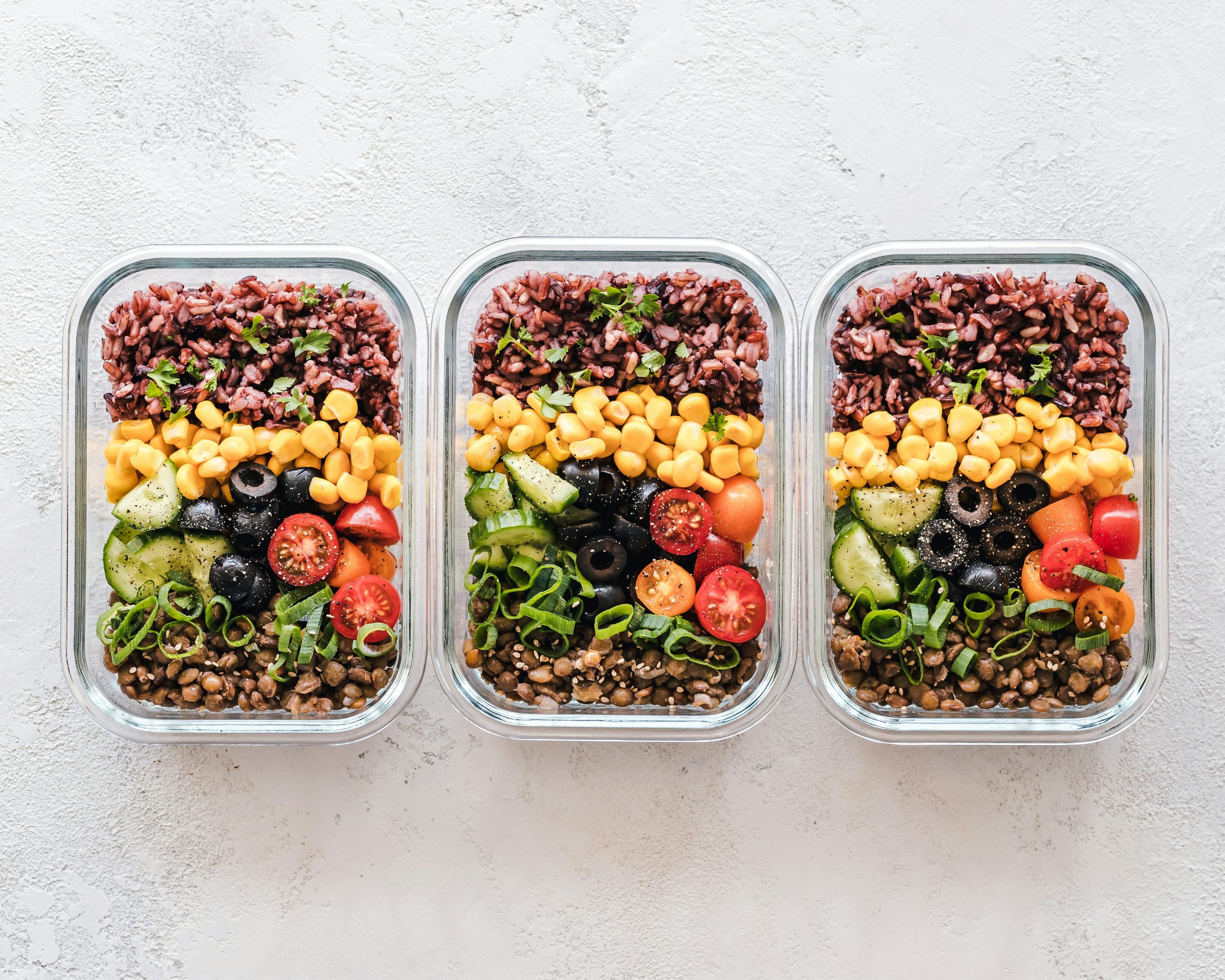
Macro Splits That Support Lean Muscle and Fullness
To successfully change your body composition, adjust your macros to fuel strength training and encourage lean muscle growth. A common and effective approach includes getting 25-35% of calories from protein, 20-30% from fats, and the rest from carbohydrates. For example, on a 2,000-calorie diet, this would be roughly 140 grams of protein, 55 grams of fat, and 236 grams of carbs.
- Strength athlete split: A ratio of 45-55% carbs, 20-30% protein, and 20-30% fat supports intense training and muscle hypertrophy.
- Endurance adjustment: On days with long cardio sessions, increase carbs to 55-65% of your intake while keeping protein high enough to protect muscle mass.
- Individual flexibility: Tweak your carb and fat ratios based on what keeps you feeling full and performing your best, rather than following strict percentages.
Protein should be your top priority—it is essential for muscle protein synthesis and recovery. It also helps you feel full longer compared to carbs or fats alone.
Why Plant Foods Keep You Fuller on Fewer Calories
Plant-based foods are typically less calorie-dense than animal products, meaning you can enjoy larger, more satisfying portions without overdoing calories. This volume advantage makes a vegan diet easier to stick with, as you can eat more food while still maintaining a calorie deficit. By taking in fewer calories overall, you naturally curb hunger without feeling like you are missing out.
- High-volume staples: Foods like oats, brown rice, beans, lentils, and vegetables let you fill your plate without excess calories.
- Fiber advantage: Most plant-based shakes include dietary fiber, which slows digestion. Adding chia or flax seeds can make you feel full even longer.
- Practical example: A meal with quinoa, sweet potatoes, and chickpeas delivers roughly 500 calories and 15 grams of protein, offering lasting fullness.
Combining a high-quality vegan protein powder with fiber and healthy fats boosts satiety and helps stabilize your blood sugar. This approach makes it much easier to maintain a calorie deficit without fighting hunger all day.
Timing Carbs and Protein Around Your Workouts
What you eat before a workout fuels your performance, while nutrition afterward kick-starts recovery and muscle protein synthesis. Timing your meals and snacks around training can be the difference between average results and outstanding progress in body composition over time.
Before you train, try a smoothie with oats, banana, and pea protein for steady energy that is easy on the stomach. After your workout, aim for 20-30 grams of protein from sources like tempeh or lentils to restore glycogen and support muscle recovery.
Frequently Asked Questions
For the most lasting satisfaction, try blending vegan protein powder with fiber-packed whole foods like oats, chia seeds, or ground flaxseed. A filling shake with one scoop (offering 20–22 grams of protein), half a cup of oats (about 5g of fiber), and a tablespoon of nut butter can comfortably curb your appetite for three to four hours. For even longer-lasting satiety, opt for larger meals centered on tofu, tempeh, lentils, or chickpeas and pair them with high-fiber carbs.
To effectively build and maintain lean muscle, aim to consume between 1.6 and 2.2 grams of protein per kilogram of your body weight daily, leaning toward the higher end if you’re in a calorie deficit or training intensely. For example, a 70 kg athlete would need about 112–154 grams of protein. You can reach this goal by including three servings of a high-quality vegan protein powder along with two balanced whole-food meals. Spreading your protein intake across 3–5 meals, each containing 20–40 grams, is ideal for maximizing muscle protein synthesis.
Excellent low-calorie, high- protein vegan options are tofu, tempeh, edamame, chickpeas, and lentils. Each serving typically provides a solid 15–20 grams of protein alongside valuable nutrition. For a meal that’s both light and satisfying, add a scoop of vegan protein powder (around 20–22 grams of protein for only 110–120 calories) to fiber-rich dishes like lentil chili or chickpea curry. This strategy boosts satiety, supports weight loss, and aids in muscle building.
Share this article: