Shopping Cart
Spirulina and vitamin B12: why vegetarians need real sources


This article explores whether spirulina serves as a truly usable source of vitamin B12 for vegetarians and vegans. You'll discover why spirulina vitamin B12 falls short nutritionally and learn which plant-based alternatives can genuinely support health. We'll also clarify the nature of pseudovitamin B12 and guide you toward reliable options that help prevent deficiency.
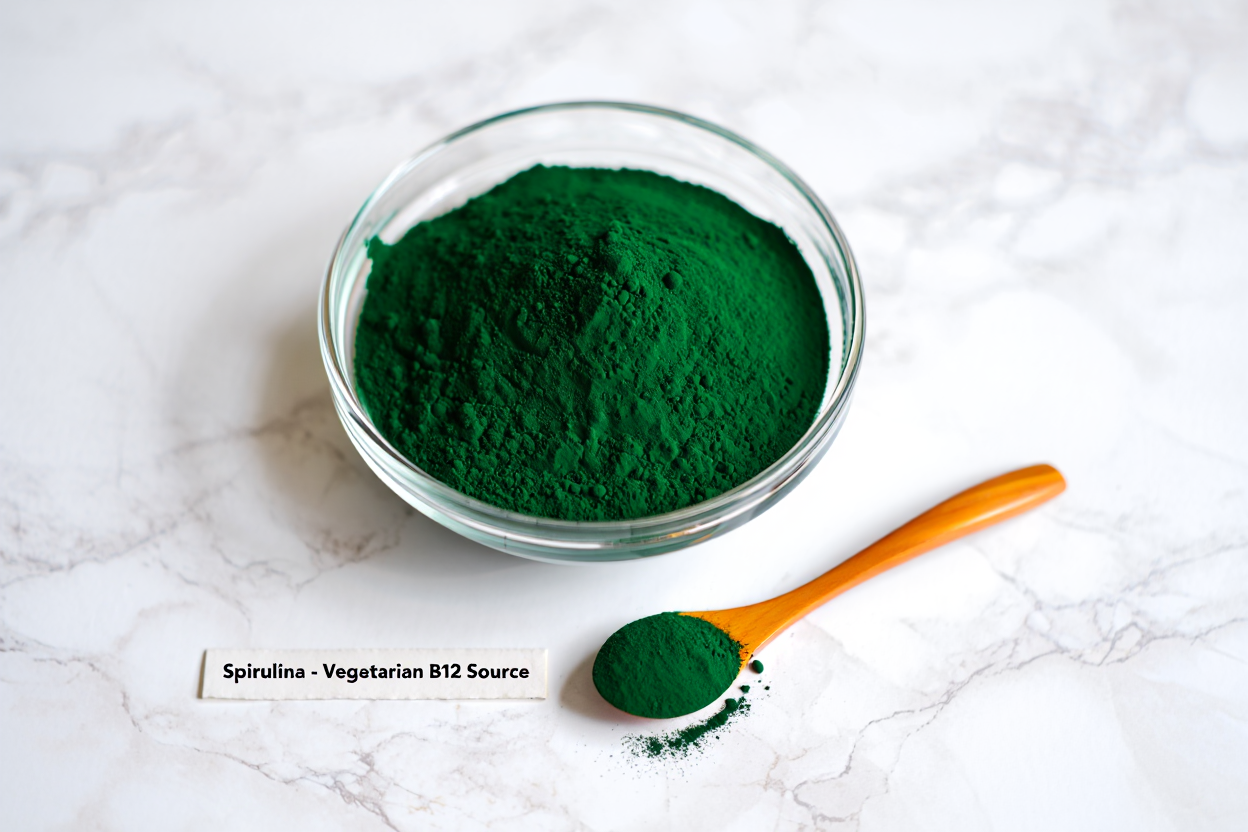
Spirulina is a nutrient-dense blue-green algae frequently promoted as a vegetarian supplement, but it doesn't provide usable vitamin B12. The algae contain predominantly pseudovitamin B12, a form that's biologically inactive in humans, leading health authorities and nutrition experts to deem a spirulina B12 source unreliable for vegans and vegetarians. Understanding this distinction is essential for anyone who excludes animal products from their daily diet.
Why Spirulina Fails as a Vitamin B12 Source
Spirulina contains compounds that chemically resemble vitamin B12 but lack crucial biological activity in human metabolism. These inactive forms constitute most of what manufacturers label as B12 content, creating a confusing nutritional profile. This fundamental issue undermines spirulina's credibility as a vegetarian source of vitamin B12 for any diet.
Pseudovitamin B12 Dominates Spirulina's Corrinoid Profile
Analytical studies reveal that spirulina vitamin B12 consists predominantly of Coα-[α-(7-adenyl)]-Coβ-cyanocobamide and similar inactive corrinoids. Research demonstrates that pseudovitamin B12 accounts for approximately 83% of the total corrinoid content. This composition makes spirulina highly unreliable for meeting B12 requirements in plant-based diets, as only a minor portion constitutes a true vitamin B12 analogue.
Commercial spirulina tablets typically list around 2 micrograms of total B12-like compounds on their labels. However, only a tiny fraction— approximately 0.3 micrograms—represents active cobalamin that your body can actually utilize. The remaining inactive analogues cannot be properly absorbed, rendering most claimed B12 content nutritionally worthless for vitamin B12 in humans.
Measurement Methods Inflate Spirulina's Apparent Vitamin B12 Content
Different laboratory testing methods produce dramatically varying B12 results when analyzing identical spirulina samples. Microbiological assays using Lactobacillus leichmannii detect both active B12 and inactive pseudovitamin B12 compounds, significantly inflating apparent content. By contrast, intrinsic factor-based chemiluminescence methods exclusively measure bioavailable forms, revealing the truth about usable amounts.
- Microbiological assays: These tests identify all corrinoids equally, frequently overestimating B12 content by 6–9 times compared to actual human absorption rates.
- Intrinsic factor methods: This approach specifically measures B12 that binds to human transport proteins, providing accurate bioavailability data.
- Real-world impact: A supplement labeled at 5 micrograms by microbiological assay may contain only ~0.7 micrograms when properly tested.
- Label reliability: Most spirulina product labels rely on inflated microbiological data, misleading consumers about genuine B12 availability.
Researchers recommend confirming vitamin B12 content through intrinsic factor-based assays before trusting any product as a dietary source of vitamin B12. This critical testing distinction explains why spirulina appears adequate on labels but performs poorly in the human body. Manufacturers often favor the more lenient microbiological method to support their marketing claims.
Clinical Evidence Shows Spirulina Does Not Improve B12 Status
Human intervention studies consistently demonstrate that spirulina supplementation fails to raise serum vitamin B12 levels. Blood tests measuring B12 markers show no significant improvements after months of use, confirming these compounds lack bioavailability. This clinical evidence directly contradicts frequent marketing claims regarding B12 supplementation benefits.
Functional biomarkers like methylmalonic acid (MMA) and homocysteine remain elevated despite regular spirulina intake. These markers indicate that B12-dependent enzymatic pathways remain impaired, providing more sensitive deficiency detection than serum levels alone. While genuine vitamin B12 supplementation normalizes these levels, spirulina simply never produces this necessary physiological response.
Watanabe and colleagues demonstrated in peer-reviewed research (1999) that spirulina's corrinoids don't improve B12 status in human subjects. Multiple studies have since confirmed these findings, establishing scientific consensus that spirulina cannot prevent or treat vitamin B12 deficiency. Professional organizations now explicitly classify spirulina as an unreliable source in their nutritional guidelines.
Authentic Plant-Based Vitamin B12 Sources That Work
For vegans specifically, proven sources of bioavailable B12 include fortified foods and certified supplements containing cyanocobalamin or methylcobalamin. These are the only plant-based options that reliably increase blood B12 levels and correct functional indicators of a deficiency. For any serious vegetarian athlete or fitness enthusiast, we recognize these as the only legitimate alternatives to using spirulina.
Fortified Foods Provide Reliable Vegetarian Vitamin B12
Fortified products are designed to fill nutritional gaps and support overall health, and they can include a vegetarian B12 supplement. While they can help address deficiencies—especially for vegans and athletes—they shouldn't replace a varied, balanced diet and are best used after consulting a healthcare professional. Fortified plant milks, breakfast cereals, fortified nutritional yeast, and meat substitutes all contain added bioavailable B12 in forms that the human body can actually absorb.
Fortified plant milks typically offer about 1–2 micrograms per cup, while cereals can provide 1–6 micrograms depending on the brand. Just one tablespoon of fortified nutritional yeast delivers 2–3 micrograms of active vitamin B12, making it a very efficient dietary source. When selecting fortified foods, always check labels for “ added B12” and look for cyanocobalamin or methylcobalamin rather than unfortified algae.
Many meat substitutes and other plant-based protein sources also incorporate added B12, helping vegetarian athletes easily meet their daily needs. Combining several of these reliable vitamin B12 sources throughout the day ensures a consistent intake and may reduce the need for additional supplementation.
How Spirulina Compares to Other Algae for Vitamin B12
Some algae, like chlorella, differ significantly from spirulina and may occasionally contain true cyanocobalamin gathered from environmental sources. However, the B12 content varies dramatically between batches and production methods, making it an untrustworthy source. Most algae acquire vitamin B12 through associated bacteria rather than producing it themselves, which results in inconsistent and unpredictable cobalamin levels.
- Chlorella variability: Its true B12 content ranges from minimal to moderate based on how it's grown, making it an unreliable dietary option.
- Aphanizomenon inconsistency: While some animal studies are promising, human evidence remains too limited to support clear dietary recommendations.
- Bacterial sourcing: Algae accumulate cobalamin from their environment, a process that can’t be controlled as precisely as the supplementation used in fortified foods.
- Regulatory status: No algae species has been approved by health authorities as a credible vegan B12 source.
Until large, controlled human studies show that these algae consistently raise serum B12 levels, they should not replace certified supplements. In fact, inactive corrinoids in algae may compete with and block the absorption of true vitamin B12 from other foods. Regulatory agencies strongly recommend using cyanocobalamin or methylcobalamin from fortified foods or supplements instead of unverified algae alternatives.
Health Risks of Relying on Spirulina for Vitamin B12
Vitamin B12 deficiency leads to severe neurological and hematological problems that spirulina cannot prevent. The consequences range from persistent fatigue and megaloblastic anemia to irreversible nerve damage if left untreated. Understanding these risks encourages every vegetarian following a plant-based diet to seek reliable supplementation rather than depending on an ineffective supplement analogue.

Clinical Consequences of Vitamin B12 Deficiency in Vegetarians
Vegetarians with B12 deficiency frequently report fatigue, memory lapses, mood changes, and progressive peripheral neuropathy. Young children develop symptoms quickly due to minimal liver stores, while adults may remain asymptomatic for years. A prominent UK survey revealed a high prevalence of vitamin B12 deficiency among vegans, highlighting the danger of replacing fortified foods with uncertified sources.
- Neurological damage: Persistent deficiency causes demyelination, cognitive decline, and sometimes permanent peripheral neuropathy.
- Hematological effects: Megaloblastic anemia reduces oxygen transport, diminishing endurance and overall performance.
- Metabolic consequences: Elevated homocysteine and methylmalonic acid levels increase cardiovascular risks for vegetarians.
Since the liver stores considerable amounts of vitamin B12, symptoms may appear months or years after intake decreases. Pregnant and lactating individuals require higher amounts of vitamin B12 to ensure proper fetal development and maintain breast milk reserves. Prompt, reliable supplementation prevents these serious outcomes of vitamin B12 deficiency.
Why Spirulina May Worsen B12 Absorption from Real Sources
Spirulina contains inactive corrinoid analogue compounds that bind to intrinsic factor similarly to true vitamin B12, blocking absorption from fortified foods or supplements. Consequently, combining spirulina with authentic B12 sources can worsen deficiency rather than correct it. Elevated methylmalonic acid levels often reveal this hidden interference even when a person believes they are maintaining adequate supplementation.
When pseudovitamin B12 occupies cellular receptors without providing biological activity, essential enzymatic reactions stall. The body cannot initially distinguish the analogue, allowing spirulina to monopolize transport proteins and hinder genuine B12 delivery. This competitive inhibition makes spirulina more harmful than simply ineffective.
Studies indicate that adding spirulina to an existing supplement regimen can reduce overall B12 absorption by 30–40 percent. This evidence confirms that spirulina should be avoided rather than combined with trustworthy supplementation methods.
Testing and Monitoring B12 Status for Plant-Based Diets
Annual serum B12 and methylmalonic acid screenings help detect deficiency early, before clinical symptoms appear. Additional testing two or three months after any supplementation change verifies whether current strategies maintain safe levels.
Methylmalonic acid remains the most sensitive functional marker because it increases only when B12-dependent pathways falter. By interpreting both markers, healthcare providers can fine-tune supplementation for each vegetarian, ensuring continuous protection against vitamin B12 deficiency.
Recommended products

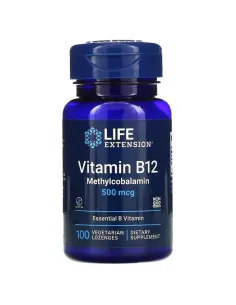
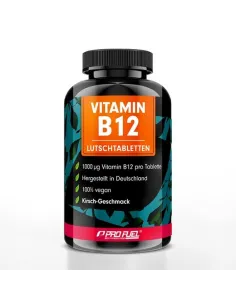
Effective vitamin B12 supplementation for vegetarian athletes
Athletes following a vegetarian or vegan diet require a reliable supplement to sustain their vitamin B12 levels, which are essential for energy metabolism, red blood cell production, and nervous system function. BodyNutrition offers verified B12 products that meet strict bioavailability standards to support your training regimen. By selecting the right forms and dosages, you can effectively prevent deficiency and maintain optimal performance.
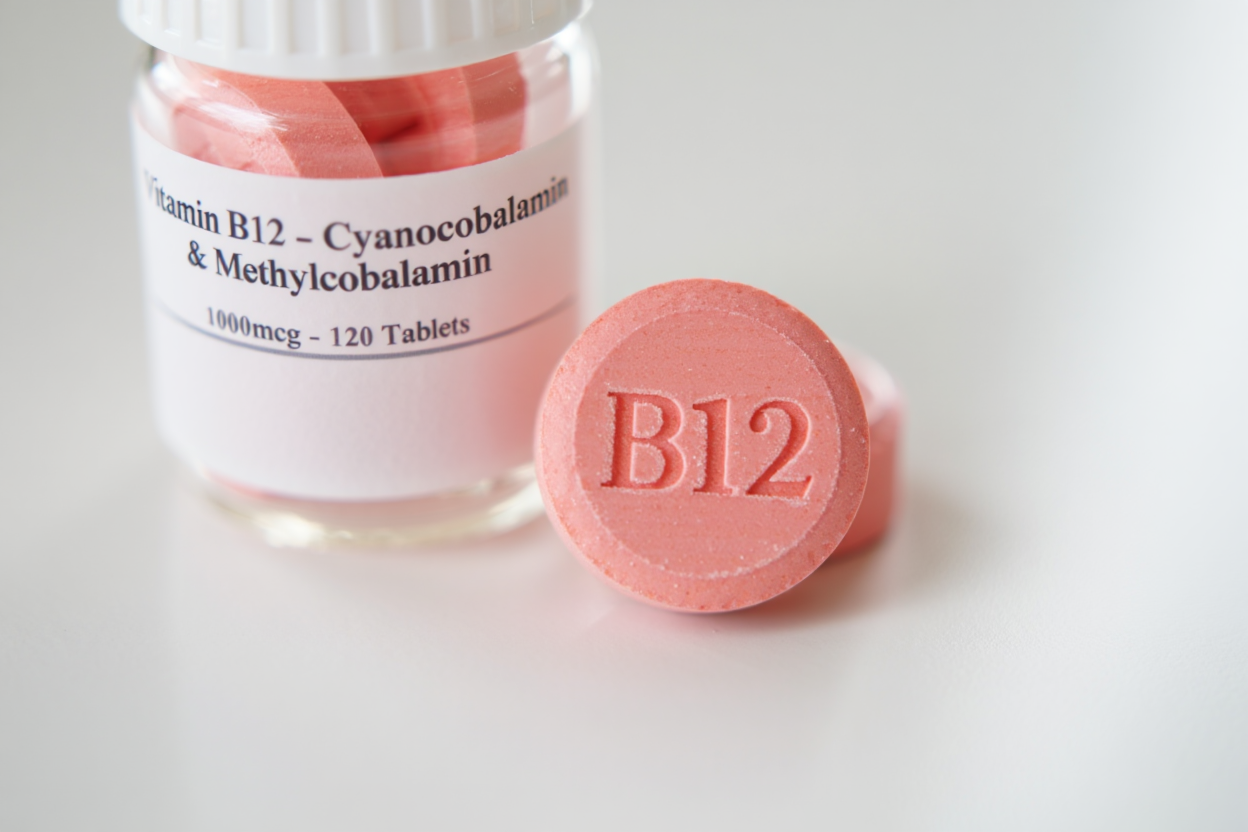
Choosing between cyanocobalamin and methylcobalamin supplements
When it comes to vegetarian B12 supplementation, the two main forms available are cyanocobalamin and methylcobalamin. Both are effective in preventing deficiency, though they differ in a few key aspects. Cyanocobalamin is a stable and cost-effective option, though it must be converted into active vitamin B12 in the body. Methylcobalamin is already in a bioactive form, but studies show it doesn't offer a significant absorption advantage for most people.
- Cyanocobalamin stability: Highly resistant to degradation, making it a long-lasting and potent supplement.
- Methylcobalamin bioactivity: This form is biologically active but lacks proven superiority over cyanocobalamin in raising B12 levels.
- Cost considerations: Cyanocobalamin is generally more affordable, ideal for long-term supplementation.
- Absorption efficiency: Both forms are equally effective at increasing serum cobalamin and improving metabolic markers.
Look for third-party certifications from organizations like USP or NSF to ensure product purity and accurate labeling of active vitamin B12. BodyNutrition recommends choosing supplements with these verifications for assured quality. Since both forms work well at proper doses, your choice can be based on personal preference and budget.
| B12 Form | Daily Dose | Weekly Alternative | Absorption Method |
| Cyanocobalamin | 25–100 µg | 500 µg once weekly | Requires hepatic conversion |
| Methylcobalamin | 25–100 µg | 500 µg once weekly | Direct coenzyme utilization |
| Fortified foods combined | 2.5–5 µg total | N/A with foods alone | Intrinsic factor transport |
Dosage strategies for optimal vitamin B12 absorption
For the best results, a daily dose of 25–100 micrograms of cyanocobalamin takes advantage of the body's intrinsic factor system, the primary method for absorbing cobalamin. Smaller daily doses are efficiently processed through this active transport pathway. Alternatively, a larger weekly dose of 500 micrograms relies on passive diffusion, absorbing about 1% of the dose but still effectively maintaining vitamin B12 levels over time.
Athletes should select a supplementation schedule that fits their routine. Daily doses are great for consistency, while weekly options offer flexibility. Both approaches, when followed regularly, are reliable in sustaining optimal B12 levels and supporting athletic performance.
Building a Complete Vegetarian Vitamin B12 Nutrition Plan
A truly comprehensive plan for vitamin B12 nutrition requires vegetarians and those on plant-based diets to consistently rely on either fortified foods or a dedicated supplement. In practice, combining both approaches provides the most reliable strategy to ensure your B12 levels remain optimal and deficiency is prevented. While the standard recommended daily allowance is 2.4 micrograms, pregnant and lactating women require increased intake to support their specific needs.
Effective meal planning is crucial for meeting metabolic demands without stress. By incorporating multiple reliable fortified sources throughout your day, you can guarantee consistent intake of this essential nutrient.
Daily Vitamin B12 Intake Strategies for Plant-Based Diets
You can easily distribute effective vegan B12 sources across your meals. Start with fortified plant milks at breakfast, typically offering 1-2 micrograms per serving. Other excellent options include fortified cereals (providing 1-6 micrograms) and fortified meat substitutes at lunch (adding another 1-2 micrograms). Even a single tablespoon of fortified nutritional yeast delivers an efficient 2-3 micrograms of vitamin B12.
Incorporating these common cooking ingredients allows for seamless supplementation without significantly altering your routine. Distributing these sources throughout the day is wise, as it eliminates reliance on any single food for meeting your requirements.
- Breakfast strategy: Adding fortified plant milk to your morning coffee or cereal provides immediate B12 content, establishing consistency early in your day.
- Lunch incorporation: Including fortified meat substitutes or other plant-based protein products contributes to your midday intake through practical food choices.
- Dinner enhancement: Simply sprinkling fortified nutritional yeast on your evening meal adds vital B12 content without requiring additional cooking steps.
Vegetarian athletes often need to target the higher end of intake recommendations since intensive training increases metabolic demands. Aiming for 4-5 micrograms daily from fortified foods, or 50-100 micrograms through supplementation, helps support recovery and performance. Regular testing is also recommended to confirm your current strategies maintain optimal vitamin B12 levels during competition seasons.
Developing label reading skills is essential for finding reliable sources—always check ingredient lists for either cyanocobalamin or methylcobalamin (the two primary forms of cobalamin used in fortification). Avoid assuming organic or "natural" plant foods contain this nutrient; only fortified products and supplements provide verified vitamin B12 content. Building sustainable habits means paying consistent attention to these distinctions rather than trusting vague marketing claims.
Combining Fortified Foods with Supplements for Optimal Status
Many healthy vegetarians successfully combine fortified nutritional yeast and other enriched foods with a regular supplement to prevent inadvertent deficiency. This dual-source approach creates a safety net that accommodates dietary variations, travel schedules, and changing food availability. BodyNutrition customers can easily integrate B12-fortified protein powders from our catalog alongside whole foods to support athletic goals.
Long-term sustainability requires either solidifying your fortified food habits or adopting a simple daily supplement regimen, especially since product formulations can change. Athletes relying solely on food should verify the B12 content of their favorite products quarterly, as manufacturers frequently adjust recipes. Maintaining a practical backup supplement provides extra security for plant-based athletes during travel or dietary disruptions, ensuring reliable vegan B12 supplementation regardless of circumstances.
Frequently Asked Questions
No, you cannot rely on spirulina for B12. Although it is often discussed, spirulina predominantly contains inactive compounds called pseudovitamin B12, which the human body cannot use effectively. Studies show that consuming spirulina does not raise blood vitamin B12 levels or improve critical markers such as methylmalonic acid.
While a very small amount of active cobalamin may be present, it usually accounts for less than 5% of the total and is not sufficient to meet nutritional needs. In fact, these inactive analogues may interfere with the absorption of beneficial B12, making spirulina a potentially counterproductive choice for those on a vegetarian or plant-based diet seeking to prevent a deficiency.
The most concentrated sources of vitamin B12 for those eating a plant-based diet are all fortified foods. This includes fortified plant milks, many breakfast cereals, meat alternatives, and notably, fortified nutritional yeast, which can provide an impressive 2–3 micrograms per tablespoon.
Fortified plant milks typically offer 1–2 micrograms per cup, and numerous meat substitutes contain a comparable amount per serving. Since unprocessed plants do not naturally contain a reliable amount of B12, consistently including these fortified foods in your diet is essential to maintain healthy B12 levels and avoid a deficiency.
The most reliable strategy for vegans is a daily supplement containing 25–100 micrograms of cyanocobalamin or methylcobalamin. If you prefer not to take a pill every day, a single, larger weekly dose of at least 500 micrograms is an equally effective alternative for maintaining adequate concentrations of vitamin B12.
For assurance of quality and potency, look for supplements with third-party certifications from organizations like USP or NSF. Combining a daily supplement with a diet that includes fortified foods provides the strongest defense against a vitamin B12 deficiency, ensuring that individuals on a plant-based diet can sustain optimal health and performance.
Share this article: