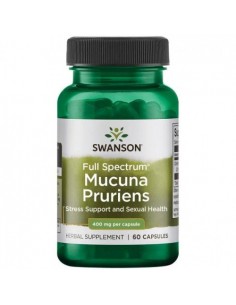
Mucuna Pruriens
Mucuna Pruriens, also known as Velvet Bean, is a nutrient-rich plant that grows from vines in tropical regions worldwide. This supplement is valued for its naturally high L-Dopa content, a precursor to dopamine that supports neurological health. Most commercial mucuna products are standardized as extracts based on their L-Dopa concentration, making dosage consistent and reliable. L-Dopa is a well-researched compound used in managing Parkinson's disease, and researchers continue to evaluate how mucuna pruriens compares to pharmaceutical L-Dopa treatments and other available drugs.
Mucuna Pruriens Supplement Benefits and Effects on Dopamine
Mucuna Pruriens L-Dopa for Parkinson's Disease Management
Preliminary research suggests that Mucuna Pruriens extract, when properly dosed, is roughly equivalent to pharmaceutical L-Dopa in reducing Parkinson's disease symptoms. The dopamine-boosting properties of this supplement make it an appealing natural alternative for those managing motor and non-motor symptoms. Some evidence indicates it may offer additional therapeutic effects beyond standard L-Dopa, though more comprehensive research is needed. As with pharmaceutical options, careful dosage adjustment is essential to optimize results and minimize potential adverse effects.
Mucuna Pruriens Extract for Male Fertility and Sperm Health
For men concerned with sperm quality, mucuna pruriens shows promising results in preliminary studies. Research indicates improvements in sperm motility and concentration as primary benefits. The dopamine-enhancing properties of this supplement may support reproductive function in infertile males. While the effects on men with normal sperm counts remain unclear, current evidence suggests mucuna can significantly improve fertility markers in those with low sperm quality.
Mucuna Pruriens Side Effects, Interactions, and Safety Considerations
Mucuna Pruriens carries potential side effects similar to pharmaceutical L-Dopa, including gastrointestinal and neurological symptoms. Common side effects include nausea, stomach upset, and mild headaches, particularly when starting supplementation. Some users report vomiting, diarrhea, or dizziness, especially at higher doses. Like other botanical supplements, mucuna pruriens interactions with medications are a critical safety concern. Always consult a healthcare professional before combining this supplement with prescription drugs, as certain medications may reduce effectiveness or increase adverse effects. Individuals with pre-existing gastrointestinal conditions may experience worsened symptoms and should seek medical advice before use.
How to Use Mucuna Pruriens: Dosage and Dose Titration
Starting with a low dose and gradually increasing helps your body adapt to mucuna pruriens while reducing nausea incidence. Most users begin with 150-200 mg of L-Dopa content daily and adjust based on tolerance and response. Elderly users should start with lower doses (around 150 mg) due to slower metabolism and increased sensitivity to neurological effects. Dose titration is essential for Parkinson's patients to avoid overdose-related complications. A mucuna pruriens seed powder or standardized extract can be taken with food to minimize gastrointestinal upset. Never abruptly increase dosage; allow 1-2 weeks between adjustments to assess tolerance. Keep track of your supplement intake and discuss any concerns with your healthcare provider to ensure optimal results and safety.
Drug Interactions and Contraindications to Know
Mucuna pruriens interactions with certain medications require careful attention. Combining this supplement with MAOIs (monoamine oxidase inhibitors) can cause dangerously high dopamine levels and severe blood pressure elevation. Antipsychotic medications that block dopamine receptors may reduce supplement effectiveness and increase adverse effects. Antihypertensive drugs may be counteracted by mucuna's effects, potentially leading to uncontrolled blood pressure. Pregnant and breastfeeding women should avoid mucuna pruriens due to insufficient safety data on fetal and infant exposure. Those with a history of melanoma should not use this supplement, as L-Dopa may stimulate melanin-producing tumor growth. Always consult your healthcare provider before starting mucuna supplementation, especially if you're taking medications or have existing medical conditions. Special populations, including elderly users and those with gastrointestinal disorders, require individualized dosage approaches and professional medical oversight.