
Shopping Cart
- New
Seven protein spreads verified for actual declared protein content, not just reduced-sugar positioning, covering both whey-based and plant-based options from Fitking, Grenade, Nutwhey and others.



Spreads marketed around fitness or reduced sugar don't automatically contain meaningful protein. Before this category was built, each candidate product was checked for an actual declared protein value. Spreads without sufficient protein evidence on the label were left out, even if they carried other fitness-adjacent claims. What remains are 7 products with a stated protein content per 100 g or as a percentage, so you can compare them directly rather than relying on packaging language.
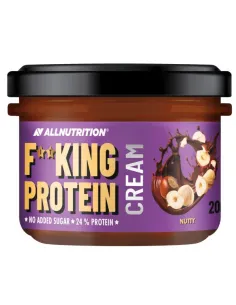
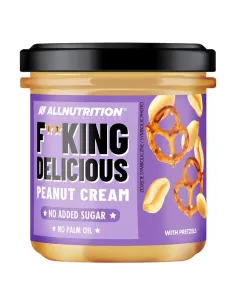
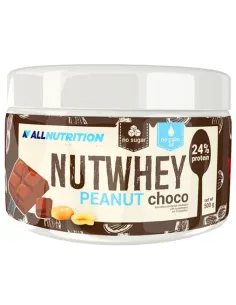
Declared protein varies noticeably within this small set. Fitking Protein Cream lists 18 g of protein per 100 g. Protein CHOC Creme is declared at 21% protein, Vegan Protein Cream at 22 g per 100 g, and Whey Protein Cream at 24% protein. These are not identical formulations wearing different labels — the protein share differs enough that it should factor into your choice, alongside how you intend to use the spread.
The assortment includes both whey-based spreads and plant-based options such as Vegan Protein Cream. Neither source is presented here as superior. If protein source matters for your dietary preferences, check the ingredient list and the declared protein source alongside the protein percentage rather than relying on the product name alone.
Some spreads promoted for fitness or weight-conscious diets emphasise reduced or no added sugar without a comparable protein claim. Those were not included here. If a product's main selling point is sugar content rather than protein content, it belongs to a different comparison than the one this category is built for.
No. A spread with reduced or no added sugar isn't necessarily a protein spread. This category only includes products with a stated protein value, not spreads defined purely by sugar reduction.
Declared values in this range go from 18 g per 100 g up to 24% protein, depending on the product. Check the specific listing since the figures are not interchangeable across brands.
They share the same broad product format but differ in protein source and formulation. Check the ingredient list, nutrition declaration and protein source of the individual product according to your dietary preferences.
These are spreads, typically used in small servings, so declared protein per 100 g may not translate into a large protein contribution per typical serving size. Compare the nutrition declaration and serving size with the rest of your diet.
Selected guides to help you make the right choice.
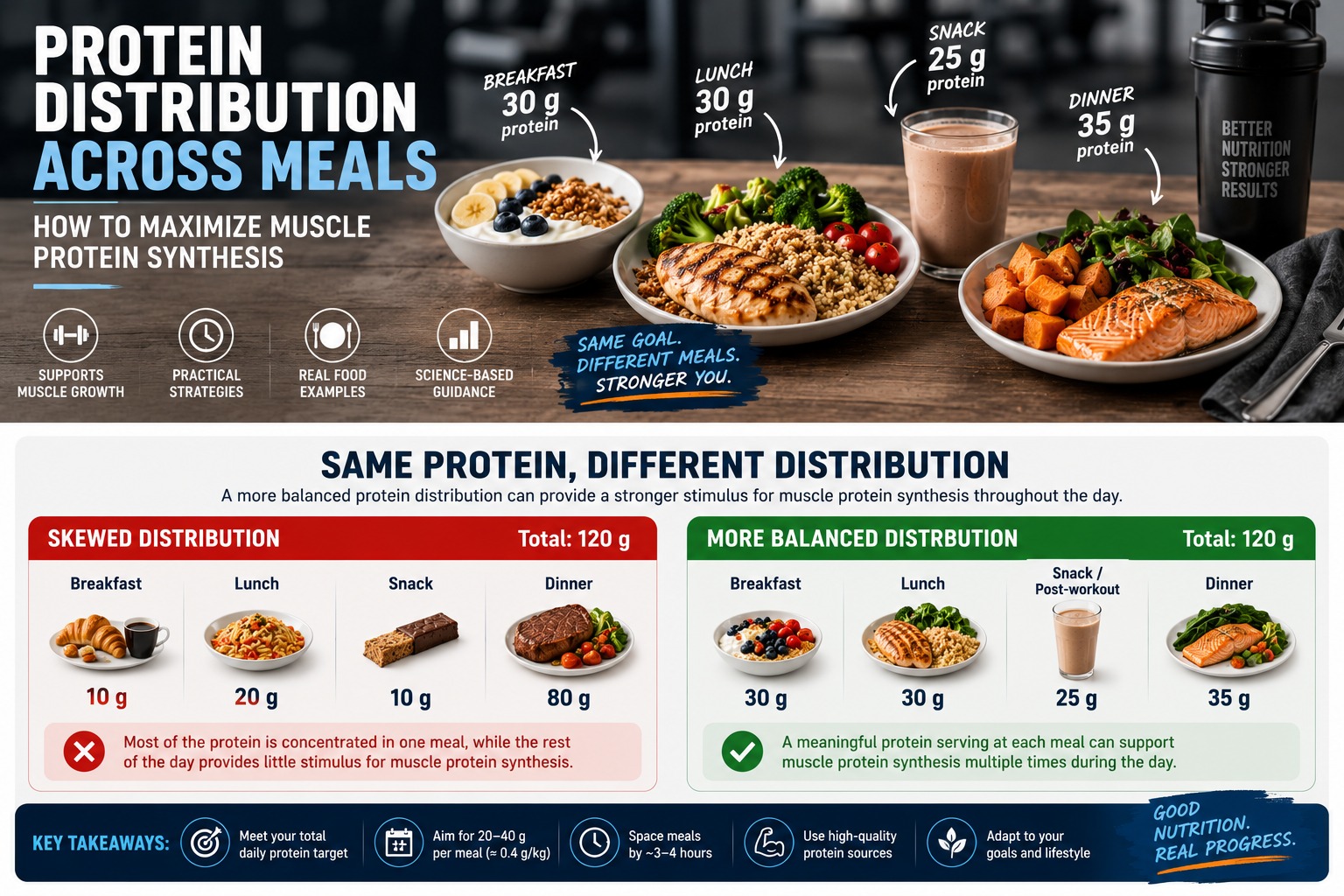 Protein distribution across meals: how to maximize muscle protein synthesis
Learn how to distribute protein across meals to support muscle protein synthesis, including protein per meal, timing and practical…
Read the guide
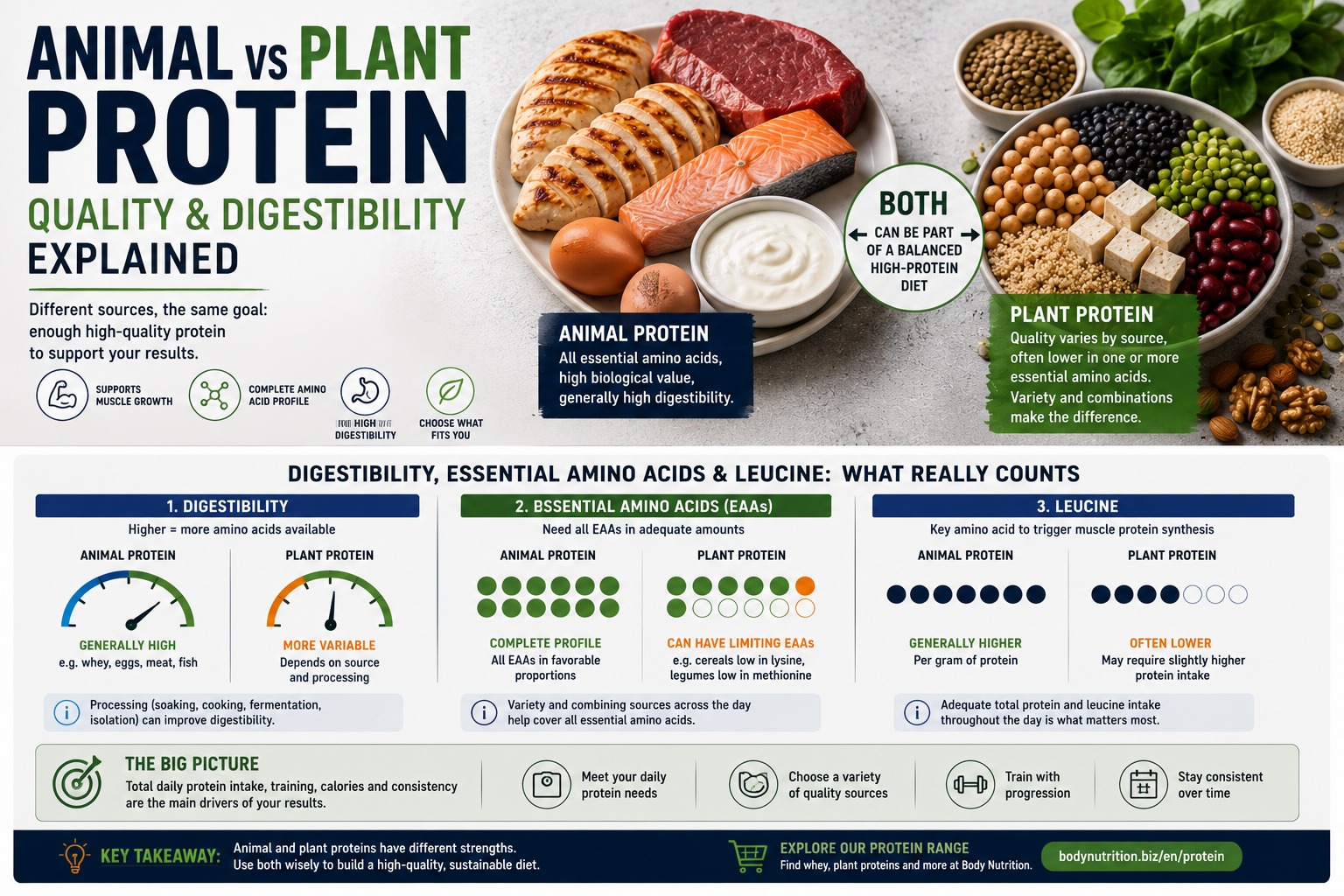 Protein quality and digestibility: animal vs plant sources explained
Animal or plant protein? Learn how digestibility, essential amino acids and leucine affect protein quality and muscle growth.
Read the guide
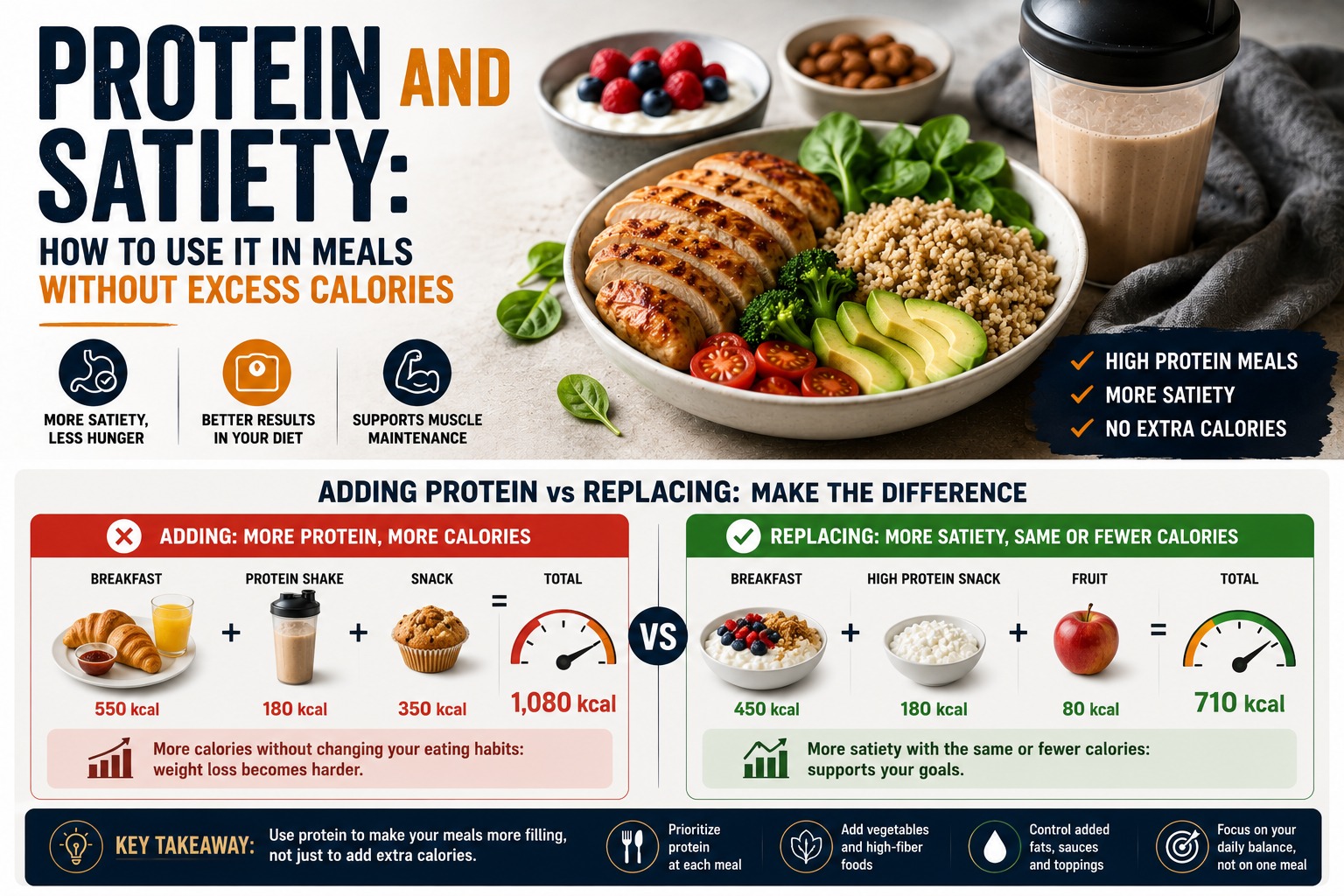 Protein and satiety: how to use it in meals without excess calories
Learn how to use protein-rich foods and protein powder to improve satiety without adding unnecessary calories to your meals.
Read the guide