
Shopping Cart
Best protein powder for muscle gain: whey protein guide 2026


This article will guide you in choosing the perfect protein powder for muscle growth, making it easy to compare top products and build lean muscle effectively. We'll explore how different types of whey protein work, highlight the most crucial amino acids, and pinpoint the best times to take them. Whether you're looking to bulk up or slim down, you'll discover practical, science-supported recommendations to accelerate your muscle-building journey.
Protein powders are dietary supplements that deliver high-quality nutrition to promote muscle growth, enhance recovery, and help maintain lean mass while supporting fat loss. You'll find a range of options including whey (concentrate, isolate, hydrolyzed), casein, egg, beef, and blend formulas—each with its own unique absorption speed and amino acid profile. Fast-acting choices like whey protein isolate and hydrolyzed whey quickly supply branched-chain amino acids for immediate post-workout repair. In contrast, slow-digesting casein fuels muscle protein synthesis over several hours. Many blends combine multiple protein sources for a balance of rapid and sustained release, and some even include fiber to improve digestion. Explore the best protein powders for muscle gain to achieve real results when combined with proper nutrition and consistent training.
Types of whey protein powder for muscle gain
Selecting the ideal whey protein powder for muscle gain starts with a clear understanding of the three main types available. Each offers distinct benefits in terms of purity, speed of absorption, and retention of beneficial bioactive compounds. This knowledge empowers you to select the formula that aligns best with your workout routine and body composition objectives.
Whey protein isolate versus concentrate for purity
Whey protein concentrate typically contains between 70-80% protein by weight and retains beneficial bioactive peptides that support immune health and recovery, offering a cost-effective option for muscle building. Through advanced filtration processes, whey protein isolate is stripped of most fat and lactose, achieving roughly 90% protein purity, which makes it excellent for low-carb diets. Because it contains minimal lactose, whey isolate is a superb choice for athletes with sensitivities who might experience digestive discomfort with concentrate.
- Protein density advantage: A single scoop of whey protein isolate powder provides over 90% pure protein, ensuring you get the maximum dose of amino acids in every serving.
- Cost-effectiveness: Opting for whey protein concentrate delivers excellent value while still providing important immune-supporting peptides and bioactive compounds.
- Lactose tolerance: With its negligible lactose content, isolate is highly suitable for anyone managing dairy sensitivity or digestive issues.
The amino acids from a protein shake enter your bloodstream within 30 to 60 minutes, perfectly syncing with the post-exercise window for rapid muscle protein synthesis. You can mix one scoop with water for a quick, low-calorie shake, or use milk for extra calories and a creamier texture. This rapid availability supports immediate muscle repair, helping you build lean muscle faster when consumed right after finishing your resistance training.
Hydrolyzed and blended whey protein formulas explained
Hydrolyzed whey is processed with enzymes to break it down into shorter peptide chains. This allows for ultra-fast absorption—often within 30-45 minutes—and helps minimize stomach issues, making it a top choice for immediate post-workout recovery. This specialized form of whey protein isolate powder essentially pre-digests the complex proteins, making it an ideal solution for athletes with sensitive stomachs. Hydrolyzed whey ensures you receive all the essential amino acids while significantly reducing the chances of bloating or cramping.
Blended formulas intelligently combine whey isolate and concentrate to deliver both a rapid surge of amino acids and a sustained release, effectively extending the anabolic window for 4-5 hours. Popular products, like Kevin Levrone Levro Whey Supreme, use this blend strategy to provide continuous support for muscle protein synthesis and growth. By incorporating hydrolysate into these blends, a synergistic effect is created that speeds up muscle repair while maintaining a steady supply of amino acids throughout the recovery period.
Essential Amino Acids in Whey Protein for Growth
Whey protein is a complete, fast-digesting source that provides all nine essential amino acids your body needs for efficient protein synthesis. High-quality whey blends, which combine whey isolate and concentrate, are often enriched with branched-chain amino acids, glutamine, and arginine to support muscle maintenance and growth. Boost your muscle gains with premium whey protein powders by incorporating them into a balanced diet alongside regular exercise.
Leucine and BCAA Content for Muscle Synthesis
Whey protein provides a high leucine content of roughly 2-3 grams per serving, which triggers the mTOR pathway to stimulate muscle hypertrophy. A strong BCAA profile of about 5-6 grams per scoop includes leucine, isoleucine, and valine to aid muscle recovery and reduce soreness. To effectively initiate muscle protein synthesis, each serving should deliver at least 22 grams of protein and sufficient leucine.
- mTOR pathway activation: A leucine content of 2-3 grams per serving activates the primary anabolic signaling mechanism needed for effective growth.
- BCAA recovery support: Roughly 5-6 grams of branched-chain amino acids help reduce soreness, allowing for more frequent and intense training sessions.
- Optimal serving size: Drinking 20-30 grams of whey within 30-60 minutes post-workout maximizes your rates of muscle protein synthesis.
- Gender-neutral benefits: Both men and women enjoy the benefits of this complete amino-acid spectrum when combining supplementation with strength training.
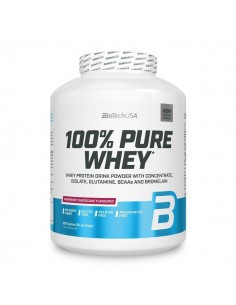
Consuming 20-30 grams of whey during the post-exercise window maximizes muscle protein synthesis, as amino acids hit the bloodstream quickly. Some formulas, like BioTechUSA 100% Pure Whey, are fortified with BCAA, glutamine, and arginine to minimize muscle breakdown and speed up recovery. A higher daily intake combined with progressive training typically yields better lean-mass gains compared to lower protein consumption.
Complete Amino Acid Profile Versus Incomplete Proteins
Whey protein naturally contains all nine essential amino acids needed for muscle protein synthesis, making it superior to many incomplete plant sources. This complete amino acid profile ensures your muscle tissue gets every component required to repair and grow after intense workouts. Compared to casein or soy, whey creates a faster peak in plasma amino acids, leading to greater acute muscle protein synthesis.
While vegan protein options often struggle to offer complete profiles without blending, whey naturally supplies these essential compounds in ideal ratios. Modern clear whey protein powders use isolates to create juice-like, low-calorie drinks that deliver 20-25 grams of protein per serving. This clear whey innovation is perfect for athletes who want a refreshing alternative to the traditional creamy texture of a thick protein shake.
Older adults also benefit from the rapid digestion of whey isolate, achieving better protein accretion than they would with slower-digesting sources. High digestibility scores indicate near-perfect utilization, ensuring maximum amino-acid absorption for critical muscle repair and maintenance. Blending whey with slower proteins like casein can extend amino availability for hours, which is helpful for overnight retention and growth.
L-Glutamine Benefits for Recovery and Muscle Protection
Every serving of premium whey protein powder supplies significant levels of L-Glutamine, an amino acid that helps reduce muscle breakdown during heavy training. Research indicates that L-Glutamine can lower delayed-onset muscle soreness, allowing you to train harder and more frequently with less discomfort. Users often report faster recovery when this shake is consumed immediately post-workout, accelerating muscle repair through its synergistic effect.
Recommended products

Optimal Dosage and Post-Workout Shake Timing for Muscle Growth
To effectively build muscle, it's essential to combine the right amount of whey protein powder with optimal timing. Drinking a shake right after your workout is particularly important, as this post-exercise period is when your muscles are most receptive to nutrients. By meeting your total daily protein intake, you can sustain muscle protein synthesis throughout the entire day.
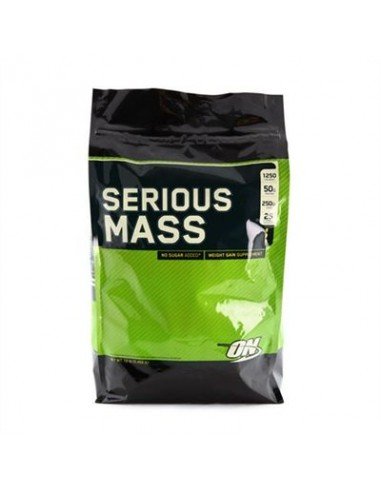
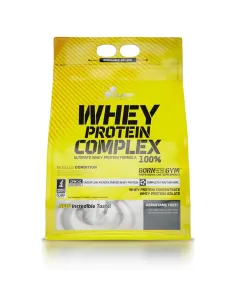
For those aiming to enhance their results, advanced supplements can offer significant benefits. This whey protein blend incorporates both concentrate and isolate through micro‑ and ultrafiltration processes, delivering fast‑absorbing protein rich in essential amino acids and a substantial amount of L‑Glutamine. Designed for consumption immediately after a workout, it helps accelerate muscle protein synthesis, encourages muscle growth, and supports recovery. If you're focused on increasing muscle mass, Boost your muscle gains with this fast‑absorbing whey protein to effectively achieve your fitness goals.
Daily Protein Intake Recommendations for Muscle Gain
Aim to consume between 1.6 and 2.2 grams of protein per kilogram of your body weight each day. For example, an athlete weighing 75 kilograms would need approximately 120–165 grams to support lean muscle growth, especially when paired with a well-timed post-workout shake. A higher daily protein intake, along with consistent resistance training, leads to significantly better muscle hypertrophy over time.
It’s best to spread your protein intake evenly across three to four meals, targeting 0.3–0.4 grams per kilogram per meal. Consuming one large dose of protein does not offer as many benefits as a balanced, steady intake throughout the day. This consistent supply ensures your body has the necessary building blocks for continuous muscle growth.
- Daily protein targets: Aim for 1.6–2.2 grams of protein per kilogram of body weight to fully support muscle gain and recovery.
- Meal distribution: Distribute your protein intake evenly across 3–4 meals to optimize muscle protein synthesis.
- Post-workout priority: Consume 20–30 grams of whey protein within 30–60 minutes after finishing your resistance training session.
- Evening support: Consider a second shake—using whey or casein—before bed to supply your muscles with amino acids overnight.
| Body Weight (kg) | Daily Protein Range (g) | Per-Meal Target (g) | Post-Workout Shake (g) |
| 60 | 96-132 | 24-33 | 25-30 |
| 75 | 120-165 | 30-41 | 25-30 |
| 90 | 144-198 | 36-50 | 25-30 |
| 100 | 160-220 | 40-55 | 25-30 |
If reaching your daily protein goals with whole foods alone is challenging, you can split your whey powder intake. Consuming 2–3 servings per day—such as at breakfast or after your workout—helps you consistently meet your targets. This method also helps avoid digestive issues or excessive calorie intake that can come from relying solely on whole-food protein sources.
Best Times to Consume Whey Protein Shakes
Match the type of protein to the timing: choose a fast-absorbing whey isolate or hydrolysate right after training to trigger immediate muscle protein synthesis. In contrast, micellar casein is most effective before bed, offering extended protection overnight. You can also combine whey protein isolate powder with a carb source—like a banana—to help replenish glycogen stores.
Mixing whey powder into foods like oatmeal, smoothies, or pancake batter is a great way to diversify your nutrition. This variety helps maintain consistent amino acid availability throughout the day, which is key for muscle growth. A second shake before bed can sustain amino delivery, preventing muscle breakdown during sleep.
For a quick, low-calorie post-workout shake, mix your whey protein isolate powder with water. If you’re in a bulking phase and want extra calories and creaminess, blend it with whole milk. Start with a smaller serving to test your tolerance before moving up to a full scoop.
Effectiveness of Whey Protein Powder with Resistance Training
While whey protein alone won't magically build muscle, its true benefits are unlocked when you combine it with the physical stress of resistance exercise. A recent systematic review and meta-analysis specifically examined the impact of whey protein supplementation, especially when paired with resistance training, on muscle strength and physical performance in older adults. Discover how whey protein can amplify your muscle‑gain results by exploring findings that highlight significant improvements in lower-body strength and appendicular skeletal muscle mass. However, the research is clear: there is little to no extra growth if you take muscle gain supplements without a consistent training stimulus.
Does Protein Powder Help Muscle Growth with Training?
Even with a good diet, consuming a post-workout whey shake can significantly speed up recovery and reduce muscle soreness. This allows you to train more frequently with less discomfort, helping you maintain a high level of intensity throughout your training week. The muscle-building response is heavily dependent on your dosage, with greater lean-mass gains observed at higher daily protein intakes, typically around 1.2 to 1.5 grams per kilogram of body weight.
- Training Synergy Requirement: Whey protein requires the stimulus of resistance exercise to effectively trigger growth; supplementation by itself will not make you stronger.
- Recovery Acceleration: Taking a post-workout whey protein helps reduce fatigue, enabling you to maintain better training frequency and focus.
- Dose-Dependent Gains: Higher daily protein intakes, when combined with consistent training, lead to significantly more muscle hypertrophy than lower amounts.
Research confirms that pairing an adequate daily protein intake with progressive weight training creates the optimal environment for muscle protein synthesis. Interestingly, older adults often see very strong results from combining whey protein with strength training, sometimes achieving even better protein absorption rates than younger individuals.
Mass Gainer Versus Whey Isolate for Bulking Goals
Mass gainer formulas are a specific blend of protein with high-calorie carbohydrates and fats, often using ingredients like oats or maltodextrin. These mass protein powder options are designed to help you hit a daily caloric surplus of 500-800 calories, which is crucial for lean-mass gain. For bulking, products like Maxi Nutrition Cyclone offer about 31 grams of protein per scoop, plus added creatine to further boost strength and hypertrophy.
On the other hand, whey isolate-based powders are typically much lower in calories, usually staying under 100 calories per scoop, making them perfect for cutting phases. It's helpful to track your total daily calories with an app to ensure your protein powder choice aligns with your specific goals and doesn't contribute to unwanted fat gain. Always look for third-party certifications like Informed-Sport to guarantee that your mass protein powder is pure and free from banned contaminants.
Choosing Protein Powder Based on Cutting or Bulking
If you are cutting, your best choice is a whey isolate product that is under 100 calories per serving and includes added BCAAs, with minimal sugars to help preserve lean tissue. Brands like Protein Works Diet Whey are formulated to help you maintain muscle while adhering to a strict caloric deficit. Bulking protocols, however, benefit more from high protein blends that mix whey with carbohydrates to fuel aggressive muscle growth.
For those with lactose intolerance, it's best to stick to whey isolate or hydrolyzed options, as these contain negligible amounts of lactose. This allows for consistent consumption without digestive discomfort, whether you are in a cutting or bulking phase. Finally, try to select a flavor you enjoy and opt for products with natural ingredients if clean eating is a priority for you.
Frequently Asked Questions
The best whey protein isolate powder for building lean muscle will typically have a high protein content, often between 22 and 25 grams per serving. Look for a product that also includes added BCAAs with optimal leucine levels to effectively stimulate muscle protein synthesis. Whey protein isolate is an excellent choice because it is more than 90% pure protein, with minimal fat and lactose, making it ideal for supporting growth on a low-carb diet.
For the best results, aim to consume 20 to 30 grams of whey protein powder shortly after your workout. This post-workout nutrition, when combined with consistent resistance training, is significantly more effective for muscle gain than using other protein sources by themselves.
No, whey powder will not lead to significant muscle gain if you are not also performing resistance training. Your body requires the mechanical stimulus from progressive exercise to initiate growth. While a high protein intake from a supplement like whey protein can aid recovery, it cannot independently build muscle.
Studies consistently show that without the crucial training stimulus, supplementation provides only minimal benefits to strength and size. Therefore, whey protein isolate is a powerful tool for supporting gain, but it is not a replacement for the work required in the gym.
The choice between a mass gainer protein powder and whey isolate depends on your specific bulking goals. A mass gainer is formulated for those who struggle to consume enough calories and is excellent for rapid lean muscle gain due to its high calorie and carbohydrate content.
On the other hand, whey isolate provides pure, high protein with very few carbs and fats, giving you the flexibility to control your calorie intake through whole foods. If your primary goal is pure protein supplementation without extra calories, then whey protein powder like an isolate is the superior choice for your post-workout routine and daily diet.
Share this article: