Shopping Cart
Protein powder types explained: find your perfect match


Understanding protein powder types helps you choose the right supplement for your specific health goals and lifestyle. This guide explores various options, from standard whey to clear whey and plant-based alternatives, providing clarity on which might work best for you.
You'll learn the key differences between concentrate, isolate, and hydrolysate forms of protein, empowering you to make informed decisions about your nutritional intake and overall wellness.
What are the 3 types of protein powder
Protein supplements primarily come in three main forms, each offering unique advantages depending on your dietary preferences and budget. Understanding these three types of protein powder helps you select the perfect match for your needs.
The three formsconcentrate, isolate, and hydrolysateeach serve different purposes. Making the right choice ensures your supplement aligns with both your fitness ambitions and digestive comfort.
Concentrate, isolate, and hydrolysate explained
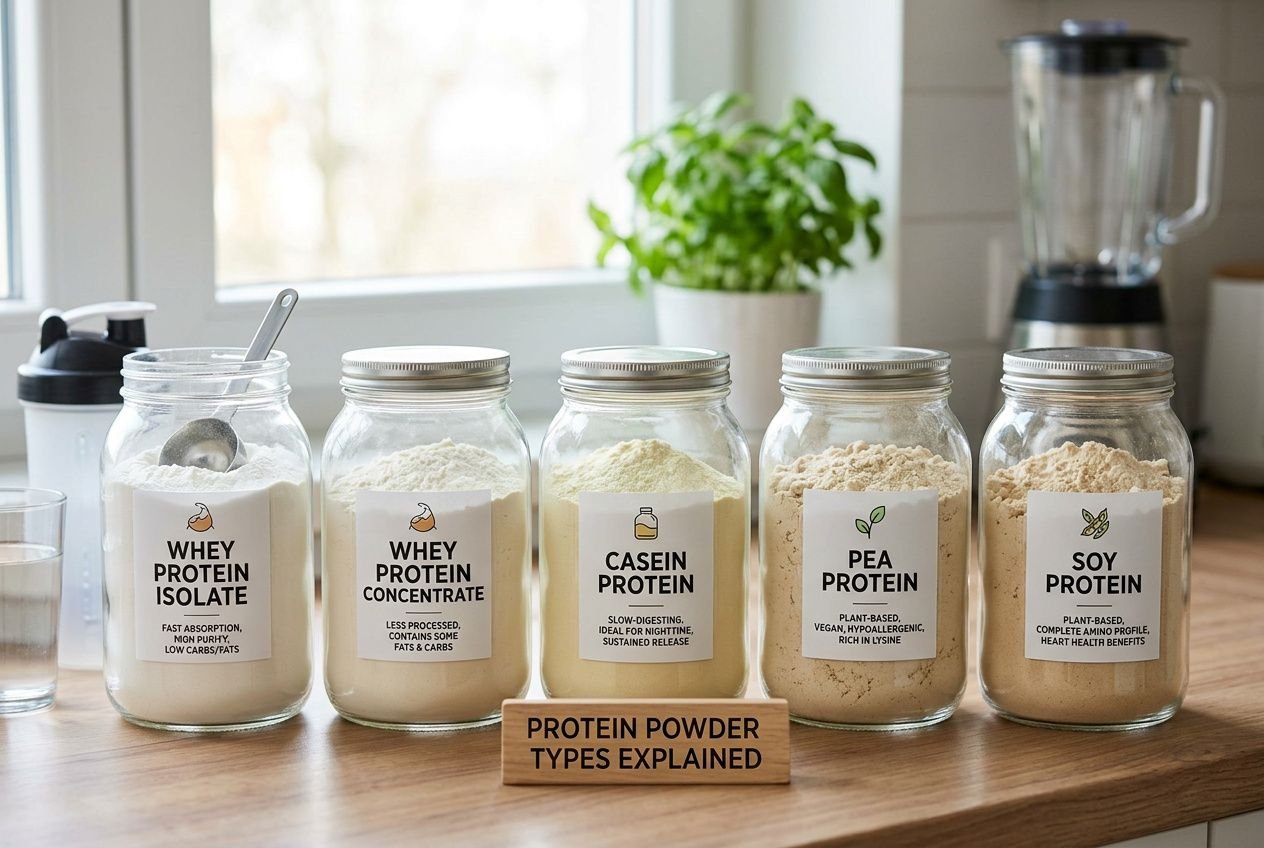
Whey protein concentrate typically contains 70-80% pure protein while retaining natural milk fats and carbohydrates. This process preserves a rich, creamy texture and delivers a complete amino acid profile.
It's generally the most budget-friendly protein powder available, making it an excellent choice for those new to supplements or watching their spending.
- Whey protein concentrate: Provides 70-80% protein along with natural fats and carbs, offering a creamy texture ideal for general fitness enthusiasts.
- Whey protein isolate: Undergoes additional filtration to achieve over 90% purity, reducing fat, carbs, and lactoseideal for low-carb diets.
- Whey protein hydrolysate: Contains pre-digested peptides for rapid absorption, making it perfect for quick recovery after intense workouts.
Whey protein isolate is processed through extra filtration to achieve more than 90% purity with minimal non-protein components. This high quality makes it especially suitable for those with lactose intolerance or following low-carb diets.
The isolate form effectively removes excess fats and carbohydrates while preserving essential amino acids necessary for muscle repair and sustained growth.
Clear whey isolate: a refreshing modern format
Clear whey protein combines high purity with a specialized process that eliminates the typical creamy consistency. It delivers around 24g of protein in a light, juice-like beverage rather than a thick shake.
Being fat-free and sugar-free, it stands out as one of the most refreshing protein powder types available. It offers a lighter alternative to traditional, heavier formulas.
The clear whey protein format particularly appeals to those who dislike thick shakes but still want high-quality protein. Unlike standard whey protein powder, it blends effortlessly with cold water or fresh fruit.
You can even freeze it for a delicious protein-packed treat, or mix it with cold tea for enjoyable variety without sacrificing nutritional value.
This innovative drink addresses common issues like bloating and the desire for light hydration. The specialized processing removes unwanted fats and lactose while maintaining high protein content.
Athletes frequently choose these products for their pleasant taste and ease of digestion. Clear whey isolate serves as a fantastic daily supplement beyond simple post-workout recovery.
How to choose the right processing form
Selecting among the various types of protein powder involves evaluating your training regimen, dietary restrictions, and budget. Beginners without dairy sensitivities often do well with straightforward concentrate options.
Standard whey offers comprehensive nutrition at a low cost, supplying adequate protein for muscle development without the added expense of extra processing.
Those with strict dietary goals should consider whey protein isolate for its superior purity and digestibility. The isolate form provides a cleaner nutritional profile, especially beneficial during cutting phases.
Elite athletes requiring rapid nutrient uptake might explore protein hydrolysate. Although more expensive, it effectively supports rigorous and demanding training schedules.
Assess your personal needs to determine the best protein powder for your routine. Factor in considerations like lactose sensitivity, budget constraints, and taste preferences.
If you prefer refreshing beverages during warmer months, clear whey isolate could be an appealing choice. Being honest with yourself about your goals will help you find the ideal supplement for your fitness journey.
Are there different types of protein powder beyond whey protein?
Yes, there are many types of protein powder that go well beyond standard whey options. Each of these distinct types of protein comes from a different source, offering its own unique nutritional profile and specific benefits. Taking the time to explore these alternatives can help you find the option that best suits your dietary needs and personal fitness goals.
Whey, casein, and blended protein powders
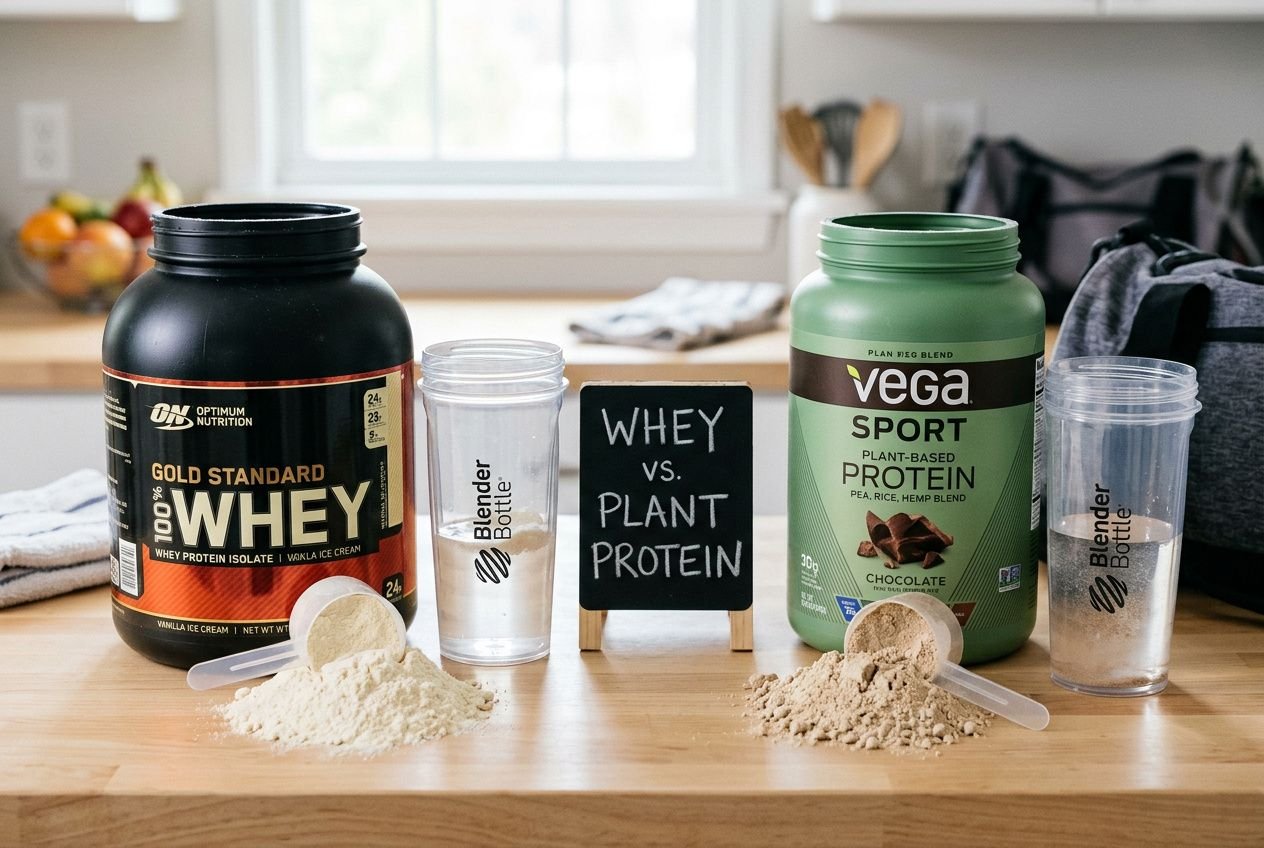
Understanding the different types of whey protein powder makes it clear why whey remains such a popular choice for muscle building. Whether you choose whey concentrate, whey protein isolate, or fast-absorbing hydrolysate, all three deliver impressive amino acid profiles. On the other hand, casein protein offers a complementary approach, releasing nutrients slowly and steadily over a much longer period.
| Protein Type | Protein Content | Absorption Speed | Best Use Case | Digestive Profile |
| Whey Concentrate | 70-80% | Fast (30-60 min) | Post-workout, general fitness | Contains natural fats and carbs |
| Whey Isolate | 90%+ | Fast (30-60 min) | Lactose-intolerant, low-carb diets | Minimal fat and lactose |
| Whey Hydrolysate | 90%+ | Fastest (15-30 min) | Elite athletes, rapid recovery | Pre-digested peptides |
| Casein Protein | 90%+ | Slow (6-8 hours) | Nighttime, appetite control | Forms stomach gel, sustained release |
| Whey-Casein Blend | 85-90% | Mixed (fast then slow) | Muscle building and maintenance | Combined benefits, creamy texture |
Casein protein accounts for roughly 80% of the protein found in cow's milk. Once digested, it forms a gel in the stomach that releases amino acids gradually over six to eight hours. This slow, sustained delivery makes it ideal for overnight muscle recovery, and it tends to keep hunger in check far more effectively than most whey protein options.
Plant-based protein powders and their differences
So, are there different types of protein powder that work well for vegan athletes? Absolutely. Today's plant-based protein powders have advanced significantly and can now offer complete amino acid profiles that stand up well against traditional whey protein. The leading options include pea protein, rice protein, soy protein isolate, and hemp protein, each bringing its own distinct nutritional strengths.
- Pea protein: Rich in BCAAs and naturally hypoallergenic, it's a strong supporter of muscle growth. It also pairs well with rice protein to form a more complete amino acid profile.
- Rice protein: Easily digestible and quickly absorbed by the body. When combined with a pea protein isolate, it supplies all the essential amino acids your body needs.
- Soy protein isolate: A complete plant-based protein that contains all nine essential amino acids. This soy protein is great for recovery, though it's not suitable for those with soy allergies.
- Hemp protein: Provides a valuable source of omega-3 fatty acids and dietary fiber. While hemp protein isn't a complete protein on its own, it adds meaningful nutritional variety to your routine.
Blending pea and rice protein together creates a remarkably well-rounded nutritional profile. Many premium plant-based protein powders also include supporting ingredients such as acacia fiber and essential vitamins. This all-in-one approach makes them excellent choices for muscle building, often performing on par with a high-quality whey isolate.
Beyond the basics, the vegan protein powder category reflects just how far dietary innovation has come. High-quality plant-based formulas remove common concerns like bland flavor or digestive issues related to lactose. Thanks to advanced isolate technology, athletes following a plant-based diet can now build muscle just as effectively as those relying on traditional whey protein concentrate.
Recommended products


Which Protein Powder Type Matches Your Fitness Goal
Finding the right protein powder means aligning its specific characteristics with your fitness objectives and dietary needs. Different goals require distinct protein sources, absorption speeds, and nutritional compositions. We'll help you choose the best option based on evidence-backed recommendations.
Best Protein Powder Types for Muscle Gain
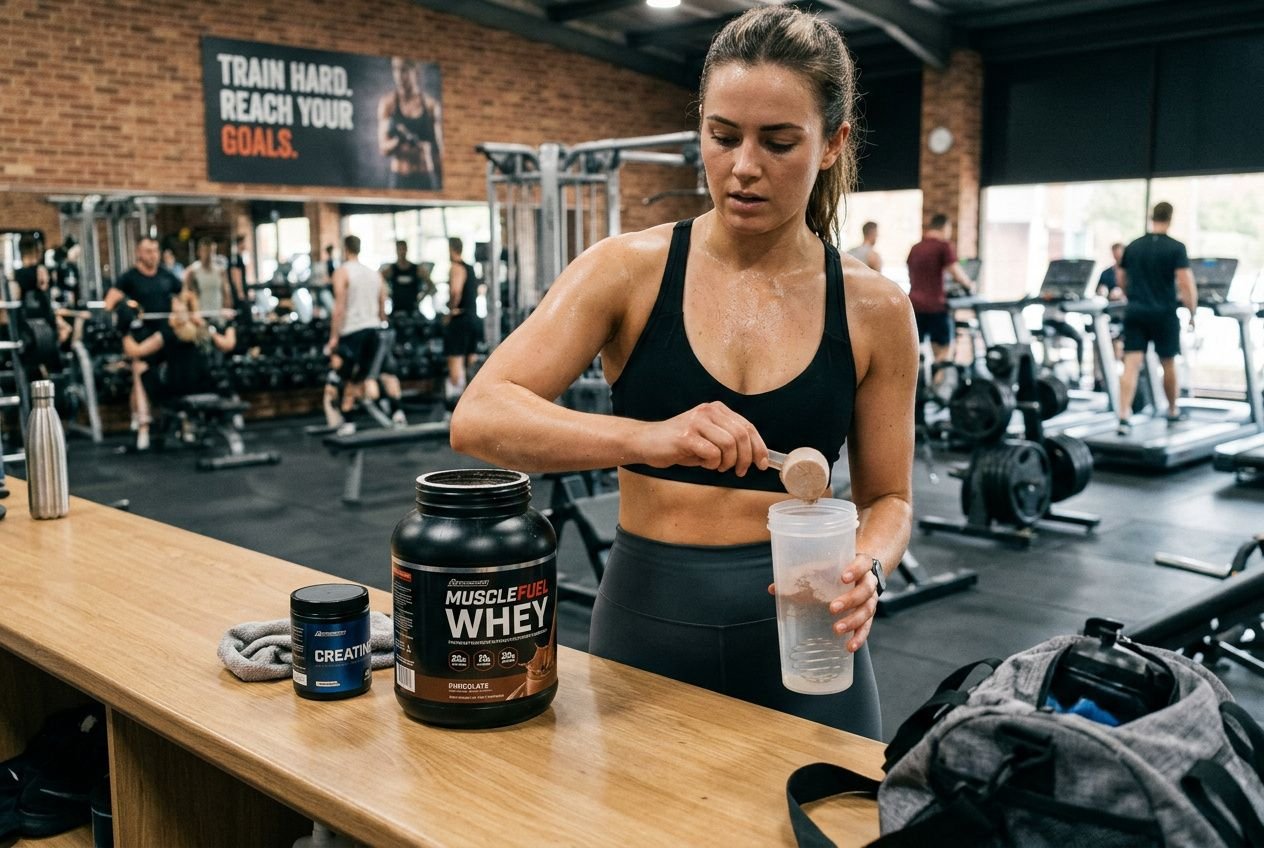
What are the different kinds of protein powder that specifically support muscle growth? Fast-absorbing, complete proteins with high leucine levels deliver the most effective muscle-building results. Whey protein isolate and whey protein concentrate are top choices due to their ability to rapidly stimulate muscle protein synthesis.
- Whey protein concentrate: An affordable option providing a complete amino acid profile. It contains natural fats and carbohydrates, making it excellent for beginners.
- Whey protein isolate: A premium selection offering maximum purity and very low lactose content. It's ideal for athletes monitoring carbohydrate intake or those in advanced training stages.
- Mass gainer formulas: Specialized supplements combining protein with high carbohydrate content. They supply extra calories for trainers requiring a substantial energy surplus.
- Whey-casein blends: These mixtures combine fast-acting whey protein with slow-digesting casein. They deliver both immediate and sustained amino acid release for comprehensive recovery.
Proper timing significantly enhances your muscle-building outcomes. Consuming whey protein or whey concentrate immediately post-workout maximizes muscle protein synthesis. For dedicated athletes, the whey casein blend provides rapid amino acids from whey concentrate combined with the steady release from casein.
Protein Powder for Weight Loss and Diet Support
The types of protein powder for muscle gain differ significantly from those used for weight management. Casein protein and plant-based protein powders excel at supporting weight loss by promoting prolonged satiety. For example, pea protein helps suppress appetite before meals while offering a lean, fiber-rich nutritional profile.
Strategic timing provides significant benefits for weight loss diets. Consuming casein or plant-based protein before meals increases feelings of fullness, helping you reduce portion sizes. Taking casein protein at night can also prevent late-night cravings while protecting lean muscle mass during calorie restriction.
Choosing Isolate or Blend for Your Diet Needs
A pure protein isolate delivers high protein concentration with minimal additional carbohydrates or fats. This makes isolates perfect for strict diet tracking and competition preparation. Meanwhile, blends offer mixed benefits, so your choice depends on whether you prioritize simple macronutrient tracking or comprehensive recovery support.
- Isolate advantages: Provides maximum protein content and minimal lactose. Perfect for precise dietary tracking and cutting phases.
- Blend advantages: Offers synergistic muscle-building effects and improved appetite control. Excellent for long-term sustainability in daily supplementation.
- Clear whey advantage: A refreshing alternative without the creamy thickness. Ideal for warm-weather workouts or when you prefer a lighter, juice-like protein drink.
Consider your daily routine when exploring the different types of protein powder. Athletes following strict macro targets will appreciate the precision of pure isolates. Conversely, those seeking steady recovery benefits should consider blends or plant-based protein formulas for sustainable, long-term success.
Frequently Asked Questions
The main difference lies in their purity and composition. A standard whey protein concentrate typically contains 70-80% protein, along with natural fats and carbohydrates, which gives it a creamier texture. On the other hand, whey protein isolate goes through an intensive filtration process to remove most of this extra content, resulting in a product that is over 90% pure protein. This process also strips away almost all the lactose and fat.
If you're on a budget and don't have issues with dairy, whey concentrate can be an excellent and effective choice for building muscle. However, if you're looking for the highest protein content per serving with minimal carbs and fat, or if you're sensitive to lactose, then whey isolate is the superior option. Both are complete proteins, but the isolate provides a much cleaner source.
Absolutely. Advances in formulation now allow plant-based protein powders to be just as effective for building muscle as their dairy-based counterparts. The key is in blending complementary proteins, such as pea protein and rice protein, to create a protein powder that delivers a complete and robust amino acid profile.
Pea protein is rich in essential BCAAs, while rice protein helps ensure the mix is rapidly digested and nutritionally comprehensive. These high-quality plant-based options are ideal for vegans and perform exceptionally well for any athlete. In many cases, they offer additional nutritional benefits, like more fiber, compared to standard whey.
Whey protein alone is highly effective for muscle growth because it's absorbed quickly and delivers aminos directly to your muscles. However, incorporating casein protein provides a distinct and powerful advantage. Casein is digested very slowly, leading to a steady, prolonged release of amino acids into your bloodstream.
This sustained release is crucial for preventing muscle breakdown over long periods, like while you sleep or between meals. While beginners can achieve great results with a more affordable option like whey concentrate, serious athletes often find that combining fast-acting whey isolate with slow-release casein provides the most complete recovery and growth support.
Share this article: