
Shopping Cart
Gaba for sleep and anxiety: how this neurotransmitter calms nerves


GABA supplements deliver the brain’s main inhibitory neurotransmitter, helping to calm overactive neural circuits. This calming effect promotes relaxation, eases nervous tension, and encourages healthier sleep patterns. Each capsule contains 500 mg of pure GABA and 2 mg of vitamin B-6, which helps enhance GABA’s natural effectiveness. Produced in a GMP-certified facility and free of common allergens, this supplement offers an accessible way to support your nervous system. For best results, take one capsule two to three times daily on an empty stomach to maximize absorption.
In this guide, we’ll explore the specific benefits of GABA supplements, how this important neurotransmitter functions, and what the latest research reveals about its role in easing anxiety and improving sleep.
What is GABA and how does it work
GABA—short for gamma-aminobutyric acid—is the central nervous system’s primary calming chemical. It works by balancing out excitatory signals, helping your mind ease into a state of stillness essential for deep relaxation and restful sleep.
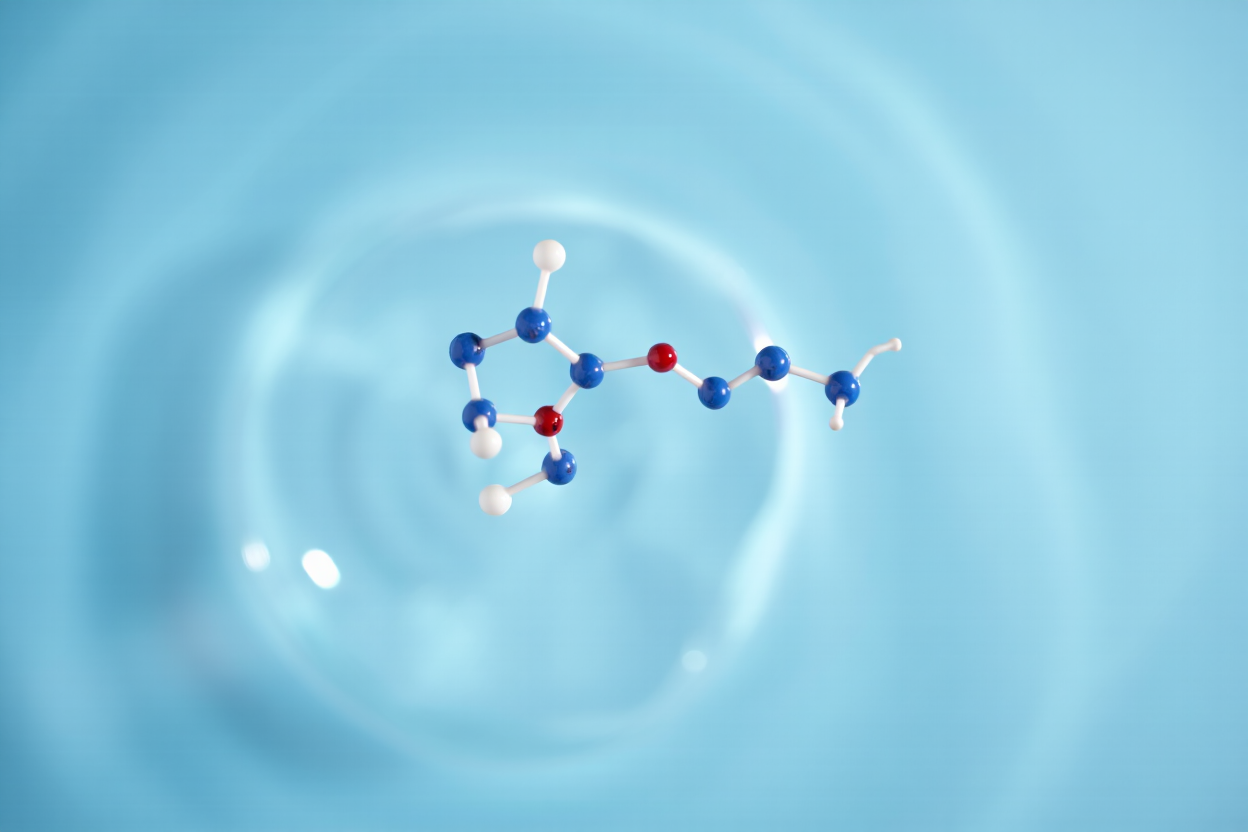
GABA as the brain's main calming messenger
The GABA neurotransmitter is the central nervous system’s primary inhibitory force. It acts by binding to specialized GABA-A and GABA-B receptors located throughout the brain and spinal cord. Once attached, it triggers a calming effect by reducing the chance that neurons will fire, which effectively lowers overall neural excitability.
- Receptor binding mechanism: GABA molecules bind to specific receptor sites, prompting channels to open and quiet neuronal activity.
- Excitatory-inhibitory balance: GABA counteracts the stimulating effects of glutamate, helping maintain balanced brain signaling and prevent overstimulation.
- Widespread distribution: GABA receptors are found all across the brain, spinal cord, and enteric nervous system, influencing a wide range of bodily processes.
- Rapid neurotransmission: The calming effect occurs within milliseconds, offering almost immediate relief to the nervous system.
Without enough GABA, your brain can get stuck in a state of high alert, making true relaxation difficult and quality sleep hard to achieve. Vitamin B-6 plays a crucial role here—it’s essential for the enzyme that converts glutamate into GABA, so keeping your B-6 intake adequate is key for healthy neurotransmitter production.
How GABA reduces neural excitability and stress
As an inhibitory neurotransmitter, GABA directly lowers the firing rate of neurons across the nervous system, especially in stress-reactive regions like the amygdala. This dampening effect helps prevent adrenaline surges and stress hormone spikes that often trigger anxiety or panic.
Elevated GABA activity encourages the autonomic nervous system to shift into a relaxed state. This slows heart rate, eases muscle tightness, and reduces blood pressure. The result is a profound sense of calm and mental clarity—ideal conditions for winding down and falling asleep.
Health conditions linked to low GABA levels
Poor GABA signaling is associated with numerous neuropsychiatric and metabolic disorders. When inhibitory activity is too low, the brain becomes prone to over-excitement, emotional instability, and persistent sleep disruption.
- Anxiety disorders: Research shows that generalized anxiety, panic disorder, and social anxiety are often linked to reduced GABA receptor function and lower GABA levels.
- Sleep disorders: Insomnia and poor sleep quality frequently occur when there isn’t enough GABA to quiet the brain’s wake-promoting systems.
- Movement disorders: Conditions such as dystonia, tremors, and epilepsy often involve impaired GABAergic signaling and may benefit from medical or supplemental support.
Emerging evidence also indicates that low GABA levels may contribute to hypertension, type-2 diabetes, and chronic pain. Supporting GABA activity through supplementation offers a promising, research-backed approach to enhance nervous system function and improve emotional resilience.
How GABA supplement products support calmness
GABA supplements work by delivering a concentrated dose of this essential neurotransmitter directly to your system. Once ingested, these supplements interact with both your central nervous system and peripheral nerve pathways, helping to naturally promote a sense of relaxation and support deeper, more restorative sleep.
Mechanism and bioavailability of oral GABA
Today’s GABA supplement market offers a variety of options, typically providing between 250 and 750 mg per serving. Many are enhanced with vitamin B-6 to help support the body’s own GABA synthesis. When taken orally, GABA primarily engages with the abundant GABA receptors located in the enteric nervous system of the gut—which is in constant communication with the brain.
Although early research suggested that GABA couldn't effectively cross the blood–brain barrier, more recent studies have identified a specialized transport system that allows a limited amount to pass through. Even though the amount that enters the brain is relatively small, it can still produce a noticeable calming effect. Additionally, activating peripheral GABA receptors stimulates the vagus nerve, leading to downstream effects on the central nervous system through gut-brain communication.
Typical dosages and recommended usage protocols
Standard oral GABA dosages usually fall between 150 mg and 800 mg per day, with 500 mg being the most widely studied amount in clinical research. Many people find that taking one 500 mg capsule on an empty stomach about 30–60 minutes before bedtime offers the most noticeable benefits for sleep support.
- Daily timing: For optimal absorption and effect, take your GABA supplement with water or juice while your stomach is empty.
- Sleep protocol: To help you fall asleep faster, take one capsule approximately 30–60 minutes before you plan to go to bed.
- Anxiety management: For quick relief in moments of stress, take a capsule before challenging events or high-pressure situations.
- Combination formulas: Supplements that combine GABA with ingredients like magnesium, L-theanine, or vitamin B-6 may offer enhanced benefits through synergistic support.
A single bottle containing 200 capsules of 500 mg GABA (often with added B-6) can last between 100 and 200 days, depending on how frequently you use it. Clinical studies support this dosage range, showing modest but meaningful improvements in anxiety levels and sleep onset when compared to a placebo.
Safety considerations and who should avoid GABA
For most healthy adults, short-term use of GABA is considered safe. Side effects—such as mild drowsiness or temporary brain fog—are uncommon and usually occur only at higher doses. That said, certain individuals should avoid GABA supplementation unless under medical supervision, including pregnant or breastfeeding women, children, and people taking sedatives or blood pressure medications.
To ensure product quality, look for third-party certifications like NSF or Informed-Choice, which verify label accuracy and purity. Reputable GABA supplements often use hypromellose capsules, are free from major allergens, and are produced in GMP-certified facilities for consistency. As with any supplement, it’s best to consult a healthcare provider before combining GABA with other supplements or prescription drugs.
Benefits of GABA for Sleep and Anxiety Relief
Modern research confirms that the benefits of GABA go far beyond simple relaxation. As a targeted GABA supplement, this calming neurotransmitter improves sleep quality, eases anxiety, and enhances overall nervous system resilience without causing morning grogginess.
How GABA Promotes Faster Sleep Onset and Deeper Rest
The primary nervous system effects of GABA include inhibiting excessive excitatory signals, quieting amygdala-driven stress circuits, and helping the brain transition smoothly into restorative non-REM sleep. In various studies, participants using timely GABA administration fell asleep 10–30 minutes faster and experienced fewer nighttime awakenings.
- Reduced sleep latency: Most people fall asleep 15–20 minutes faster after taking 300–500 mg.
- Deeper sleep architecture: Higher GABA levels support slow-wave sleep, the phase crucial for tissue repair and memory consolidation.
- Morning refreshment: Despite spending the same or even less time in bed, users wake up feeling significantly more alert.
A double-blind trial published in the Journal of Clinical Psychiatry found that total sleep time increased by around 20 minutes, with significant improvements in subjective sleep quality. These results demonstrate that GABA for sleep is most effective when taken 30–60 minutes before bedtime, with 500 mg offering a good balance between efficacy and avoiding excessive sedation.
By quieting racing thoughts and mental rumination, GABA creates an internal state that naturally encourages sleep. This gentle calming effect helps the mind unwind, setting the stage for a restful, uninterrupted night.
Anxiety Reduction Through Nervous System Calming
GABA's anxiety-reducing power comes from the same mechanisms that improve sleep: it decreases cortical hyperactivity and shifts the body toward a parasympathetic state. Controlled research indicates that 150–300 mg can lower self-reported anxiety levels without causing cognitive impairment or daytime drowsiness.
Objective biomarkers support these findings. Reduced salivary cortisol, more stable heart-rate variability, and lower chromogranin A levels all demonstrate GABA's measurable effect on physiological stress. Users often report a calmer mood, fewer worry cycles, and a greater sense of emotional balance within an hour of taking the supplement.
Athletic Performance and Recovery Support
Recent animal and human studies suggest that GABA may also benefit athletes. For instance, an investigation into a GABA endurance supplement showed longer treadmill run times after GABA activated the PGC-1α pathway, enhancing mitochondrial biogenesis and muscle glycogen storage.
- Growth-hormone increase: Single doses can temporarily raise GH levels, potentially supporting muscle repair and fat metabolism.
- Lower perceived exertion: Preliminary data suggest that taking 500 mg before a workout can reduce Borg scale ratings by one to two points.
- Enhanced recovery: Improved sleep from nighttime GABA supplementation supports hormone balance and immune function after intense training.
Athletes often combine GABA with protein, magnesium, and B-vitamins to maximize post-exercise recovery. By reducing cortisol-driven catabolism, the effect of GABA indirectly supports strength, muscle growth, and overall training adaptation.
Recommended products

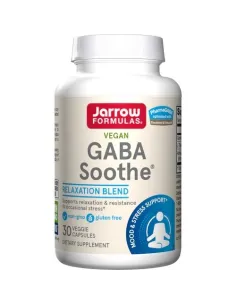
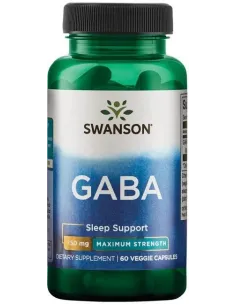
Natural Sources and Dietary Ways to Boost GABA
While taking a GABA supplement provides a direct and concentrated dose, you can also support your body's own production through thoughtful lifestyle and dietary choices. A holistic approach that combines supplements, fermented foods, and habits that nurture your microbiome can significantly enhance GABAergic signaling throughout your nervous system.

Fermented Foods and GABA-Rich Vegetables
Some of the best natural GABA sources are fermented foods like kimchi, tempeh, miso, natto, and certain teas, as the fermentation process naturally boosts their GABA levels. These traditional foods deliver GABA along with beneficial enzymes and probiotics that actively support your digestive health.
- Kimchi: This Korean staple of fermented vegetables provides between 80-140 mg of GABA per 100g serving and also contains stress-reducing capsaicin.
- Tempeh: A versatile fermented soy product offering 20-30 mg of GABA per 100g, plus it's a great source of complete protein and B-vitamins.
- Miso paste: A traditional fermented seasoning that provides roughly 5-10 mg of GABA per tablespoon, along with a rich umami flavor and gut-friendly probiotics.
Beyond these fermented options, common vegetables and legumes like brown rice, soybeans, spinach, and mushrooms are excellent sources of dietary GABA and its building blocks. These whole foods deliver GABA along with fiber and essential minerals that are crucial for maintaining a healthy nervous system.
| Food source | GABA content (mg/100g) | Additional benefits |
| Kimchi | 80-140 | Probiotics, capsaicin, digestive enzymes |
| Tempeh | 20-30 | Complete protein, B-vitamins, minerals |
| Spinach | 4-8 | Magnesium, folate, antioxidants |
| Brown rice | 3-5 | Fiber, B-vitamins, minerals |
| Mushrooms | 2-4 | Beta-glucans, vitamin D, antioxidants |
Probiotics and Gut-Brain Axis GABA Production
Certain probiotic strains, including Lactobacillus rhamnosus and Lactobacillus brevis, have the remarkable ability to produce GABA directly within your gut. These beneficial bacteria convert the amino acid glutamate into GABA, effectively creating a local supply of this calming neurotransmitter right in your digestive tract.
Because fermented foods naturally contain these specific bacterial strains, they are often a more effective choice than isolated supplements for promoting long-term microbiome health. Animal studies have shown that GABA produced by Lactobacillus can reduce anxiety-like behavior, demonstrating a powerful, direct link between gut bacteria and brain function via the vagus nerve.
To build a microbiome that can help you naturally boost GABA, aim to consume fermented foods daily. Pair them with a quality probiotic and prebiotic-rich foods like garlic or bananas. This comprehensive strategy supports your body's intrinsic production through the gut-brain axis, potentially offering a profound calming effect that may even rival direct GABA administration.
Scientific Evidence and Effect of GABA Supplements
GABA functions as the chief inhibitory neurotransmitter in the brain, slowing down neural activity to help reduce feelings of anxiety and stress while supporting better sleep. Although its direct passage into the brain is limited by the blood-brain barrier, many individuals still explore GABA supplement benefits for issues like insomnia and hypertension, even though the full scope of scientific evidence remains somewhat inconclusive.
While these supplements show promise for managing anxiety and improving sleep, the current body of research presents mixed and sometimes incomplete findings. It is important to distinguish between actual scientific evidence and the bold assertions often made in marketing to make well-informed decisions about supplementation.
What Current Research Reveals About GABA Effectiveness
Published GABA research in major journals documents modest yet measurable improvements in anxiety scores and a reduced time to fall asleep compared to a placebo. Clinical trials indicate that a 500 mg dose of GABA can shorten sleep onset time by approximately 10 to 20 minutes. While these results are statistically significant, the overall change in sleep duration is often viewed as clinically modest.
Studies monitoring stress biomarkers have observed favorable changes in salivary cortisol levels and heart-rate variability following an acute dose of GABA. These objective measurements suggest that the calming effect of GABA on the body's physiology is genuine and extends beyond a simple placebo response, supporting its potential role in general stress management and sleep support.
Limitations and Gaps in Existing Studies
The scientific evidence for GABA supplement efficacy is unfortunately constrained by several methodological shortcomings. A significant gap is that no human studies have directly measured changes in brain GABA levels following oral supplementation using advanced imaging techniques, leaving questions about its central penetration largely unanswered.
- Small sample sizes: The majority of GABA studies involve only 20 to 50 participants, which limits their statistical power and makes it difficult to generalize the findings to a broader population.
- Industry funding bias: A considerable amount of GABA research is sponsored by supplement manufacturers, which can potentially introduce financial conflicts of interest and bias into the reported results.
- Variable methodologies: Inconsistent dosing protocols and the use of different participant groups across studies prevent clear and meaningful comparisons of the data.
- Limited long-term data: Most research focuses on short-term effects over a few days, rather than examining the safety and efficacy of prolonged use over months or years.
There is also a lack of sufficient long-term safety data for more vulnerable groups, including pregnant women, the elderly, and children. Since most existing studies exclude these populations, healthcare providers cannot offer strong, evidence-based recommendations for them.
Furthermore, individual responses to a GABA supplement can vary dramatically. Some users report a pronounced calming effect, while others notice no change at all. This inconsistency suggests that genetic factors or differences in absorption may influence its efficacy, though these elements are still not well understood by science.
Future Research Directions and Synergistic Approaches
New research is beginning to explore combined interventions to overcome the challenge of GABA's poor ability to cross the blood-brain barrier. For instance, animal studies show that pairing GABA with L-arginine significantly increased brain GABA levels, likely by modulating the barrier's permeability. This promising approach warrants further investigation in human trials.
Additional studies on vagus nerve stimulation demonstrate that activating this nerve raises GABA levels in cerebrospinal fluid, lending support to the gut-brain axis theory. Future GABA research should investigate whether combining a GABA supplement with probiotic foods or vagal stimulation techniques yields superior results compared to taking the supplement alone.
Frequently Asked Questions
Clinical evidence suggests that taking GABA supplements can offer modest improvements for both sleep and anxiety in many individuals. Current research shows that users often fall asleep about 10 to 20 minutes faster and experience meaningful improvements in their anxiety scores compared to a placebo.
However, the effect can vary widely from person to person. Some people notice a pronounced calming sensation, while others may only see minimal benefits. High-quality formulations that combine GABA with magnesium or vitamin B-6 typically yield better results than taking GABA on its own.
Although not as strong as prescription sedatives, GABA supplements provide a natural approach to support the nervous system with very few side effects, making them a helpful option for managing daily stress.
Increasing GABA often goes beyond pure GABA supplement capsules. One effective strategy is taking Vitamin B-6, which is essential because it acts as a co-factor for the enzyme that helps convert glutamate into GABA.
Magnesium also plays a key role—it supports healthy receptor function and neurotransmitter release in your nervous system. L-theanine, an amino acid found in green tea, works well with GABA to promote relaxation without sedation.
Probiotics containing Lactobacillus strains may help boost GABA production in the gut, and herbs like valerian root complement its calming effect. Overall, a combined supplement approach often works better than relying on a single ingredient for optimizing GABA levels.
Taking GABA supplements is generally safe for most healthy adults and comes with very few side effects when used at recommended doses. Some people might experience drowsiness or brief brain fog if they take more than advised, but these symptoms usually fade quickly.
Special groups—such as pregnant or nursing women and children—should avoid GABA unless a healthcare provider approves it, since safety research is limited for these populations. While supplements can be helpful, the cost may add up over time. As an alternative, eating fermented foods can offer a more sustainable way to support natural GABA production.
It’s also important to note that results can vary: some people might not feel much benefit even with proper dosing. Lastly, supplements work best as part of a broader approach—ignoring lifestyle factors like stress management or sleep habits can reduce their long-term effectiveness.
Share this article: