Shopping Cart
Best protein powder for weight loss: a complete buying guide


Finding the right protein powder for weight loss starts with understanding how protein fuels your body's fat-burning processes. Scientific reviews confirm that following a high protein diet providing roughly 1.2–1.6 g of protein per kilogram of body weight daily, and at least 25–30 g per meal boosts feelings of fullness, preserves lean muscle, and improves key health markers. These high protein low calorie plans consistently lead to greater reductions in body fat and waistlines compared to lower-protein diets. Using a protein powder helps you reach these targets easily and supports effective weight management.
Whether you're just beginning your journey or fine-tuning an existing routine, a high protein, low- calorie protein powder delivers tangible results when combined with consistent exercise and moderate calorie restriction. By meeting your daily protein goals, you can manage hunger better, protect muscle while dieting, and accelerate overall weight loss.
Why protein powder supports effective weight loss
Protein powder for weight loss is effective because protein has a higher thermic effect than carbs or fats; your body burns approximately 20–30% more calories digesting it. Adequate protein intake therefore increases your resting energy expenditure, allowing you to burn extra calories throughout the day. Exercise enhances this benefit, but the boost occurs even when you're at rest.

How protein powder boosts metabolism and fat loss
The best protein powder for weight loss provides concentrated amino acids that stimulate the pathways responsible for fat burning. Studies indicate that high protein diets result in roughly 3 kg more fat loss than standard-protein diets, even when total calorie intake is the same. This benefit comes from multiple effects: increased release of satiety hormones, improved muscle protein synthesis, and better insulin sensitivity during a calorie deficit.
- Increased thermic effect: Extra protein raises your resting metabolic rate by about 2–3%, promoting continuous calorie burn.
- Appetite control: Protein triggers hormones that increase fullness, reducing spontaneous snacking and late-night cravings.
- Fat-oxidation support: Amino acids encourage your body to use stored fat, especially after workouts, for energy.
Because protein powder prolongs satiety, it helps prevent overeating, which can sabotage weight loss efforts. Staying satisfied for longer periods keeps your energy stable and makes it easier to maintain a reduced- calorie eating plan.
Satiety, muscle preservation, and long-term results
Preserving lean muscle is the key advantage of using whey protein isolate, whey protein, or another protein isolate during calorie restriction. Meeting the 1.2–1.6 g/kg/day protein range minimizes muscle loss, which helps prevent the metabolic slowdown often seen with dieting. Without sufficient protein, your body breaks down muscle for energy, lowering your metabolic rate and hindering future progress.
Higher-protein weight loss diets also lead to meaningful improvements in triglycerides, blood pressure, and waist circumference. Consistency is crucial: participants who met their protein targets at least 80% of the time lost about 5% of their body weight, compared to only 2% in less consistent groups. For a 70 kg adult, this means aiming for 84–112 g of protein dailyor roughly 28–37 g per meala target that whey protein isolate or a blended protein powder makes simple to achieve.
What type of whey protein powder is best for weight loss
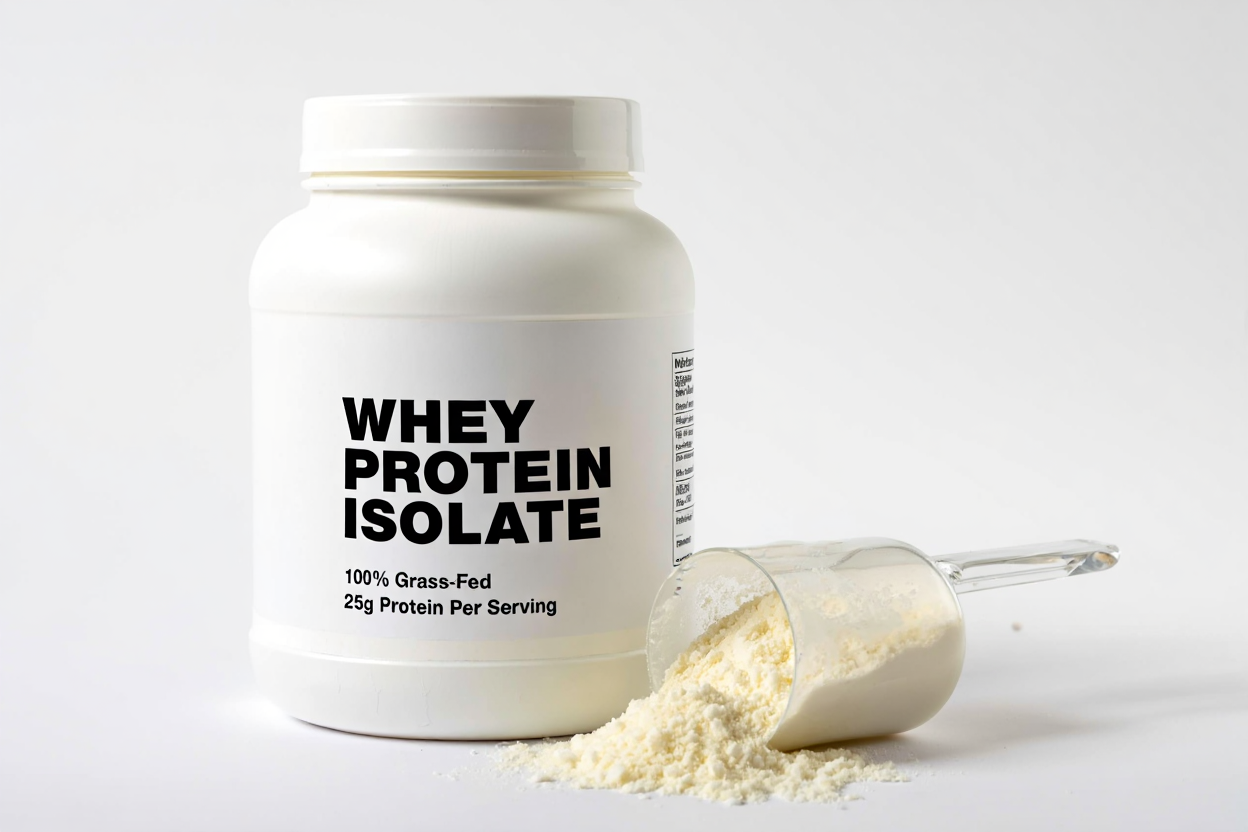
Finding the right protein powder is a key factor in successful, long-term weight loss, as each type offers unique benefits for burning fat and preserving muscle. Whey protein isolate is often considered the top choice: it contains approximately 90% protein by weight with minimal carbs, fats, or lactose, giving you the most high protein content per calorie. Its fast absorption rate makes this type of whey protein powder especially effective after a workout when your muscles are primed to absorb amino acids and recover.
Across the UK, whey isolate products are widely available in formulas that support low-carb or low-calorie diets while helping you maintain strength. Because each scoop is packed with protein yet low in calories, you can meet your daily protein targets without exceeding your calorie deficit. In summary, choosing a clean whey isolate allows you to increase high protein intake, lose fat, recover efficiently, and steer clear of digestive issues sometimes caused by lactose.
Whey protein isolate vs. Casein for fat loss
Whey isolate enters the bloodstream quicklywithin 30–60 minutesproviding fast-acting amino acids that aid recovery and prolong feelings of fullness, which is especially helpful during weight loss. When shoppers in the UK look for a protein powder for weight loss, isolates often come out on top because they offer a superior protein-to-calorie ratio with almost no lactose. A standard 30g scoop typically provides 20–30g of protein and under 120 calories, fitting well within the macros for an effective diet plan.
Casein, on the other hand, is digested slowlysometimes over seven hourswhich helps reduce late-night cravings and protects muscle while you sleep. However, it tends to have slightly more carbohydrates than a pure protein isolate. Many people combine whey isolate post-workout with casein at bedtime, balancing fast recovery with prolonged satiety. This creates a steady supply of amino acids throughout the day and night, supporting consistent fat loss.
| Protein Type | Digestion Speed | Protein % | Best Timing | Ideal For |
| Whey Isolate | 30-60 minutes | 90% | Post-workout | Rapid recovery, calorie control |
| Whey Concentrate | 60-90 minutes | 70-80% | Morning/post-workout | Budget-friendly option |
| Casein | 6-7 hours | 80% | Evening/bedtime | Extended satiety, nighttime |
| Protein Blend | Variable (2-4 hours) | 80-85% | Anytime | Sustained amino acids |
| Egg Protein | 3-4 hours | 85% | Anytime | Dairy-sensitive individuals |
Best protein powder for weight loss for specific female needs
Women often face hormonal changes that can increase hunger and slow down fat loss, especially during peri- or post-menopause. The best protein powder for weight loss for females often features whey isolate or a balanced blend with added fiber, CLA, and other metabolism-boosting ingredients to help control appetite. These formulas provide high protein content while keeping calorie counts low, making it easier to navigate hormonal weight management.
Vegan options are also availablesuch as plant-based blends that combine pea and hemp proteinoffering all nine essential amino acids and around 20g of protein per 30g serving. Egg-white protein is another excellent choice for those avoiding dairy and legumes, providing a lactose-free, high protein, low-calorie option rich in BCAAs to help preserve muscle while you’re in a calorie deficit.
- Hormonal appetite control: Whey isolate can help stabilize blood sugar levels and reduce cravings caused by hormonal shifts.
- Muscle retention in a deficit: A high protein intake helps protect lean muscle mass, keeping your metabolism active even as you lose fat.
- Added fiber for fullness: Protein powders enhanced with fiber boost feelings of fullness, making it easier to maintain a calorie deficit without constant hunger.
For many women, a whey isolate or blended protein powder that includes CLA, fiber, and BCAAs is the best protein powder for weight loss, delivering noticeable results within 4–6 weeks when combined with regular exercise and balanced nutrition.
Key fat-burning ingredients to look for on the label
Premium protein powder for weight loss often includes science-backed ingredients that amplify fat-burning effects beyond the protein itself. CLA can help boost your metabolic rate and improve fat oxidation, while L-Carnitine helps transport fatty acids into the mitochondria to be burned for energyincreasing calorie expenditure during and after exercise. Green tea extract, rich in EGCG, can elevate daily calorie burn by 3–5%, offering steady support for your weight loss efforts.
BCAA-rich whey isolate formulas also help spare muscle tissue, guarding against the metabolic slowdown that can hinder progress. Ingredients like AstraGin can enhance nutrient absorption, ensuring that every scoop of whey protein powder works at its full potential. When shopping, seek out weight loss protein powder products that feature these ingredientsit’s a sign of a well-rounded, effective formula rather than just a simple protein shake.
Recommended products
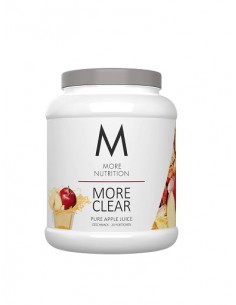
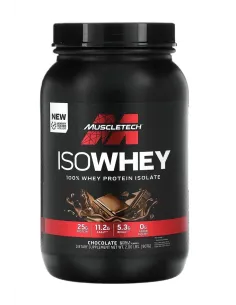


How to Use Protein Powder for Weight Loss Effectively
To successfully lose weight with protein powder, it's important to master the timing, serving size, and mixing techniques. Start by blending one scoop (about 30g) with 200–250ml of cold water or unsweetened almond milk. This gives you roughly 20g of protein and 80–100 calories. Keeping each protein shake under 150 calories allows you to enjoy multiple servings throughout the day without exceeding your daily calorie limit.
Stay away from high-calorie mixers like sweetened yogurt, fruit juice, or full-fat milkthese can quickly undo your planned deficit. This simple method helps reduce fat, maintain muscle, and makes it easier to stick with your goals long-term.
When to Take Protein Powder for Weight Loss
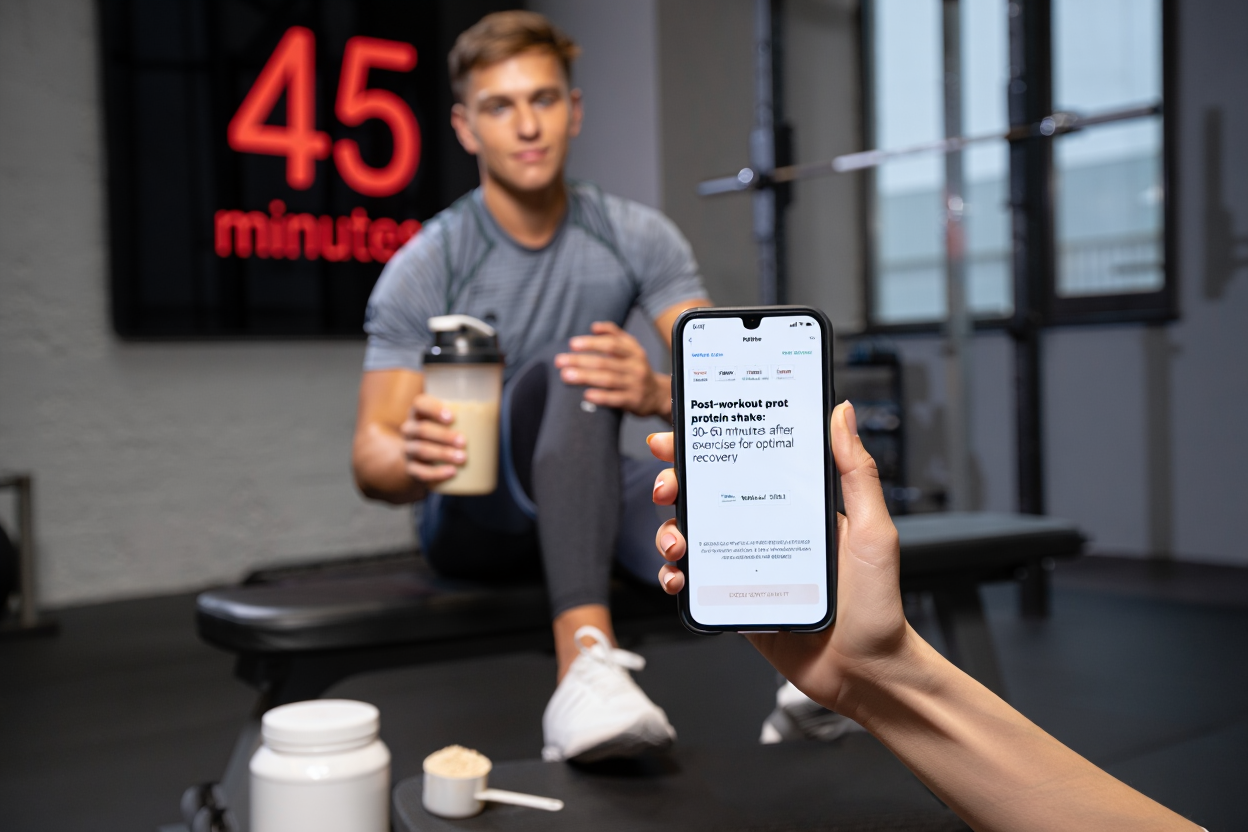
The most vital timing tip is to drink a protein shake within 30 minutes after strength training. This period enhances muscle recovery, increases the thermic effect of food, and keeps your metabolism active while calories stay in check. Spreading smaller servings across the dayrather than one large doseimproves digestion, extends fullness, and highlights the ideal timing for taking protein powder for weight loss.
- Post-workout: Mix one scoop right after your workout to speed up muscle repair and boost calorie burn during recovery.
- Breakfast substitute: Start your day with a shake along with fruit and nuts for a high-protein, moderate-calorie meal replacement that keeps hunger at bay.
- Mid-afternoon boost: A second serving three to four hours after lunch helps prevent energy dips and late-night cravings.
Spacing three servingsmorning, mid-afternoon, and eveninghelps maintain stable amino acid levels, keeps you feeling full, and spreads the metabolic boost throughout your day. Research indicates that dividing 60–90g of daily protein into three 20–30g servings increases satiety and enhances fat loss compared to having fewer, larger portions.
An evening shakeideally made with slow-digesting casein or whey isolate delivers amino acids over six to seven hours. This approach reduces overnight muscle breakdown, eases morning hunger, and provides sustained support for those who exercise early in the day.
Daily Dosage, Meal Integration, and Practical Tips
Aim for 80–120g of total protein each day from both food and supplements, distributed evenly across meals and snacks. For a 70kg person, this means roughly 28–37g per eating sessioneasily achieved by pairing one serving of protein powder with whole food sources. Flexibility is key; the main concepts behind how to use protein powder for weight loss are meeting your daily totals and spreading out your intake.
- Meal replacement plan: Replace one regular mealoften breakfastwith a protein shake plus fruit and healthy fats. This maintains nutrient balance while cutting calories.
- Smart snacking: Enjoy shakes between meals rather than using them to replace every meal. This ensures you still get vitamins, minerals, and fiber from whole foods.
- Liquid choices: Mix your powder with water or unsweetened almond milk, avoiding sugary juices or high-calorie dairy alternatives.
- Balanced pairings: Combine each shake with oatmeal, berries, or nuts to help stabilize blood sugar and avoid rebound hunger.
Consistency is crucial. Sticking to a 500-calorie deficit and a regular exercise routine for four to six weeks leads to visible changes in body composition. Studies show that participants who followed high-protein plans with at least 80% adherence lost around 5% of their body weight, while those with low adherence lost only 2%. Choosing a flavorful, convenient productnot just based on price significantly boosts your daily compliance and overall success.
How to Choose a Quality Protein Powder in the UK
When shopping, look for third-party certifications like ISO 22000, BRC, GMP, and Halalthese ensure safety testing and accurate labeling. For example, the Diet Whey weight loss range includes certified whey protein isolate along with thermogenic boosters such as CLA, L-Carnitine, and green tea extract. Natural sweeteners like stevia or sucralose minimize digestive issues compared to large doses of sugar alcohols.
Always check the ingredients list: make sure whey isolate or concentrate is listed first, avoid added sugars or palm oil, and look for absorption enhancers like AstraGin. Compare the price per serving rather than the total container costlarger two-kilogram packs often offer the best value. The weight loss protein selection on this site includes multiple certifications, clear labeling, and positive user reviewsall signs that brands prioritize quality and consumer trust.
Frequently Asked Questions
Protein powder can be an effective tool for weight loss when incorporated into a balanced diet and exercise plan. Its benefits stem from two key factors: it increases the number of calories your body burns during digestion (up to 30% more than carbs or fats) and it helps you feel fuller for longer. Research shows that diets providing 1.2–1.6 grams of protein per kilogram of body weight can result in 2–3 kg more fat loss over 12 weeks compared to low-protein diets. By promoting satiety and protecting lean muscle mass, a high-quality protein isolate can help you achieve your weight loss goals without succumbing to constant hunger or a drop in strength.
Whey protein isolate is often considered the top choice for weight loss because it’s the most protein-dense option, typically comprising over 90% pure protein with minimal lactose, fat, or sugar. This means you get a high serving of protein for a relatively low calorie count. Alternatively, whey protein blends or casein digest more slowly, which can provide extended feelings of fullness and help reduce evening cravings. Plant-based proteins like pea-hemp blends are also excellent for those avoiding dairy. Ultimately, the best choice depends on your personal taste, budget, and digestive comfort; the right product for you is the one you’ll use consistently.
You can typically start seeing meaningful fat loss results within 4 to 6 weeks of consistent use, provided you combine your daily protein powder intake with resistance training and a moderate calorie deficit (around 500 calories daily). The initial drop on the scale in the first two weeks is often due to water loss, but sustained fat loss usually follows at a rate of 0.5–1 kg per week. For the most lasting outcomes, stick with your protein isolate or whey protein routine for a full 8–12 weeks.
Share this article: