Shopping Cart
How many calories do i need to gain muscle and bulk up


Building muscle requires a precise understanding of how many calories you need to gain muscle effectively. This guide details the exact calorie surplus required for optimal lean muscle growth. You will also learn practical methods to hit your targets using whole foods and supplements from BodyNutrition.
Are Calories Necessary to Build Muscle?
Calories serve as the primary fuel source your body uses for recovery and muscle building. Recent research indicates that a 40% surplus combined with sufficient protein intake leads to measurable muscle gain, while a mere 10% surplus fails to increase lean tissue. Understanding the concept of a calorie surplus for muscle is essential for a successful bulk.
Why Protein Alone Is Not Enough to Build Muscle
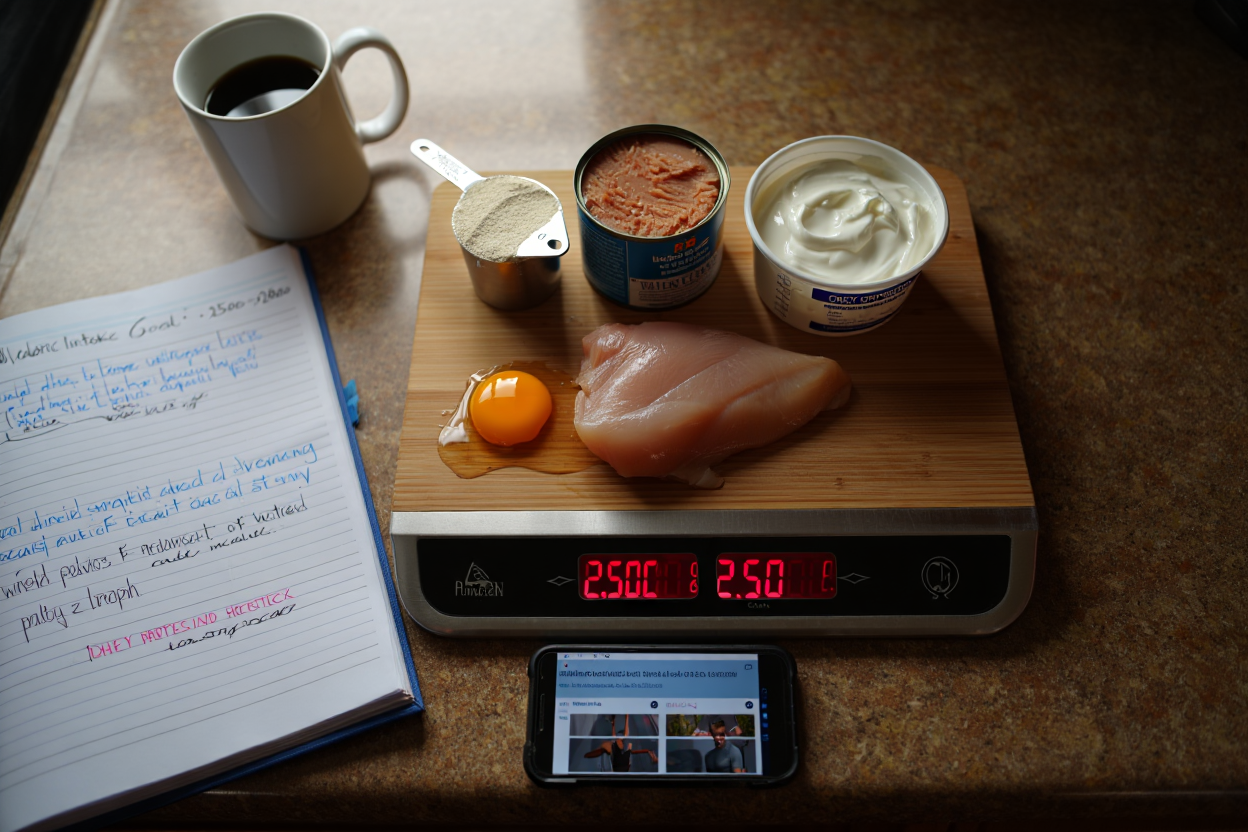
Although protein supplies essential amino acids, it cannot independently drive muscle growth without sufficient total calories. So, are calories necessary to build muscle even when your protein intake is already optimized? Absolutely, because your body requires that extra energy to synthesize new tissue and repair the damage caused by intense training.
- Energy Availability: Your body prioritizes vital daily functions before allocating resources for muscle growth.
- Amino Acid Sparing: A surplus allows your body to use protein for building mass rather than converting it into energy.
- Hormone Production: Adequate calories support the production of anabolic hormones like testosterone and growth hormone, which are crucial for muscle building.
- Recovery Capacity: The additional energy facilitates complete repair of muscle fibers damaged during strenuous training sessions.
One study demonstrated that young men following a 40% calorie surplus gained 0.44 kg of body protein over six weeks. In contrast, those on a 10% surplus showed no significant increase, despite consuming the same amount of protein.
How Big Should Your Caloric Surplus Be?
You need calories to build muscle, but consuming the right amount is key. A daily surplus of 250 to 500 kcal above your maintenance calories is ideal for a lean bulk. A 250 kcal surplus promotes slower, leaner gains, while a 500 kcal surplus accelerates growth.
To gain 1 kg of body mass, a consistent 500 kcal daily surplus is generally required. This accounts for the energy needed to synthesize tissue and support the increased metabolic demands of larger muscles. Most active individuals can begin just above maintenance and fine-tune their intake based on weekly weight tracking.
Lean Bulk vs. Aggressive Bulk: Which Surplus Is Right?
A lean bulk involves a modest calorie surplus over your maintenance calories, resulting in gradual weight gain with minimal fat. This method is best for experienced lifters focused on body composition. It requires patience but yields the cleanest lean muscle possible.
An aggressive bulk employs a larger surplus, encouraging faster growth but also accepting a greater amount of fat accumulation alongside muscle gain. Beginners often see the best results from aggressive bulking because they can efficiently add mass. Intermediate lifters typically benefit from a more conservative approach to minimize excess fat.
Larger surpluses inevitably lead to increases in both lean mass and fat mass. It's important to monitor your progress weekly through weight checks and progress photos to adjust your bulk accordingly. If you're gaining more than 0.5 kg per week, consider reducing your surplus by 100 to 200 kcal.
To figure out your specific calorie needs for muscle building, you first need to calculate your Total Daily Energy Expenditure (TDEE). To successfully build muscle, you should aim for a calorie surplus of about 250-500 calories above your maintenance level. This, combined with sufficient protein and a balanced intake of macronutrients, creates the ideal anabolic environment for effective muscle building.
Calculating the calories needed to build muscle
Determining your daily calorie intake for muscle gain starts by understanding your daily energy expenditure. The Mifflin-St. Jeor equation is a great tool for this, as it factors in your age, weight, height, gender, and activity level. This calculation reveals your precise calories needed to support your body's functions and overall energy expenditure.
Step-by-step TDEE calculation using Mifflin-St. Jeor
This formula first calculates your Basal Metabolic Rate (BMR), which is the number of calories per day your body burns at complete rest. For men, the BMR formula is: 10 x weight (kg) + 6.25 x height (cm) – 5 x age (years) + 5. You then multiply this number by your activity level multiplier to get your final total daily energy expenditure (TDEE), which shows exactly how many calories needed to build muscle you require.
It's important to use a multiplier that reflects all your daily movement, not just your dedicated gym training. If you're unsure which activity level to pick, it's generally safer to choose a more conservative estimate. It's better to slightly underestimate your daily energy expenditure when you first start your bulking phase.
| Activity Level | Description | Multiplier |
| Sedentary | Desk job, little daily movement | 1.2 |
| Lightly Active | Light exercise 1–3 days weekly | 1.375 |
| Moderately Active | Moderate exercise 3–5 days weekly | 1.55 |
| Very Active | Intense training 6–7 days weekly | 1.725 |
| Extremely Active | Physical job plus intense training daily | 1.9 |
Let's take a 30-year-old, moderately active male who is 180 cm tall and weighs 70 kg as an example. His BMR would be approximately 1,721 kcal, giving him a TDEE of about 2,667 kcal. By adding a 500-calorie surplus, his target daily calorie intake to gain muscle would be 3,167 kcal.
Calorie targets by body weight and activity level
As a general benchmark for bulking, many experts recommend consuming roughly 20 kcal per pound of body weight. For an 82 kg (≈180 lb) person, this would mean eating about 3,600 calories per day. While a personalized TDEE calculation is more accurate, this rule of thumb offers a solid starting point for your calorie intake.
For instance, a 75 kg individual with maintenance calories of about 2,300 kcal would aim for 2,550–2,800 kcal to support optimal lean muscle growth. Typical guidelines suggest that lighter individuals often do well on 2,800–3,000 kcal, while an average man aiming for muscle gain might need 3,000–3,500 kcal.
How many calories do females need to gain muscle
Women can use the exact same formulas to calculate their needs, though the final numbers will naturally be lower. For example, a moderately active 65 kg woman with a TDEE of 2,170 kcal should target a daily calorie intake of 2,420–2,670 kcal to build muscle effectively.
Women benefit from a similar calorie surplus range to add lean muscle mass, just like men. The difference in absolute calories needed primarily comes from typically lower body weight, not a different nutritional approach. Remember to recalculate your TDEE every few weeks as your weight increases during a bulk.
Understanding how calories, protein, carbs, and fats work together shows why eating more protein alone isn't enough for muscle building. Each macronutrient has a unique role in supporting muscle gain, recovery, and overall hormonal health while you bulk.
Recommended products
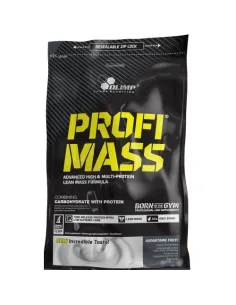
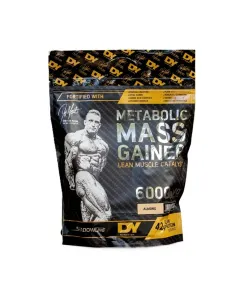

Do you need calories to build muscle or just protein?
Many people wonder: do you need calories to build muscle or just protein? The clear answer is that you need calories to build muscle, along with enough daily protein. Without sufficient total energy, your body will burn dietary protein for fuel instead of using it to build muscle.

Optimal protein intake alongside your caloric surplus
For effective muscle growth, aim for 1.6 to 2.2 grams of protein per kilogram of body weight each day. If you weigh 70 kilograms, that's about 112 to 154 grams daily. The higher end of this range is especially beneficial for experienced lifters aiming to maintain muscle tissue.
Protein powders can help you easily meet these increased daily needs. Mass-gainer shakes add essential muscle gain calories, which helps drive lean mass improvements when combined with intense resistance training.
Role of carbs and fats in a muscle-building diet
While bulking, carbohydrates should make up around 40–55% of your total calorie intake. Proper macronutrient distribution includes complex carbs like oats and brown rice for lasting energy during training. Fast-digesting carbs consumed around workouts help quickly refill glycogen stores.
- Complex carbohydrates: Provide steady energy, support training performance, and contain fiber for good digestion.
- Healthy fats: Essential for testosterone production and hormonal balance, both critical for anabolic muscle-building processes.
- Caloric density: With 9 calories per gram, fats help you hit your needed surplus more easily during bulking.
Healthy fats from sources like salmon and avocados should account for 25–35% of total calories. A popular macronutrient split for bulking is 30% protein, 45% carbs, and 25% fats. This ratio ensures your body gets the right fuel for strength and size gains.
Meal timing and protein distribution for muscle protein synthesis
Spread your protein intake across three to five meals per day. Aim for about 0.3–0.4 grams of protein per kilogram of body weight at each meal. This consistent intake keeps amino acids available for muscle building, rather than relying on one large meal.
Before training, have fast-acting carbs with a quality protein source to fuel your workout. Afterward, a quickly digestible whey protein shake with carbs can maximize recovery and kickstart muscle repair. Strategic meal timing ensures your body has the energy and building blocks needed for optimal muscle growth.
Strategically integrating supplements and diligent tracking can turn the challenge of reaching a calorie surplus into a precise science. By pairing quality products with consistent data monitoring, you can ensure steady, reliable progress toward your bulk goals each and every week.
Supplements and Tracking to Hit Your Caloric Surplus
Hitting your daily calorie goals becomes far more manageable when you complement whole foods with caloric surplus supplements. These convenient powders make it easy to boost your overall calorie intake, helping your efforts in the gym translate directly into solid muscle gain.
Using Protein Powders and Mass Gainers to Reach Your Surplus
Products like protein powders and mass gainers are incredibly useful on days when whole foods alone aren’t enough. A quality mass gainer blends complex carbs, protein, and vitamins to deliver the muscle gain calories your body craves. This potent mix provides the extra energy hardgainers need to hit their targets and sustain intense training.
- Whey isolate with water: Provides a lean option with minimal calories and high-quality protein to fuel muscle repair.
- Whey isolate with whole milk: Adds roughly 150 extra calories plus more protein for gradual, consistent bulking.
- Mass-gainer products: Deliver a comprehensive caloric surplus with a balanced mix of carbs and protein in each serving.
- Flexible timing: Enjoy servings post-workout or between meals without interfering with your regular nutrition plan.
Some weight gainers are expertly formulated with high carbohydrate content and minimal fat. This ideal carb-to-protein ratio supports muscle growth and helps fuel demanding workouts. For best results, always combine these supplements with consistent resistance training.
Calorie-Dense Foods and Snack Strategies for Bulking
Calorie-dense snacks are fundamental for sustainable bulk results and effective tracking muscle gain progress. Options like nut butter or olive oil add valuable calories without overwhelming fullness, making it easier to consistently hit your daily bulking intake.
- Nut butters: Packed with healthy fats, protein, and high calorie density.
- Avocado: Rich in calories and heart-healthy monounsaturated fats, which also support hormone function.
- Dark chocolate: Provides antioxidants and a helpful dose of carbohydrates.
Consider structuring a day of eating around, for example, 2,800 calories spread across several meals and snacks. Dividing intake into five or six smaller portions helps maintain steady energy levels and supports ongoing muscle building.
How to Track and Adjust Your Intake for Steady Muscle Gains
Weigh yourself once or twice per week under consistent conditions to fine-tune your nutrition. Gaining around half a kilogram per week is a solid indicator of a successful lean bulk. If your weight plateaus or increases too fast, adjust your daily calorie intake by a few hundred calories.
Food logging apps take the guesswork out of tracking and help ensure your diet remains effective for lean muscle development, not fat storage. Monitoring your strength gains also confirms whether your nutrition is properly supporting recovery.
Revisit your strategy every few weeks, especially as your BMR increases with added muscle mass. What worked before may soon fall short. Small, timely adjustments will help you sustain momentum and continue making gains throughout your entire muscle growth journey.
Frequently Asked Questions
No, 1,200 calories is generally insufficient for muscle growth in almost any adult, as it falls below basic resting metabolic needs. This severe calorie deficit can actually force your body to break down existing tissue for energy. Most active adults require a minimum of 1,800 to 2,000 calories daily for muscle gain, though this varies based on weight and activity level.
A 3,000-calorie diet can be effective for a bulk, but it really depends on your individual maintenance calories. For lighter individuals (around 60 to 70 kg), this often provides a substantial surplus that supports muscle growth. However, those who are heavier or highly active might find they need even more calories to build muscle effectively.
To determine if 3,000 calories works for you, calculate your TDEE. For example, if your maintenance is 2,400 calories, you'll have a 600-calorie surplus. If your maintenance is 2,700, though, your surplus would only be 300 calories.
For many individuals, a diet of 2,800 calories is excellent for bulking, especially when combined with consistent training and sufficient protein intake. This calorie level typically provides a surplus of 250 to 500 calories, which is ideal for gaining lean muscle. Larger athletes, however, may need a higher intake to achieve the same surplus.
It’s essential to prioritize protein consumption and track your progress weekly. If you're gaining less than 0.25 kg per week, try increasing your intake by 100–200 calories. If you're gaining more than 0.5 kg, consider reducing your calories slightly to fine-tune your results.
Share this article: