Shopping Cart
Best foods for muscle growth and repair: a complete guide


Building strong muscles requires more than just intense workouts; proper nutrition is essential for fueling recovery. This guide highlights the best foods for muscle growth and repair, including plant-based options and smart meal timing. Understanding which foods for muscle development work best helps you align your diet with your fitness objectives.
Best high-protein foods for muscle growth and repair
Protein forms the foundation of any muscle-building diet, providing the amino acids necessary for tissue repair. A significant review of 65 studies found that higher protein intake consistently increases lean mass in adults. Knowing how protein intake benefits your training can help you choose the right protein source.
Why protein is the foundation of muscle repair
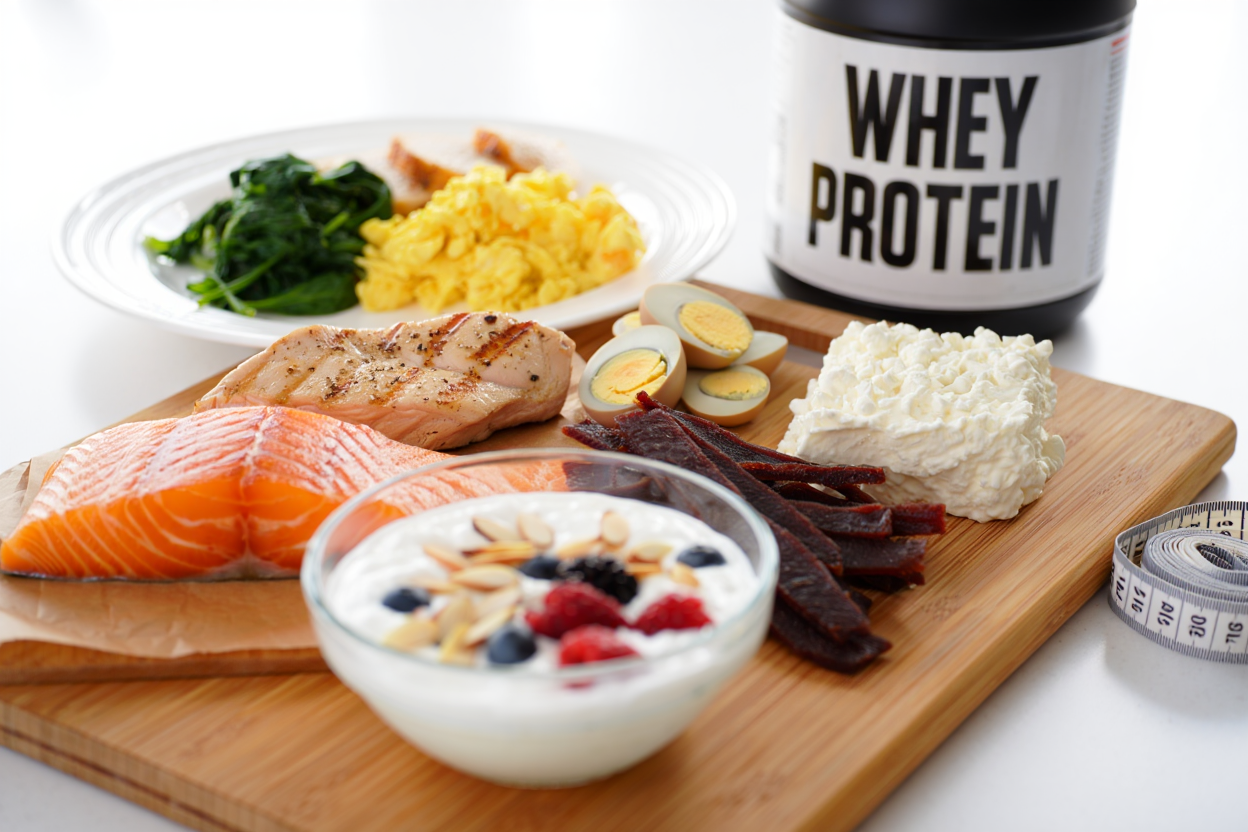
Your muscle fibers experience breakdown during exercise and require quality protein for efficient recovery. High-protein foods for muscle growth and repair supply essential amino acids that your body cannot produce on its own. This steady supply of amino acids helps maintain continuous muscle protein synthesis, supporting optimal recovery.
For example, a person weighing 70 kg should aim for 112–154 g of protein per day to support muscle growth. Distributing this intake across multiple meals helps keep amino acid levels stable throughout the day. This frequent protein consumption supports elevated muscle protein synthesis and faster healing.
Top animal protein sources including chicken and eggs
Animal proteins offer complete amino acid profiles, which are essential for building lean muscle. Recommended foods for muscle growth, such as those suggested by NHS guidelines, include chicken, lean beef, and eggs. These foods also provide important nutrients like zinc and vitamin B12 to help you perform your best during workouts.
- Chicken breast: Delivers about 31 g of protein per serving with low fat, supporting quick muscle repair.
- Eggs: Provide a complete protein rich in leucine, which helps trigger muscle protein synthesis.
- Salmon: Offers high-quality protein along with omega-3 fatty acids, which may reduce exercise-related inflammation.
- Lean beef: An excellent protein source that also supplies iron and creatine, promoting strength and overall energy.
Shrimp is another great low-calorie option, rich in leucine and omega-3 fats. Turkey also serves as a valuable protein source and provides selenium, which supports immune function during periods of intense training.
How much protein do you actually need daily?
Optimal daily protein intake ranges between 1.6 g and 2.2 g per kilogram of body weight. For a 70 kg individual, this equals about 112–154 g per day to support consistent muscle building. Whole foods can help you meet this target effectively without depending heavily on supplements.
Distributing your protein intake evenly throughout the day is key to sustained muscle growth. Consuming 30–35 g of protein every few hours helps maintain a steady supply of amino acids. This ensures your body has the resources it needs for ongoing muscle repair and adaptation.
Plant-based athletes can build impressive muscle through strategic dietary choices that provide complete amino acid profiles. This article explains how vegetables and legumes effectively support muscle building for vegan and vegetarian weightlifters. Exploring food for muscle growth veg options offers dietary flexibility while meeting rigorous training requirements.
Best plant-based and veg food for muscle growth
A plant-based protein source can compete with animal options when properly combined to form complete profiles of essential amino acids. Combining legumes with grains, alongside soy products, provides the crucial nutrients needed for serious development. The key to success lies in understanding how to pair complementary proteins and time your meals around workouts.
Complete plant proteins that rival animal sources
Soy products like tofu and tempeh contain all nine essential amino acids, providing 8 to 15 grams of protein per serving. They also deliver sufficient leucine to effectively trigger muscle protein synthesis. These muscle growth foods match animal protein quality while offering anti-inflammatory benefits through additional phytochemicals.
Pea protein powder delivers about two grams of leucine per scoop, helping to activate muscle-building pathways similarly to animal sources. Peanut butter provides approximately eight grams of protein per two-tablespoon serving, along with healthy fats and magnesium that support hormone production and proper muscle contraction.
- Tofu and tempeh: These sources offer 15 to 19 grams of protein per half-cup, featuring all essential amino acids with lower saturated fat content.
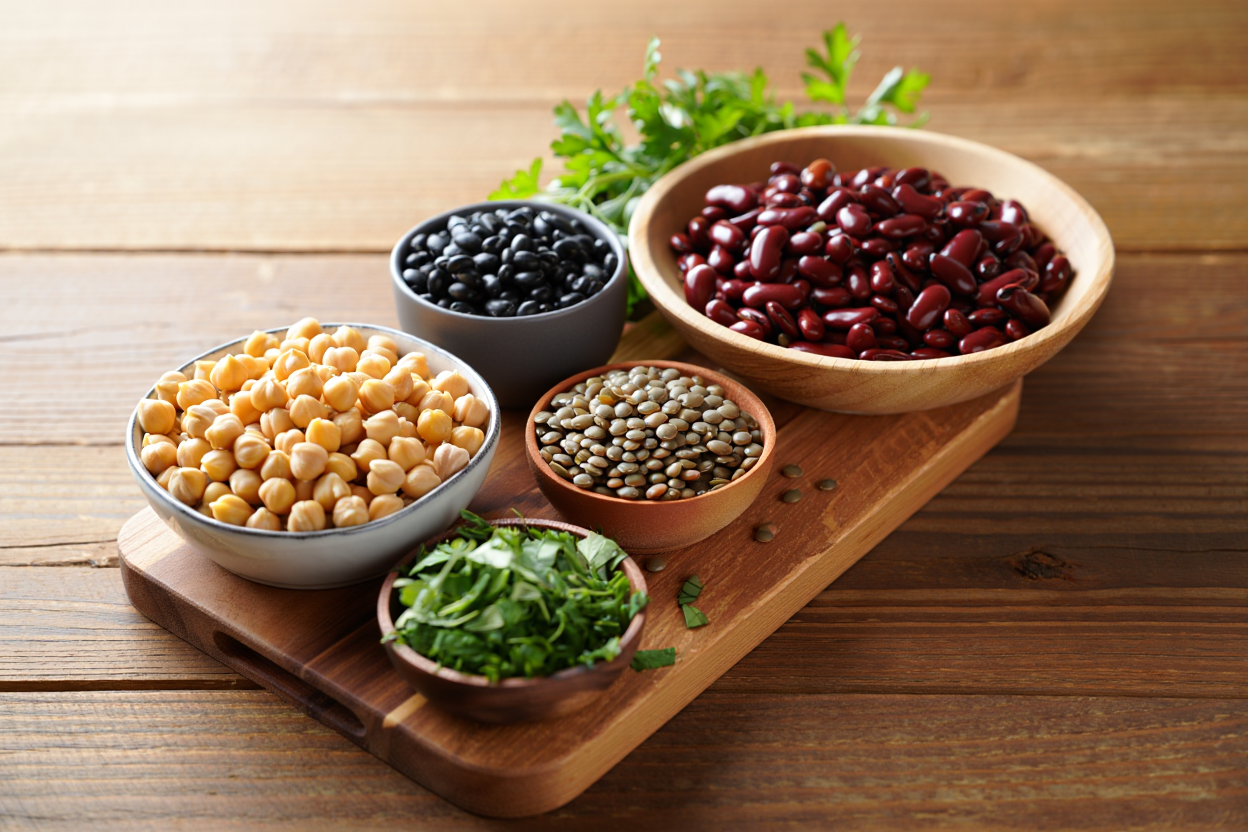
- Lentils and chickpeas: When paired with grains, they deliver 18 to 25 grams of protein per cooked cup plus fiber for improved nutrient absorption.
- Quinoa: This complete grain provides eight grams of protein per cup along with magnesium for proper muscle function.
Nuts and seeds like walnuts provide protein alongside omega-3 fatty acids and vitamin E to combat inflammation. These are excellent foods for muscle as they also supply a healthy dose of omega-3 to your diet. Spinach provides potassium and iron, which improve blood flow and reduce muscle cramping during intense exercise.
How to combine plant foods for full amino acid profiles
Combining legumes and grains creates a complete protein profile, delivering up to 25 grams of protein per meal. Rice and beans or chickpeas with quinoa ensure vegans receive the full spectrum of amino acids needed for recovery. These foods for muscle growth and repair provide essential carbohydrates and protein to support sustained training energy.
Eating complementary proteins within the same meal or a few hours apart effectively supports muscle building. A lentil and quinoa bowl provides about 20 grams of protein, offering similar profiles to a bean and brown rice dish. Adding blueberries to your meals introduces polyphenols that reduce post-exercise muscle soreness and accelerate recovery.
Women have unique nutritional needs for building muscle that require focusing on specific nutrients alongside adequate protein. This section covers female-specific muscle building nutrition, with an emphasis on iron, calcium, vitamin D, and daily protein intake. Understanding the best foods for muscle growth for females helps women build strength in both their muscles and bones simultaneously.
Recommended products
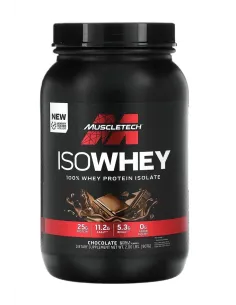

Best foods for muscle growth and recovery for females
Female athletes benefit from customized nutrition plans that address hormonal fluctuations, bone density, and efficient muscle recovery. Since menstruation can deplete iron levels, women often require different micronutrients than men to ensure proper oxygen delivery to working muscles. Choosing the right lean meat and other nutrient-dense foods for muscle helps increase muscle mass while supporting hormonal equilibrium for more effective training.

Protein and nutrient needs specific to women
Women require the same 1.6–2.2 grams of protein per kilogram of bodyweight as men, but they should also prioritize iron and calcium. A serving of Greek yogurt provides quality protein, combining fast-absorbing whey and slow-digesting casein for a sustained release of amino acids. Top foods for muscle growth for females include Greek yogurt, cottage cheese, and salmon, which enhance both bone density and muscle repair.
- Iron-rich lean meat: Red meat, chicken, and fish improve oxygen transport, helping women replenish iron lost monthly and boost stamina.
- Calcium and vitamin D: Greek yogurt, cottage cheese, and milk support bone health, help prevent osteoporosis, and contribute to muscle building.
- Healthy fats: Avocados and nuts supply healthy fats that aid in the production of estrogen and progesterone, promoting hormonal balance.
- Leafy greens: Colorful vegetables are rich in magnesium, which helps reduce cramps and supports muscle contractions during strenuous workouts.
A generous portion of cottage cheese provides a substantial amount of slow-digesting casein protein, making it an ideal nighttime protein source to promote overnight muscle repair. Meanwhile, sweet potatoes replenish carbohydrates and supply essential vitamins that aid collagen synthesis and immune function.
Bananas offer fast-acting carbohydrates along with potassium and magnesium to accelerate glycogen recovery. These vital nutrients also help balance hormones and deliver crucial post-workout energy for women managing menstrual cycles.
Food for strong muscles and bones in females
Combining high-quality protein with bone-supporting vitamins creates an optimal diet for active women. The best food to gain muscle for females includes salmon, which delivers protein, omega-3 fatty acids, and vitamin D. Dairy products like milk and Greek yogurt also provide the calcium necessary to maintain strong bones during rigorous training.
Consuming beef, kale, and spinach enhances oxygen delivery, facilitating efficient muscle repair and improving workout endurance. Since women are more prone to iron deficiencies, including these specific foods for muscle is essential for preventing fatigue. Additionally, healthy fats from avocados enhance hormone production, which is crucial for effective muscle building and nutrient absorption.
| Food source | Protein per serving | Key female-specific nutrients | Best timing |
| Greek yogurt (7 oz) | 20 g | Calcium, vitamin D, probiotics | Post-workout or anytime |
| Cottage cheese (225 g) | 25 g | Casein protein, calcium, selenium | Evening/nighttime snack |
| Salmon (100 g) | 25 g | Omega-3, vitamin D, iodine | Post-workout or lunch |
| Lean beef (100 g) | 26 g | Iron, zinc, B12, creatine | Post-workout or lunch |
| Sweet potato (100 g) | 2 g | Potassium, vitamin A, vitamin C | Post-workout carbs |
| Spinach (cooked, 100 g) | 3 g | Iron, magnesium, folate, nitrates | Anytime for micronutrients |
Post-workout nutrition and meal timing for women
Consuming a well-planned post-workout meal within 45 minutes after exercise maximizes muscle repair and muscle growth. A simple approach is to combine quality protein with carbohydrates and a small amount of healthy fats to improve nutrient absorption. This strategic timing rapidly replenishes glycogen stores and moderates stress hormones to foster optimal muscle building.
Continue nourishing your body every few hours post-exercise to sustain steady protein synthesis. A balanced meal featuring chicken, brown rice, and broccoli provides a complete protein source for thorough muscle recovery. Staying hydrated with water and electrolytes also improves the transportation of these essential nutrients to support continued muscle mass development.
Frequently Asked Questions
Skinless chicken breast is an excellent choice because it provides a high amount of protein with very little fat. Other great options for muscle growth include nutritious foods like salmon, eggs, lean beef, and Greek yogurt, all of which supply those essential amino acids your body needs. To really boost muscle protein synthesis, it's smart to pair any quality protein with complex carbohydrates and healthy fats.
For fast muscle repair, it's best to consume a quality protein along with carbohydrates within 30–45 minutes after your workout to take advantage of the anabolic window. A shake made with whey protein and a banana is perfect for this, as it quickly delivers amino acids and helps replenish glycogen stores. Other effective combinations include Greek yogurt with berries, salmon with sweet potato, or eggs on whole-grain toast. Each of these meals provides a complete nutritional profile that speeds up recovery. The key is really the mix of fast-digesting protein, quickly-absorbed carbohydrates, and electrolytes, rather than relying on one specific food.
Athletes following a plant-based diet can also build strength effectively by combining different protein sources to get all the essential amino acids needed for muscle growth. For example, pairing tofu with whole grains creates a nutritional profile that is very similar to whey or traditional animal proteins. Consuming enough of these foods daily ensures proper muscle repair and supports steady muscle protein synthesis, allowing plant-based eaters to achieve results on par with those who eat meat.
Share this article: