Shopping Cart
When to drink protein powder: best time for your shake


Properly timing your protein powder intake can significantly boost your recovery and enhance muscle growth. This guide explores the best times to drink protein powder after a workout and throughout the day to maximize its benefits. Understanding protein timing is key to building muscle effectively and reaching your fitness goals faster.
Best time to drink protein shake after a workout
The period following your workout is a crucial window for maximizing growth and accelerating recovery. At this time, your muscles are primed to rapidly absorb essential amino acids to repair the damage caused by intense training.
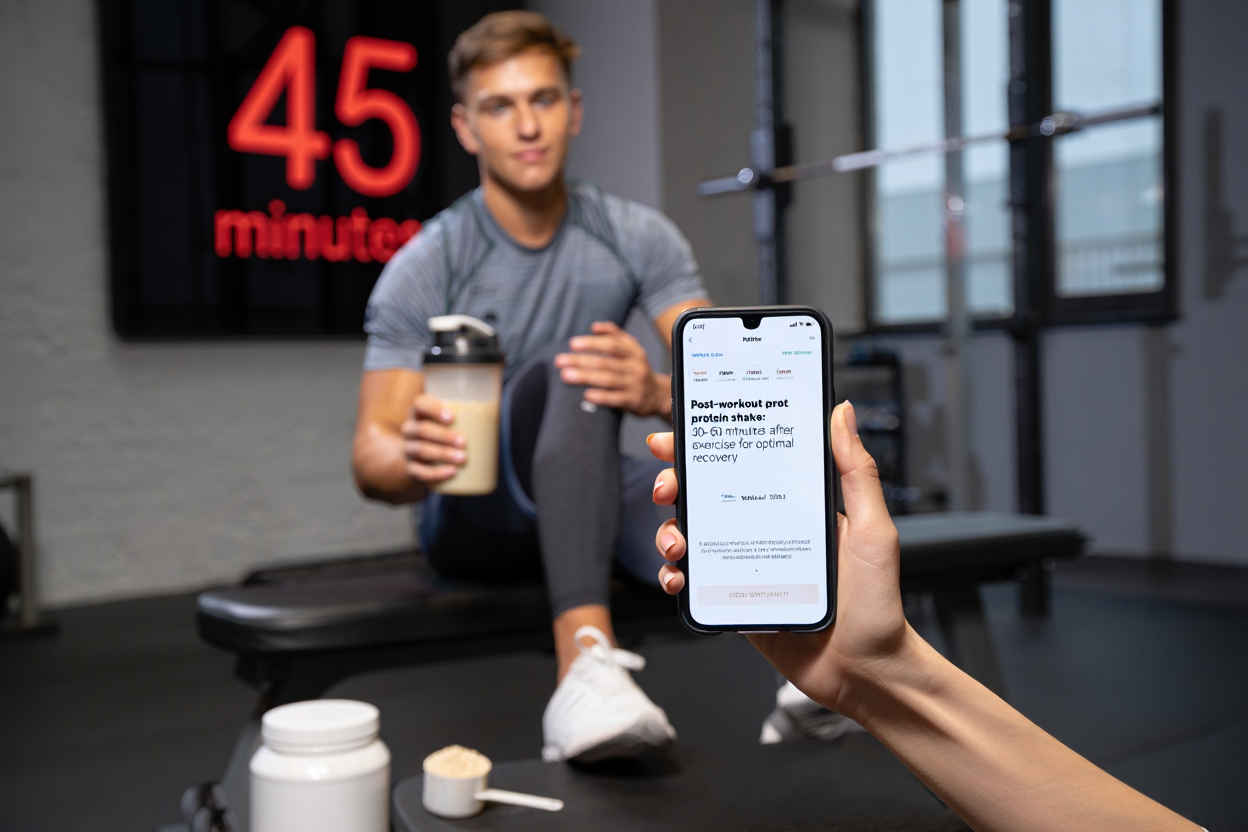
Why the post-workout window matters for protein shake
Understanding when to drink protein powder after a workout is vital because your muscles are especially receptive to nutrients immediately following exercise. Consuming a protein shake providing 20–30g of protein shortly after your session can maximize muscle protein synthesis. This quick protein intake jumpstarts the essential muscle repair process.
Fast-acting whey protein is absorbed quickly into your bloodstream, making it an ideal choice for immediate post-workout consumption. This rapid delivery of nutrients helps to halt muscle breakdown precisely when your body needs amino acids the most.
How to pair your shake with carbs for faster recovery
The ideal time to drink a protein shake becomes even more effective when you combine it with fast-digesting carbohydrates. Mixing whey protein with carbs creates an insulin spike that drives amino acids directly into fatigued muscles, helping you recover more quickly after a strenuous workout.
- Banana with whey shake: This quick meal provides natural carbohydrates to replenish energy stores and accelerate muscle repair.
- Dextrose or sports drink: These fast-acting carbohydrates create an optimal environment to support rapid muscle building.
- Oatmeal with protein powder: This combination offers sustained energy release, helping you drink protein efficiently and enhance muscle protein synthesis.
Combining carbohydrates with your protein supplement reduces fatigue and rapidly restores energy levels. Research confirms that this nutritional pairing significantly improves muscle repair compared to consuming protein alone.
Does the exact timing really change your results?
While immediate consumption is beneficial, the much-discussed anabolic window actually extends for up to two hours post-exercise. Even if you miss that initial timeframe, drinking a shake within this period can still yield impressive muscle growth results.
For those engaged in daily training sessions, consuming a shake after each workout is recommended. This approach helps prevent muscle breakdown and ensures a steady supply of amino acids. Ultimately, maintaining consistency in your daily protein intake matters far more than obsessing over the exact timing of consumption.
According to protein timing benefits research from numerous clinical trials, protein supplementation reliably increases lean muscle mass. This evidence highlights that meeting your total daily protein intake requirement is crucial, and consistent daily consumption is more important than strict timing.
When to Drink Protein Powder to Build Muscle All Day
Distributing your daily protein intake across multiple servings is more effective at boosting muscle protein synthesis than consuming one large meal. Proper timing throughout the day ensures a steady supply of amino acids, which is crucial for supporting muscle growth. This approach includes having a protein shake in the morning, before your workout, after your training, and before bed.
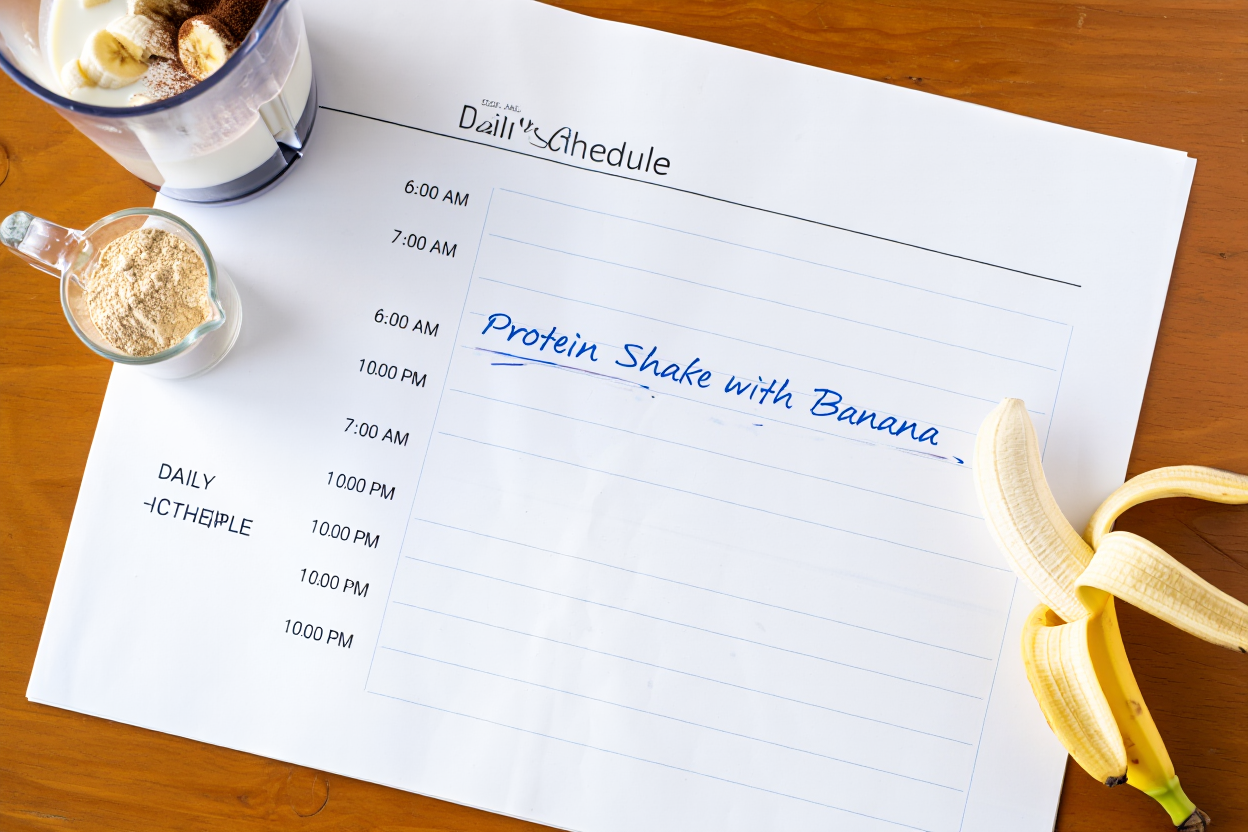
Morning Protein Shake Benefits Before or After Training
Deciding the best time to drink a protein shake often depends on your personal daily routine. That said, a morning protein shake offers unique advantages for those looking to build muscle. It conveniently supplements a low-protein breakfast and accelerates recovery after a night of fasting.
- Recovery from overnight fast: A morning shake helps prevent overnight muscle breakdown and supports lean growth.
- Pre-workout energy boost: Consuming 15–25 grams of whey protein before your training provides essential amino acids to fuel your session.
- Appetite control: Morning protein powder can help curb hunger throughout the day, aiding in weight management and muscle building.
- Enhanced training performance: Adding carbohydrates to a pre-workout shake delivers sustained energy, allowing for a longer and more effective workout.
If you exercise first thing in the morning without eating, it's the ideal time to drink protein immediately afterward. This quick protein shake addresses the overnight deficit in amino acids and accelerates muscle repair.
Nighttime Whey Protein or Casein for Overnight Recovery
Understanding when to drink protein powder to build muscle effectively means incorporating slow-digesting casein before bed. A nighttime casein shake releases amino acids gradually, providing your body with sustained support for overnight muscle repair.
This slow-release process helps prevent muscle breakdown while you sleep. It's an excellent time to drink a protein shake to promote muscle growth and maintain lean mass, especially as you age.
| Protein Type | Absorption Time | Best Timing | Ideal Grams |
| Whey isolate | 30-60 minutes | Post-workout | 20-30g |
| Hydrolyzed whey | 15-30 minutes | Immediately post-workout | 20-30g |
| Micellar casein | 6-8 hours | Before bed | 30-40g |
| Whey concentrate | 2-3 hours | Between meals | 20-25g |
It's best to avoid fast-digesting whey protein right before bed, as its rapid spike in amino acids won't be sustained. For extended recovery, consider mixing whey with casein or Greek yogurt to create a longer-lasting supply of amino acids.
How to Spread Your Daily Protein Intake Effectively
To optimize muscle protein synthesis, spread your daily protein intake across several evenly spaced meals, aiming for about 25–30 grams per serving. This consistent approach is far superior to consuming one large meal.
- Breakfast shake (7-8 AM): Kickstart muscle growth with 20-30 grams of whey protein to counter the overnight fast.
- Mid-morning snack (10-11 AM): Have an extra protein serving to maintain a steady flow of amino acids between main meals.
- Post-workout shake (after training): Drink 20-30 grams of whey protein during the critical post-workout window to accelerate recovery.
- Evening casein shake (9-10 PM): Support overnight muscle repair by having a casein shake right before bed.
A protein shake is an excellent way to fill the gaps between whole-food meals, especially when you're busy. Remember, muscle protein synthesis remains elevated long after your workout is over. Ultimately, reaching your total daily protein intake goal is the most critical factor for successful muscle building.
Recommended products

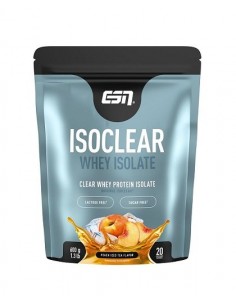
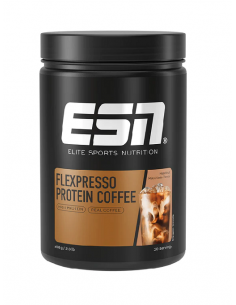
When to Drink Protein Shakes for Weight Loss and Muscle Gain
Strategically timing your daily protein shake consumption can be a game-changer for managing hunger and protecting lean muscle mass. Understanding when to use protein powder transforms it into a powerful tool for body composition goals, effectively supporting both fat loss and consistent muscle growth.
Using Protein Powder Between Meals to Control Hunger
Enjoying a protein shake between main meals helps stimulate satiety hormones, which naturally reduces your overall calorie intake. These convenient snacks help suppress hunger hormones to prevent overeating before your next meal.
- Afternoon Shake (3-4 PM): Drinking a low-calorie shake with 20g of protein can reduce your dinner portions and sustain high energy levels throughout the workday.
- Pre-Dinner Snack: Consuming a protein shake 60 to 90 minutes before eating helps lower total calorie consumption effortlessly, eliminating the need for extreme dieting.
- Hunger Management for Weight Loss: Replacing calorie-dense snacks with a lighter shake preserves muscle while cutting calories, promoting sustainable fat loss without compromising metabolism.
For those wondering when to drink protein shakes for weight loss, incorporating whey protein as a satisfying snack is an excellent strategy. You can drink a shake whenever necessary to maintain lean tissue while reducing your overall caloric intake.
Best Timing on Rest Days
Determining optimal protein timing on non-training days requires a slightly different approach than your workout routine. Consider adding extra servings mid-morning or before bed to maintain a steady supply of amino acids throughout the day.
- Mid-Morning Shake (10 AM): This timing helps control morning hunger while keeping amino acid levels balanced, ensuring muscle preservation during calorie restriction.
- Evening Shake Before Bed: A protein shake before bed maintains positive protein balance and effectively prevents overnight muscle breakdown during cutting phases.
- Flexible Timing Options: On recovery days, protein shakes adapt easily to your regular eating pattern without requiring strict scheduling since you're not doing intense training.
You can incorporate half-scoop servings into yogurt or oatmeal to reach your protein targets more easily. This flexible approach simplifies hitting your macros without always consuming full shakes.
Choosing the Right Protein Type for Each Moment
Fast-digesting whey isolates are ideal for post- workout recovery and quick energy due to their rapid absorption rates. Meanwhile, slow-digesting casein releases nutrients gradually over several hours to enhance overnight muscle protein synthesis.
Plant-based proteins work effectively when combined to create a complete amino acid profile. These powders serve as essential dietary supplements that provide the fundamental building blocks for optimal growth and repair. Explore our comprehensive protein powder timing resource for more information. Selecting the appropriate protein type maximizes performance and fully supports your muscle-building objectives.
Frequently Asked Questions
Both timing options offer unique benefits for your fitness goals. Drinking protein shortly after your workout maximizes the anabolic window, boosting muscle protein synthesis precisely when your body needs it most.
Taking whey protein before exercise delivers essential amino acids that help reduce muscle breakdown during training. According to the protein timing guide, the post-workout window remains highly effective for muscle growth, while strategic pre-workout consumption helps protect against muscle damage.
For optimal results, consider having a protein shake both before and after your workout. This approach ensures a steady supply of amino acids for your muscles throughout your training and recovery phases.
An effective daily routine includes a morning protein shake to kickstart muscle protein synthesis, consumption around your workout for energy support, and casein protein before bed to enhance overnight recovery.
It's best to distribute your protein intake evenly across each meal. Spreading out your consumption throughout the day works much better than consuming large amounts at once. Remember to drink adequate fluids along with your protein.
The protein powder timing recommendations emphasize the importance of proper whey protein timing. Whether you enjoy a shake during the post-workout window or on rest days, this habit helps maintain stable amino acid levels over time.
Yes, when used strategically, protein powder can support weight loss while preserving and building lean muscle mass. A high-protein meal helps reduce hunger hormones and naturally leads to consuming fewer calories.
Having a low-calorie protein shake between meals helps protect muscle tissue while maintaining a calorie deficit. Additionally, consuming protein before bed helps prevent muscle loss during sleep.
For best results, monitor your daily protein intake and time your shake consumption strategically to support recovery and complement your whole food nutrition.
Share this article: