Shopping Cart
Do i need amino acids? Essential facts about supplements


This article addresses your key question: "Do I need amino acids?" You'll learn which essential nutrients your body requires daily. We'll also cover how to get them through food and whether supplements align with your fitness and health objectives.
Do you need amino acids every day
Your body relies on a constant supply of these nutrients because, unlike fats or carbohydrates, they cannot be stored. A daily intake is absolutely essential for muscle repair, hormone synthesis, and overall immune support.

Why the body cannot skip daily amino acid intake
The human body needs all 20 amino acids to function properly. However, nine of these are considered essential amino acids, meaning your body can’t produce them on its own. You must get these from food or supplements every day to stay healthy.
- No storage capacity: Your body can't stockpile amino acids as it does with fats or carbs. You need a steady daily intake to maintain the necessary circulating levels for immediate biological functions.
- Muscle protein synthesis: Essential amino acids are crucial for building muscle, with leucine acting as the primary trigger. Consuming 2–3 grams of leucine per meal helps maximize muscle recovery.
- Hormone and neurotransmitter production: These amino acids are building blocks for important brain chemicals like serotonin and dopamine, which are vital for regulating your mood, sleep, and daily cognitive functions.
- Immune function support: They boost antibody production and strengthen white blood cells. Inadequate intake can compromise your immunity year-round, making you more prone to infections.
Daily amino acid requirements vary widely. For instance, a 70 kg adult needs about 280 mg of tryptophan and 2.73 grams of leucine each day. All nine essential compounds work togetherif you’re missing even one, it reduces the efficiency of muscle repair and overall recovery from your protein sources.
What happens when essential amino acids are lacking
When you don’t get enough amino acids daily, the consequences become clear: muscle loss increases, your immune system weakens, and tissue repair slows. These signs suggest your diet may be falling short.
- Accelerated muscle loss: A lack of essential amino acids causes your muscles to break down faster than they can rebuild, particularly impacting older adults or anyone in a calorie deficit without enough protein.
- Prolonged recovery times: You might hit a training plateau or experience extended muscle soreness if your daily intake drops below 1.2 grams per kilogram of body weight.
- Weakened immune response: Frequent sickness and slow healing are telltale signs of a deficiency. Without meeting your daily amino acid requirements, your body can’t maintain enough immune cells.
Ongoing fatigue, hormonal issues, and brittle hair often indicate that food alone isn’t enough. These symptoms may signal a need for dietary changes or specific supplements.
Conditionally essential amino acids and when they matter
In addition to the nine essentials, there are six conditionally essential amino acids arginine, cysteine, glycine, glutamine, proline, and tyrosine that become vital during periods of intense physical stress, illness, pregnancy, rapid growth, or strenuous training. For example, athletes under heavy training often require more glutamine for muscle recovery. Pregnant and breastfeeding women also have higher requirements for these nutrients. While a balanced diet usually covers these needs, some situations may call for supplements.
How to know if you need amino acid supplements
Determining your need for amino acid supplements begins with assessing your daily protein intake. If your food intake naturally meets the recommended 1.6 to 2.2 grams per kilogram of body weight, additional supplements are likely unnecessary. In this case, your diet probably fulfills all your nutritional requirements.
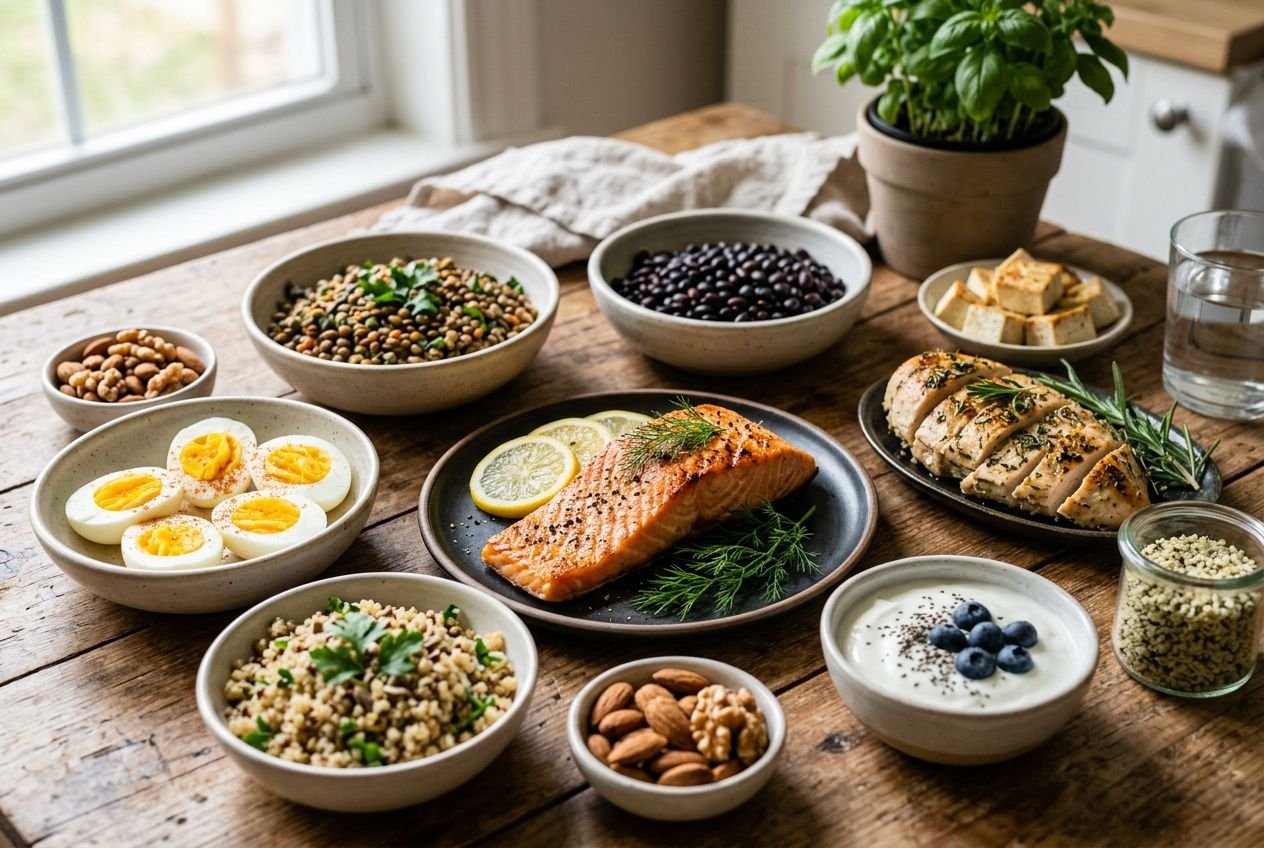
Complete vs. Incomplete protein sources compared
Complete proteins contain all 9 essential amino acids in the ideal proportions. Excellent dietary protein sources include animal products such as eggs, fish, and dairy, as well as certain plants like quinoa. Consuming enough of these foods provides your body with everything that is essential, eliminating the need for extra pills.
For example, a standard chicken breast delivers approximately 32 grams of protein and 2.5 grams of leucine. A large egg provides about 6 grams of protein, contributing significantly to your daily intake of essential amino acids. Animal protein sources are noted for their high bioavailability, meaning your body can efficiently absorb these nutrients from meals.
| Protein Source | Serving Size | Total Protein | Leucine Content | Complete Profile |
| Chicken breast | 100 g cooked | 31–33 g | 2.5 g | Yes |
| Large egg | 1 whole egg | 6 g | 0.5 g | Yes |
| Salmon fillet | 100 g cooked | 2.2 g | Yes | |
| Greek yogurt | 150 g | 15–20 g | 1.5 g | Yes |
| Lentils + rice | 1 cup combined | 18 g | 1.2 g | Yes (combined) |
| Beans alone | 1 cup cooked | 15 g | 0.8 g | No (low methionine) |
Signs your diet may be lacking essential amino acids
If you're asking yourself, " how to know if I need amino acids," be mindful of symptoms like persistent muscle soreness or recurring illness. Hitting a plateau in your training progress and experiencing slow recovery are also typical indicators. These signs strongly suggest that your current food intake may be insufficient to meet your daily nutritional requirements.
Recommended products

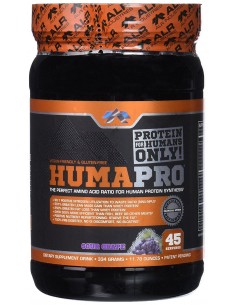
Do You Need Amino Acid Supplements If You Take Protein?
A well-balanced diet provides most people with all the amino acids their body requires from real food. Protein supplements are typically only necessary if your daily protein intake consistently falls short of the recommended 1.6 grams per kilogram of body weight. Using a tracking app to monitor your meals is the best way to determine your true needs.
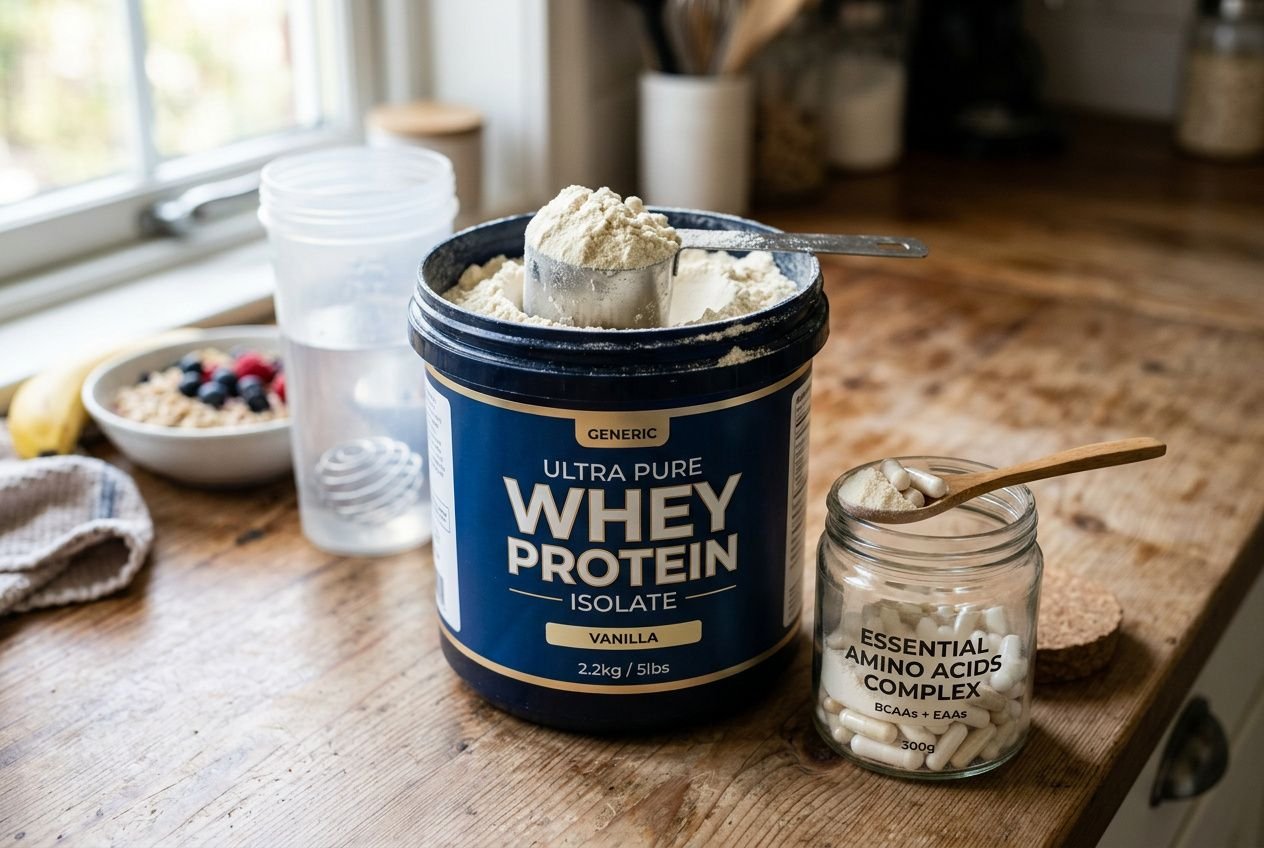
When Protein Powder Already Covers Your Amino Acid Needs
If you are still asking yourself "do I need amino acid supplements", evaluating your total daily intake is key. A single protein shake containing 25-30 grams of high-quality protein can often satisfy your daily requirements when complemented with regular meals.
For instance, a serving of whey isolate typically provides 2.5–3 grams of leucine and a complete profile of all nine essential amino acids. Once your body meets its nutritional targets, consuming extra amino acid supplements does not lead to more muscle growth; the excess is simply broken down for energy.
BCAAs vs. Complete EAA Supplements: Which One to Choose
BCAA supplements are incomplete, as they only contain three of the nine essential amino acids, offering limited support for comprehensive muscle repair. The question "do I need amino acids if I take protein" becomes clearer here. For optimal results, complete essential amino acid supplements are a superior choice because they provide the full spectrum of essential amino acids required for muscle protein synthesis.
Whey isolate, which is primarily protein with very little lactose, is a great option for individuals with sensitive stomachs. In contrast, free-form amino acid supplements are quickly absorbed directly into the bloodstream without needing digestion. Consuming them immediately around your workout can therefore maximize their availability for muscle repair.
Practical Situations Where Amino Acid Supplements Add Real Value
Supplements are highly practical for those with busy lifestyles who struggle to meet their protein requirements through whole food alone. They are also incredibly useful for vegans and individuals who train late at night. Furthermore, supplementing with essential amino acids during a calorie deficit can help preserve lean muscle mass while minimizing extra caloric intake.
- Late-night training sessions: A quick shake delivers amino acids to your muscles much faster than preparing and digesting a whole meal, accelerating recovery after a late workout.
- Vegan and vegetarian athletes: Plant-based protein supplements, especially those fortified with extra leucine, help ensure you get all the essential nutrients without having to constantly plan complex meals.
- Calorie-restricted dieting: These supplements provide the fundamental building blocks your body needs to protect muscle tissue, preventing loss without contributing a significant number of calories.
Consistently tracking your food intake with an app is the most effective method to determine whether amino acid supplements are necessary to fill nutritional gaps. If you consistently fall short of your protein requirements, then supplementation is justified. However, if your diet is already adequate, you likely do not need them at all.
Who Truly Needs Amino Acid Supplements Beyond Creatine
Creatine is excellent for restoring energy during heavy lifts, but amino acid supplements provide the fundamental building blocks for muscle growth. Since typical food provides very little creatine, supplementation is often necessary to reach optimal daily amounts. However, creatine does not directly stimulate muscle protein synthesis like essential amino acids do.
Do Amino Acids and Creatine Serve the Same Purpose?
Understanding the distinct roles of amino acid supplements versus creatine is key to building an effective nutrition plan. Creatine works by storing energy within muscle cells to fuel short, explosive movements during workouts. In contrast, amino acids deliver the critical raw materials required to build and repair new muscle tissue after strenuous exercise.
- Different Mechanisms of Action: Creatine improves energy regeneration for powerful movements, while amino acidsespecially when leucine levels are sufficientactivate the process of muscle growth.
- Non-Overlapping Benefits: Creatine primarily boosts strength and power output. Amino acids, on the other hand, support recovery and repair, making their combined use highly effective.
- Timing Differences: Creatine needs to be taken consistently to saturate muscle tissue over time. Amino acids are most effective when consumed around workouts to maximize muscle protein synthesis.
- Dietary Sources Vary: Complete proteins, which contain all essential amino acids, are available in many whole foods. Since dietary creatine is limited, supplementing with it is often more critical than amino acid supplementation for most people.
Athletes who use creatine still require sufficient daily protein intake to build muscle efficiently. Creatine can enhance your workout performance, but amino acids supply the vital components needed for your body to actually grow muscle from that training stimulus.
Using both supplements together offers a powerful, complementary strategy. Creatine allows you to train harder, while amino acids ensure you have the necessary materials for building new muscle. Neither one replaces the need for a balanced diet.
Special Populations That Benefit Most from Amino Acid Supplements
Older adults frequently experience anabolic resistance, meaning their muscles become less responsive to protein intake. This often leads to the question: do I need amino acids if I take creatine? For seniors, getting enough essential nutrients is vital for maintaining muscle mass, even when using creatine.
Athletes who train in a fasted state may benefit from BCAAs (branched-chain amino acids) to protect muscle tissue and reduce fatigue. Those recovering from significant injuries often have increased needs for conditionally essential amino acids such as glutamine and arginine. Clinical studies show that supplementing with these can help reduce recovery complications.
- Beginner Lifters with Low Intake: Individuals who struggle to meet daily protein targets through food may benefit from post-workout shakes to prevent muscle breakdown.
- Older Adults with Anabolic Resistance: Seniors often require additional amino acids to maintain muscle protein synthesis, making supplements particularly useful.
- Lactose-Intolerant Athletes: Those who avoid dairy can use plant-based amino acid supplements to get essential nutrients without digestive discomfort.
- Malabsorption Disorder Patients: People with digestive issues may benefit from pre-digested formulas that are easier to absorb.
Individuals with diabetes or kidney disease should always consult a healthcare provider before starting any new supplement. These conditions affect how the body processes nutrients, and unsupervised use could potentially worsen underlying health problems.
Choosing the Right Supplements for Your Specific Situation
Select products from reputable brands that provide a full amino acid profile and contain minimal additives. Always look for third-party testing certifications to verify purity and ensure the product is free from harmful contaminants.
You can mix powdered supplements with water, milk, or smoothies to improve flavor and increase nutrient density. Be sure to measure your portions accurately so the supplement aligns with your individual requirements and fitness objectives.
Frequently Asked Questions
Foods like eggs, chicken breast, lean beef, salmon, dairy products, soy, and quinoa are excellent sources of complete proteins, meaning they contain all nine essential amino acids. Essential amino acids such as leucine, which is abundant in animal products, are particularly effective at supporting muscle growth. You can also build a complete amino acid profile by combining plant-based foods, such as lentils with rice.
If your diet lacks adequate essential amino acids, you might notice several signs of deficiency. Symptoms include accelerated muscle loss, a weakened immune system, and persistent fatigue. You could also experience plateaus in your training, prolonged muscle soreness, and difficulty maintaining lean body mass. Other common warning signs are brittle hair, weak nails, and even changes in cognitive function.
To meet your daily amino acid requirements, general guidelines recommend consuming between 1.2 to 2.2 grams of protein per kilogram of your body weight. Getting your essential amino acids from whole food protein sources typically fulfills these needs without requiring additional supplements. That said, if you have an intense training regimen or a hectic lifestyle, a high-quality protein powder can be a useful addition to help you meet your daily targets.
Share this article: