
Shopping Cart

Explore Body Nutrition’s selection of Astaxanthin, with products offering different formulas, formats and features. Compare ingredients, nutrition values or composition, amounts per serving and directions for use to find the option that best matches your individual needs and preferences.
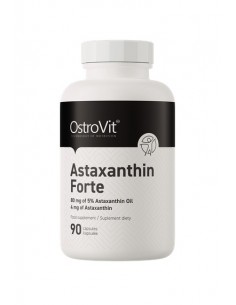
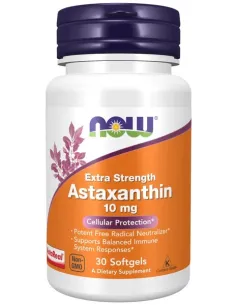
Astaxanthin supplements include formulations derived from natural sources such as microalgae or synthetically produced carotenoids, offered in common formats like softgels, capsules, or oil-based liquid extracts. These products are primarily selected for their antioxidant potential and may be included in a daily nutrition routine to complement a varied and balanced diet. Depending on the format, Astaxanthin supplements may be formulated with carrier oils for enhanced absorption or combined with additional micronutrients. Consumers often choose one format over another based on ease of use, bioavailability considerations, and personal dietary preferences.
As a naturally occurring pigment, Astaxanthin belongs to the carotenoid family and is valued for its capacity to support overall well-being. While these supplements should not replace whole foods, they can serve as a convenient way to introduce this pigment into the diet. Products may vary in concentration and formulation, so understanding the differences between oil suspensions and dry capsules can guide selection. Always consult the product label and follow the manufacturer’s directions in compliance with European food supplement regulations.
When selecting an Astaxanthin supplement, begin by checking the source and purity of the extract. Natural microalgae-derived Astaxanthin often comes with a higher purity profile, while synthetic versions can vary in composition. Next, consider the standardization and concentration specified on the label; transparent information about milligram content per serving helps align intake with personal dietary goals. Third, evaluate the formulation and delivery format: oil-based softgels may offer enhanced absorption, whereas dry capsules can be easier to store and transport. Finally, review any additional ingredients or additives—products free from unnecessary fillers, artificial colors, or preservatives cater to clean-label preferences. Always check allergen information and verify compliance with EU supplement labeling requirements before purchase.
Choosing Astaxanthin from Body Nutrition ensures access to a multi-brand catalog curated since 2001, featuring original products and multiple formulations to suit diverse preferences. Our platform allows easy comparison of ingredients, concentrations, and format characteristics, empowering customers to make informed decisions. With fast shipping across Europe and a focus on catalog quality, Body Nutrition provides the freedom to select Astaxanthin supplements that match individual needs, while benefiting from decades of expertise in online sports nutrition and food supplements.