Shopping Cart
Whey protein isolate vs concentrate: key difference between whey


Deciding between whey protein isolate and concentrate can feel overwhelming with so many options available. This guide breaks down their key differences to help you match the right type to your fitness goals, dietary needs, and budget. Once you understand what sets them apart, you can confidently choose a supplement that delivers great results and fits your lifestyle.
Whey Protein Concentrate vs Isolate: Protein Content
Whey protein is one of the most well-studied supplements for muscle growth and recovery. Both whey concentrate and isolate begin as liquid whey from milk, but they undergo different filtration processes that affect their protein concentration, lactose levels, and overall nutritional profile. These differences in processing lead to distinct benefits, costs, and uses.
How Protein Purity Differs Between Concentrate and Isolate
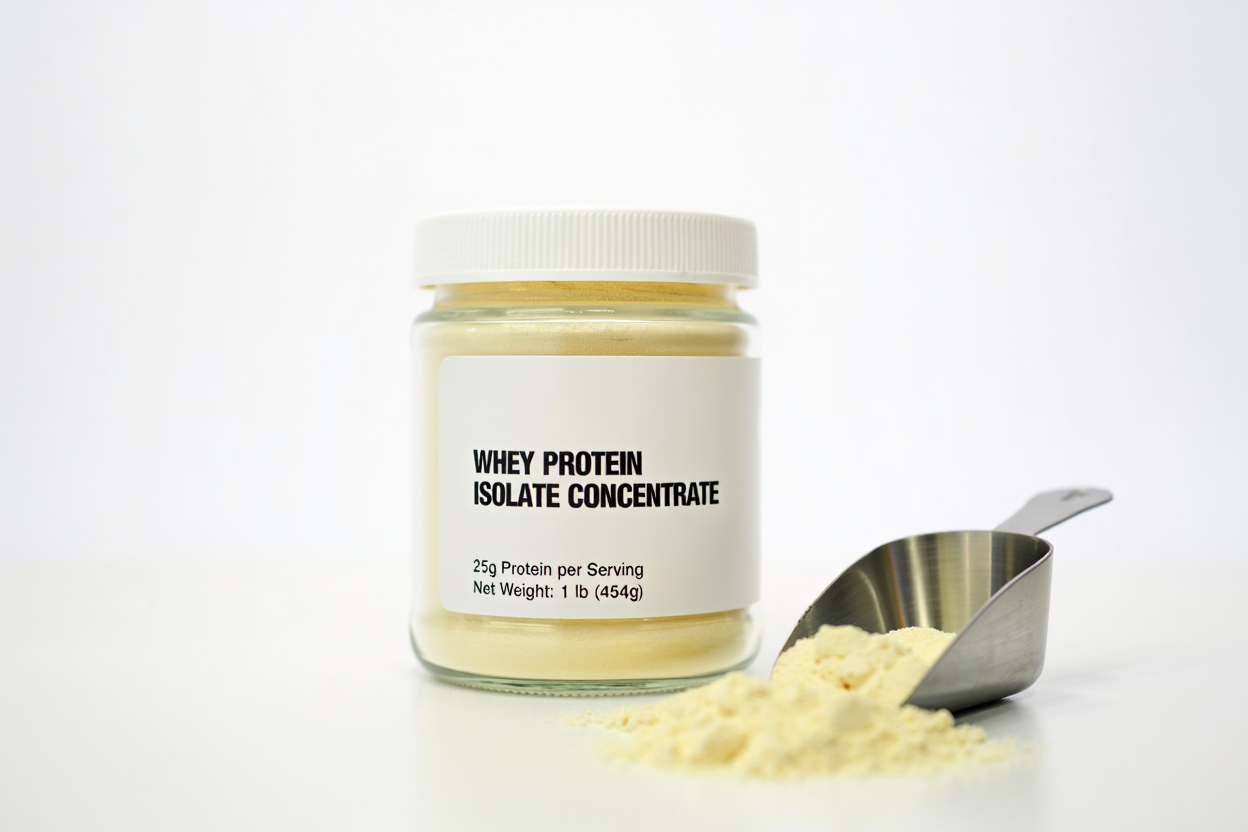
Whey protein concentrate typically contains 70–80% protein by weight, while whey protein isolate undergoes extra filtration to reach 90–95% protein. For example, a 30-gram serving of isolate delivers around 27 grams of protein, compared to 22–24 grams in concentrate. That slightly higher protein content can make a difference for athletes who are closely tracking their macros during cutting phases or strict diets.
- Protein purity levels: Isolate averages 90–95% purity; concentrate usually ranges between 70–80%.
- Processing intensity: Isolate uses advanced methods like cross-flow microfiltration and ion exchange, beyond the basic ultrafiltration used for concentrate.
- Essential amino acid profiles: Both forms provide a complete range of amino acids necessary for muscle repair and growth.
- Leucine content difference: Isolate contains about 7 grams of leucine per 30-gram scoop, while concentrate has roughly 5 grams, giving isolate a slight edge in promoting muscle protein synthesis.
The extra processing steps in isolate remove most of the lactose, fat content, and other milk solids, resulting in a smooth, easy-to-mix powder. Concentrate retains more natural minerals and bioactive peptides, which some users appreciate for additional immune and recovery support—plus, it’s often more budget-friendly.
| Component | Whey Concentrate (per 30g) | Whey Isolate (per 30g) |
| Protein content | 22–24g | 27g |
| Carbohydrates | 4–6g | <1g |
| Fat content | 2–3g | <1g |
| Lactose | 4–5g | ≤0.5g |
| Calories | 114–120 kcal | |
| Leucine | ~5g | ~7g |
Understanding the difference between whey types helps simplify your decision. Whey protein isolate is ideal for those who want maximum protein with minimal carbs and fat, while whey protein concentrate is a great option if you’re watching your cost and don’t mind slightly higher macros. Both support muscle growth and recovery effectively when you meet your daily protein needs.
Macronutrient Breakdown: Carbs, Fats, and Calories Compared
The macronutrient profiles of these two powders vary significantly, affecting how they fit into different diets and how easy they are to digest. Isolate contains less than one gram of carbohydrates, while concentrate has 4–6 grams, mostly from lactose. Similarly, isolate has under one gram of fat, while concentrate contains 2–3 grams, contributing to a slightly higher calorie count.
- Carbohydrate impact: Isolate fits well into keto or low-carb diets; concentrate’s carbs can be useful during bulking phases.
- Fat considerations: Concentrate offers a creamier texture and includes some beneficial fats; isolate is ultra-lean for precise nutrition.
- Caloric difference: Isolate averages 108–110 calories per scoop; concentrate ranges from 114–120 calories.
- Macro flexibility: Isolate supports fat loss, while concentrate can help those aiming for a calorie surplus.
The extra carbs and fats in concentrate can be advantageous for individuals looking to gain weight or build muscle. On the other hand, during cutting phases, whey isolate helps keep unwanted macros low, making it easier to stay in a caloric deficit without compromising protein intake.
Lactose Content and Digestibility for Sensitive Stomachs
Thanks to its advanced filtration, whey protein isolate contains 0.5 grams or less of lactose per serving, making it much easier to digest for those with lactose sensitivity. In contrast, whey concentrate has around 4–5 grams of lactose, which may cause bloating or discomfort in some people.
If you have only a mild intolerance, you might still tolerate concentrate, especially in smaller amounts or with meals. However, for anyone who needs to avoid lactose almost entirely, isolate offers a comfortable and effective solution with all the same muscle-building benefits.
Processing Methods That Create the Key Differences
Whey concentrate is made using ultrafiltration, which removes water but leaves much of the lactose, fats, and minerals intact. This simpler process helps keep the cost lower and preserves nutrients like calcium and magnesium.
Whey isolate goes a step further with methods like cross-flow microfiltration or ion-exchange chromatography, which strip away nearly all non-protein elements. This extra processing increases the cost but results in a purer, finer powder that mixes easily.
Despite these differences, both whey isolate and concentrate offer excellent protein quality and absorption. As long as you’re meeting your daily protein needs, both can support muscle growth and recovery effectively. Your choice between isolate or concentrate ultimately comes down to your budget, macro goals, and how well you digest each type.
Which Whey Protein Is Better for Your Goals
Selecting the right type of whey protein depends on your specific fitness objectives, dietary restrictions, and financial considerations. Research indicates that both whey protein isolate and whey protein concentrate provide comparable benefits for building muscle, as long as you meet the recommended daily intake of 1.6–2.2 grams of protein per kilogram of body weight. Ultimately, consistent protein consumption, effective training, and proper recovery are more significant factors than the choice between isolate and concentrate.
Choosing Between Isolate and Concentrate for Muscle Gain
Discussions on platforms like isolate or concentrate protein reddit often highlight that both types of protein powder for muscle gain are effective once daily protein goals are achieved. Your Whey isolate vs concentrate decision should be based on macronutrient needs, digestive tolerance, and training schedule, rather than any perceived performance differences.
- Bulking phase advantage: Whey protein concentrate provides an additional 4–6 grams of carbs and 2–3 grams of fat per serving, supplying valuable extra calories that help maintain a calorie surplus necessary for growth.
- Lean mass building: Whey protein isolate delivers approximately 27 grams of protein per scoop with negligible carbs and fats, offering precise nutritional control for those aiming to gain muscle without excess calories.
- Consistency matters most: Studies indicate that total daily protein intake has a greater impact on muscle protein synthesis than whether you consume an isolate or concentrate around your workouts.
Both forms provide a complete amino acid profile, which is crucial for recovery and growth. When protein is distributed across four or five meals daily, any practical differences in performance become negligible, making factors like cost and taste the primary deciding elements for many athletes.
Best Whey Protein for Cutting and Fat Loss Phases
During cutting phases, athletes need high protein intake with minimal calories, making whey protein isolate an ideal choice. It delivers about 27 grams of protein per serving with almost no impact on carbohydrate and fat content. This efficiency helps maintain muscle mass while staying within strict calorie limits for effective fat loss.
The additional carbs and fats in concentrate can make precise macro tracking more challenging. Isolate allows users to allocate those calories to whole foods that enhance satiety and provide essential micronutrients, which is particularly important during aggressive fat-loss stages or pre-competition preparation.
Whey Isolate Benefits for Post-Workout Recovery Timing
Right after intense workouts, the extremely low lactose and fat content in whey isolate facilitates faster gastric emptying. This speeds up the delivery of amino acids into the bloodstream, kickstarting muscle protein synthesis rapidly. This quick digestion is especially advantageous for those training in a fasted state or undertaking multiple daily sessions.
- Rapid amino acid absorption: Isolate reaches peak blood concentration about 15–20 minutes faster than concentrate, optimizing the crucial post-exercise recovery window.
- Fasted training advantage: Consuming isolate after a fasted morning workout replenishes glycogen and amino acids quickly without causing stomach discomfort.
- Multiple daily sessions: The faster nutrient delivery supports recovery for elite athletes with tightly scheduled workouts.
- Minimal digestive interference: Reduced lactose and fat levels help prevent bloating, ensuring comfortable nutrition after exercise.
Concentrate is digested a bit more slowly due to its higher lactose and fat content, but it still effectively supports recovery when daily protein intake is sufficient. Long-term studies reveal no significant muscle-growth advantage for isolate vs concentrate, reinforcing that overall daily consumption is what counts.
When Concentrate Makes More Sense Than Isolate
During bulking phases, the additional calories in whey protein concentrate help achieve the necessary surplus, reducing the need for extra carbs or fats around training. Its creamier texture and richer taste also make shakes more enjoyable, promoting consistent use.
Cost is frequently a deciding factor: concentrate is typically 20–30% cheaper per gram of protein than isolate. For lifters who aren’t sensitive to lactose and aren’t strictly tracking macros or cutting weight, choosing concentrate over isolate offers both nutritional convenience and financial benefits.
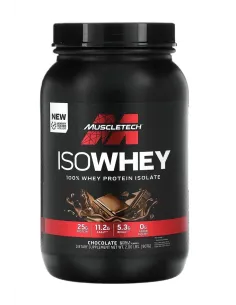
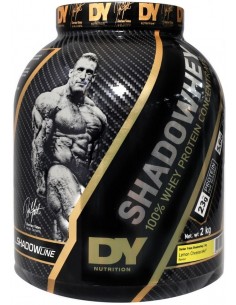
Recommended products

Frequently Asked Questions
The primary difference between whey protein isolate and concentrate lies in the filtration process. As detailed in our guide on whey isolate vs concentrate, the isolate undergoes additional filtration which removes most lactose, fat, and carbs. This results in a product that is 90–95% protein. In contrast, whey concentrate retains more of the original milk solids, offering 70–80% protein. Consequently, a standard 30-gram scoop of whey isolate provides roughly 27 grams of protein with negligible lactose, while concentrate provides 22–24 grams of protein along with 4–5 grams of lactose. This also gives concentrate a richer taste and a slightly different nutritional profile.
Since whey protein isolate typically comes with a 20–30% higher cost, whether it's worth it depends entirely on your individual needs and budget. If you are lactose intolerant, on a strict calorie-cutting diet, or following a ketogenic plan, the superior macronutrient profile of the isolate often justifies the added expense. However, for athletes who digest lactose without issue and are simply looking for an affordable way to meet their protein needs, whey concentrate is an excellent choice. As our protein isolate vs concentrate guide explains, studies show no significant difference in benefits between the two types of whey when total daily protein intake is equated. Your choice should be based on your goals, macros, and budget, not on marketing claims.
Yes, whey protein isolate does digest slightly faster than concentrate. The extensive filtration process it undergoes removes most of the fat and lactose, allowing its amino acids to enter the bloodstream approximately 15–20 minutes sooner. This marginal speed advantage can be beneficial for rapid post-workout recovery or during days with multiple training sessions. It's important to note, however, that both types of whey protein are considered fast-digesting proteins, especially when compared to casein or whole food sources. For most people, focusing on hitting your total daily protein target is more important than the minor difference between whey isolate and concentrate in digestion speed.
Share this article: